
Author: scarfacepride
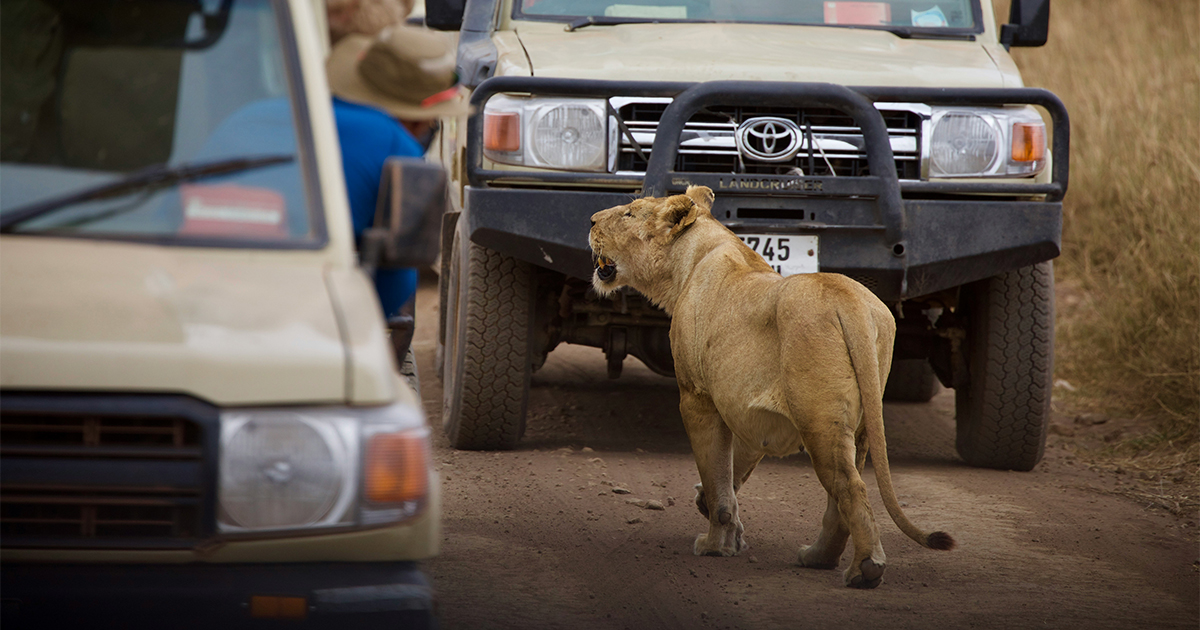
The wait is over. You have finally decided to make your safari plans a reality. You have planned that extended break from work and are already fantasizing about doing the typical safari activities in the vast African savannahs—watching a giraffe graze across the plains, a lion stalk its prey, or a cheetah sprinting to catch its next meal.
However, it’s not long before you realize that you are still stuck with the biggest confusion about your safari: Kenya vs South Africa.
On one side is Kenya, the motherland of safaris with its panoramic savannahs, the stunning Maasai Mara, and beautiful lakes. On the other side is South Africa, with its varied landscapes, bustling cities, and famed winelands that make for experiences beyond the traditional safari. Which side should you incline towards?
We know it’s confusing, and we are here to do away with your confusion. Keep reading as we guide you through some of the most striking features of a safari in Kenya and South Africa, so that by the end of this blog, you will know which flight tickets to book!
1. Accessibility and Transportation Options

The two safari destinations are connected with the rest of the world via an extensive network of flights and offer convenient transportation options within the country. However, the specifics of the convenience depend on where you are flying from and what you prefer.
Kenya:
Flights to Kenya come in handy from the UAE. There are multiple flights at different times every day from Dubai International Airport (DXB) to Jomo Kenyatta Airport (NBO). Kenya Airways offers direct flights daily between Dubai and Nairobi, as do Air Arabia and Emirates. You can also find flights from Abu Dhabi, but they are not non-stop and are much more costly.
If you are traveling from the US, Kenya Airways offers direct flights almost daily from JFK Airport (JFK) in New York to Jomo Kenyatta Airport (NBO) in Nairobi, so you can reach Kenya in just 14-15 hours. However, if you don’t mind layovers, there are many more flights from New York, Chicago, Seattle, and other major US cities.
Direct flights from the UK and France are also regularly available from Heathrow Airport in London and Charles de Gaulle Airport in Paris, respectively. Australia has no direct flights to Nairobi, but there are many connecting flights from Sydney with layovers in Bangkok, Dubai, Doha, or other cities.
Once in Kenya, you can easily travel to Maasai Mara and other safari regions via road or internal flights. If you have booked via a good tour operator, they will usually take care of it, so you won’t need to worry much about it.
South Africa:
South Africa is just as connected when it comes to flight options.
On any day of the week, you can find multiple Emirates non-stop flights from Dubai (DXB) to Johannesburg (JNB) or Cape Town (CPT). Flights to Johannesburg usually take just over 8 hours, while Cape Town-borne flights take less than 10 hours.
In the US, United Airways flights fly daily from Newark to Johannesburg and Cape Town, while Delta flights fly daily from Atlanta to Johannesburg. From London, British Airways and Virgin Atlantic offer regular direct flights to Johannesburg and Cape Town. If you are from Australia, you can hop on a morning Qantas flight from Sydney and arrive at Johannesburg in just over 14 hours.
South Africa has an extensive and developed transport infrastructure, so you can not only find flights but also take the slower land route and go on road trips across the vast variety of landscapes the country offers.
The Winner:
Both countries are highly accessible and easy to travel to, though you may or may not find a direct flight depending on where you are from. However, when it comes to domestic transportation, South Africa wins because of its developed transport infrastructure that connects most places by road.
2. Wildlife Diversity and Abundance
Both Kenya and South Africa offer diverse wildlife-viewing opportunities. You can spot the Big Five (lion, leopard, elephant, buffalo, rhinoceros) and countless other rare and endangered animals in either place. However, each country offers unique experiences that can’t be found elsewhere.
Kenya:

As the original safari destination, Kenya is popular for its uber-diverse array of animal species that take center stage in a safari. The Maasai Mara is a hub of big cats, such as lions, leopards, and cheetahs, though you will also witness many other wild predators like foxes, jackals, hyenas, and even wild dogs roaming through the plains and hunting down their prey.
One of the biggest highlights of a Kenyan safari is The Great Migration—one of the world’s most spectacular wildlife phenomena. If you arrive here between July and September, you will get a chance to witness over 1.5 million wildebeests and hundreds of thousands of zebras, gazelles, topis, and other animals parading across the plains and crossing the Mara River, creating a sight that goes unparalleled and unrivaled in the animal world.
Besides these animals, the country also teems with many rare and endangered animal species, including the famous Northern Five—Grevy’s zebra, Somali Ostrich, Reticulated Giraffe, Beisa Oryx, and Gerenuk—and over 1100 bird species.
South Africa:
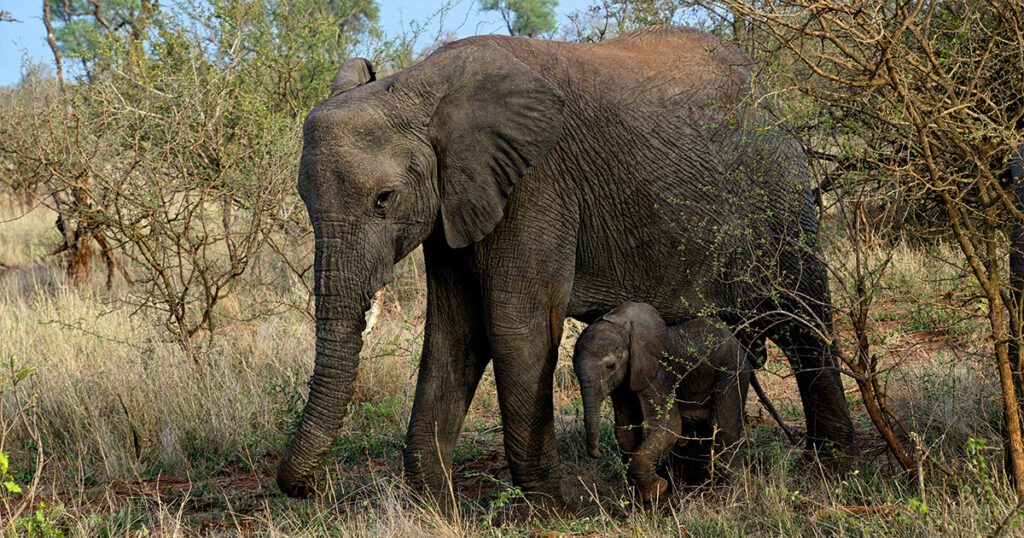
South Africa’s Kruger National Park boasts a large number of elephants and many other large and small animals. You’ll find the endangered black-maned lions in Southern Kalahari, along with Hartmann’s mountain zebra, brown hyenas, and meerkats.
While Kenya has wider range of bird species, South Africa offers a better infrastructure and guides for bird viewing. So, you can readily spot and identify rare, endemic birds like Cape Vulture, Cape Parrot, and Orange-breasted sunbird as you travel to the northern, eastern, and southwestern regions of the country.
However, South Africa outshines Kenya with its rich and diverse marine life. Some coastal regions, such as the Western Cape, Southern Peninsula, and Gaansbai, are home to the Marine Big Five: the bottlenose dolphin, great white shark, southern right whales, the Cape fur seals, and African penguins.
The Winner:
Kenya gets a slight edge because of its sheer number of animals during its peak season and The Great Migration, while South Africa offers consistent variety throughout the year. However, the latter completely outshines Kenya when it comes to its diverse aquatic life.
3. Landscapes and Ecosystems
The more stunning the landscapes, the more fulfilling the safari is. Fortunately, both Kenya and South Africa offer a great mix of diverse landscapes and ecosystems, with a perfect blend of savannahs, mountains, and beaches.
Kenya:
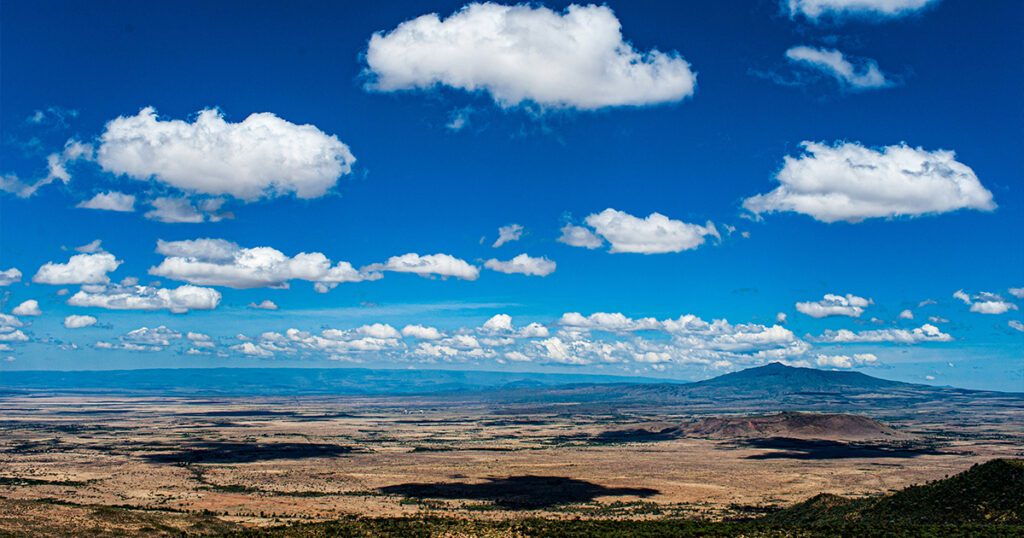
Kenya offers much diversity in its landscapes—from expansive savannahs to scenic valleys to sandy, sun-kissed beaches.
The grasslands in Kenya are extremely vast, stretching far to the horizon and offering sweeping views and a glimpse into the rich wildlife that dwells in the region. The Great Rift Valley boasts many beautiful lakes, which make for stunning sunset spots and offer excellent birding opportunities. For example, Lake Nakuru is home to thousands of flamingos, while Lake Naivasha and its surrounding regions brim with hundreds of bird species.
For mountain lovers, Aberdare Range and Mount Kenya can be the most stunning sights with daunting slopes and snow-capped peaks. And if you are a beach person, the beaches of Mombasa, South Coast, and Lamu archipelago are there to greet you with their white-sand beaches.
South Africa:
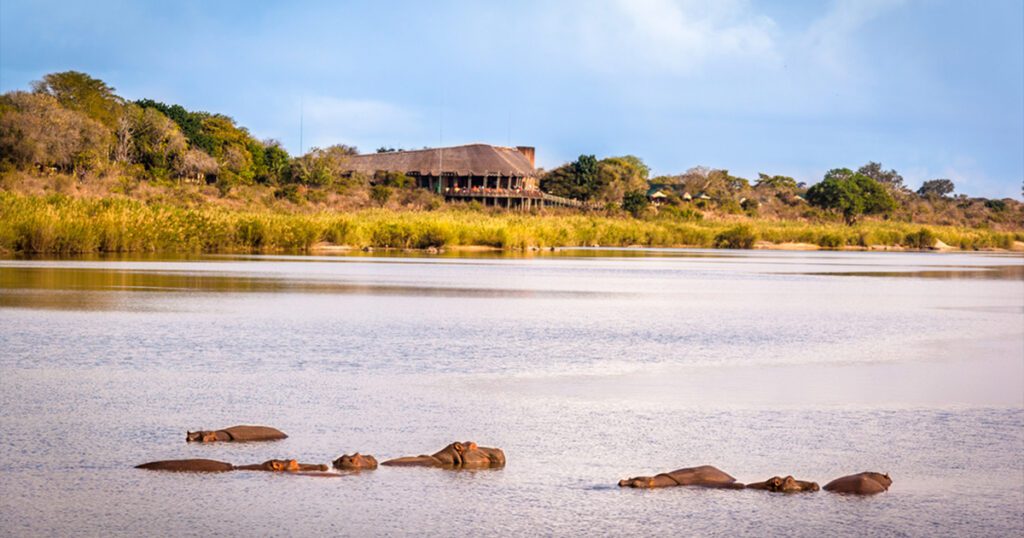
South Africa has enough grasslands to offer the traditional safari feel, though they are not as vast and far-reaching as the ones in Kenya. However, the country is rife with different experiences that can’t be found in Kenya.
Kruger National Park, Sabi Sand Game Reserves, and a few other regions offer the typical savannah experience, with acacia trees spotting the grasslands and rivers cutting through the plains. You can go on game drives, guided walks, and do other typical safari activities you wish to do.
However, the country also has starkly contrasting landscapes beyond the traditional safari savannahs. You will come across dense forests while exploring the Tsitsikamma National Park and Garden Route, rugged peaks and deep valleys while hiking the Drakensberg Mountains, and red sand dunes of the Kalahari Desert in the Northern Cape province.
If you just want to chill, you can hop on a car and explore the bustling city of Cape Town for its exuberance, nightlife, and great gourmet food!
The Winner:
Kenya is a clear winner if you want your trip to be mostly about safari and natural retreats. However, South Africa offers a much wider range of landscapes and lets you indulge in a more diverse mix of traditional and modern activities.
4. Accommodation Options and Quality
There is no dearth of excellent accommodations in Kenya and South Africa, as both offer comfortable, spacious, and luxurious stay options. However, the meaning of “luxurious” notably varies between the two countries.
Kenya:
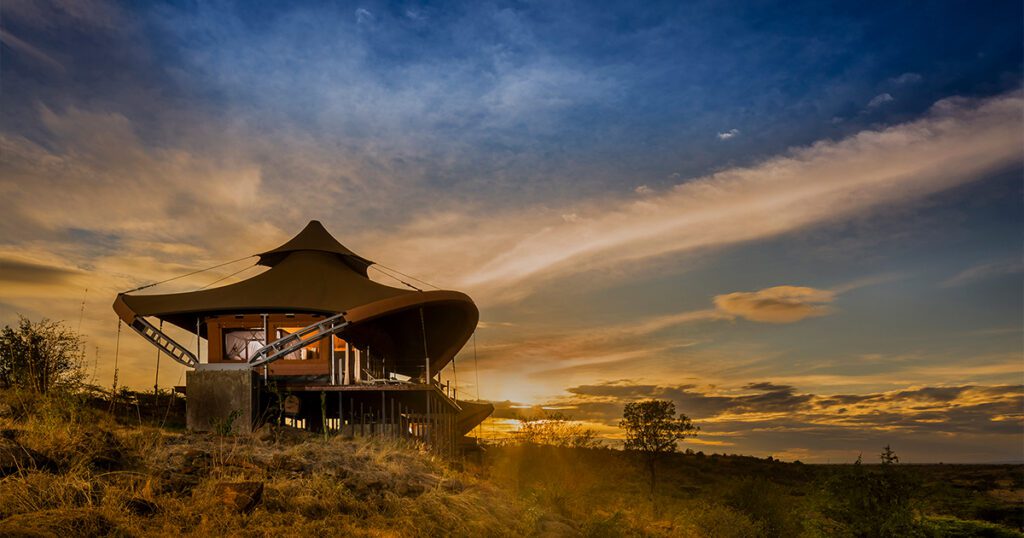
Authentic tented camps reign supreme in Kenya. You will find tented camps and lodges across the Maasai Mara National Park and throughout the Great Rift Valley.
All these camps are nestled in the wilderness amid nature, complete with all the essential amenities like electricity, Wi-Fi, hot showers, and dining areas. You may not find some advanced facilities like air conditioning and private pools in most camps. But this lack is somewhat compensated for by the breathtaking views around your camps and the luxury of sleeping under a star-studded night sky that many camps offer.
South Africa:
South Africa also offers a wide range of accommodations, including tented camps. But it goes way ahead with its extensive offering of luxury lodges that feel like second homes outside your home.
“Luxury” in South Africa includes air-conditioned lodges with private plunge pools and gourmet dining experiences. So, instead of high-end tented camps, you will see more exquisite 5-star lodges offering modernistic architecture blended with classic African aesthetics.
The Winner:
If you are looking for a more rugged, culturally rich experience, Kenya is your go-to place, as it offers a closer connection to nature and provides better opportunities to mingle with the locals. However, South Africa provides more comfort and ease of travel, with a special focus on luxury. So honestly, it depends on what kind of experience you are looking for!
5. Additional Experiences Beyond Safaris
The overall quality of your safari depends not just on your safari-centric experiences but also on all the other things you can do on the trip. Interestingly, both Kenya and South Africa offer great complementary experiences to top off your safari and make it many times more memorable!
Kenya:

A safari in Kenya comes with several additional perks. You can enjoy thrilling hot-air balloon rides across the Maasai Mara, go on cultural tours to Maasai villages, and hop on a camel to explore the desert landscape of Samburu National Park.
Once you have had a fulfilling safari experience, heading to the National Museum in Nairobi can be a great idea to dive into Kenya’s history and culture. You can also get on a one-hour flight from the capital to Mombasa and loll on the white-sand beaches of the South Coast.
Or, if you are an adventure seeker, you can climb to one, two, or all of the three peaks of the 17,000-foot-tall Mount Kenya. Imagine trekking through scenic slopy trails while being awestruck by the breathtaking views of lakes, glaciers, valleys, springs, and montane forests. What fun would it be!
South Africa:

South Africa has its fair share of off-safari experiences. The country’s cultural and geographical diversity makes for arguably the most well-rounded safari experience ever.
You can drive east from Cape Town and head to the international whale-watching hub of Hermanus. If you are here during the winter and spring seasons (June to December), you’ll get to watch many Southern Right whales breaching, spouting, and diving as they stop by near the shore on their annual migratory trip from Antarctica.
Driving along the N2 national highway, you can also reach Mossel Bay and kick off your journey along the stunning Garden Route. It’s a scenic 190-mile-long coastline that runs across pristine beaches, lush forests, lagoons, and mountain ranges all the way to Storms River in the Eastern Cape.
If you want to get into the country’s history and culture, you can head to the KwaZulu-Natal province to learn a few things about the Zulu people. The country is also home to an extensive network of vineyards, something Kenya simply doesn’t have. You can stop by one of the wineries and treat yourself to a pint of Pinotage—South Africa’s signature varietal—and other classic wines.
The Winner:
Kenya offers many off-safari experiences within and beyond the safari. But South Africa has a clear edge because of its sheer range of activities—from deep nature dives to long road trips, wine tasting, and city life.
6. The Cost Factor

All experiences and other factors aside, the overall cost you will have to bear during your trip to Kenya or South Africa is one of the essential factors to consider. And as it turns out, we seem to have a clear winner here.
Kenya:
If you decide to visit Kenya, you must pay for most of your trip and experiences in US dollars. So, your overall cost considerations will come down to the exchange rate between your native currency and the USD. The USD effect is also reflected in the high cost of accommodations in the high-end tented camps available across Kenya.
Moreover, traveling across Kenya is often facilitated by short internal flights, which may cost a lot of money. Unless you are in Nairobi, you won’t find extensive road transportation and self-driving options, which are more budget-friendly. Finally, national park fees in Kenya tend to be slightly higher than in South Africa.
South Africa:
South Africa has some notable advantages over Kenya when it comes to overall costs, starting with the prevalence of the South African Rand instead of the Dollar. Since the South African Rand is much weaker than the Dollar, the prices of your experiences tend to be notably lower than comparable experiences in Kenya.
A wider range of accommodation also lets you adjust your costs according to your budget constraints. And since the country has a much more developed infrastructure, traveling by road is readily available and much more affordable. What’s more, you can diversify your trip beyond the safari to other great opportunities like road trips, hiking, and many other activities to make the most of your trip.
The Winner:
While the precise amount you spend on your safari heavily depends on your personal preferences and plans, South Africa proves to be slightly more budget-friendly because of its currency, wider range of accommodations, and off-safari options.
Other Factors: Safety, Malaria, and More
Besides the above factors, there are some other minor but equally crucial factors that you must consider before taking your call about your ideal safari destination.
Safety:
First comes safety. Fortunately, both countries make the cut for being safe destinations for individuals and families. Rest assured, your tour operator will usually take care of your and your family’s safety, and you won’t have to worry much. Nevertheless, you should be reasonably vigilant and careful, as you should in any new place.
Malaria and Other Diseases:
Malaria is a common and valid concern for anyone visiting an African country. As it turns out, it is a concern in both countries.
While it’s not a big concern, as you can prevent it with some common antimalarial medications, South Africa does have a lower risk and boasts many malaria-free zones. If you want to steer clear of other common diseases prevalent in Africa, you should consider getting vaccinated for Yellow Fever and other diseases before traveling to either country.
Peak Seasons:
Lastly, you would also want to consider the best time to go on a safari in these countries. In Kenya, the peak season is from July to October since it is the dry season and the time of the famous Mara River crossings. In South Africa, though, the period between May and September is more active because of the dry season and better wildlife-viewing opportunities.
You can weigh these considerations to better understand what suits you best. After all, these are not plus or minus points but just the factors that make the two countries different.
The Verdict: Kenya or South Africa?

Choosing between Kenya and South Africa for the best safari destination is like choosing between apples and oranges for the best fruit. In other words, it’s a highly subjective decision that depends on what you want rather than which is better!
If safari for you means a raw, unfiltered experience amid nature, away from the luxuries and intricacies of modern life, Kenya will undoubtedly come closest to your preferences. However, if you want a well-rounded safari with the elements of ruggedness and a complete modern tour package topped off with luxury and adventure, you should head to South Africa.
So, weigh down your negotiables and non-negotiables, and see which of the two countries fits the bill for you as the best safari destination!
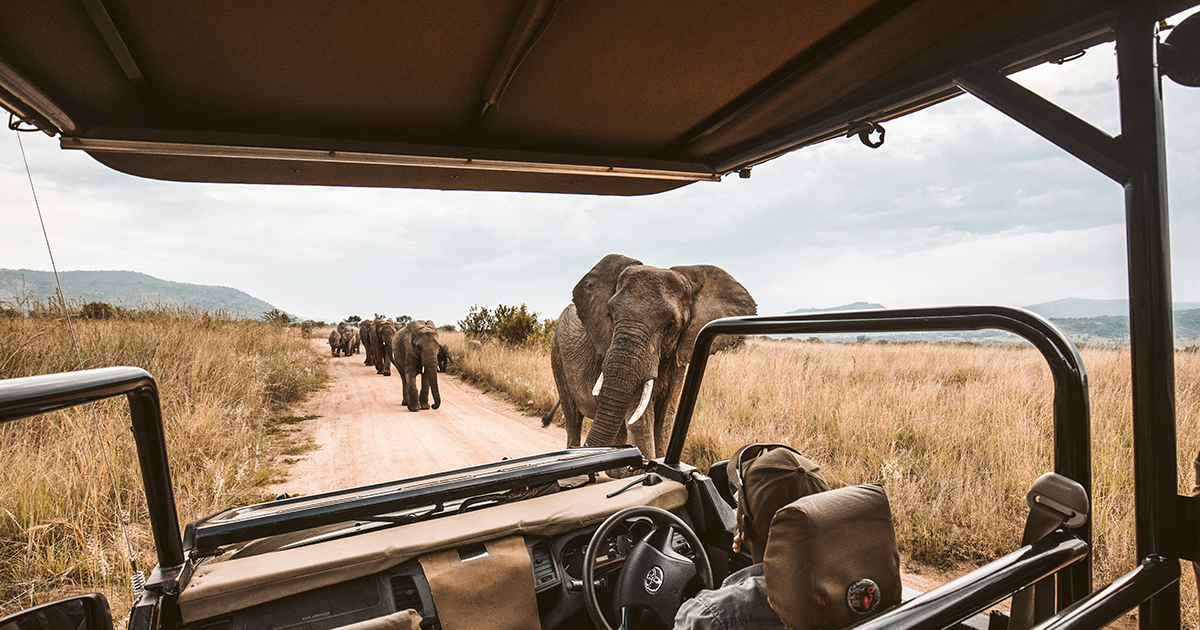
Dreaming of witnessing the Big Five in their natural habitat? Kenya’s iconic safaris offer an unforgettable adventure, but before you book, understanding Kenya safari cost is key. Whether you’re traveling from Dubai, Europe, or the U.S., this guide breaks down what to expect, how to budget smartly, and how to choose the perfect experience for your style and spend.
How Much Is a Safari in Kenya?
The cost of a Kenya safari depends on your travel style, accommodation, and season. Here’s a quick overview of average 2026 prices:
| Category | Price (Per Person, Per Night) | Approx. in USD | Approx. in AED |
| Budget | $250 – $350 | USD 250 – 350 | AED 920 – 1,285 |
| Mid-Range | $400 – $650 | USD 400 – 650 | AED 1,470 – 2,390 |
| Luxury | $750 – $1,200+ | USD 750 – 1,200 | AED 2,755 – 4,400+ |
Note: Prices include game drives, park fees, and meals. International flights are excluded. It also varies on other customized packages, the prices may vary depending on your package and the season.
Sample Safari Itineraries
- 3-Day Safari: Perfect for first-timers. Visit Masai Mara for daily game drives, enjoy bush dinners, and experience authentic luxury tents.
- 5-Day Safari: Combine Lake Nakuru and Masai Mara. Witness flamingos, rhinos, and golden savannah sunsets.
- 7-Day Safari: Explore the full circuit, Amboseli, Lake Naivasha, and Masai Mara. Ideal for photography and immersive wildlife encounters.
Methodology: How Safari Pricing Works
Safari costs are based on several key factors:
- Season: Peak months (July–October) are costlier due to the Great Migration.
- Lodging: Luxury lodges include private butlers, bush dinners, and air transfers.
- Transport: Private 4×4 or shared safari vehicles, depending on your preference.
- Park Fees: Vary by reserve (Masai Mara, Amboseli, Samburu, etc.). More details check here.
Smart Budgeting Tips:
- Book 6–8 months in advance for early-bird rates.
- Travel in shoulder season (Nov–Feb) for fewer crowds and better prices.
- Combine parks strategically to save on transfers.
FAQs
1. What’s the average cost of a 7-day Kenya safari from Dubai?
Around USD 3,500–5,500 (AED 12,850–20,200) per person, depending on comfort level and the package chosen as per customization.
2. Are park fees included?
Yes, most packages include park fees, meals, and guided drives.
3. Can I customize my itinerary?
Absolutely. Private safaris can be tailored to your dates, interests, and budget.
4. Are flights from Dubai included?
No, international flights are usually booked separately.
Ready to Plan Your Safari?
Let’s design your dream African adventure, from budget escapes to luxury getaways. Contact Scarface Pride today!
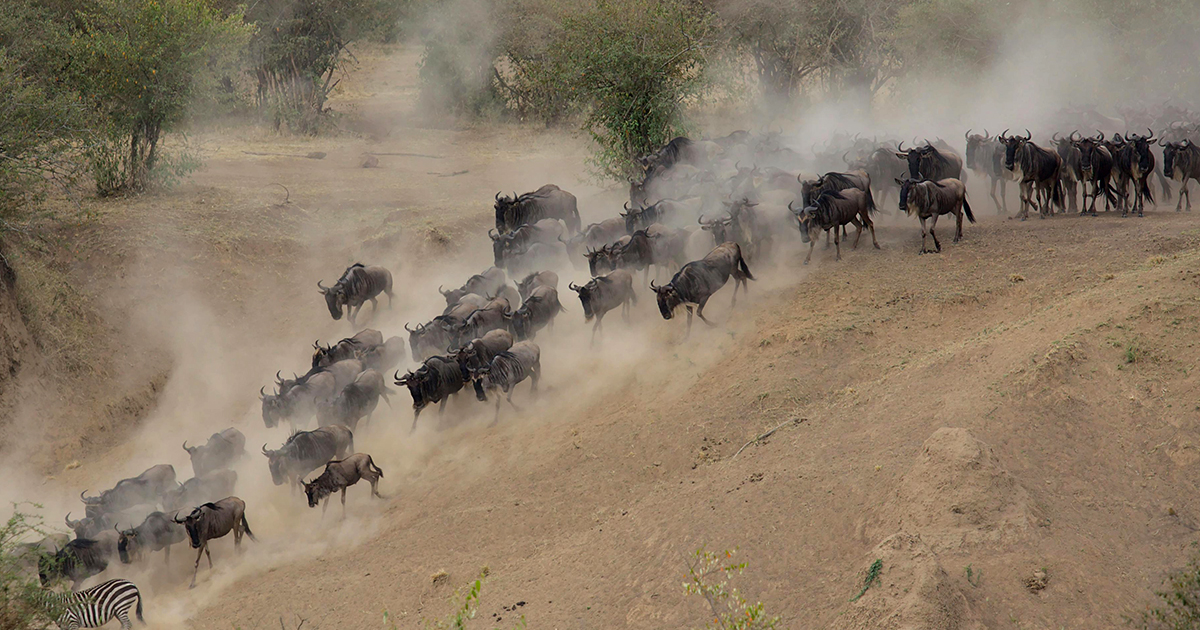
Great Migration 2026: What Makes It Worth Seeing?
The Great Migration is the largest and most famous land based wildlife movement in East Africa. Huge herds of wildebeest, zebras, and gazelles move between Tanzania and Kenya in search of fresh grazing and water.
The spectacle is not only about numbers. It is about drama. Calves are born in the southern Serengeti. Predators follow the herds. Males compete during the rut. Herds move through the Western Corridor. River crossings unfold in the north. The cycle then turns south again with the rains.
The Serengeti migration is commonly described as involving roughly two million wildebeest, with about half a million calves born between January and March in the southern Serengeti.
For travellers, this creates different safari experiences in different months. January does not feel like August. A Serengeti safari in February is not the same as a Masai Mara safari in September. That is the beauty of migration. Every season has its own chapter.
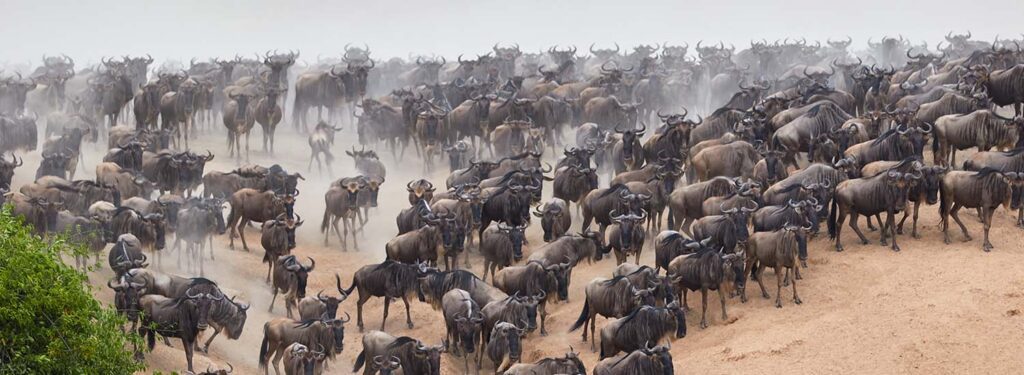
Great Migration Safari Month By Month For 2026
A great migration safari month by month approach is the most reliable way to plan your trip. The migration is not exact, but the pattern below gives a strong planning framework for 2026.
January To March: Southern Serengeti And Ndutu
This is calving season. The herds are usually spread across the Southern Serengeti, Ndutu, and nearby plains. Over a short period, hundreds of thousands of calves are born, and the landscape becomes full of new life.
This is one of the best periods for predator action. Lions, cheetahs, hyenas, jackals, and vultures follow closely. For photographers, the green grass, newborn animals, and dramatic skies create extraordinary scenes.
Best for: calving season, cheetahs, predator action, green season photography
Best region: Southern Serengeti, Ndutu
Best package style: Tanzania safari packages focused on calving season
April To June: Central And Western Serengeti
As the rains shift and grazing changes, the herds begin moving through Central Serengeti and toward the Western Corridor. The Grumeti River region becomes important during this stage.
This period is excellent for travellers who prefer quieter migration viewing compared to the peak Mara River season. The landscapes are often lush, the crowds are thinner, and the wildlife movement is active.
Best for: quieter migration scenes, Western Corridor, photography, value season luxury
Best region: Central Serengeti and Grumeti
Best package style: Serengeti safari packages with seasonal routing
July To October: Northern Serengeti And Masai Mara
This is the most famous Great Migration period. The herds move toward Northern Serengeti and Masai Mara, where the dramatic Mara River crossings may happen.
The Masai Mara is widely associated with the migration from July to October, when wildebeest, zebras, and other herbivores enter the region and river crossings become a major attraction.
This is the high demand season for great migration safari packages. Camps in Kogatende, Lamai, the Mara River region, Masai Mara National Reserve, and nearby conservancies can fill early.
Best for: Mara River crossings, predator activity, peak migration drama
Best region: Northern Serengeti, Kogatende, Masai Mara
Best package style: Masai Mara Great Migration safari or Kenya and Tanzania combination
November To December: Return Journey South
With the short rains, the herds begin moving south again toward the central and southern Serengeti plains. The drama becomes softer than peak river crossing months, but the landscapes refresh beautifully.
This is a good period for travellers who want fewer crowds, birdlife, green landscapes, and a more relaxed safari pace.
Best for: green landscapes, return movement, quieter safari planning
Best region: Central Serengeti, Southern Serengeti, Ngorongoro region
Best package style: Tanzania safari packages with Serengeti and Ngorongoro Crater
Where To See The Great Migration In 2026
Serengeti National Park, Tanzania
Serengeti National Park is the heart of the Great Migration. It is where the annual cycle begins, stretches, gathers, crosses, and returns. A Serengeti safari can be designed around calving season, Western Corridor movement, Northern Serengeti river crossings, or classic Central Serengeti wildlife.
Choose Serengeti if you want:
- Calving season from January to March
- Grumeti River and Western Corridor movement
- Northern Serengeti river crossing possibilities
- Longer ecosystem experience
- Luxury tented camps and remote wilderness
- Combination with Ngorongoro Crater
Masai Mara, Kenya
The Masai Mara is one of the most famous places to witness the peak migration drama from July to October. A Masai Mara Great Migration safari is ideal for travellers who want dramatic wildlife action, predator sightings, open plains, and excellent guiding.
Choose Masai Mara if you want:
- Peak migration season from July to October
- Big cat sightings
- Mara River crossing possibilities
- Shorter Kenya safari packages
- Luxury camps and fly in safari options
- Optional hot air balloon safari
Grumeti River Zone, Tanzania
The Grumeti River zone is ideal for travellers who want quieter migration viewing and strong photography opportunities. It is especially relevant around May and June when the herds move through the Western Corridor.
Choose Grumeti if you want:
- A less crowded migration experience
- Western Serengeti scenery
- River based wildlife drama
- Luxury remote camps
- Strong photography conditions
Kenya Or Tanzania: Which Migration Safari Should You Choose?
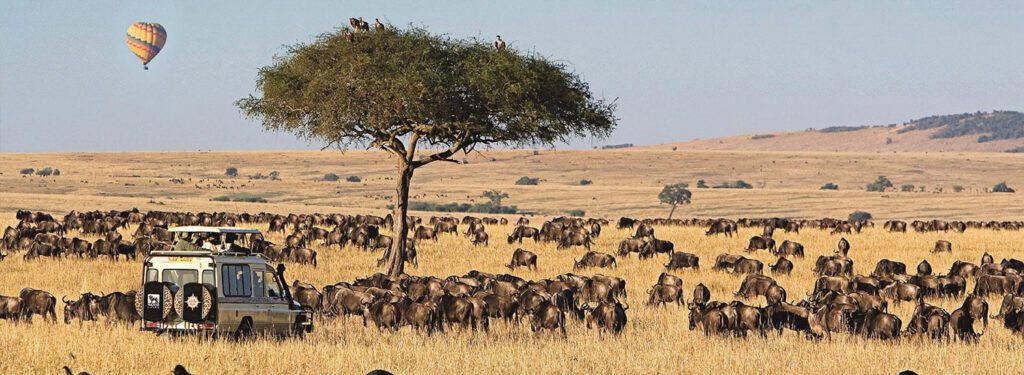
The best country depends on your travel month and the wildlife chapter you want.
Choose Tanzania If
- You are travelling between January and March for calving season.
- You want a longer Serengeti safari across multiple regions.
- You want to combine Serengeti National Park with Ngorongoro Crater.
- You are interested in the Grumeti River or Northern Serengeti.
- You want a Tanzania safari with Zanzibar after the bush.
Choose Kenya If
- You are travelling between July and October.
- You want a Masai Mara safari focused on river crossing possibilities.
- You prefer a shorter migration safari from Nairobi.
- You want a Masai Mara fly in safari.
- You want to combine safari with Diani Beach or other Kenya extensions.
Choose Kenya And Tanzania If
- You want the strongest migration coverage.
- You have 8 to 12 days.
- You want both Serengeti and Masai Mara.
- You want flexibility if herd movement shifts.
- You are investing in premium migration planning.
Kenya and Tanzania safari packages are often the most complete option for travellers who want a deeper Great Migration journey.
Where To Stay During The Great Migration
For a truly unforgettable safari experience, pair the wilderness adventure with luxury stays that offer panoramic views, polished service, and strong access to migration hotspots. The best property is not always the most famous one. It is the one located in the right region for your exact travel month.
Angama Mara, Kenya
Perched high above the Great Rift Valley, Angama Mara offers cinematic views of the Mara plains and strong access to daily game drives. It is ideal for travellers who want high design, drama, and a premium Masai Mara base.
Singita Mara River Tented Camp, Tanzania
Set near the Mara River in Northern Serengeti, this eco luxury retreat offers an exceptional position for travellers focused on river crossing season. It works well for a luxury Serengeti safari from July to October.
Mahali Mzuri, Kenya
Sir Richard Branson’s award-winning camp in the Olare Motorogi Conservancy offers luxury, strong wildlife viewing, and a more exclusive conservancy experience. It pairs well with peak migration season and year round predator viewing.
Beyond Kichwa Tembo Tented Camp, Kenya
Set near the Oloololo Escarpment, Kichwa Tembo blends classic safari atmosphere with refined comfort. It is well positioned for Masai Mara game drives and migration season planning.
Each of these properties provides access to migration corridors, excellent guiding, strong hospitality, and memorable wilderness settings. For 2026, the key is to match camp location with herd movement, not simply choose a famous name.
Great Migration Tanzania Safari Itinerary From Dubai
Here is a 6 day journey that lets you live and breathe the wild pulse of Tanzania, from Arusha’s warm welcome to the endless plains of Serengeti and the majestic Ngorongoro Crater.
Day 1: A Night In Arusha
Arrive at Kilimanjaro International Airport, where a member of our Pride welcomes you to Tanzania. After a scenic drive and short briefing, check in at Masai Land Hotel in Arusha. Take the evening to unwind and prepare for the safari adventure ahead.
Day 2: Arusha To Tarangire National Park
Wake up to the sounds of Africa and journey to Tarangire National Park, known for ancient baobab trees and large elephant herds. The park’s birdlife is remarkable too, making it excellent for photography. Enjoy a full day game drive before heading to Farm of Dreams in Karatu for a cozy night’s rest.
Day 3: The Great Serengeti
Drive through the breathtaking Ngorongoro Conservation Area, stopping at the rim to take in the iconic view of Ngorongoro Crater. Continue to Serengeti National Park, where vast plains and roaming herds welcome you. Overnight at Tukaone Camp, surrounded by the wild soundscape of the bush.
Day 4: Show Me More Serengeti
Spend the day chasing the Great Migration across the plains. Depending on the season, the herds may move between southern, central, western, or northern Serengeti. Expect heart stirring encounters with lions, cheetahs, elephants, zebras, wildebeest, and sweeping landscapes. Enjoy a picnic lunch in the wild.
Day 5: Serengeti To Ngorongoro Conservation Area
Bid farewell to the Serengeti and drive toward the Ngorongoro region, enjoying game drives along the way. If travelling between January and March, the wider southern Serengeti and Ndutu region may offer calving season drama. Overnight again at Farm of Dreams for a peaceful evening.
Day 6: The Ngorongoro Crater Finale
Descend into the world famous Ngorongoro Crater, home to dense wildlife and dramatic scenery. Spot lions, elephants, buffalo, hippos, flamingos, and possibly rhinos. Enjoy a picnic near the hippo pool, then return to Arusha for your onward flight.
This itinerary is compact and ideal for travellers who want a short but powerful Tanzania safari. For more serious migration focus, Scarface Pride may extend the route or adjust regions based on your 2026 travel month.
Kenya Classic Migration Safari From Dubai
This 5 day Kenya route is ideal for travellers who want a shorter migration focused journey through Nairobi, Masai Mara, and Lake Nakuru.
Day 1: Adventure Awaits In Nairobi
Your adventure begins as you arrive at Jomo Kenyatta International Airport in Nairobi. A warm welcome from our Pride representative awaits you at the terminal. You will be assisted with luggage and comfortably transferred to your hotel for check in.
After a long journey, take the day to relax. Enjoy the hotel’s serene ambience, a spa session, or dinner at one of Nairobi’s top restaurants. This evening is about rest and anticipation. Your safari begins tomorrow.
Overnight stay in Nairobi.
Day 2: Discovering The Beauty Of The Mara
Rise early and enjoy breakfast before heading to the Masai Mara National Reserve, one of Africa’s most iconic safari destinations. On arrival, settle into your luxury camp or lodge before your first game drive across the endless golden plains.
The Mara offers breathtaking landscapes, scattered acacia trees, and a rich tapestry of wildlife. Elephants, zebras, antelopes, lions, cheetahs, hyenas, giraffes, and buffalo may all be part of your first day.
For the best wildlife sightings, begin your morning game drive at dawn when predators are more active. Savor a picnic breakfast in the wild, surrounded by the sounds of nature.
Overnight stay in Masai Mara.
Day 3: Get Ready For Thrilling Game Time
Today offers two spectacular ways to experience the Mara.
Option 1: Masai Mara Hot Air Balloon Safari
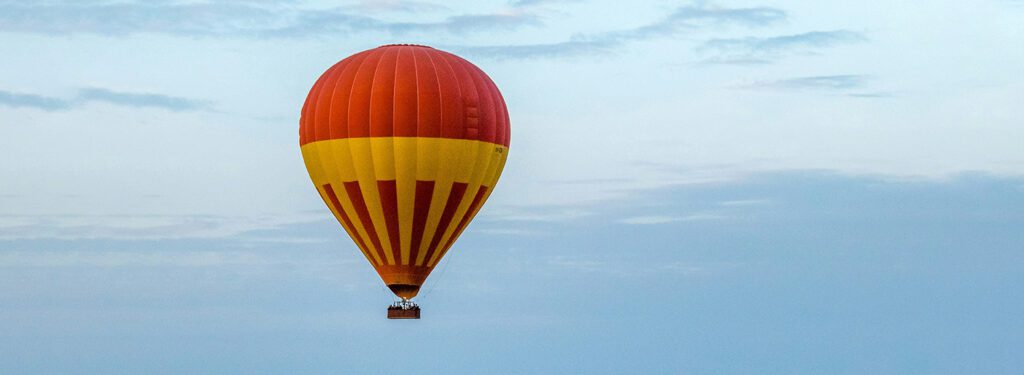
Before dawn, head to the launch site for your hot air balloon safari. As the sun rises, the balloon lifts gently above the plains, revealing elephants, giraffes, antelopes, and golden grasslands below.
After landing, enjoy a champagne style bush breakfast in the savannah, a classic safari memory that feels almost cinematic.
Option 2: Game Drive Adventure
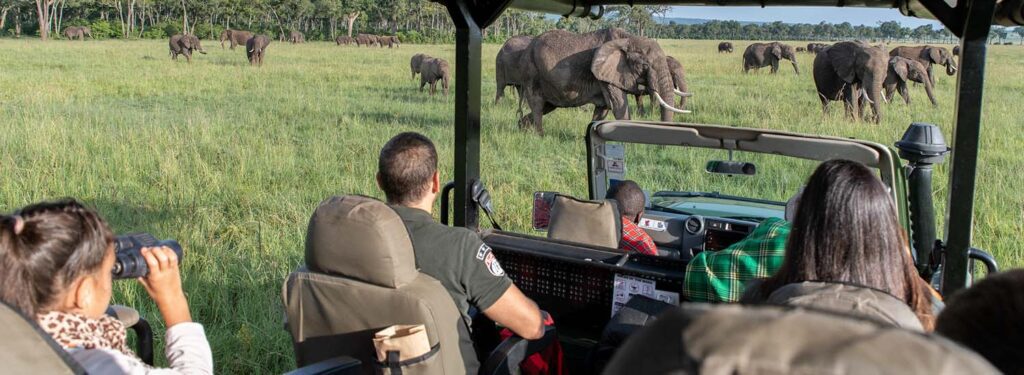
If you prefer to stay grounded, enjoy an early game drive with your expert guide. You will have opportunities to photograph wildlife and understand the ecosystem that supports the migration.
Return to camp for lunch, followed by an evening drive or downtime at the lodge. End the day by the campfire under the African sky.
Overnight stay in Masai Mara.
Day 4: Rhino Tracking At Lake Nakuru National Park
After breakfast, journey through the Great Rift Valley to Lake Nakuru National Park. The park is known for birdlife, seasonal flamingos, and as a sanctuary for both black and white rhinos.
After checking in at Lake Nakuru Sopa Lodge, enjoy lunch with sweeping views of the park. In the afternoon, set off on a game drive to spot rhinos, lions, leopards, giraffes, waterbucks, buffalo, and lake scenery.
Overnight stay in Lake Nakuru.
Day 5: Farewell To The Wild
After a leisurely breakfast, enjoy a short game drive as you exit the park. Keep your eyes open for one last glimpse of rhinos, zebras, or giraffes.
Drive back to Nairobi, where you arrive in time for your international flight. Your safari may end here, but the stories will last a lifetime.
Who Should Book A 2026 Great Migration Safari?
Great migration safari packages are ideal for wildlife lovers, photographers, honeymooners, families with older children, luxury travellers, and anyone planning a first time safari in Africa.
For families, the Masai Mara can be easier because routes from Nairobi are simpler and safari days can be managed well. For honeymooners, Serengeti and Masai Mara luxury camps offer privacy, drama, and romance. For photographers, longer stays in one migration zone are better than rushing through many parks.
If you want a softer ending, add Zanzibar after Tanzania or Diani Beach after Kenya.
FAQ’s
1. When is the best time to see the wildebeest crossing the Masai Mara in 2026?
July to October is generally the best window for Masai Mara migration viewing and Mara River crossing possibilities. August and September are often especially popular, but exact crossings depend on rainfall and herd movement.
2. What makes the Great Migration worth seeing?
It is one of the greatest wildlife movements on Earth, with wildebeest, zebras, gazelles, predators, river crossings, calving season, and dramatic survival moments across the Serengeti and Masai Mara ecosystem.
3. Are Great Migration river crossings guaranteed?
No. River crossings are natural events and cannot be guaranteed on a specific date or game drive. Staying longer in the right region improves your chances.
4. Is Kenya or Tanzania better for the Great Migration?
Tanzania is best for calving season, Serengeti movement, Grumeti, and Northern Serengeti. Kenya is best for Masai Mara peak migration from July to October. Combining both gives the strongest coverage.
5. How many days are ideal for a Great Migration safari?
A 5 to 6 day itinerary can work for a short route, but 8 to 12 days is better for travellers who want deeper migration coverage, luxury pacing, and Kenya plus Tanzania combinations.
6. Can I book a luxury Great Migration safari from Dubai?
Yes. Scarface Pride can plan Great Migration safari routes from Dubai with international arrival support, luxury lodges, internal flights, private guides, and Kenya or Tanzania itinerary options.
7. Which lodges are best for the Great Migration?
The best lodge depends on your travel month. Northern Serengeti camps are ideal from July to October, Southern Serengeti and Ndutu camps from January to March, and Masai Mara camps from July to October.

Ask any safari enthusiast who’s planning a safari in East Africa, and they’ll say their ultimate goal is to encounter the legendary Big Five – stately lions, swift leopards, mighty elephants, rare rhinos, and brawny buffaloes.
What makes these creatures remarkable? Let’s delve deeper into their world, explore their unique characteristics, ecological roles, and the best ways to witness them in their natural habitats!
The King of the Jungle: The Lion

Imagine seeing a pride on the hunt in the middle of the great plains, as you observe, just a couple feet away from them. Their lustrous mane, thunderous roar, and massive muscles rippling as they stalk their prey – it’s a majestic breathtaking experience! These apex predators hunt antelopes, zebras, and wildebeest using a combination of stealth and teamwork.
His lustrous, flowing mane is a symbol of strength and authority. The lion, with its thunderous roar that can be heard up to five miles away.
Lions live in prides, which are social groups made up of related females, cubs, and one or two males They are highly social animals, with complex social structures within prides. Females are the heart of the pride, responsible for nurturing cubs and preserving social order. Males, on the other hand, are migratory and compete for the opportunity to command a pride. Observing interactions among a pride, from playful cubs battling with one another to excited greetings between lionesses, provides insight into the complex social lives of these majestic animals.
Where can you find them?
Masai Mara National Reserve (Kenya):
This world-renowned reserve is part of the Serengeti-Mara ecosystem and boasts one of Africa’s largest lion populations. The Mara Triangle, a conservancy within the reserve, is well-known for its high lion sightings.
Serengeti National Park (Tanzania):
The Serengeti’s vast grasslands are another excellent place to observe lions, particularly during the Great Migration when prey is plentiful. While not a conservancy, the park has a long history of wildlife conservation and is a UNESCO World Heritage Site.
Kruger National Park (South Africa):
This vast park is home to a sizable lion population, with places such as the Sabi Sand Game Reserve recognized for good lion spotting. Many private reserves bordering Kruger provide fantastic opportunities to see lions in a more intimate setting. They focus on wildlife conservation and anti-poaching initiatives.
Witness the power and grace of lions in their true glory yourself, plan your safari with Scarface Pride!
The Elusive Hunter: The Leopard
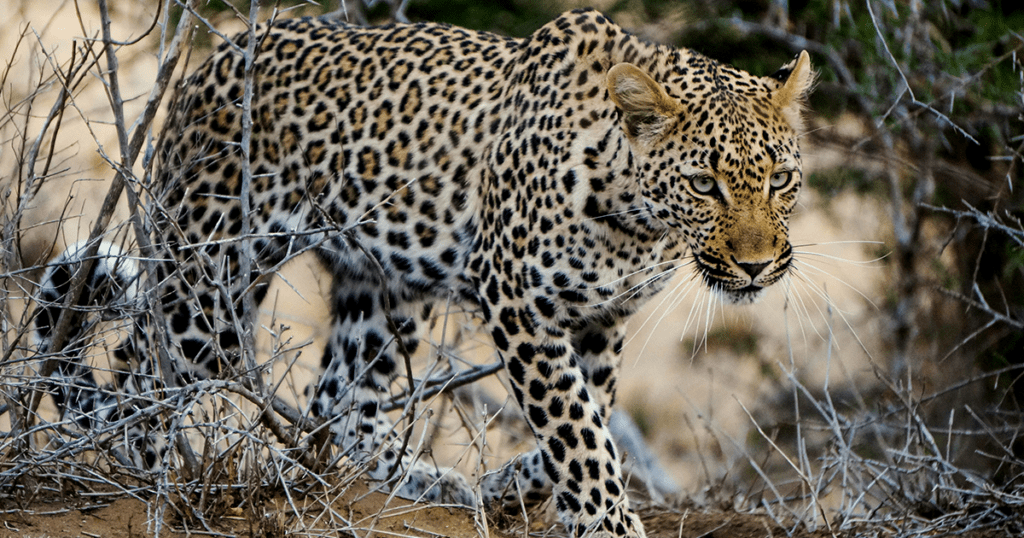
From one apex predator to another, now we meet the leopard, with its spotted coat that provides excellent camouflage, is a solitary predator renowned for its agility and stealth. Leopards, unlike lions, are adept climbers and frequently hide their food high in trees, protecting it from scavengers. They are opportunistic hunters who prey on a wide range of species, including gazelles, monkeys, tiny reptiles, and birds.
Leopards are primarily nocturnal, with most hunting taking place between sunset and dawn. Spotting a leopard during the day is a rare occurrence, but with a keen eye and a knowledgeable guide, you might get a glimpse of one lazing in the sun on a rocky outcrop or chasing its prey through thick grass. It could be you, intently staring through your binoculars, spotting the rare sight of a leopard hunting, an incredible display of athleticism and precision.
Where can you find them?
Sabi Sand Game Reserve (South Africa):
Situated on the western edge of Kruger National Park, Sabi Sand is world-renowned for its spectacular leopard sightings. Decades of research and anti-poaching initiatives have resulted in a habituated leopard population, giving tourists the opportunity to observe these elusive cats up close.
Central Kalahari Game Reserve (Botswana):
The vast Kalahari landscape provides an exceptional opportunity to observe leopards adapting to a drier climate. Conservation efforts in the Central Kalahari are centered on protecting this endangered ecosystem and its animals.
Leopards may be elusive, but the experience of witnessing one in the wild yourself is unparalleled. Let Scarface Pride plan your meet and greet with these spotted cats for you!
The Gentle Giant: The Elephant

Displays of ferocity aren’t rare among the Big Five, but an exception among these is this colossal creature. Bigger than them all – the world’s largest land animal, with males standing up to 13 feet tall and weighing an astonishing 7 tons, but compassionate one as well. While the rest rank high on vigor, the elephant is the most emotionally intelligent. These gregarious creatures live in herds governed by knowledgeable, experienced females known as matriarchs. Elephants are herbivores, spending much of their time grazing on grasses, leaves, and fruits. Their intellect and social bonds are extremely impressive.
Elephant herds are complex social units, with strong bonds between females and their offspring. Matriarchs play a crucial role in leading the herd, teaching younger elephants about finding food and water, navigating their environment, and avoiding danger. You can witness the playful interactions between young calves and the nurturing behaviour of adult females, a heartwarming glimpse into the deep family ties that bind these mighty creatures. This sight is only a safari plan with us away.
Where can you find them?
Addo Elephant National Park (South Africa):
This park is a sanctuary for elephants, with the highest concentration in South Africa. Addo’s conservation efforts are centered on habitat restoration and anti-poaching initiatives, guaranteeing a safe environment for these gentle giants.
Tarangire National Park (Tanzania):
Known as the “Elephant Paradise,” Tarangire is home to vast herds of elephants that congregate around the park’s permanent watering holes during dry season. Conservation activities in this area are centered on conserving elephant migratory corridors and other species.
Meet these gentle giants yourself, leave the planning to us.
The Most Unforgiving: The African Buffalo
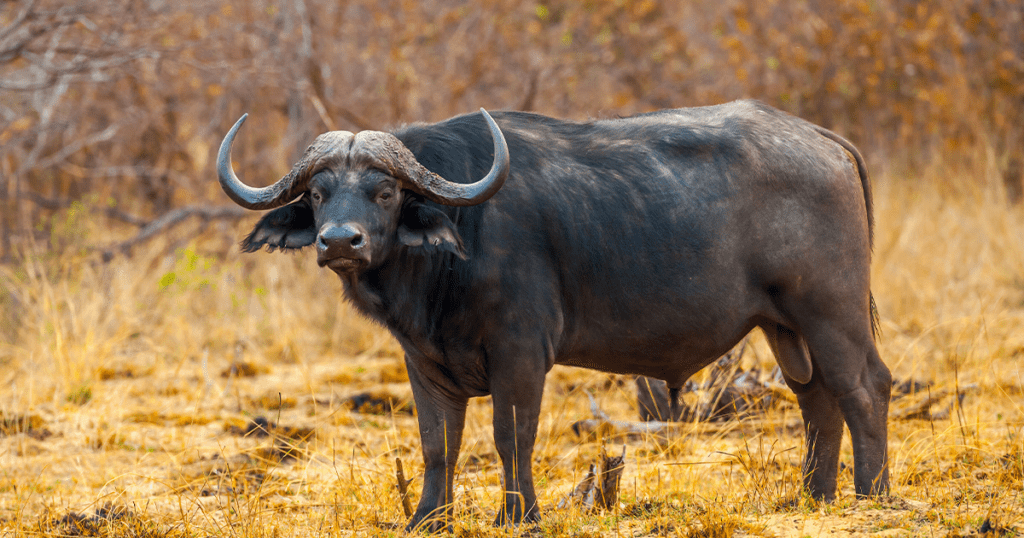
Another iconic giant from the African continent, the Buffalo is a powerful herbivore with a solid reputation. These stocky creatures, often called “Cape buffalo” due to their historical abundance in South Africa’s Cape Province, live in herds and are notorious for their aggressive temperament, particularly when threatened. Despite their size, they are remarkably agile and can outrun most predators.
In the ecosystem of the African savanna, buffalo are essential. By creating a mosaic of habitats for various animals, their grazing practices contribute to the upkeep of healthy grasslands. Additionally, they provide as essential source of prey for crocodiles, lions, and leopards, maintaining a healthy predator-prey relationship. A buffalo herd’s significance in the cycle of life becomes apparent when you see them grazing calmly across the savanna or defending themselves against an attack by a predator.
Yes, you can see this yourself. All you have to do is reach out to us!
Where can you find them?
Masai Mara National Reserve (Kenya):
This world-famous reserve is part of the larger Serengeti-Mara ecosystem and is home to a variety of wildlife, including large herds of cape buffalo.
Serengeti National Park (Tanzania):
The vast plains of the Serengeti are another prime location for spotting buffalo. These hardy animals play a vital role in the ecosystem, and their grazing patterns help maintain the health of the grasslands.
The Endangered Icon: The Rhinoceros
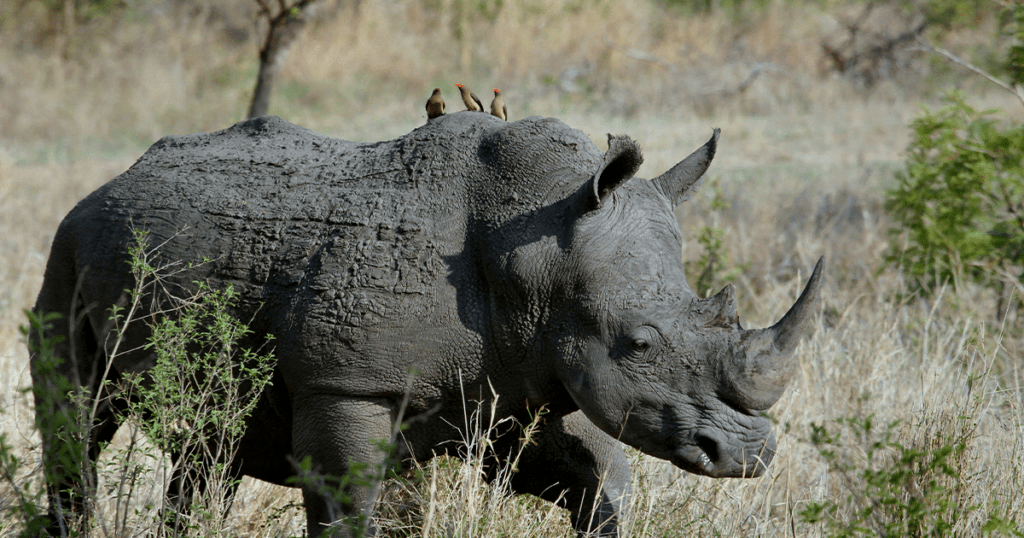
The rearrest jewels in Africa’s wildlife crown, the black rhinoceros and the white rhinoceros are the two species of rhinos. Unfortunately, poaching for their horns—which are falsely thought to have medicinal properties has led to the classification of both as endangered. They are large, lone grazers with remarkable horns and thick skin.
While white rhinos graze on broad grasslands, black rhinos are smaller and prefer to forage in thickets and woodlands. For these amazing animals to survive, conservation efforts are essential. Even from a distance, witnessing a rhino in the wild serves as a powerful reminder of the delicate balance of the natural world and the significance of safeguarding endangered species. The rare sight of these majestic rhinos is only a safari ride with us away!
Where can you find them?
Hluhluwe-iMfolozi Park (South Africa):
This UNESCO World Heritage Site is a huge success story in black rhino conservation. Despite being on the verge of extinction, black rhino populations in Hluhluwe-iMfolozi have revived because to stringent preservation efforts. Seeing a black rhino here demonstrates the power of conservation efforts.
Lewa Wildlife Conservancy (Kenya):
This private conservancy is a leader in rhino conservation, particularly for black rhinos. Lewa has a strict anti-poaching policy and actively contributes to research and breeding programs for black rhinos. Seeing a rhino here supports these vital efforts.
The Fight for Survival: Conservation Status of the Big Five
While some of the Big Five populations are showing signs of recovery, others face significant threats. Habitat loss, poaching, and human-wildlife conflict are major concerns. Responsible tourism plays a vital role in conservation efforts.
| ANIMAL | THREATS | CONSERVATION EFFORTS | ORGANISATIONS | STATISTICS |
| Lion | Habitat loss, conflict with humans, trophy hunting | Anti-poaching patrols, community outreach programs, research on lion populations | Panthera, Wildlife Conservation Society (WCS), Lion Guardians | * Less than 20,000 lions remain in Africa, a decline of over 40% in the last two decades. (Panthera) |
| African Elephant | Poaching for ivory, habitat loss, human-elephant conflict | Anti-poaching initiatives, education campaigns, research on elephant behavior and migration | International Fund for Animal Welfare (IFAW), World Wildlife Fund (WWF), African Elephant Coalition | * Around 415,000 elephants remain in Africa, but populations are declining at an alarming rate. Poaching for ivory is a major threat. (WWF) |
| Rhinoceros | Poaching for horns, habitat loss | Intensive anti-poaching patrols, rhino relocation programs, breeding programs in sanctuaries, | African Rhino Specialist Group, Black Rhino Range States Committee, Lewa Wildlife Conservancy, WWF, International Rhino Foundation (IRF), South African National Parks | * Critically endangered, with only around 5,600 black rhinos remaining. Poaching for horns used in traditional medicine is a major threat. While not critically endangered like black rhinos, white rhino populations still face threats. Around 20,000 white rhinos remain in Africa. |
| African Buffalo | Habitat loss, competition with livestock, diseases | Disease control programs, habitat restoration initiatives, monitoring populations | IUCN SSC Antelope Specialist Group, Buffalo Resource Center | While not classified as endangered, buffalo populations are impacted by habitat loss and disease. Their role in the ecosystem is crucial. (Buffalo Resource Center |
Beyond the Big Five: Other Safari Delights
While the Big Five are a major draw, Africa’s wildlife is incredibly diverse. Look out for cheetahs, giraffes, zebras, and even endangered animals like black rhinos, African wild dogs, cheetahs, different species of antelopes, and countless other fascinating creatures on your safari. If you choose to travel from July-September, you can even witness the awe-inspiring wildebeest migration in the Masai Mara, a natural spectacle unlike any other.
FAQs:
Where is the best place to see the Great Migration?
Masai Mara National Reserve (Kenya): This world-famous reserve is part of the larger Serengeti-Mara ecosystem and boasts dramatic river crossings by wildebeest during the July-October period.
Serengeti National Park (Tanzania): The vast plains of the Serengeti offer year-round opportunities to see the migration in different stages. Witnessing the calving season (January-March) or the herds grazing on the short grasses during the dry season (May-July) are incredible experiences.
How do you witness the Great Migration?
The best way to witness the Great Migration is through a guided safari tour in either the Masai Mara or Serengeti National Park, depending on the time of year you visit.
Which is better Serengeti or Masai Mara?
Both locations offer incredible opportunities to see the Great Migration, but there are some key differences:
- Serengeti: Offers a larger area to explore and the chance to see the migration year-round. You might encounter fewer crowds outside the peak season (July-October).
- Masai Mara: Smaller reserve with more concentrated wildlife viewing, especially during the dramatic river crossings. Expect higher visitor numbers during peak season.
Is seeing the Great Migration worth it?
Seeing the Great Migration is a truly unforgettable experience! Witnessing millions of animals on the move is a powerful reminder of the wonders of nature.
Ready to witness these majestic creatures yourself? Let Scarface Pride plan your safari for you!
Embark on an unforgettable African adventure and experience the thrill of spotting the Big Five in their natural habitat. Contact Scarface Pride today to start planning your dream safari and create memories that will last a lifetime.

Imagine a grassy woodland rife with its open plains and scattered trees where herds of zebras and deer are grazing the vast plains. Picture a pride of lions lurking behind bushes as they stalk their prey ever so silently—they speak of precision.
It all feels so great to visualise, right? Well, an African safari is the perfect way to turn this fantasy into a living, breathing reality. But tell us something. Would you rather experience this dreamy reality all alone or with your family?
Something tells us you want to entertain the idea of a family safari, but you are confused and unsure about whether it will really be that great.
Guess what? The answer is a resounding YES, and we are here to tell you why. Read on to learn about 12 reasons a family safari in East Africa can be your ideal great escape!
1. Make your family time an experience of a lifetime

2. Strengthen your family bonds

Let’s face the bitter truth–we don’t get much time to spend with our family nowadays. Our daily lives are full of hustle and distractions. No matter how much we want to give our best time to our loved ones, we usually get caught up with something “important.”
Going on a safari will not completely solve the problem. But it will certainly give you all enough time together, away from everyday distractions. As you indulge in the various activities together, you get more time to understand each other in new ways and strengthen your family bond unlike ever before!
3. Instil conservation ethos from a young age
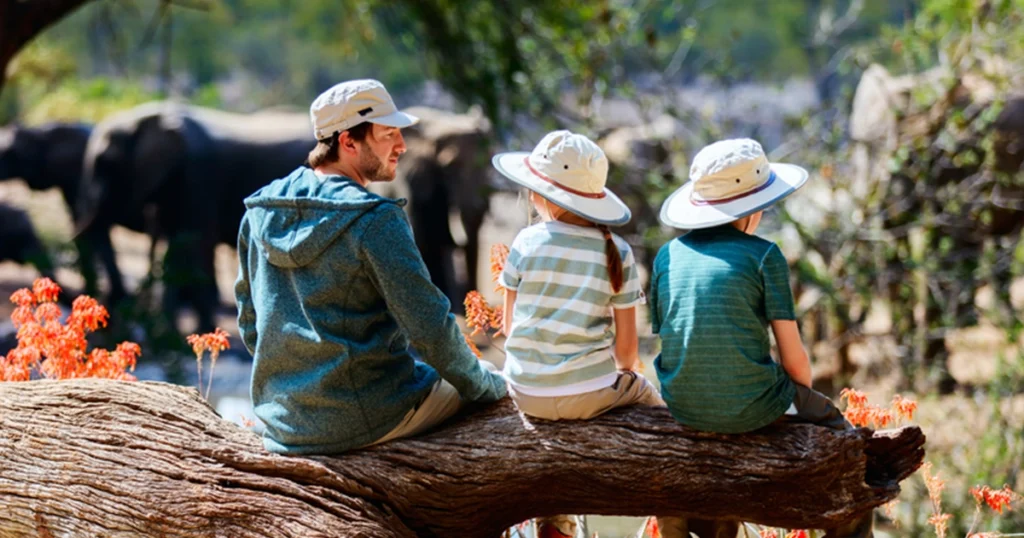
When your kids join you on a trip, they gain invaluable first-hand experience observing wildlife and natural habitats. By exposing them to the wonders of nature, you can teach them about endangered animals and the threats they face. This early exposure helps foster a deep appreciation and respect for wildlife. Children who learn about conservation from a young age are more likely to grow up with a strong environmental ethic and a commitment to protecting the planet.
By nurturing an early interest in conservation through such interactive education, you’re not only enriching their current understanding but also potentially inspiring future environmental advocates. Hands-on experiences, such as wildlife tours or nature hikes, allow children to see and understand the impact of human activity on ecosystems. Educational programs and wildlife conservation projects tailored for kids can make learning about sustainability fun and engaging, ensuring that these lessons stick with them as they grow.
4. Captivating cultural experiences for everyone

You likely think of an African safari by picturing animals going about their daily lives or the savannahs lined with broad belts of trees. However, a true African safari experience is just as much about the people and their culture as about the animals and nature.
Every member of your family can learn something from the local tribes. You can learn bits of the local Swahili language, the daily customs of the Maasai tribes, and even the local music and traditional dances. You can also visit historical sites and better understand the history of the land and the way of life.
When your kids see the animals and places from their textbooks come alive, don’t you think their curious eyes will pop out with amazement! It will be a once-in-a-lifetime experience for them, and a perfect moment for you to capture on your camera!
With so many things to learn, you don’t take home just the good memories you all spent together. You also pack some ancient African values that can improve your modern metropolitan lives!
5. Discounts for kids
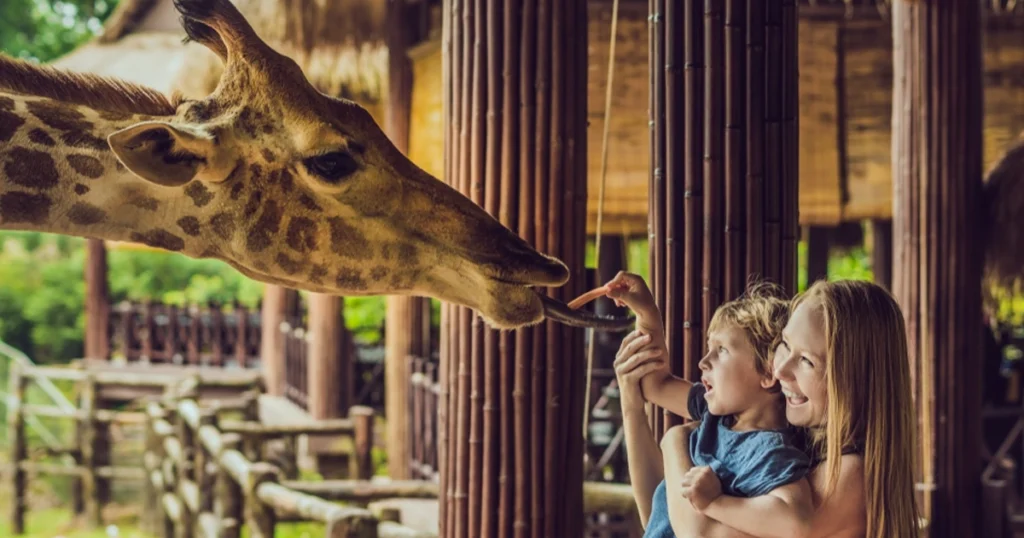
“I don’t like discounts,” said no one ever. After all, discounts can make or break deals. And when it comes to an African safari, discounts can be another reason you should take your kids with you!
Most safari packages offer discounts for pre-teen kids. If you have some young kids in the family, you can enjoy discounts at national parks, adventure activities, and, in some cases, even the entire package! So, budget concerns can no longer be a roadblock!
6. Hop on adventure activities
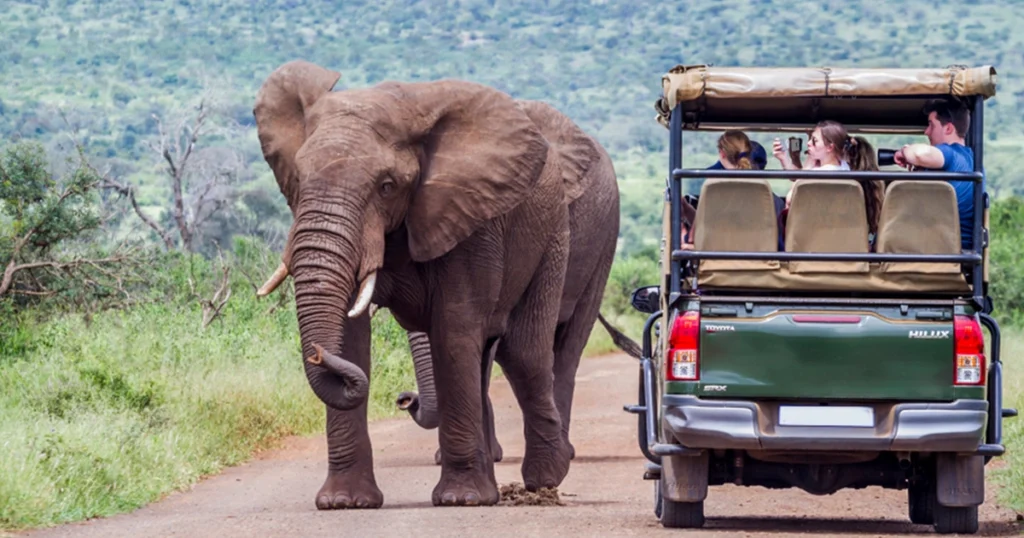
Do you know what makes a great African safari great? It’s the tons of exciting adventure activities a safari lets you be a part of. And when you have your entire family to share the fun with, “great” becomes “greatest” in no time!
Imagine the fun you’ll have helping each other hop on a camel to see the animals up close. Think of the hot-air balloon rides. You’ll peer down from your basket to see the vast stretches of little trees and animals—how your eyes will light up when you’ll look at your family and see the same excitement in their eyes!
And that’s just two things! Game drives, night safaris, birdwatching, gorilla trekking—you name it. Additionally, many conservancies in Kenya and Tanzania offer unique adventure activities specially catered to kids. For example, the Ol Pejeta Conservancy in Kenya offers fun experiences like the Young Ranger Programme or the Run with Ranger programme, where the kids can go on a 5-km run with local rangers. This is perfect for your adventurous little kids who never run out of energy!
7. One Safari to rule them all (in)
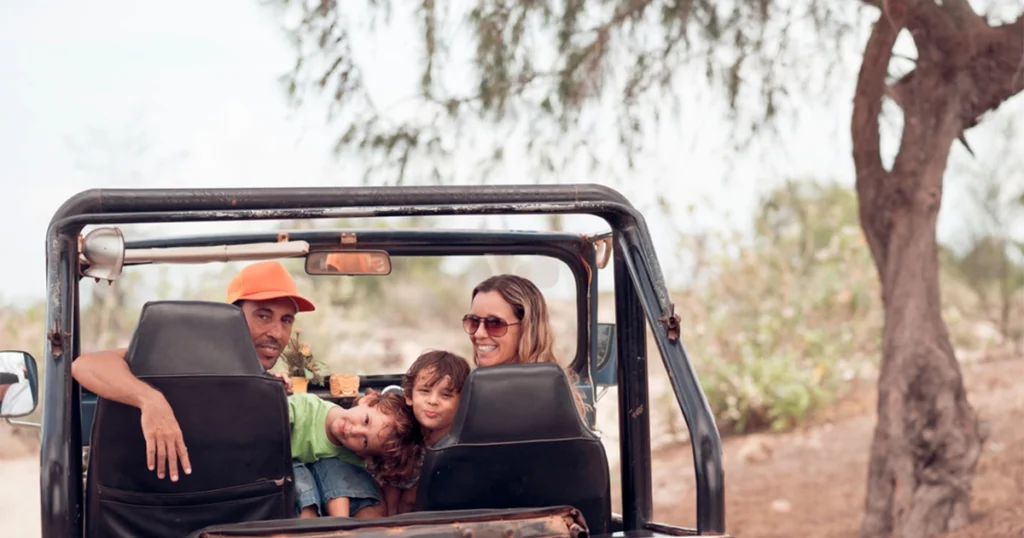
Do you love the mountains, but your partner likes the beach better? Or are you more into the savannahs and game drives while your children are crazy about trekking? Such differences in interests are common in every family. But that won’t be a problem in an African safari.
You can witness the wildebeest migration in the savannahs and also go on a guided trek of Mount Kilimanjaro your kids will love. You can bask in the sun over the white sand beaches of Mombasa with your partner and also try sport fishing in the Indian Ocean.
No matter how diverse your individual tastes are–a safari across Kenya and Tanzania can provide something for everyone!
8. Instill the love of travel in your kids
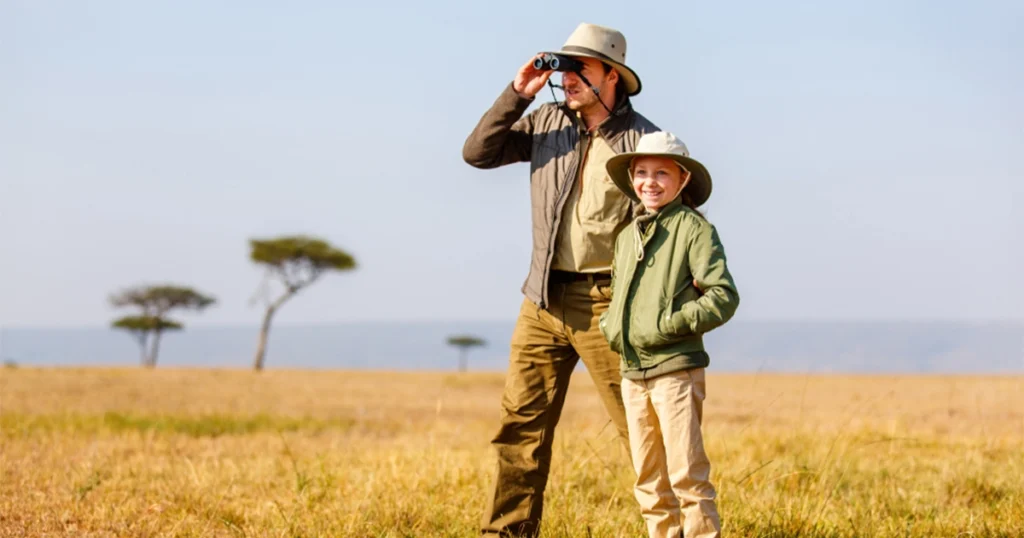
We have already told you about the different things a safari can offer to your kids. But there is something that safaris teach your kids that encompasses all else— the love for traveling and exploration.
From going on game drives and spotting the Big Five to witnessing the wildebeest migration and mingling with local communities—all of this, and more, is part of the greater value safaris offer. They make your children curious from a young age, instilling in them a love for exploration and a lust for travel!
9. Safety– check!
Safety is naturally one of the most critical concerns when traveling with family. After all, you want to ensure that your loved ones are always safe and sound.
Well, the good news is that an African safari is just as safe as enjoyable. At Scarface Pride, we ensure your safety and convenience right after you arrive at the airport. Our captains and expert guides accompany you throughout your safari experience, always taking the utmost care that you enjoy every moment while keeping trouble far away.
Hakuna Matata!
We hope we have dispelled all your doubts about family safaris. With so many great reasons worth watching out for, an East African safari can be the ultimate vacation experience for your family. We bet you don’t want to miss out on these invaluable experiences, so stop thinking and start planning your trip!
Not a great planner? No problem! At Scarface Pride, we have an expansive collection of pre-planned packages—complete with accommodation, private safari vehicles, and expert guides—curated for travel buffs like you. All you need to do is explore our packages and choose the one that fits you and your family.
What are you waiting for now? Go, get packing!
Frequently Asked Questions (FAQs)
What are the best countries to go on a safari?
Kenya, Tanzania, Botswana, South Africa, and Rwanda are some of the best countries to go on safari. But as far as East Africa is concerned, Kenya and Tanzania are the best options!
What’s the best age for kids to go on a Safari?
There is no specific age criteria for kids to go on a safari. But most tour operators and guides prefer kids to be 8 years old. However, many national reserves and lodges don’t allow children under 12 to participate in game drives and other activities. Therefore, it’s best to talk with your tour operator to learn about any potential restrictions or age requirements.
What are the accommodation options for a family Safari in East Africa?
There is no dearth of convenient, family-friendly accommodation options in East African safaris. Depending on your package and budget, you can stay in tree hotels, beach resorts, or lavish villas. You can also stay in tented camps while you are out for game sightings.
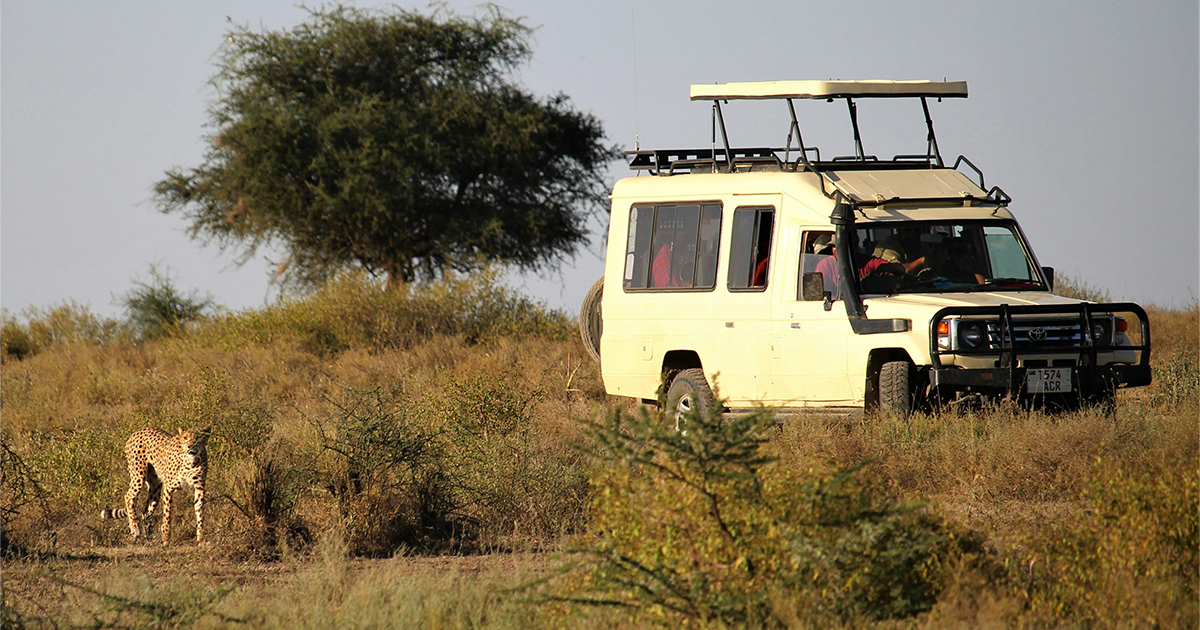
Serengeti National Park is not just a destination. It is a dreamscape where nature performs its grandest show. Stretching across golden plains, acacia dotted savannahs, rocky kopje, river valleys, and untamed wilderness, the Serengeti is Africa’s beating heart, raw, wild, and endlessly alive.
Whether you are drawn by the Great Migration, the stillness of dawn over the grasslands, the regal presence of big cats, or the rhythm of a luxury Tanzania safari, this guide will help you plan your Serengeti journey with clarity, confidence, and purpose.
Why Serengeti National Park Belongs on Every Tanzania Safari
Located in northern Tanzania, Serengeti National Park is one of Africa’s most iconic safari landscapes. It forms part of the wider Serengeti ecosystem, connecting with Ngorongoro Crater and the Masai Mara across the Kenya border.
The name Serengeti is often associated with endless plains, and that feeling is exactly what makes the park unforgettable. The horizon feels open and alive. Lions rest on kopje. Cheetahs scan the grasslands. Elephants move in slow family groups. Wildebeest, zebras, and gazelles follow ancient migration routes shaped by rain, grass, instinct, and survival.
For travelers exploring tanzania safari packages, the Serengeti offers the perfect mix of wildlife density, luxury camps, dramatic landscapes, and once in a lifetime game viewing. It can also be paired with Ngorongoro Crater, Tarangire, Lake Manyara, Mount Kilimanjaro, or Zanzibar for a complete East African journey.
Overview of Serengeti National Park
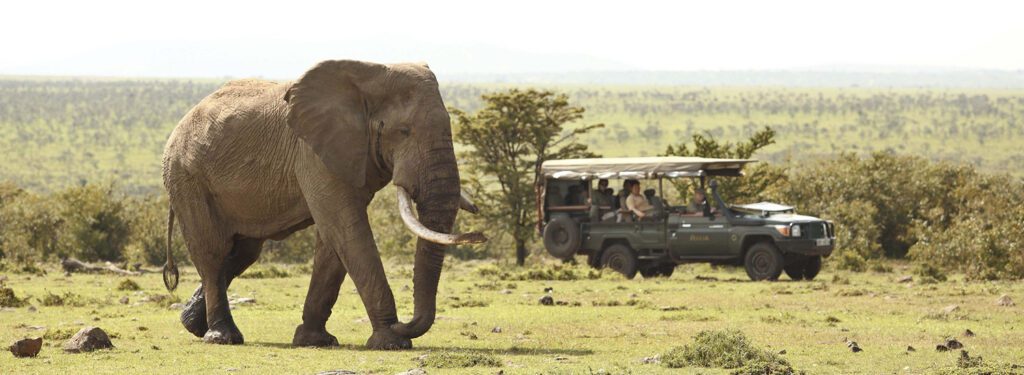
Serengeti National Park is a UNESCO World Heritage Site and one of the best protected wilderness areas in Africa. It is home to an extraordinary range of wildlife, including lions, leopards, cheetahs, elephants, buffalo, giraffes, hyenas, hippos, crocodiles, antelopes, and hundreds of bird species.
The park is most famous for the Great Migration, where huge herds of wildebeest, zebras, and gazelles move through the Serengeti and Masai Mara ecosystem in search of fresh grazing. But the Serengeti is not only about migration. It is a year round safari destination with excellent resident wildlife, especially in the Central Serengeti.
For luxury travelers, honeymooners, photographers, families, and first time safari guests, a Serengeti safari can be shaped around pace, privacy, lodge quality, wildlife interest, and season.
Best Time to Visit the Serengeti
The best time to visit Tanzania for safari depends on what you want to experience. Serengeti National Park is open throughout the year, but different months offer different safari rewards.
January to March
This is the calving season in the southern Serengeti and Ndutu region. Thousands of wildebeest calves are born, attracting lions, cheetahs, hyenas, and other predators. This is one of the best periods for predator action and emotional wildlife photography.
April to May
This is the green season. The landscapes are lush, skies are dramatic, and visitor numbers are lower. Some roads can be challenging and a few camps may close, but the scenery is beautiful and the safari experience feels quieter.
June to July
The migration usually moves through the Western Corridor and toward the north. River crossings may begin, and the dry season improves general wildlife visibility. This is a strong time for travelers looking at great migration safari packages.
August to October
This is peak season in the Northern Serengeti, especially near the Mara River. Many travelers come hoping to witness dramatic river crossings. Wildlife viewing is excellent, but early planning is important because the best camps book quickly.
November to December
The short rains return and the plains begin to refresh. The herds gradually move south again. This is a lovely period for travelers who want softer landscapes, birdlife, and fewer crowds compared to peak migration months.
Overall, the best time to visit Serengeti National Park depends on the experience you want. For the Great Migration and dramatic Mara River crossings, plan your safari between June and October. If you want to witness the calving season and exceptional predator activity, January to March is ideal. Travelers looking for lush landscapes, fewer crowds, and excellent birdwatching will enjoy the green seasons from April to May and November to December. No matter when you visit, Serengeti offers remarkable wildlife experiences throughout the year, making it one of Africa’s most rewarding safari destinations.
Understanding the Different Regions of Serengeti National Park
Choosing the right region is one of the most important parts of planning a successful Serengeti safari.
Central Serengeti
Central Serengeti, especially the Seronera Valley, is excellent for year round wildlife. It is known for lions, leopards, cheetahs, elephants, and strong general game viewing. This is a good choice for first time visitors and travelers who want reliable wildlife sightings.
Southern Serengeti and Ndutu
The southern plains and Ndutu region are best from January to March during calving season. This is one of the most dramatic times for predator action and newborn wildlife scenes.
Western Corridor
The Western Corridor is important during May and June as the migration moves through this area. The Grumeti River adds a different safari atmosphere with crocodiles, riverine forest, and seasonal crossings.
Northern Serengeti
Northern Serengeti is best from July to October for travelers hoping to see Mara River crossings. It is more remote than the central region and is ideal for a luxury serengeti safari with fewer vehicles in the right private style camps.
Eastern Serengeti
The east is quieter and less visited. It is good for travelers who want space, open landscapes, and a more private atmosphere, depending on season and access.
Best Serengeti Safari Lodges and Camps
The right lodge can transform your safari. In Serengeti National Park, location matters as much as luxury. A beautiful camp in the wrong region for your travel month may reduce your migration experience.
Some fine lodge and camp options include:
- Sayari Camp by Asilia
- Serengeti Bushtops Camp
- Lemala Kuria Hills Lodge
- Kubu Kubu Tented Lodge
- Melia Serengeti Lodge
For peak migration months, choose camps close to the movement zone. For calving season, look toward southern Serengeti and Ndutu. For year round wildlife, Central Serengeti is a strong base. Scarface Pride helps match your lodge choice with season, wildlife goal, budget range, and travel style.
How Many Days Are Ideal for a Serengeti Safari?
For most travelers, 4 to 6 days inside Serengeti National Park gives a balanced experience. This allows time for game drives, wildlife tracking, photography, lodge relaxation, and seasonal migration viewing.
A shorter 2 to 3 day Serengeti safari can work if it is part of a fly in itinerary or a compact northern Tanzania route. However, it may feel rushed.
For a richer experience, combine Serengeti with Ngorongoro Crater and Tarangire over 7 to 9 days. For travelers who want a complete East African journey, Tanzania safari and Zanzibar combinations work beautifully over 10 to 12 days.
Serengeti Safari Cost and Package Planning
Tanzania safari cost varies depending on the travel season, accommodation category, private versus shared vehicle, internal flights, park fees, and the number of destinations included. As a general guide, a mid-range Serengeti safari typically costs USD 400–700 per person per day, while a luxury Serengeti safari generally ranges from USD 800–1,500+ per person per day. Ultra-luxury camps with exclusive experiences and private guides can exceed USD 2,000 per person per day, especially during peak migration season.
A luxury Serengeti safari usually includes premium tented camps or lodges, private guiding options, full-board accommodation, daily game drives, airport transfers, and carefully planned routing. Many all-inclusive African safari packages also cover domestic flights, national park fees, selected beverages, laundry services, and optional extensions to destinations such as Zanzibar.
For a high-quality Serengeti experience, avoid choosing a safari based solely on price. The location of your camp, the expertise of your guide, the quality of the safari vehicle, and a well-planned itinerary often have a greater impact on your overall experience than selecting the lowest-priced package.
Serengeti with Ngorongoro Crater
Ngorongoro Crater is one of the best additions to a Serengeti itinerary. The crater offers a completely different safari setting, with a compact wildlife rich floor surrounded by dramatic walls.
Many Tanzania safari tours combine Serengeti National Park with Ngorongoro because the contrast is strong. Serengeti gives scale, movement, migration, and endless plains. Ngorongoro gives density, scenery, and a high chance of seeing multiple species in a short time.
For first time visitors, this combination is one of the most rewarding routes in East Africa.
Serengeti Versus Masai Mara
Serengeti and Masai Mara are part of the same greater ecosystem, but they feel different.
Serengeti National Park is larger and offers more diverse landscapes, seasonal regions, longer routes, and deep migration movement across Tanzania. Masai Mara is smaller, highly productive, and known for excellent predator viewing and dramatic river crossing scenes during migration season.
If time allows, kenya and tanzania safari packages can combine both. This creates a powerful safari journey across two countries, especially for travelers focused on the Great Migration.
Serengeti Safari and Zanzibar
A Tanzania safari and Zanzibar itinerary is one of the most elegant ways to combine wilderness and coast. After early mornings, dusty game drives, and dramatic wildlife encounters, Zanzibar offers beaches, spice farms, Stone Town, dhow sunsets, and Indian Ocean relaxation.
This combination works especially well for honeymooners, families, anniversary travelers, and guests who want a luxury African safari with a soft coastal ending.
Is Serengeti Good for Families and Honeymooners?
Yes. Serengeti National Park can be excellent for both families and honeymooners when planned correctly.
Families should choose lodges with suitable rooming, flexible meal options, child friendly guides, and safe pacing. Honeymooners may prefer intimate tented camps, private vehicles, sundowner experiences, bush dining, and a Zanzibar extension.
For couples, African safari honeymoon packages that include Serengeti, Ngorongoro, and Zanzibar can feel romantic, adventurous, and deeply memorable.
Practical Serengeti Safari Tips
Pack neutral colored clothing, comfortable layers, a warm jacket for early morning drives, sun protection, good binoculars, camera gear, and soft luggage for light aircraft if flying between camps.
Avoid overpacking. Safari days are practical and active. Comfort matters more than fashion, though luxury camps still offer refined hospitality.
Use a good camera lens if photography is important. A 100 to 400mm lens is useful for wildlife, while a 24 to 70mm lens works well for landscapes, lodges, and people.
Listen to your guide. The best guides understand animal behavior, light, tracks, and safe positioning. Their decisions often create the difference between an average sighting and an unforgettable encounter.

FAQs
1. How many days are ideal for a Serengeti safari?
Four to six days are ideal for most travelers. This gives enough time for game drives, wildlife tracking, photography, lodge relaxation, and seasonal migration viewing.
2. What is the best month to visit Serengeti National Park?
January to March is excellent for calving season, while July to October is best for Northern Serengeti and Mara River crossing possibilities. The best month depends on your safari goal.
3. Which part of Serengeti is best for the Great Migration?
Southern Serengeti and Ndutu are best for calving season from January to March. Western Corridor is important around May and June. Northern Serengeti is best from July to October for Mara River crossing possibilities.
4. Is Serengeti safe for tourists?
Yes, Serengeti is generally safe for tourists when traveling with professional safari operators, trained guides, and well managed lodges. Guests should always follow guide instructions and park rules.
5. Can Serengeti be combined with Mount Kilimanjaro?
Yes. Many travelers combine Serengeti with Mount Kilimanjaro, especially when planning a longer Tanzania adventure. The itinerary should be paced carefully to avoid fatigue.
6. What is the difference between Serengeti and Masai Mara?
Serengeti is larger, more varied, and covers a wider part of the migration route. Masai Mara is smaller but very productive for predator viewing and migration action during peak months.
7. Can I combine Serengeti with Zanzibar?
Yes. Tanzania safari and Zanzibar itineraries are very popular. They combine wildlife, luxury lodges, beach relaxation, culture, and Indian Ocean scenery.
If you are planning your 2026 African safari, make it a journey through Serengeti National Park, where adventure, peace, wildlife, and wonder come together in one unforgettable story.
Let Scarface Pride curate your Serengeti safari with the right season, route, lodge, guide, and luxury experience.
Start planning your Serengeti journey with Scarface Pride today.
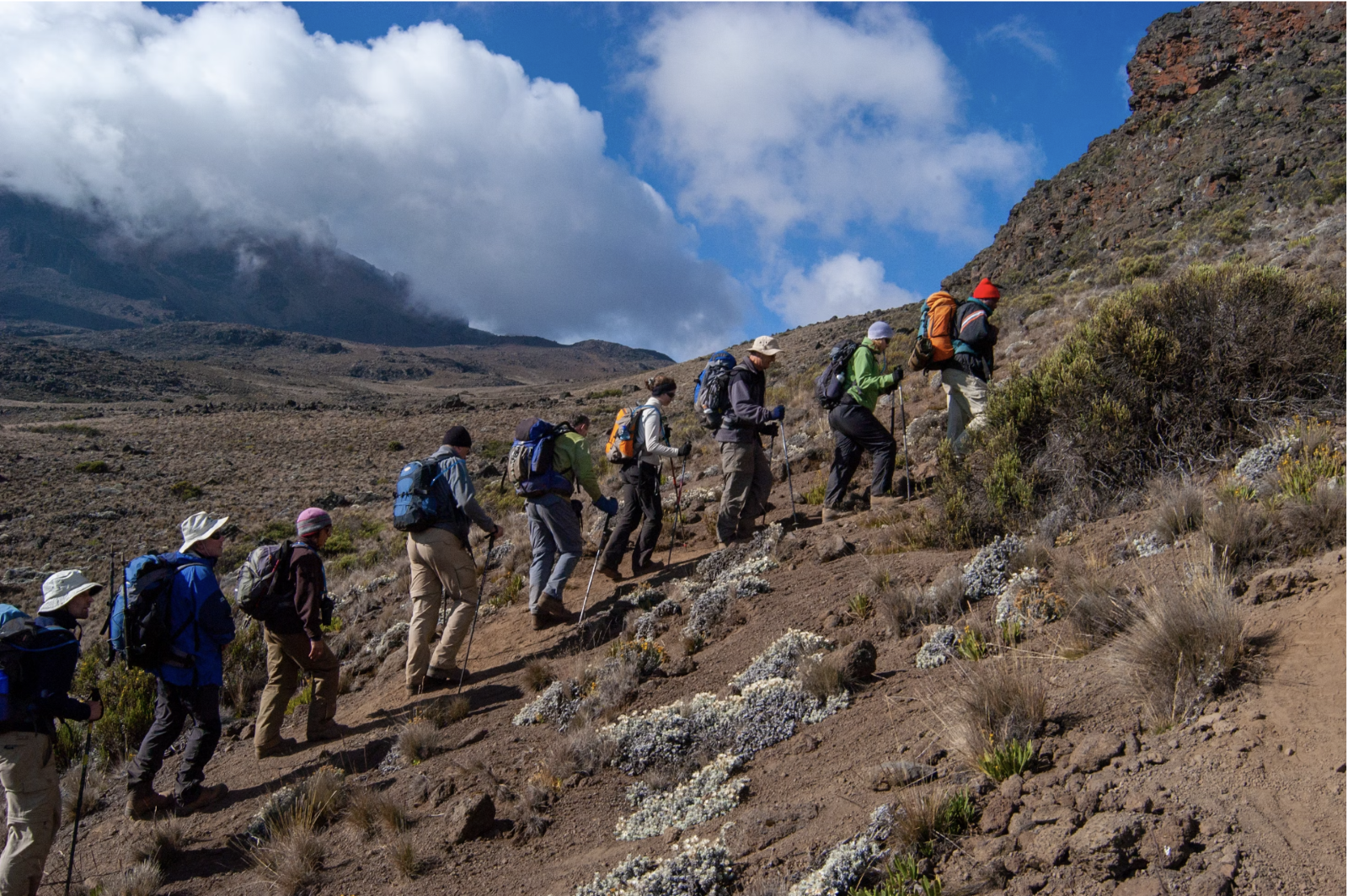
Some things are a sign from the universe. You are here because Kilimanjaro beacons you. And we are here to help you conquer this peak. This is because scaling mountains is not just a matter of physical fitness but the harmonisation of mind and body for a very distinct challenge.
Before we get into the ideal preparation for climbing Kilimanjaro, let’s get familiar with Africa’s tallest mountain located in Tanzania.
Uhuru, Kilimanjaro’s highest peak is 19.340 ft (5,895m) above sea level, located on a volcanic cone – Kibo. With the great distance it covers skywards, comes a rich diversity in its climatic range. From the base to the peak, you walk through green rainforests, muted moorlands, volcanic formations and finally, the stunning arctic summit. It also houses Africa’s tallest indigenous tree, Entandrophragma excelsum. Kilimanjaro is sacred for the local Chagga people, their relationship with the mountain is a testament to the spiritual connection between humans and nature.
Now let’s delve deeper into your pressing questions, the answers for which you were hoping to find here.
Can beginners hike Kilimanjaro?
Absolutely. Kilimanjaro is not a technical climb, the most difficult part of the trek is the altitude. All routes to the summit are walking routes only. This is a multi-day trek ranging from 5-9 days depending on you and your group’s pace. You do not need to be a professional mountaineer for this trek. But do note, children below the age of 10 are restricted from this climb.
What matters the most, beginner or not, is training. The preparation to climb Kilimanjaro can be categorised into 4 parts – Fortify, Equip, Acclimatize and Trust the Process. Let’s understand them.
How to train for climbing Mount Kilimanjaro?

- Fortify
First, we look into how to physically prepare for Mount Kilimanjaro. The first step that should not be overlooked at all is to ensure you are in optimum health by taking medical tests.
Training should begin three to four months prior to the climb. Building endurance is key – cardio exercises like running, swimming, cycling and even uphill or upstairs climbing are essentials of your workout routine, which should follow 4-5 sessions a week cycle. Simply put, focus on strengthening your core with exercises that target your lower body to help you climb better and build stamina for the strenuous last 2-3 days. Since there will be porters to carry your main backpack, focus on upper body workouts to manage carrying a small backpack with essentials required during the climb. Frequent practice hikes with packed bags are a must to stay well prepared. Finally, optimize your diet, and keep it rich in carbs, healthy fats and protein.
Along with your body, training your mind to ascend Kilimanjaro is equally important. While your body carries you, the mind is what pushes you. Your
mental strength will transcend your physical capabilities. The trick is to always focus on the goal and trust that your body will listen to you. Mentally preparing to sustain through any kind of discomfort that occurs during the trek is good practice.
- Equip
Before you get onto your flight to Tanzania:
- Ensure your visa is obtained prior to your arrival and your passport is valid for at least 6 months beyond your travel dates.
- Book trekking permits with a well-known guide company. Choose your trekking company carefully to make your experience smoother and comfortable.
- Book your travel and accommodation in advance to have more and better choices, aligned with your preferred travel dates. Note that, except for the Marangu route, you’ll be camping the entire trek.
- Being insured is critical when you go for treks, especially to higher altitudes like Kilimanjaro. Make sure to carry important documents like medical insurance and travel insurance.
What to pack for a trek to Mount Kilimanjaro?
Picking the right gear for your trek determines your comfort level.
- The temperatures vary throughout the extent of the trek so pack layers ranging from light t-shirts to warm and weather-proof clothing. Base layers should include quick dry t-shirts, and thermals – both top and bottom.
- Mid-layers will consist of fleece jackets – we recommend a zipper jacket for ease of change in varying climates. Outer layers should consist of hardshell jackets and trekking pants in case of fluctuating weather patterns. Invest in waterproof trekking shoes with ankle support and make sure to ease into them before the trek. Don’t forget to pack plenty of socks, as you’ll need frequent changes to keep dry while trekking on the glacier.
- But in any case, for trekking-specific equipment, including trekking gears, rentals are available, so you need not necessarily buy everything.
- A rucksack, down jackets, scarves, gloves, trekking poles, water bottles, hats, headlamps, heavy-duty, warm sleeping bags, power banks, a high SPF sunscreen, essential toiletries and other such creature comforts are a must-carry.
- If you love to document your experience, don’t forget a journal, a pen and a camera to take those breathtaking vistas home with you.
Which medicines should I carry?
- A fully stocked first aid kit is important. This should include antiseptic wipes or sprays, bandages of various sizes for different types of wounds, and mosquito repellents.
- Medicines according to personal requirements.
- General medication like painkillers, anti-diarrheal medicine, throat lozenges, altitude medication and anti-histamines for allergies should be kept handy.
- Diamox is a prescription medicine for altitude sickness.
- Other common hygiene essentials would include tissues, hand sanitisers, moisturisers and chapsticks. A pair of tweezers to remove splinters or thorns could be a lifesaver.
- Acclimatise
Kilimanjaro’s altitude is not to be taken lightly. Gradually acclimatising to the height can be done by replicating the ascent during training hikes. Perform small acclimatisation hikes during the trek. The best strategy to acclimatise well is to climb higher during the daytime and sleep at a lower altitude at night. Keep yourself well hydrated, adding electrolytes to the fluids you consume is recommended. Sipping water at frequent intervals rather than chugging a lot at once is more effective.
Be well versed with the symptoms of altitude sickness. Some common ones are nausea, headache, shortness of breath, dizziness and sickness. If you experience any of these symptoms, descend to a lower altitude, and continue once you feel better. While choosing your trekking company, speak to them about the route they take and make sure it’s a longer route that allows acclimatisation. Taking a shorter route can be more hazardous than it sounds. Shorter routes reduce the number of days and also the probability of a successful reach to the summit.
- Trust the process
Willpower is an essential tool in this Kilimanjaro climbing kit. Your mind can do wonders just when your body thinks you can’t go any further. Rushing to the top is never a part of trekking. You are a tiny person scaling a sky-high giant, moving at your pace and resting when needed is very important. While climbing can be a solitary activity for some, finding your companion can be helpful. It has to be someone who matches your pace. Both of you can be a source of motivation to each other. And lastly believe in yourself. Look at your thresholds as not your limits but margins you can push and bend the way you want.

How to reach Mount Kilimanjaro?
Fly to Kilimanjaro International Airport (JRO). From there, you can take a taxi, shuttle or transport arranged by your guide company to Moshi or Arusha. Your trek package will mostly include accommodation at Moshi or Arusha and your guides will lead your trek from there.
What is the best time to climb Kilimanjaro?
January to early March or June to August are the best months to climb Kilimanjaro. During these months, skies are clear and hiking conditions are optimum.
The DOs and DON’Ts!
DOs:
- Train optimally. Stick to your schedules and focus on building strength.
- Choose a reputed trekking company for a seamless climbing experience.
- Pack only the essentials. Asking yourself the ‘Do I really need this?’ question for every object will help you reduce a lot of clutter and climb lighter.
- Dispose of waste responsibly. Respecting the mountain is an important aspect of the trek. Leave only your footprints behind.
- Don’t overlook the importance of health insurance when planning your trek to Mount Kilimanjaro. Consider purchasing coverage that specifically includes trekking up to 6,000 meters. World Nomads is a reputable provider offering such coverage. Their plans typically include gear protection, emergency medical and evacuation coverage, which is crucial for remote treks like Kilimanjaro. Remember to review the policy details carefully to ensure it covers the activities you plan to undertake during your trek.
DON’Ts:
- While maintaining a positive mindset is crucial, it’s equally essential not to underestimate the challenges of the trek.
- Pay close attention to your body and don’t ignore any signs of medical discomfort during your journey.
- Don’t rush the ascent. Take your time and pace yourself accordingly to prevent altitude sickness and exhaustion.
- Don’t stray from designated paths. Listen to your guides and stick to established trails to avoid getting into hazardous terrains.
- Don’t forget to stay hydrated and don’t skip meals. Drink plenty of water, especially at higher altitudes where the air is drier.
And there you will be, atop Africa’s highest summit of its tallest free-standing mountain, connecting with something much larger than life. The trek begins with a burst of green in the lush rainforest with specks of vibrant colours of flowers and insects. The soothing birdsong welcomes you as you embark on an adventure of your lifetime. Then you reach the moorlands, peppered with afro-alpine vegetation, which melts into rocky, barren land. And after every ‘one more step’ that you push yourself to take, you reach the majestic snow-capped peak of Kilimanjaro, Uhuru. On your way up, you have conquered your fears and endured physical and mental challenges, you’ve built inner strength you never imagined you could have.
In the nights, you’ve slept under a sea of stars, you have met new parts of yourself, some are new, and some are better versions of pre-existing ones. The rite of passage to this summit will alter something very essential inside you, transforming you into a better person than the one who began the trek.
If that’s what you seek, then Kilimanjaro awaits you. Circle the dates and start your training. The extraordinary is knocking at your door.

Picture yourself watching a majestic lion as it gracefully moves through the tall grass, or seeing a herd of elephants as they go about their everyday routine. Now that’s what African Safari is all about.
You’ll see the Big Five (lion, leopard, elephant, buffalo, rhino), the great apes, the fierce predators, the unique birds, the migratory hooves, and more. All of them as close as possible, beyond your imagination. And you know what the best part is? You get to see species that are exclusive to the African savannah, including some that are about to be extinct.
From the large herds of wildebeest migrating across the Serengeti plains to predator vs prey fights, every sighting is a testament to Africa’s wildlife’s raw beauty and resilience. Whether you’re an avid nature enthusiast or a first-time safari-goer, these encounters will leave you in awe of the natural world.
Tired of the cliche destinations inundating your social media feeds? Or perhaps you’re craving for the thrill of venturing off the beaten path for your next vacation? If you’re nodding in agreement, it might be high time to contemplate adding an African safari to your travel wish list. Believe us, it’s an unparalleled experience that’s truly worthwhile.
Here are the five compelling reasons why you should add an African Safari to your bucket list and make this journey of a lifetime:
1. Witness Captivating Wildlife
Picture yourself watching a majestic lion as it gracefully moves through the tall grass, or seeing a herd of elephants as they go about their everyday routine. Now that’s what African Safari is all about.
You’ll see the Big Five (lion, leopard, elephant, buffalo, rhino), the great apes, the fierce predators, the unique birds, the migratory hooves, and more. All of them as close as possible, beyond your imagination. And you know what the best part is? You get to see species that are exclusive to the African savannah, including some that are about to be extinct.
From the large herds of wildebeest migrating across the Serengeti plains to predator vs prey fights, every sighting is a testament to Africa’s wildlife’s raw beauty and resilience. Whether you’re an avid nature enthusiast or a first-time safari-goer, these encounters will leave you in awe of the natural world.
2. Embrace Cultural Diversity

Africa is a treasure trove of culture and heritage, where every village and community you encounter is a vibrant tapestry of traditions waiting to be explored! On safaris, you’ll get the remarkable opportunity to embark on a journey that transcends mere sightseeing and delve into the heart of this African culture!
In Kenya, you can visit the Maasai village and engage in age-old customs of one of the most iconic tribes of Africa! From participating in their energetic tribal dances to learning their intricate beadwork, you can get a glimpse of their rich heritage!
Music lovers can visit Uganda and immerse into the rhythms of their Buganda culture. Attend a traditional drumming ceremony where skilled percussionists showcase their artistry and interact with local artisans who will tell you all about the techniques passed down through generations.
The three tribal communities in Rwanda will let you partake in banana beer brewing, traditional basket weaving, maize-grinding, pottery, and more!
These diverse cultural experiences offer more than just a glimpse into the past – they provide a deeper appreciation for the complexities of African identity. By engaging with indigenous communities and traditions, you’ll forge connections that surpass language barriers and foster a greater understanding of the diverse human experience.
3. Disconnect and Reconnect
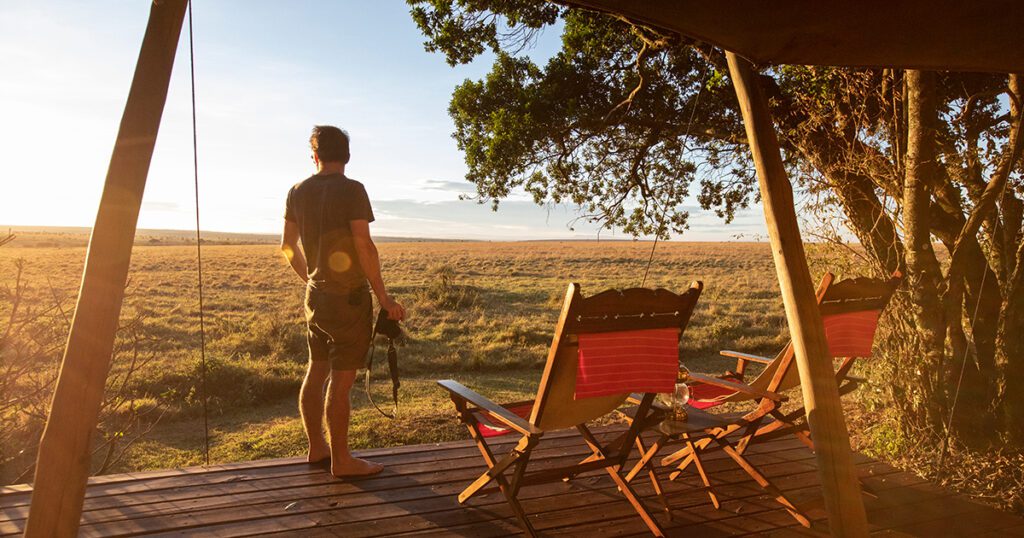
Imagine waking up to the melody of birdsong and the distant roar of lions, instead of your usual alarm clock. Stepping into frames you saw in your favourite nature documentaries seems wonderful, right? This is exactly what you’ll experience and enjoy if you decide to swap the city hustle with the magic of the wild and nature for a few days.
This experience is possible because our safari lodges and camps are nestled right in the middle of the wild, where no sighting can be missed.
Of course, then there’s the safari journey that awaits you. Throughout the day, exotic birdcalls replace the sounds of honking horns, and freely roaming animals become your neighbors. As the sun sets, painting the sky in hues of orange and pink, you realize the true essence of tranquility.
An African safari isn’t just a journey in the wild, but an extraordinary escape. From the moment you land, every sight, sound, and scent captivates you – a blissful immersion into serene landscapes, untamed wildlife, and the liberating sense of freedom that comes from disconnecting from the world.
4. Explore Natural, Historical, and Cultural Sites
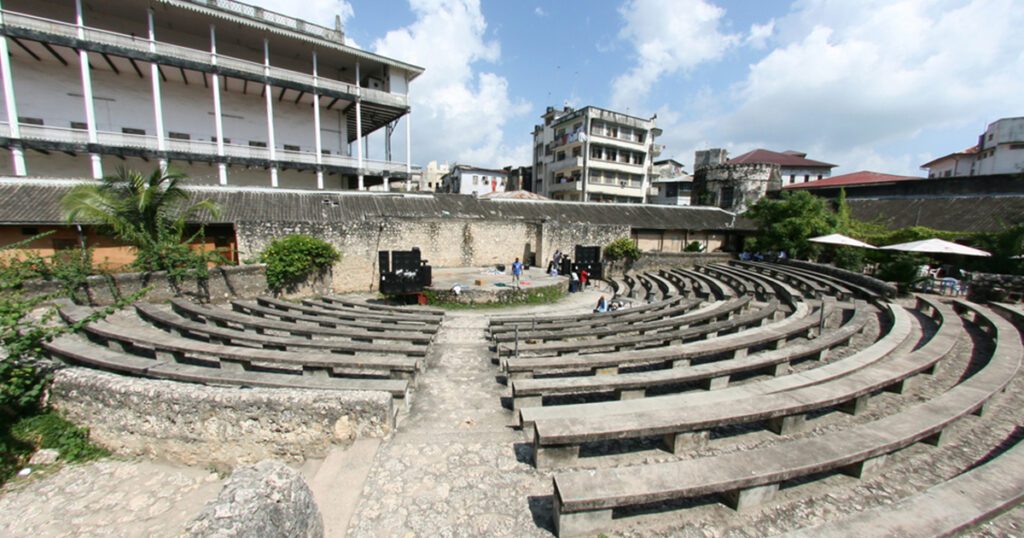
Africa is known as the “Cradle of Mankind” and features incredible historical and cultural landmarks, including many UNESCO World Heritage Sites.
Tanzania’s Stone Town, National Museum & House of Culture, Kenya’s Great Rift Valley, Lamu Old Town, and Nairobi National Museum are just a few of the beautiful historical sites.
You can enhance your experience by exploring dark tourism (visiting places historically associated with death and tragedy) in Rwanda and visiting memorial sites like Kigali Genocide Memorial, a place of remembrance of victims of the genocide against Tutsis (the second largest ethnic group in Rwanda).
Amazing mountain ranges, including the snow-capped Kilimanjaro (one of the Seven Summits), golden plains, forests, deserts, waterfalls, lagoons, rainforests, and even some of the world’s most stunning beaches can all be found there. It also boasts of Serengeti National Park, a national park that has won the World Travel Awards’ ‘Africa’s Leading National Park’ Award five years in a row, starting in 2019. African safaris will simply leave you breathless, regardless of whether you are an avid photographer or just a traveler seeking to appreciate the beauty of nature.
5. Support Wildlife Conservation And Communities
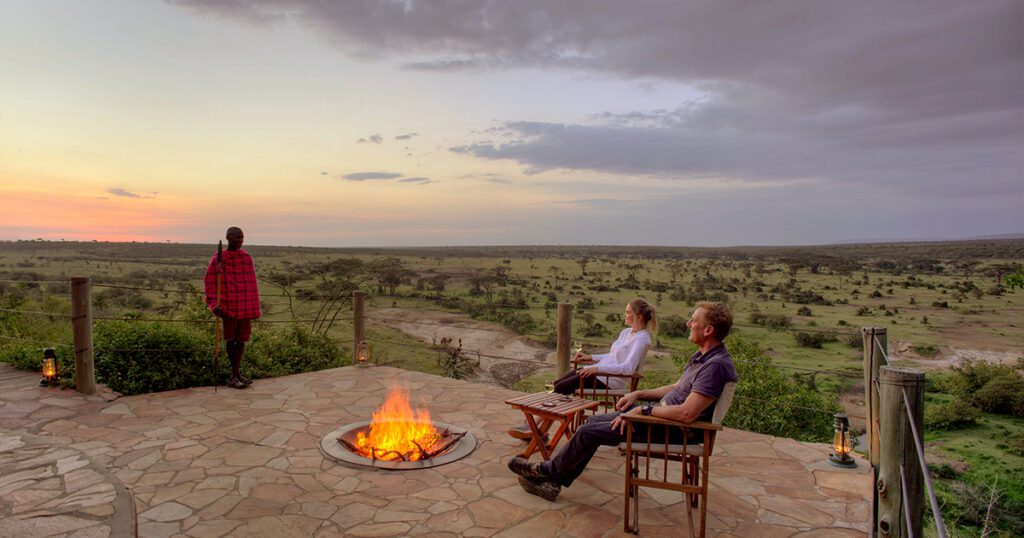
You know what’s cool about going on an African safari? It’s not merely about fulfilling a personal dream; it’s about being a part of a larger mission.
Your contribution through park fees directly aids wildlife conservation efforts and helps uplift communities. Additionally, by choosing to stay at safari lodges or camps, you’re actively supporting the livelihood of many.
At day’s end, what truly distinguishes African safaris are the stories they gift you. Each safari is a singular marvel, brimming with invaluable lessons and unforgettable moments. These are the treasures that enrich our souls, shaping our essence and reconnecting us with the awe-inspiring beauty of our world.
So, why delay? Begin crafting your African Safari plans today, assembling the pieces for an unforgettable adventure. Secure your booking with us now, and let’s turn your African safari dreams into reality. Your journey beckons—seize it with us by your side!

In January 2024, a seismic shift rippled through the wildlife conservation world as the Narok County Government of Kenya announced significant revisions to the park fees for the revered Maasai Mara Game Reserve. This decision has sparked both intrigue and apprehension among avid nature enthusiasts and prospective safari adventurers alike.
For those planning to visit the Masai Mara in 2024-2025, it’s essential to be aware of the updated entry fees and rules to ensure a smooth and enjoyable experience.
Entry Fees for 2024-2025
The Masai Mara National Reserve has updated its entry fees, effective from January 1, 2024. These fees vary depending on the time of year, visitor’s nationality, and age group.
Previously, visitors were accustomed to a standard park fee of USD 80 per day, regardless of the season. However, the latest adjustments now introduce a dynamic pricing structure, with non-resident adults facing a staggering 2.5x increase during peak seasons. This means that instead of the familiar USD 80, visitors will now encounter varying rates depending on the month of their visit.
January – June
- Foreign Non-Residents:
- Adults: $100 per person per day
- Children (3-12 years): $50 per person per day
- Students: $50 per person per day
- East African Residents:
- Adults: 4,500 KSH per person per day
- Children: 2,000 KSH per person per day
- Students: 2,000 KSH per person per day
- Kenyan Citizens:
- Adults: 3,000 KSH per person per day
- Children: 1,000 KSH per person per day
- Students: 1,000 KSH per person per day
- Narok Residents:
- Adults: 2,000 KSH per person per day
- Children (above 10 years): 500 KSH per person per day
- Children (below 10 years): Free
July – December
- Foreign Non-Residents:
- Adults: $200 per person per day
- Children (3-12 years): $50 per person per day
- Students: $50 per person per day
- East African Residents:
- Adults: 4,500 KSH per person per day
- Children: 2,000 KSH per person per day
- Students: 2,000 KSH per person per day
- Kenyan Citizens:
- Adults: 3,000 KSH per person per day
- Children: 1,000 KSH per person per day
- Students: 1,000 KSH per person per day
- Narok Residents:
- Adults: 2,000 KSH per person per day
- Children (above 10 years): 500 KSH per person per day
- Children (below 10 years): Free
Vehicle Entry Fees
Vehicles entering the Masai Mara National Reserve are subject to entry fees based on their seating capacity:
- Vehicles with less than 6 seats: 500 KSH per day
- Vehicles with 6-12 seats: 1,000 KSH per day
- Vehicles with 12-24 seats: 3,000 KSH per day
- Vehicles with 25-44 seats: 4,000 KSH per day
Balloon Services Fees
For those interested in experiencing the Masai Mara from above, the following balloon services fees apply:
- Annual balloon operational permits: 300,000 KSH
- Single landing fees for adults: $80 per person
- Single landing fees for children: $35 per person
However, the revisions don’t stop there. Beyond these fees, visitors must also navigate additional charges imposed by lodges within the reserve. These supplementary fees, ranging from $25 to $80 per adult, vary based on the lodge’s location within the park.
The implications of these changes extend beyond mere financial considerations, touching upon broader themes of accessibility, conservation, and the future of sustainable tourism in the region. There have been discussions regarding the fear that these exorbitant prices might dissuade tourists from visiting Kenya and shift them to more economical alternatives like Tanzania. But in fact, this development is precisely to create an opposite reality. A reality that hinges stronger than before on the protection and prosperity of their present.
As one of the leading safari tour operators in East Africa, we not only understand their intent, but also embrace it wholeheartedly. Here’s why.
Africa’s natural wealth is under threat:
Africa, a continent that has the world’s most biodiverse regions, including 8 of the 36 recognised global biodiversity hotspots, has lost 70% of their primary vegetation. Additionally, the forests on the East African coasts are currently one of the ten most threatened biodiversity hotspots in the world.
It’s an alarming fact that Africa is aware of, and has been taking measures to conserve biodiversity, reduce the loss of species, and slow down ecosystem degradation. It is also committed to fulfilling United Nation’s Global Biodiversity Framework’s 30 by 30 goal, which aims to conserve at least 30% of biodiversity regions and ecosystem services by 2030.
Yet the impact of their efforts has not been able to match this goal, and a lot of variables will have to fall in place to make this happen. These include, sufficient financial resources, easily accessible global funding, adequate resources for biodiversity conservation, and a lot more that is beyond the scope of this blog post.
To put things into perspective and showcase the grave reality, achieving the 30 by 30 goal would require around US $20 – $25 billion. US $20 – $25 billion.
While the revenue generated by the recent adjustment in entry fees may not reach the staggering amount required, it can be undoubtedly channelled to bolster their efforts to conserve their biodiversity.
Conservation of forests and the wildlife
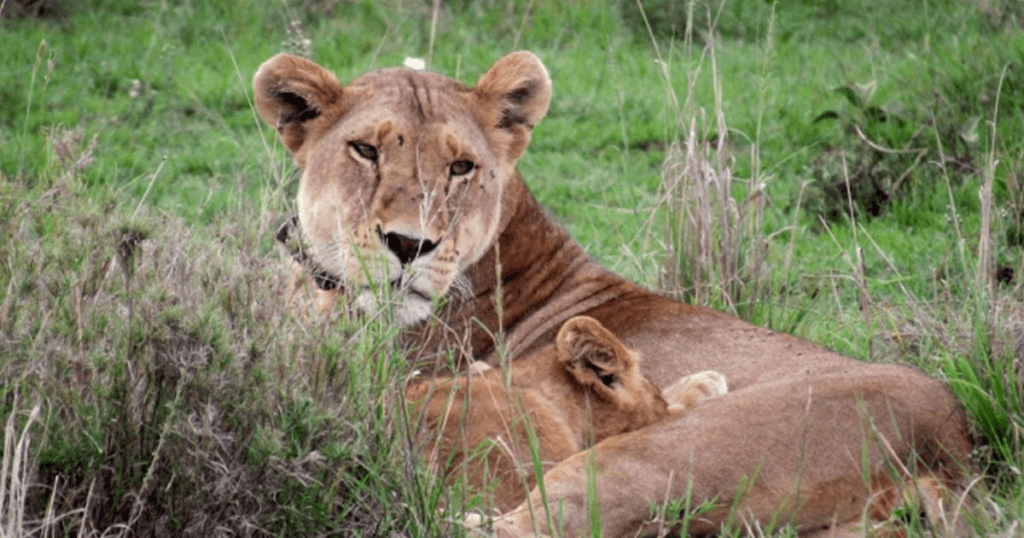
Imagine stepping into a conservancy, filled with anticipation for the wild wonders that await – from heart-pounding lion chases to heartwarming scenes of motherly care to baby elephants. But you come back with no such moments to boast about, not because that’s the unpredictable nature of safaris, but because there’s scarcity of species to see. Even the thought of their absence sounds sad and scary, right?
Unfortunately, the same wildlife species that draw travellers across the globe to Africa are in danger. The reasons range from human-inflicted harm to dwindling natural habitats. That’s why the continent, including Kenya Wildlife Services, has always been at the forefront of wildlife conservation initiatives. Their committed endeavours include combating poaching, rehabilitating habitats, reintroducing species, protecting the endangered species, and more.
Currently, the only crucial difference is, the urgency with which they need support to accelerate these efforts is at an all-time high.
The increased monetary support will help them to invest in activities that require the most attention. The scale, scope, and impact of their efforts can be amplified to give Africa’s wildlife the present and the future they deserve.
Empowerment of local communities

Think about any safari you’ve been on, and you’ll realise, the experience is only complete with the inclusion of local communities. They’re indispensable, thanks to the easy access they offer to their firsthand knowledge and culture. That’s why it’s crucial to invest in their well-being and offer monetary recognition for their efforts.
The best part is, investing in their welfare delivers dual results. The first one being an upgrade in their lifestyle. The second one being their continued role as invaluable guides for tourists.
Africa has long recognised the benefits of Payments Ecosystem Services (compensating the owners/custodians of land for providing environmental services to ensure the benefits continue) for countries like Kenya, Tanzania, and more. The increase in park fees could aid in using PES as a tool to protect ecosystems in Africa, echoing the opportunity identified by the African Developed Bank a decade ago. Furthermore, the money can be reinvested in community projects for those residing nearby.
In essence, one safari journey of yours has the potential to enrich the lives of many people, creating a ripple effect of positive changes for years to come.
Richer travel experience
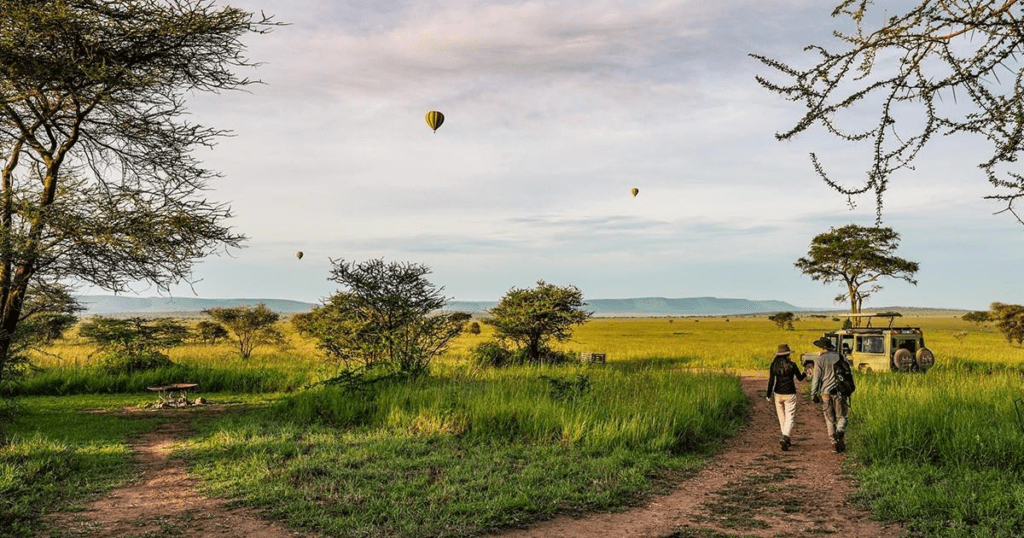
Have you wondered how amazing it would be to visit iconic parks like The Maasai Mara National Reserve during the peak season with only a few vehicles around?
One of the most beneficial outcomes of the adjustment in park fees, especially for tourists is exactly this – the prospect of fewer people around you. You’ll enjoy unprecedented access to wildlife sightings, typically reserved for the quieter times of the year. Anyone who has been there during the peak season knows this is a rarity!
Along with helping you have fulfilling safari encounters; it also reduces the strain on delicate ecosystems. Moreover, the additional funds will lead to an upgrade in park infrastructure, thereby enhancing visitor experiences.
Unsurprisingly, this change has a profound psychological impact too. The heightened fee signifies their unwavering commitment to protect their ecosystems, and the tourists who visit the parks showcase their respect towards the conservation efforts. So naturally the visitor demographic will be eco-conscious, united by their dedication to responsible tourism. Picture yourself travelling with these like-minded tourists. Meeting them and going back home taking new meaningful friendships is going to elevate your safari experience even more!
How beautiful is this fact that you get to experience a safari like never before, all while contributing to the preservation of their unique ecosystem!
Planning Your Visit to the Masai Mara National Reserve
When preparing for a trip to the Masai Mara National Reserve, it’s essential to familiarize yourself with the entry fees and regulations. This renowned reserve provides an unparalleled opportunity to witness the beauty and diversity of African wildlife in its natural habitat. However, adhering to the rules and guidelines is vital to preserving this natural wonder for future generations.
Rules and Regulations
- Speed Limits:
- Maintain a speed of 50 km/h on graded roads.
- Limit your speed to 30 km/h on other roads.
- Wildlife Interaction:
- Always reduce speed when approaching animals.
- Off-track driving is forbidden, especially in High Use and River Zones.
- Driving off-road is allowed only in Low Use Zones for big cat sightings.
- Keep at least 25 meters away from animals.
- Avoid making noise; do not shout, clap, cheer, or hoot.
- Vehicle Conduct:
- Refrain from sitting or standing on vehicle roofs.
- A maximum of 5 vehicles is permitted at any wildlife sighting. If there are more than 5 vehicles, viewing time is restricted to 10 minutes, and any waiting vehicles must stay 100 meters away.
- Migration Crossings:
- Do not leave your vehicle at river crossing points during the migration.
- Avoid driving through migrating herds.
- Border and Behavior:
- Do not cross the border into Tanzania.
- Do not chase, follow, or disturb animals.
- Dispose of litter properly; littering is strictly forbidden.
- Park Hours:
- Entry and exit are only allowed between 7 AM and 7 PM.
By understanding and following these guidelines, you contribute to the conservation efforts of the Masai Mara National Reserve. Your cooperation helps maintain the reserve’s ecological balance, ensuring that its natural beauty and diverse wildlife can be enjoyed by future generations. Prepare thoroughly, respect the rules, and enjoy an unforgettable safari experience in one of Africa’s most iconic landscapes.
In Conclusion
In conclusion, Scarface Pride staunchly supports the recent hike in park fees at the Maasai Mara Game Reserve and other Kenya Wildlife Services (KWS) managed parks. Despite its initial appearance as a deterrent for tourists, this measure is viewed as a crucial step towards safeguarding Africa’s natural wealth and biodiversity. The increase in fees serves as more than a revenue-generating tactic; it is a strategic move aimed at bolstering conservation efforts, protecting endangered wildlife, and empowering local communities. With vital financial resources provided, these initiatives can be amplified to achieve ambitious conservation goals and ensure the preservation of Africa’s ecosystems for future generations.
Furthermore, the adjustment in park fees not only enhances the travel experience for tourists by offering fewer crowds and improved wildlife sightings but also signifies a shared commitment to responsible tourism and environmental stewardship. Scarface Pride believes that The Masai Mara National Reserve continues to be a premier destination for wildlife enthusiasts and travellers seeking an unforgettable