
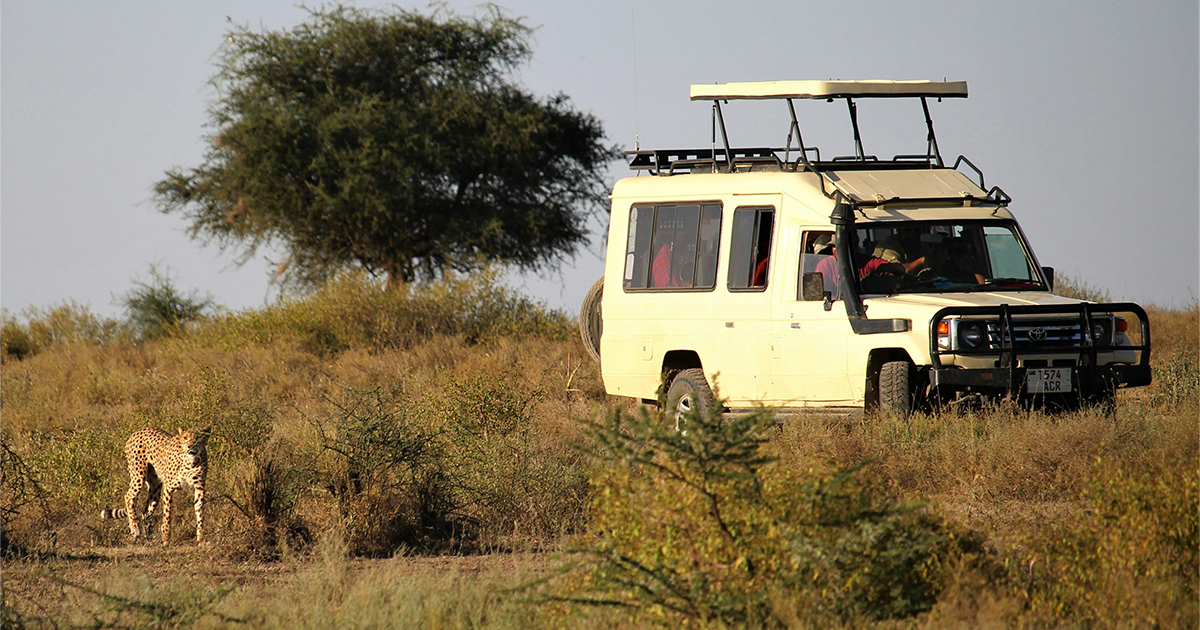
Serengeti National Park is not just a destination. It is a dreamscape where nature performs its grandest show. Stretching across golden plains, acacia dotted savannahs, rocky kopje, river valleys, and untamed wilderness, the Serengeti is Africa’s beating heart, raw, wild, and endlessly alive.
Whether you are drawn by the Great Migration, the stillness of dawn over the grasslands, the regal presence of big cats, or the rhythm of a luxury Tanzania safari, this guide will help you plan your Serengeti journey with clarity, confidence, and purpose.
Why Serengeti National Park Belongs on Every Tanzania Safari
Located in northern Tanzania, Serengeti National Park is one of Africa’s most iconic safari landscapes. It forms part of the wider Serengeti ecosystem, connecting with Ngorongoro Crater and the Masai Mara across the Kenya border.
The name Serengeti is often associated with endless plains, and that feeling is exactly what makes the park unforgettable. The horizon feels open and alive. Lions rest on kopje. Cheetahs scan the grasslands. Elephants move in slow family groups. Wildebeest, zebras, and gazelles follow ancient migration routes shaped by rain, grass, instinct, and survival.
For travelers exploring tanzania safari packages, the Serengeti offers the perfect mix of wildlife density, luxury camps, dramatic landscapes, and once in a lifetime game viewing. It can also be paired with Ngorongoro Crater, Tarangire, Lake Manyara, Mount Kilimanjaro, or Zanzibar for a complete East African journey.
Overview of Serengeti National Park
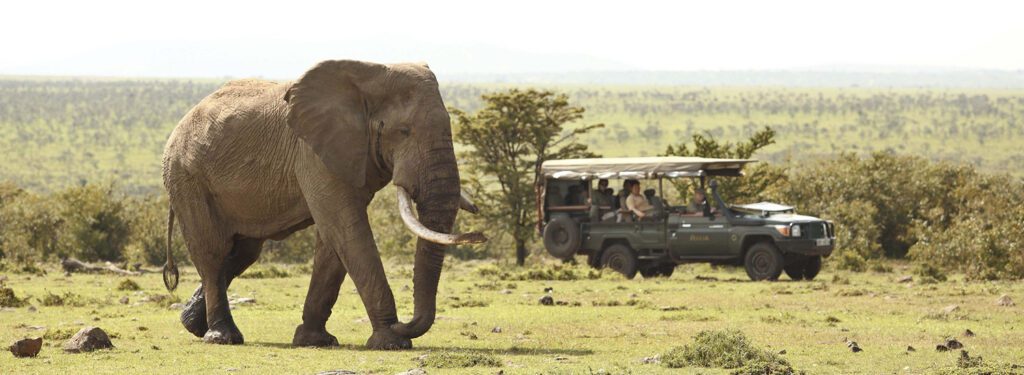
Serengeti National Park is a UNESCO World Heritage Site and one of the best protected wilderness areas in Africa. It is home to an extraordinary range of wildlife, including lions, leopards, cheetahs, elephants, buffalo, giraffes, hyenas, hippos, crocodiles, antelopes, and hundreds of bird species.
The park is most famous for the Great Migration, where huge herds of wildebeest, zebras, and gazelles move through the Serengeti and Masai Mara ecosystem in search of fresh grazing. But the Serengeti is not only about migration. It is a year round safari destination with excellent resident wildlife, especially in the Central Serengeti.
For luxury travelers, honeymooners, photographers, families, and first time safari guests, a Serengeti safari can be shaped around pace, privacy, lodge quality, wildlife interest, and season.
Best Time to Visit the Serengeti
The best time to visit Tanzania for safari depends on what you want to experience. Serengeti National Park is open throughout the year, but different months offer different safari rewards.
January to March
This is the calving season in the southern Serengeti and Ndutu region. Thousands of wildebeest calves are born, attracting lions, cheetahs, hyenas, and other predators. This is one of the best periods for predator action and emotional wildlife photography.
April to May
This is the green season. The landscapes are lush, skies are dramatic, and visitor numbers are lower. Some roads can be challenging and a few camps may close, but the scenery is beautiful and the safari experience feels quieter.
June to July
The migration usually moves through the Western Corridor and toward the north. River crossings may begin, and the dry season improves general wildlife visibility. This is a strong time for travelers looking at great migration safari packages.
August to October
This is peak season in the Northern Serengeti, especially near the Mara River. Many travelers come hoping to witness dramatic river crossings. Wildlife viewing is excellent, but early planning is important because the best camps book quickly.
November to December
The short rains return and the plains begin to refresh. The herds gradually move south again. This is a lovely period for travelers who want softer landscapes, birdlife, and fewer crowds compared to peak migration months.
Overall, the best time to visit Serengeti National Park depends on the experience you want. For the Great Migration and dramatic Mara River crossings, plan your safari between June and October. If you want to witness the calving season and exceptional predator activity, January to March is ideal. Travelers looking for lush landscapes, fewer crowds, and excellent birdwatching will enjoy the green seasons from April to May and November to December. No matter when you visit, Serengeti offers remarkable wildlife experiences throughout the year, making it one of Africa’s most rewarding safari destinations.
Understanding the Different Regions of Serengeti National Park
Choosing the right region is one of the most important parts of planning a successful Serengeti safari.
Central Serengeti
Central Serengeti, especially the Seronera Valley, is excellent for year round wildlife. It is known for lions, leopards, cheetahs, elephants, and strong general game viewing. This is a good choice for first time visitors and travelers who want reliable wildlife sightings.
Southern Serengeti and Ndutu
The southern plains and Ndutu region are best from January to March during calving season. This is one of the most dramatic times for predator action and newborn wildlife scenes.
Western Corridor
The Western Corridor is important during May and June as the migration moves through this area. The Grumeti River adds a different safari atmosphere with crocodiles, riverine forest, and seasonal crossings.
Northern Serengeti
Northern Serengeti is best from July to October for travelers hoping to see Mara River crossings. It is more remote than the central region and is ideal for a luxury serengeti safari with fewer vehicles in the right private style camps.
Eastern Serengeti
The east is quieter and less visited. It is good for travelers who want space, open landscapes, and a more private atmosphere, depending on season and access.
Best Serengeti Safari Lodges and Camps
The right lodge can transform your safari. In Serengeti National Park, location matters as much as luxury. A beautiful camp in the wrong region for your travel month may reduce your migration experience.
Some fine lodge and camp options include:
- Sayari Camp by Asilia
- Serengeti Bushtops Camp
- Lemala Kuria Hills Lodge
- Kubu Kubu Tented Lodge
- Melia Serengeti Lodge
For peak migration months, choose camps close to the movement zone. For calving season, look toward southern Serengeti and Ndutu. For year round wildlife, Central Serengeti is a strong base. Scarface Pride helps match your lodge choice with season, wildlife goal, budget range, and travel style.
How Many Days Are Ideal for a Serengeti Safari?
For most travelers, 4 to 6 days inside Serengeti National Park gives a balanced experience. This allows time for game drives, wildlife tracking, photography, lodge relaxation, and seasonal migration viewing.
A shorter 2 to 3 day Serengeti safari can work if it is part of a fly in itinerary or a compact northern Tanzania route. However, it may feel rushed.
For a richer experience, combine Serengeti with Ngorongoro Crater and Tarangire over 7 to 9 days. For travelers who want a complete East African journey, Tanzania safari and Zanzibar combinations work beautifully over 10 to 12 days.
Serengeti Safari Cost and Package Planning
Tanzania safari cost varies depending on the travel season, accommodation category, private versus shared vehicle, internal flights, park fees, and the number of destinations included. As a general guide, a mid-range Serengeti safari typically costs USD 400–700 per person per day, while a luxury Serengeti safari generally ranges from USD 800–1,500+ per person per day. Ultra-luxury camps with exclusive experiences and private guides can exceed USD 2,000 per person per day, especially during peak migration season.
A luxury Serengeti safari usually includes premium tented camps or lodges, private guiding options, full-board accommodation, daily game drives, airport transfers, and carefully planned routing. Many all-inclusive African safari packages also cover domestic flights, national park fees, selected beverages, laundry services, and optional extensions to destinations such as Zanzibar.
For a high-quality Serengeti experience, avoid choosing a safari based solely on price. The location of your camp, the expertise of your guide, the quality of the safari vehicle, and a well-planned itinerary often have a greater impact on your overall experience than selecting the lowest-priced package.
Serengeti with Ngorongoro Crater
Ngorongoro Crater is one of the best additions to a Serengeti itinerary. The crater offers a completely different safari setting, with a compact wildlife rich floor surrounded by dramatic walls.
Many Tanzania safari tours combine Serengeti National Park with Ngorongoro because the contrast is strong. Serengeti gives scale, movement, migration, and endless plains. Ngorongoro gives density, scenery, and a high chance of seeing multiple species in a short time.
For first time visitors, this combination is one of the most rewarding routes in East Africa.
Serengeti Versus Masai Mara
Serengeti and Masai Mara are part of the same greater ecosystem, but they feel different.
Serengeti National Park is larger and offers more diverse landscapes, seasonal regions, longer routes, and deep migration movement across Tanzania. Masai Mara is smaller, highly productive, and known for excellent predator viewing and dramatic river crossing scenes during migration season.
If time allows, kenya and tanzania safari packages can combine both. This creates a powerful safari journey across two countries, especially for travelers focused on the Great Migration.
Serengeti Safari and Zanzibar
A Tanzania safari and Zanzibar itinerary is one of the most elegant ways to combine wilderness and coast. After early mornings, dusty game drives, and dramatic wildlife encounters, Zanzibar offers beaches, spice farms, Stone Town, dhow sunsets, and Indian Ocean relaxation.
This combination works especially well for honeymooners, families, anniversary travelers, and guests who want a luxury African safari with a soft coastal ending.
Is Serengeti Good for Families and Honeymooners?
Yes. Serengeti National Park can be excellent for both families and honeymooners when planned correctly.
Families should choose lodges with suitable rooming, flexible meal options, child friendly guides, and safe pacing. Honeymooners may prefer intimate tented camps, private vehicles, sundowner experiences, bush dining, and a Zanzibar extension.
For couples, African safari honeymoon packages that include Serengeti, Ngorongoro, and Zanzibar can feel romantic, adventurous, and deeply memorable.
Practical Serengeti Safari Tips
Pack neutral colored clothing, comfortable layers, a warm jacket for early morning drives, sun protection, good binoculars, camera gear, and soft luggage for light aircraft if flying between camps.
Avoid overpacking. Safari days are practical and active. Comfort matters more than fashion, though luxury camps still offer refined hospitality.
Use a good camera lens if photography is important. A 100 to 400mm lens is useful for wildlife, while a 24 to 70mm lens works well for landscapes, lodges, and people.
Listen to your guide. The best guides understand animal behavior, light, tracks, and safe positioning. Their decisions often create the difference between an average sighting and an unforgettable encounter.

FAQs
1. How many days are ideal for a Serengeti safari?
Four to six days are ideal for most travelers. This gives enough time for game drives, wildlife tracking, photography, lodge relaxation, and seasonal migration viewing.
2. What is the best month to visit Serengeti National Park?
January to March is excellent for calving season, while July to October is best for Northern Serengeti and Mara River crossing possibilities. The best month depends on your safari goal.
3. Which part of Serengeti is best for the Great Migration?
Southern Serengeti and Ndutu are best for calving season from January to March. Western Corridor is important around May and June. Northern Serengeti is best from July to October for Mara River crossing possibilities.
4. Is Serengeti safe for tourists?
Yes, Serengeti is generally safe for tourists when traveling with professional safari operators, trained guides, and well managed lodges. Guests should always follow guide instructions and park rules.
5. Can Serengeti be combined with Mount Kilimanjaro?
Yes. Many travelers combine Serengeti with Mount Kilimanjaro, especially when planning a longer Tanzania adventure. The itinerary should be paced carefully to avoid fatigue.
6. What is the difference between Serengeti and Masai Mara?
Serengeti is larger, more varied, and covers a wider part of the migration route. Masai Mara is smaller but very productive for predator viewing and migration action during peak months.
7. Can I combine Serengeti with Zanzibar?
Yes. Tanzania safari and Zanzibar itineraries are very popular. They combine wildlife, luxury lodges, beach relaxation, culture, and Indian Ocean scenery.
If you are planning your 2026 African safari, make it a journey through Serengeti National Park, where adventure, peace, wildlife, and wonder come together in one unforgettable story.
Let Scarface Pride curate your Serengeti safari with the right season, route, lodge, guide, and luxury experience.
Start planning your Serengeti journey with Scarface Pride today.