
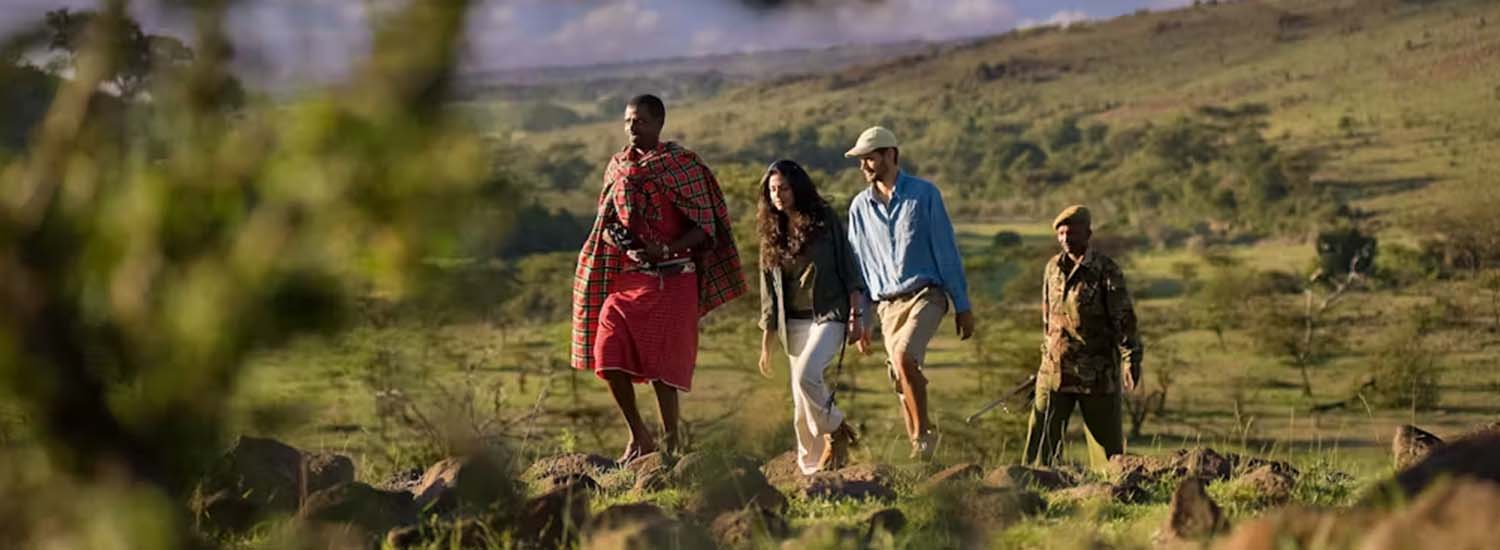
A great safari isn’t just about being in the right park at the right time.
It’s about being with the right guide.
In the vast wilderness of East Africa, where grasslands stretch endlessly and wildlife moves with nature’s quiet rhythm, expert safari guides are the true architects of every magical sighting. Whether it’s spotting a leopard draped over a tree branch or predicting where a lion pride will settle at sunset, these moments aren’t luck. They’re skill, intuition, and years of experience coming together.
So, how do expert safari guides track wildlife with such precision?
Here’s an inside look into the art and science behind unforgettable safaris.
1. Reading Tracks: Nature’s Silent Footprints
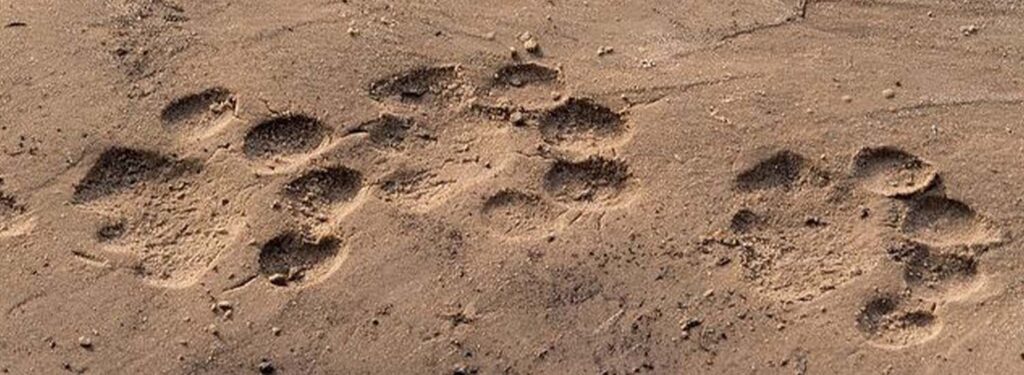
Tracking begins long before you spot an animal.
Guides study footprints, drag marks, scat, broken twigs, and even dust movement to interpret wildlife behaviour.
A fresh lion print vs. an hours-old one?
An experienced guide can tell instantly and that accuracy decides whether you meet the pride or not.
Elephant tracks indicate direction and mood.
Hyena prints reveal pack movement.
Hoof marks show migration routes.
Every imprint tells a story and a good guide knows how to read it.
2. Understanding Animal Behaviour
Animals often follow patterns, and guides study these over years.
- Leopards prefer tree cover and rocky outcrops.
- Lions return to the same territories and water points.
- Cheetahs choose open plains for hunting.
- Elephants move along seasonal routes for food and water.
This deep behavioural knowledge lets guides predict where animals will be, not just where they were.
3. Mastering Sounds and Silence
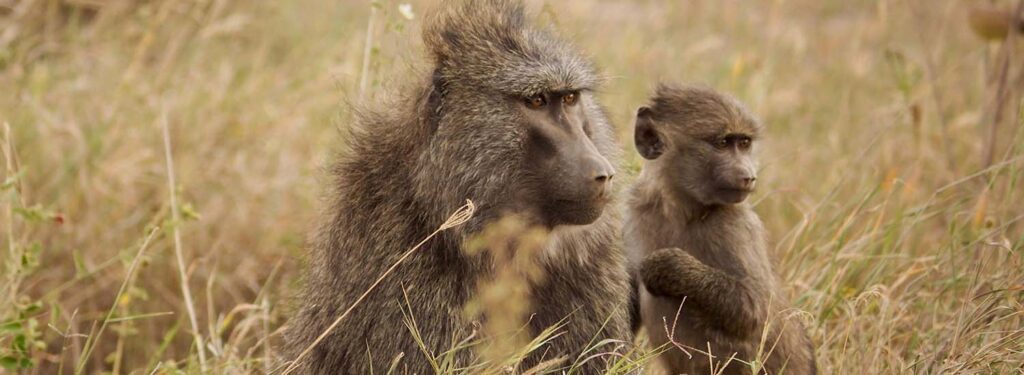
The bush is full of signals, some loud, many subtle.
Guides listen to alarm calls from impalas, baboons, or birds that indicate a predator nearby.
Even the sudden silence of the grassland can mean danger is passing through.
To an untrained ear, it’s just noise or quiet.
To a guide, it’s communication.
4. Using Landscape Cues
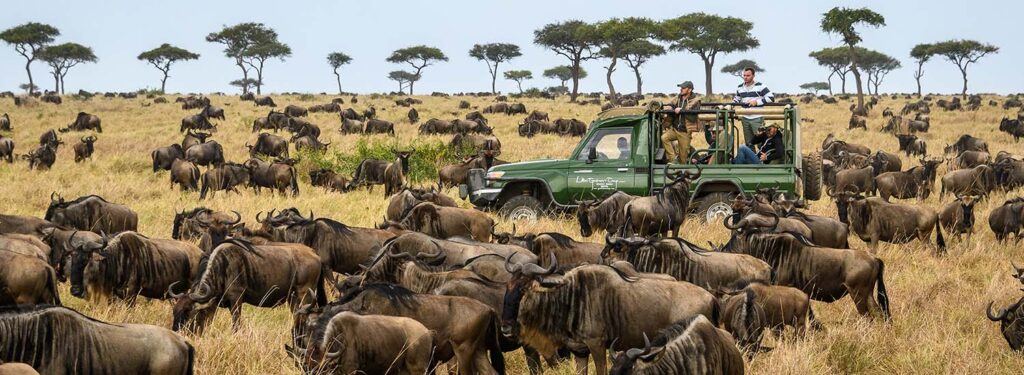
Wildlife movement is shaped by terrain.
- Predators use ridges and termite mounds as lookout points.
- Herbivores gather around fresh grazing zones.
- Migration herds follow storm clouds and new grasses.
- Cats prefer shade during the heat and open plains during dawn and dusk.
Guides constantly scan ridgelines, riverbeds, kopjes, and grass patterns to forecast sightings.
5. Blending Intuition with Experience
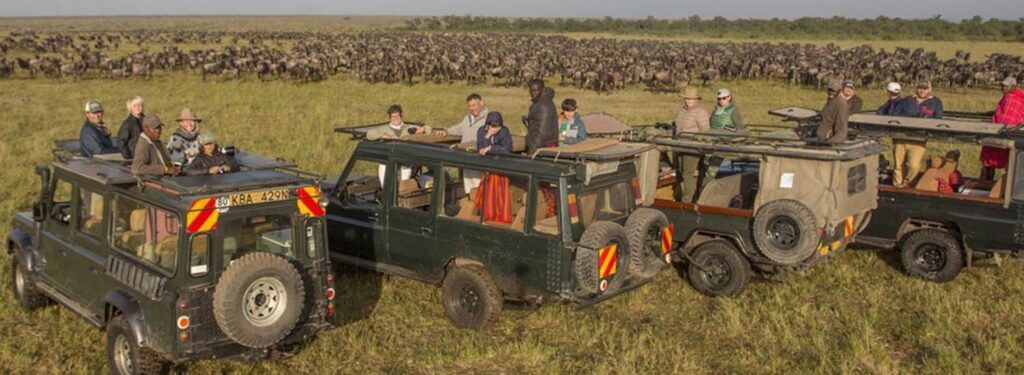
Experienced safari guides develop something beyond knowledge, instinct.
Years of observing weather changes, herd behaviour, predator patterns, and even subtle environmental signals give them a sixth sense.
Sometimes, they simply “feel” where wildlife will be… and they’re usually right.
This intuitive mastery is what transforms an ordinary safari into something unforgettable.
FAQs: Wildlife Tracking with Safari Guides
1. Do guides use technology to track animals?
Yes, in some conservancies radio collars or ranger updates help monitor wildlife, but in national parks most tracking relies on skill, field knowledge, and experience.
2. Can travellers learn tracking too?
Absolutely! Guides often explain tracks, sounds, and behaviours during game drives, making the experience deeply educational.
3. Why do different guides offer different experiences?
Experience, training, passion, and familiarity with specific ecosystems make a huge difference. A seasoned guide can dramatically elevate your safari.
4. Is tracking safe?
Yes. Expert guides follow strict safety protocols and understand animal behaviour, ensuring you’re safe while observing wildlife respectfully.
Ready to experience the wild through an expert’s eyes?
A great guide doesn’t just show you animals, they reveal the unseen, the unheard, and the incredible stories of the savannah.
Plan your safari with a trusted, experienced team and make every sighting unforgettable.