
Author: Susan Wanjiru

The Masai Mara is a year-round safari destination, but when you go can shape what you experience—from the awe-inspiring Great Migration to quiet moments with elusive predators. Here’s a breakdown of what each season offers:
July to October – The Peak Season & Great Migration
Best time to visit for:
- Witnessing the Great Migration and dramatic Mara River crossings
- Big Cat sightings (especially lions, cheetahs, and leopards)
- Excellent weather with clear skies and cool temperatures
What to Expect: This is the most popular and spectacular time to visit the Masai Mara. From mid-July to October, over 1.5 million wildebeest, along with zebras and gazelles, flood into the Mara from the Serengeti. The highlight is the Mara River crossings—heart-stopping scenes where wildebeests brave crocodile-filled waters in chaotic, dusty, high-stakes drama.
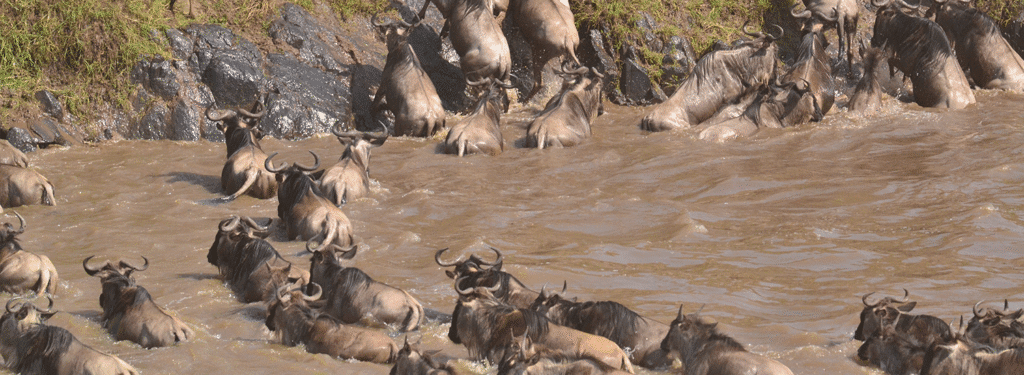
Predator-prey action is at its peak, and wildlife density is staggering. The plains come alive with lion prides on the hunt, cheetahs sprinting after gazelles, and hyenas scavenging opportunistically. The weather is dry and pleasant, making game drives smooth and rewarding.
August and September are considered the prime months for witnessing the migration river crossings.
November to mid-December – Short Rains & Shoulder Season
Best time to visit for:
- Fewer tourists and peaceful game drives
- Beautiful green landscapes and dramatic skies for photography
- Great predator sightings
What to Expect: The short rains usually begin in November, bringing a fresh layer of green across the savannah. The migration herds start moving back south to the Serengeti, but resident wildlife remains abundant.
This season is ideal for travelers seeking a more intimate, less crowded experience, with plenty of big cats still around. The landscapes are lush, and the skies—often dotted with clouds—make for stunning photographic backdrops. While showers may occur, they’re usually brief and followed by sunshine
Mid-December to March – Green Season (Low Season)
Best time to visit for:
- Birdwatching (migratory species arrive)
- Calving season – witness new borns filling up the savannahs
- Budget-friendly travel and exclusive lodge deals
What to Expect: This is the calving season, when many herbivores give birth, especially in January and February. This draws in predators, creating high drama as young, vulnerable animals face survival challenges. It’s an incredible time to see lions and cheetahs with cubs, and predator interactions are frequent.
Although it’s considered the low season, game viewing remains excellent. The scenery is green and vibrant, and the crowds are minimal, allowing for quiet, immersive safaris.
April to June – Green Season
Best time to visit for:
- Photographers looking for moody skies and dramatic lighting
- Incredible rates at high-end camps and lodges
- Peaceful, uncrowded safari experiences
What to Expect: The long rains arrive, making some roads muddy and less accessible, but the park remains open. Wildlife is still present in good numbers, and the vegetation is lush. Birdlife is spectacular, and the landscape is painted in every shade of green.
This is not the best time for the Great Migration, but it can be magical for seasoned safari-goers, photographers, or those seeking seclusion. Some camps in conservancies may close temporarily, so it’s wise to check ahead.

The Masai Mara Migration, often hailed as the greatest wildlife spectacle on Earth, is part of the larger Great Migration—a continuous, circular journey of over 1.5 million wildebeest, along with hundreds of thousands of zebras, gazelles, and elands, across the vast plains of Tanzania’s Serengeti and Kenya’s Masai Mara.
The most dramatic and awe-inspiring phase of this migration takes place in the Masai Mara between July and October, when massive herds thunder northward from the Serengeti, drawn by the promise of greener pastures in the Mara’s fertile plains. This period is the prime time to witness the migration, especially the iconic Mara River crossings, where thousands of wildebeest plunge into crocodile-infested waters in a desperate dash for survival. These crossings are chaotic, breathtaking, and heart-pounding moments of raw nature that define the very essence of the African wilderness.

The timing of the crossings can never be predicted to the day, as it depends on rainfall patterns and grazing availability. However, mid-July, August and mid-September are often considered the best months to witness large-scale river crossings, especially near key points like the Talek River and the Mara River. Visitors may also observe intense predator action during this time, as lions, cheetahs, leopards, and hyenas lie in wait, capitalizing on the chaos.
Beyond the river crossings, the plains of the Masai Mara during migration season transform into a living sea of hooves and horns, stretching as far as the eye can see. This abundance of prey attracts an extraordinary concentration of predators, offering visitors unmatched opportunities to witness dramatic hunts, big cat interactions, and the circle of life in motion.
For those seeking to experience the migration away from the crowds, many of the private conservancies bordering the reserve, such as Olare Motorogi, Naboisho, and Mara North—offer exclusive front-row access to migration herds as they spill into conservancy lands. Here, guests can enjoy guided walking safaris, off-road game drives, and night drives, all while avoiding the larger tourist influx found in the central areas of the main reserve.
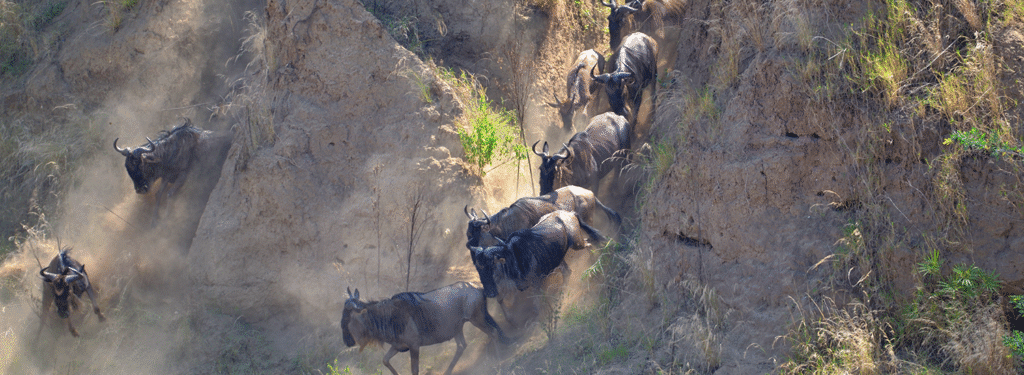
In essence, the Great Migration in the Masai Mara is not just an event—it’s an ancient rhythm of life, a testament to survival, instinct, and the awe-inspiring scale of the natural world. Whether it’s the thunder of hooves across golden grasslands or the silent standoff between predator and prey, witnessing it is a once-in-a-lifetime experience that leaves an indelible mark on the soul.
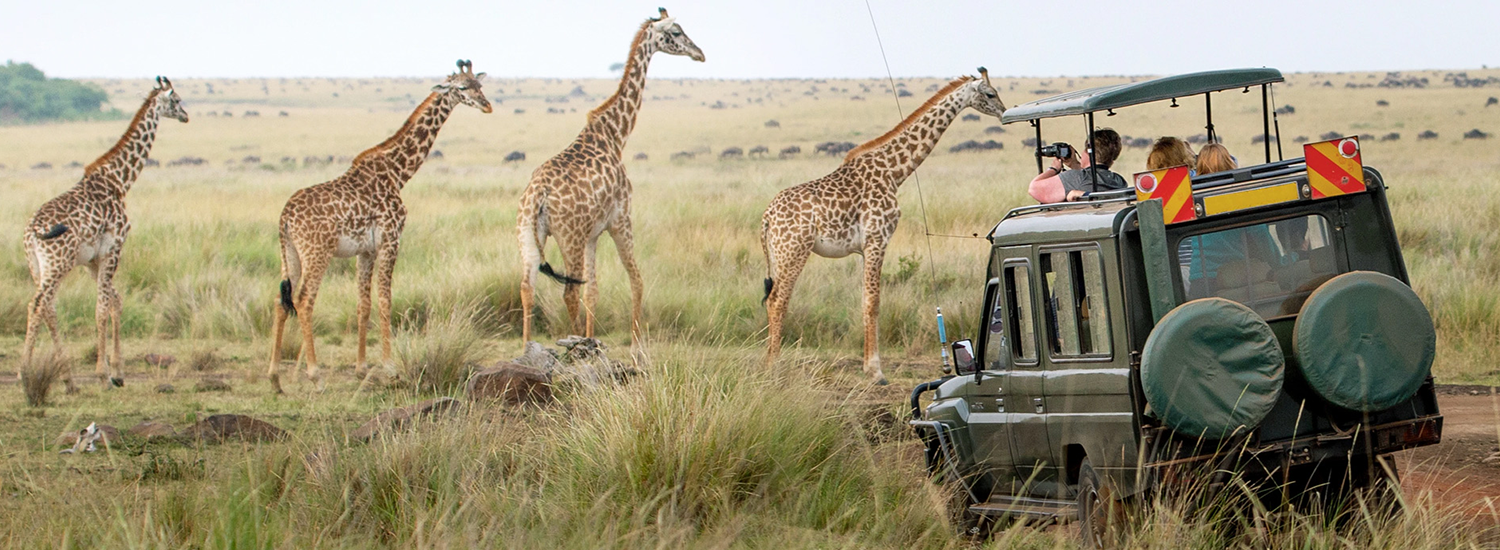

If you’re dreaming of an unforgettable wildlife experience, then Masai Mara National Park in Kenya is it. A jewel in the heart of the Rift Valley in Kenya, Africa, the Masai Mara offers a front-row seat to nature’s grandest show—the Great Migration. This guide will walk you through everything you need to know, from travel logistics to unique experiences, so you can plan your perfect adventure.
What is Masai Mara?
The Masai Mara, also known as the Masai Mara National Reserve, is one of Africa’s most iconic wildlife sanctuaries. Located in southwestern Kenya, it borders Tanzania’s Serengeti National Park, together forming a vast, interconnected ecosystem that supports one of the most diverse and spectacular concentrations of wildlife on the planet.
The name “Masai” pays tribute to the semi-nomadic Maasai people who have inhabited the region for centuries. Renowned for their distinctive dress, customs, and deep-rooted relationship with the land, the Maasai have coexisted with the wildlife of the Mara for generations. “Mara,” in the Maa language, means “spotted”—a reference to the reserve’s landscape, which is beautifully dotted with acacia trees, bushy thickets, and open grasslands that stretch to the horizon.
Spanning approximately 1,510 square kilometers, the reserve is home to the famous Big Five (lion, leopard, elephant, buffalo, and rhino), along with cheetahs, hippos, crocodiles, zebras, giraffes, and over 450 species of birds. The Masai Mara is perhaps most celebrated for the Great Migration—a breathtaking annual event where over 1.5 million wildebeests, accompanied by zebras and gazelles, cross the Mara River from the Serengeti, braving crocodile-infested waters and predator-laden plains in search of greener pastures.

Surrounding the main Masai Mara National Reserve are a number of privately managed conservancies that offer exclusive, low-impact safari experiences, often in close partnership with local Maasai communities. These conservancies provide a more intimate and eco-conscious alternative to the busier zones of the main reserve, with strict limits on visitor numbers and vehicles per game drive. What makes them truly special is the rich biodiversity paired with seclusion. For instance, the Olare Motorogi Conservancy — covering 33,000 acres — boasts the highest concentration of lions per square kilometer in the world, yet maintains one of the lowest tourist densities in the Mara ecosystem. Nearby, the Mara Naboisho Conservancy, spread across 50,000 acres, is regarded as one of Kenya’s most exclusive safari destinations, with the highest density of lions in Africa. These protected lands not only enhance your wildlife experience but also support sustainable tourism and community-driven conservation efforts.
- Olare Motorogi Conservancy is known for its pristine wilderness, strict vehicle limits, and exceptionally high density of big cats, particularly lions and leopards. It’s a favorite for photographers seeking raw, untamed beauty and uninterrupted wildlife encounters.
- Naboisho Conservancy combines excellent game viewing with a strong focus on community involvement and conservation. Visitors here can enjoy walking safaris and night game drives—experiences not permitted within the main reserve.

- Mara North Conservancy is one of the largest and most established conservancies, noted for its rhino sanctuary and its rich population of predators. It offers luxury safari lodges and a quieter, more exclusive safari experience, making it ideal for those looking for a balance between conservation and comfort. Mara North Conservancy is one of the largest and most well-established conservancies in the Greater Masai Mara ecosystem, spanning approximately 74,000 acres of pristine wilderness. Known for its diverse landscapes, thriving predator populations, and commitment to community-based conservation, it offers a safari experience that blends exclusivity with authenticity. The conservancy is particularly noted for its dedicated rhino sanctuary and frequent sightings of big cats, including lions, leopards, and cheetahs — making it a paradise for wildlife enthusiasts and photographers. With a strict limit on the number of camps and vehicles, guests enjoy a quieter, crowd-free experience amidst breathtaking savannahs and riverine forests.
- Siana Conservancy, on the eastern edge of the reserve, acts as a vital wildlife corridor. It’s particularly known for its sweeping views, authentic cultural experiences with the Maasai, and peaceful settings that offer a serene connection to nature.

These conservancies are essential to the preservation of the Greater Mara Ecosystem. Not only do they reduce pressure on the core reserve by spreading tourism impact, but they also channel significant benefits—economic, social, and environmental—to the local Maasai communities who help protect and steward this extraordinary landscape.
Together, the Masai Mara and its neighboring conservancies offer an unmatched safari experience that combines dramatic wildlife encounters, rich cultural heritage, and a deeply rooted commitment to conservation.
FAQs
1. What are the Park and Conservancy Fees?
2. How Far is Masai Mara from Nairobi?
3. What is The Great Migration in the Masai Mara?
4. What is the Best Time to Visit Masai Mara: Month-by-Month Guide?
5. Masai Mara: What to See & Do?
6. Which is better Maasai Mara or Serengeti?
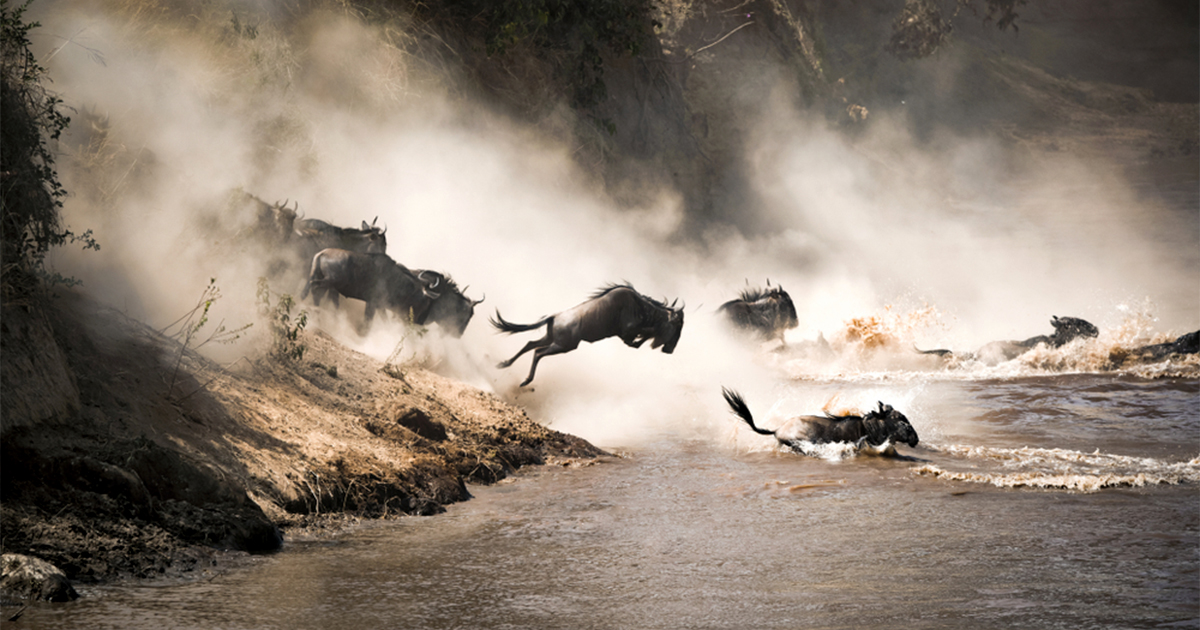
Ever watched a single animal fighting tooth and nail for its life? If yes, you know it’s a sight that sears itself into your memory. Now, think about such prey-predator battles amplified on a monumental scale involving millions of wildebeest and their predators. You’ll get an unparalleled adrenaline rush for a lifetime!
This is precisely what the Great Migration promises, especially the iconic river crossings, eagerly anticipated by wildlife enthusiasts around the globe.
In this blog post, we delve into the heart of these breathtaking river crossings. These churning waterways are more than just bodies of water; they are tests of courage, strength, and survival. The river crossings are a defining chapter of the migration, a dramatic and perilous act that showcases the raw power and resilience of nature.
We’ll guide you on what to expect and the best times to witness them. The river crossings have already begun this year, and we’re sure by the end of this blog, you’ll be inspired to experience them firsthand.
Start reading and secure your safari spot before it’s too late!
Experience The Thrill Of Wildebeest Conquering The Grumeti, Mara, and Sand Rivers
The Grumeti River:

Located entirely within Tanzania, the Grumeti River is the first major obstacle encountered by the migrating herds as they head north. This river flows from the western corridor of the Serengeti National Park and meanders westward into the expansive waters of Lake Victoria. While the Grumeti is narrower and less ferocious than the Mara, it still presents a formidable challenge to the migrating herds.
The resident population of hippopotamuses becomes a significant obstacle, their territorial nature creating bottlenecks and chaos within the herds. These massive creatures, with their unpredictable behavior and sheer strength, add an extra layer of danger and intrigue to the crossing. The sight of wildebeest and zebras navigating through waters occupied by these territorial giants is a spectacle that underscores the raw power and social dynamics of the animal kingdom. The more intimate and remote nature of this crossing means fewer tourists, allowing for a more serene and immersive viewing experience.
So, if you’re seeking an extraordinary safari experience that unfolds the awe-inspiring tenacity of the migrating herds and the commanding presence of the resident hippos against the backdrop of the stunning and serene Serengeti, the Grumeti River crossing is an adventure not to be missed!
The Mara River:

Arguably the most iconic river crossing, the Mara River lies on the border between Tanzania’s Serengeti National Park and Kenya’s Masai Mara National Reserve. The Mara River is not just any river; it is a formidable natural barrier, wider and faster flowing than its counterparts. This river teems with an array of predators, particularly the formidable Nile crocodile, which adds an element of high-stakes drama to the already perilous journey of the migrating herds.
Witnessing a Mara River crossing is an experience that can only be described as heart-stopping. The air vibrates with the thunderous sound of thousands of wildebeest hooves, creating a cacophony that echoes for miles. The water churns and foams, turning red with danger as the wildebeest become vulnerable targets for the lurking crocodiles. These prehistoric predators lie in wait, ready to exploit any moment of hesitation or weakness.
The sheer determination and relentless momentum of the herd are awe-inspiring. Watching them push forward, a dynamic tapestry of brown bodies, is a testament to the raw power of nature. Some wildebeest make it across unscathed, their instinct and stamina guiding them to safety. Others are not so fortunate, succumbing to the river’s powerful current or falling prey to the jaws of the resident crocodiles. Each crossing is a microcosm of the circle of life, a poignant reminder of survival and sacrifice.
The Mara River crossing is not only a spectacle of survival but also a display of the intricate social dynamics within the herd. The leading animals often hesitate, gauging the danger before plunging into the water, while the pressure from the massive numbers behind forces a forward surge. The collective will to survive drives them onward, despite the perilous odds.
In addition to the crocodiles, the crossing attracts other predators, such as lions and hyenas, who wait on the riverbanks, ready to seize any opportunity. The river itself is a force to be reckoned with, its swift currents and deep channels presenting a challenge even without the added threat of predators. The Mara River crossing is a crucible of life, where only the strongest and most determined survive.
Prepare to be captivated by the spectacle of the Great Migration at its most dramatic and intense!
The Sand River:
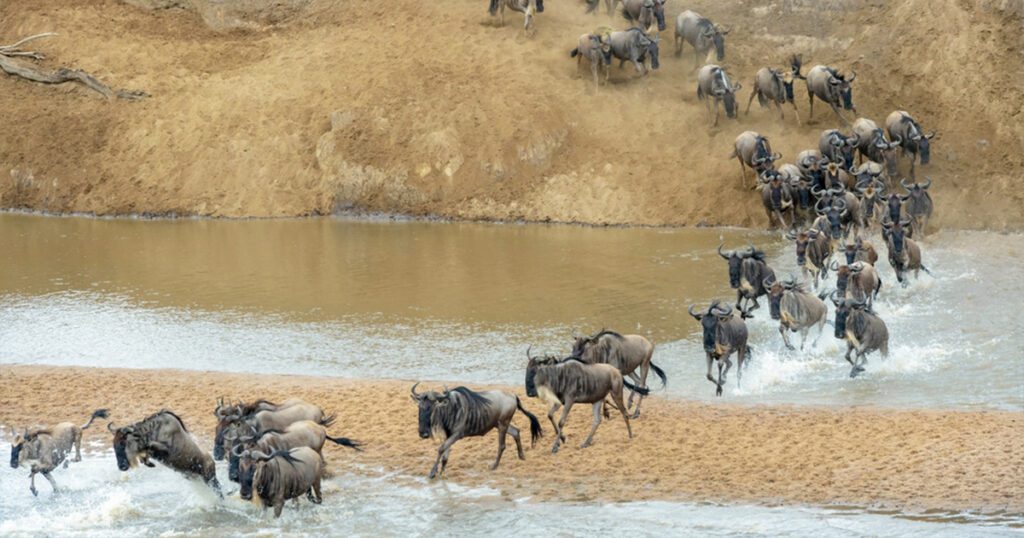
The Sand River marks the boundary between Kenya’s Masai Mara and Tanzania’s Serengeti National Park. This strategic location transforms the Sand River into a crucial crossing point for the migrating herds of wildebeest, zebras, and other animals as they traverse these renowned wildlife reserves during the Great Migration. Unlike the Mara and Grumeti Rivers, the Sand River is relatively drier, presenting its own unique set of challenges and dangers that add to the complexity of this epic journey.
One of the most intriguing aspects of the Sand River crossing is its treacherous quicksand. The unsuspecting animals, driven by the relentless pursuit of greener pastures, often find themselves trapped in the deceptive sands. Once stuck, their struggle to free themselves becomes a battle against time, exhaustion, and the ever-watchful predators. The quicksand transforms the crossing into a perilous endeavor, where every step can be fraught with danger.
The predators of the Sand River have adapted to these conditions in remarkable ways. Taking cover in the sandbanks, lions, hyenas, and other carnivores lie in wait, ready to ambush their unsuspecting prey. The open landscape provides them with an unobstructed view of the passing herds, making it easier to single out and target vulnerable individuals. This strategic advantage makes the predators of the Sand River particularly formidable.
Moreover, the Sand River’s relative dryness means that the animals face the additional challenge of finding water. The scarcity of water in this region makes the journey even more arduous, testing the endurance and survival instincts of the migrating herds. Despite these obstacles, the animals push forward, driven by an ancient, unyielding instinct to migrate.
Witness the ferocious tenacity of the migrating herds and the cunning strategies of their predators in a captivating display of nature’s enduring cycle.
Life from Death: How Wildebeest River Crossings Nourish the Serengeti
The river crossings are more than just a perilous journey for the wildebeest; they are crucial for the ecosystem’s delicate balance. Corpses keep the Serengeti well-fed. As wildebeest and other herbivores brave the treacherous waters, many succumb to the swift currents and predators lying in wait. While this might seem like a grim fate, it is an essential part of the natural cycle that sustains this vibrant landscape.
Scavengers like vultures and Marabou Storks play a pivotal role in this cycle. These avian custodians are quick to descend upon the fallen, transforming death into a vital source of sustenance. By consuming the carcasses, they ensure that nutrients are rapidly recycled back into the ecosystem. This process nourishes the grasslands, fostering new plant growth that will feed the herbivores in the coming seasons.
But the impact of these river crossings extends beyond the terrestrial realm. The large number of wildebeest that drown during this gruelling migration become an unexpected boon for aquatic life. Their floating bodies provide a rich, organic feast for a variety of aquatic organisms, from fish to invertebrates, which in turn support a higher trophic level, including crocodiles and birds.
The annual death toll of these migrations might seem high, but it is a natural and necessary mechanism that supports the Serengeti’s biodiversity. Without it, the balance would be disrupted, leading to consequences that could ripple through the entire ecosystem. This remarkable interplay between life and death highlights the intricate connections that sustain one of the world’s most famous wildlife reserves.
Timing the Drama: Best Seasons to Witness the Serengeti’s River Crossings

In the realm of nature, we operate on her clock, dancing to the rhythm of her whims and caprices. The annual migration of wildebeest, one of the most spectacular wildlife events on the planet, is no exception. This breathtaking spectacle, punctuated by dramatic river crossings, is primarily dictated by the weather, particularly rainfall patterns. Consequently, the schedule of this grand migration is as fluid and unpredictable as the Serengeti rivers themselves.
Typically, the prime window to witness these awe-inspiring river crossings spans from July to October. This period coincides with the dry season in the Serengeti, compelling the herds to move northward in search of greener pastures. The dry, parched landscape and dwindling water sources drive the wildebeest towards the Mara River, where they face the perilous task of crossing its crocodile-infested waters. As the rains recede and the dry season intensifies, the migration gathers momentum.
However, the unpredictability of nature means these patterns can sometimes take unexpected turns. Sudden changes in weather or unforeseen environmental factors can alter the migration timeline, making it a challenging phenomenon to predict with absolute certainty.
This is where Scarface Pride’s expertise becomes invaluable. Our seasoned safari experts, with their profound understanding of the Serengeti’s rhythms, can help you plan your trip to maximize your chances of witnessing this incredible event. By staying attuned to the latest migration updates and environmental cues, our team ensures that your safari experience is nothing short of extraordinary.
Moreover, as the wildebeest begin their southward journey around November to December, following the retreating rains, a different but equally captivating phase of the migration unfolds. This return trek, driven by the promise of replenished grazing lands, offers another opportunity to witness the resilience and determination of these magnificent creatures.
Let us guide you through these intricacies of nature’s clock, ensuring that you are at the right place at the right time to witness the grandeur of the wildebeest migration in all its glory!
Book your safari with Scarface Pride and witness the nuances of nature, unfiltered with your own eyes.
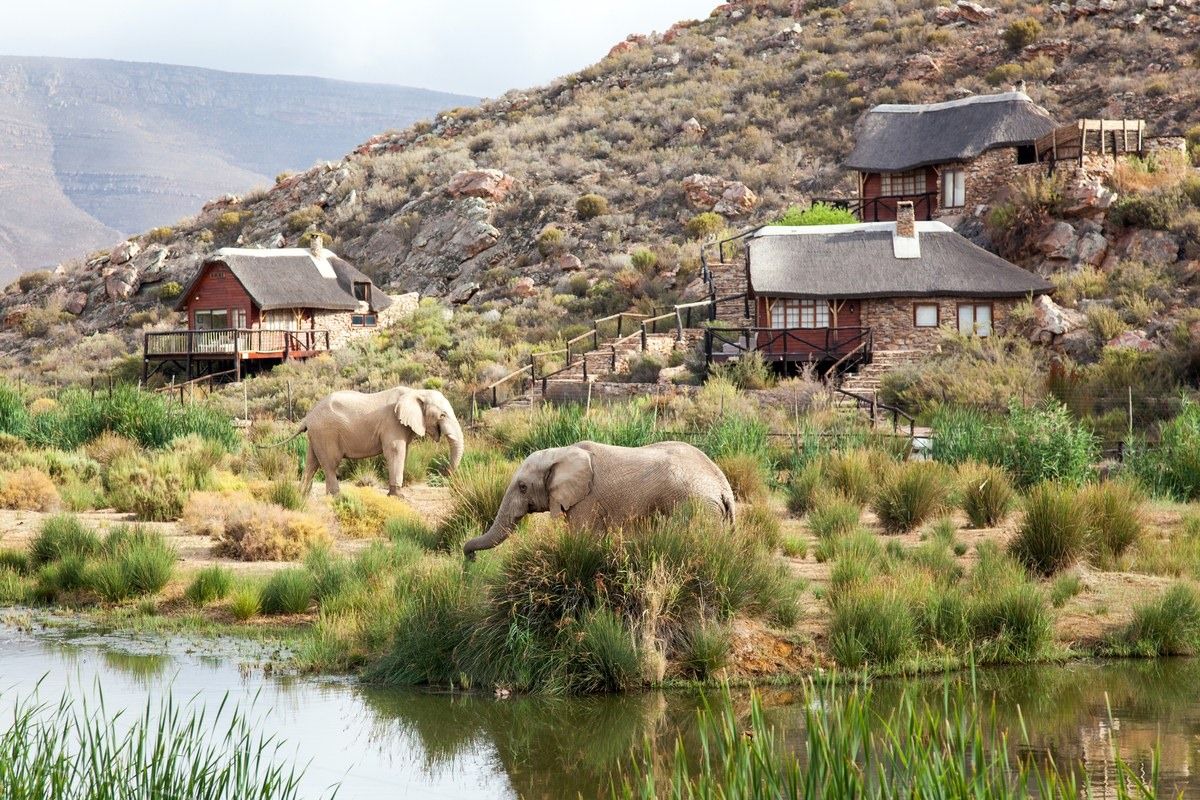
Safaris are one of the most intriguing holiday options for anybody to explore. They bring you closer to the beauty of nature while providing a retreat from the monotony of your daily life.
However, there is a lot that goes behind the planning of an African safari. You need to take myriad factors such as affordability, customised packages, and accommodation into consideration to ensure yourself a seamless experience.
Now, one option is to search for the best African safari tour companies that organise group safaris and leave it entirely up to them. Enjoy the experience with a group of strangers who might eventually become friends and also save a little as the total cost will be divided amongst all.
But when you’re going to have an experience of a lifetime, don’t you want to have the best version of it? You’re going to have an incredible time amidst exquisite wildlife, and that means you deserve to have only unforgettable memories of your safari. And that’s where a private African safari can come into play – to make the whole experience tailored to your liking and comfort, to help you go for a safari in the most ideal way, and to make you long for your next safari even before the current one ends!
Still worried about spending extra in comparison to group safaris? Read this blog post further and see for yourself the invaluable experience private safaris offer in return!
Reasons To Book A Private African Safari For Your Next Trip
Enjoy unlimited game drives at your discretion
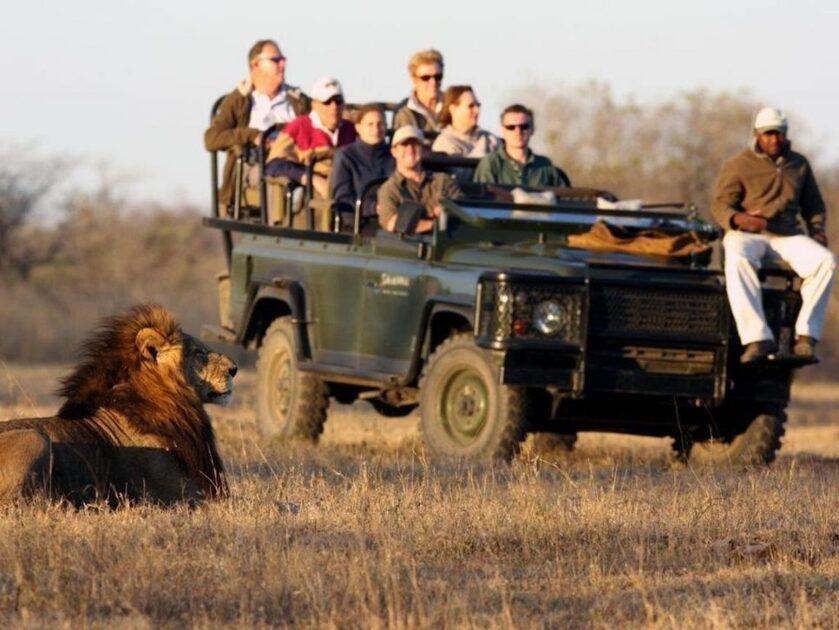
Imagine having that classic safari feeling at the time you choose to have it. No rush! Well, in a private safari, you don’t have to imagine it because this is exactly what you get. Normally game drives last for 3-4 hours, but when you’re with a small group of like-minded people, you get to decide the duration of this beautiful experience. So, you have a sight that you can’t get enough of? No worries, spend a little extra time there and make the experience worth it!
Choose the accommodation of your choice
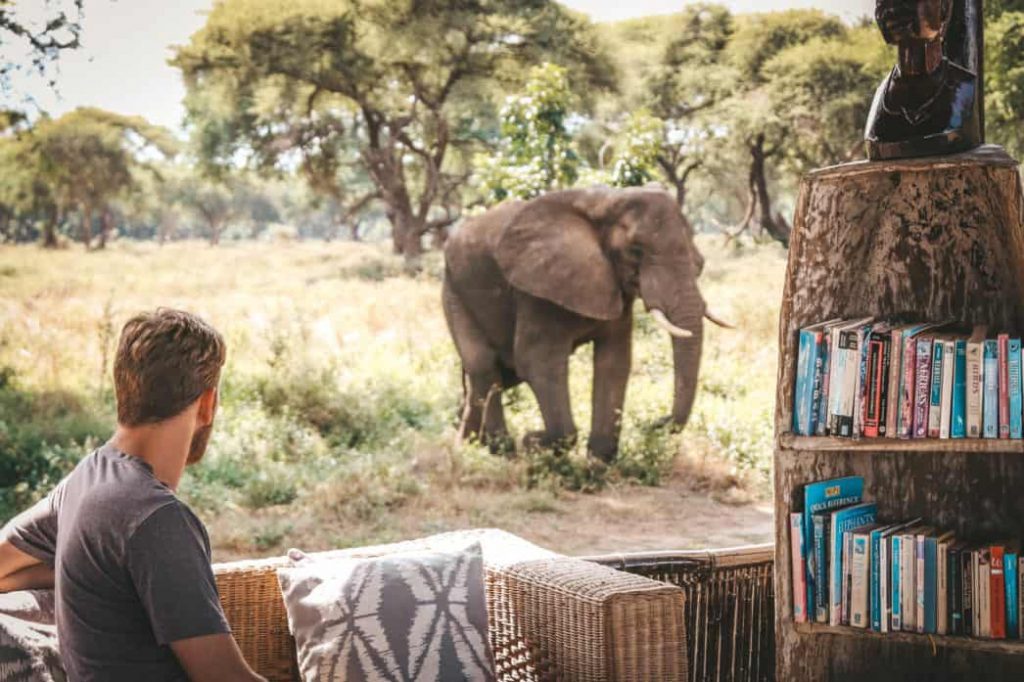
Yes, private safaris can be a luxurious affair, but they don’t necessarily have to be. That’s the whole point of going for a private safari – designing it according to your taste. So if you’re one of those people who would prefer staying in camps or tents to explore the wildlife realms, private safaris can definitely offer you that as well. There are no rules. In fact, you make the rules!
Customise your itinerary
In a group safari you have to play along with the whole group’s interests and there’s hardly any room for changes. But what if you want to opt for an add-on activity like a balloon safari, walking safari, or something similar to complete your experience? Your safest bet is a private safari. You’ll have to pay extra for additional activities, but the beauty is you get to decide where to save and where to splurge. So it can still be an economical trip without compromising on your expectations from the safari.
Avoid the consequences of group cancellations
Another con of a group safari is probabilities of cancellations. For example, if some activity requires a certain number of people and your group doesn’t have it, you might end up missing that experience. After making the effort to go for a safari and spending money for it, the last thing you would want is missing the fun! So don’t miss any of it and opt for a private safari where it’s guaranteed that you can completely tick off your safari bucket list.
Travel with more room for you and your luggage
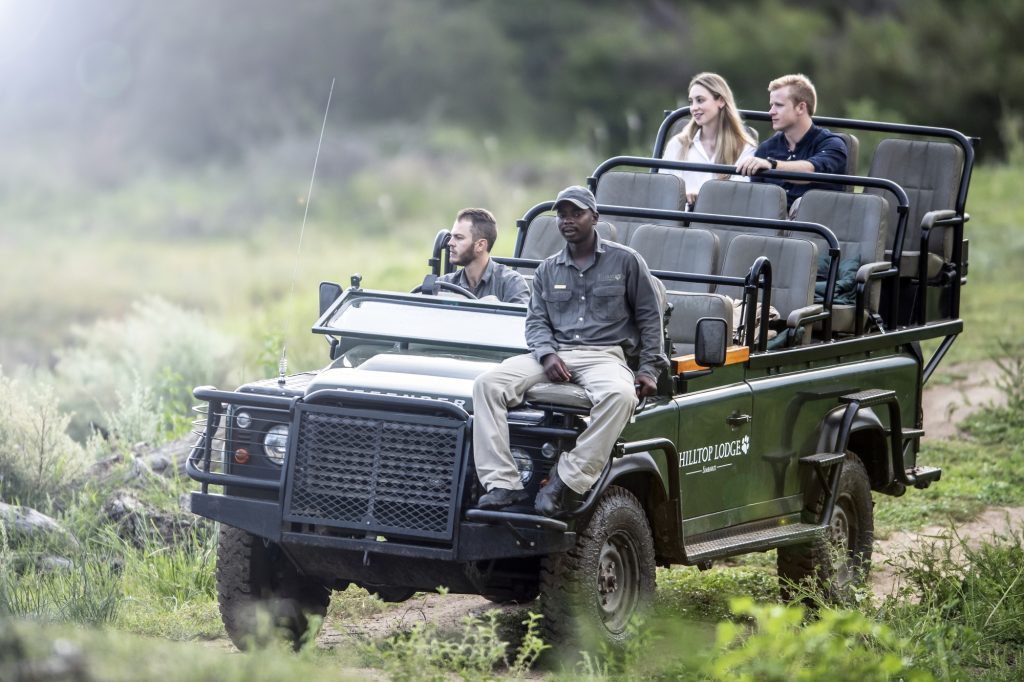
Private safaris directly imply less crowd. And less crowd directly implies a lot of space for you and everything you carry. You won’t have to fret about luggage restrictions which might be a reality in group safaris because they need to accommodate more people than a private safari.
Get the perfect view at all times

In a group safari, usually seats are exchanged on a rotational basis. If the group is huge, it’s highly likely that you might miss the perfect spots at the right time. Plus, if the group doesn’t have accommodating people, it’s another frustrating issue to tackle. In a private safari, you get the front seat for all sightings. There’s no tackling of annoying people or waiting for your turn, only an enjoyable ride with the hope to see varied wildlife species!
Get personalised attention from experienced guides
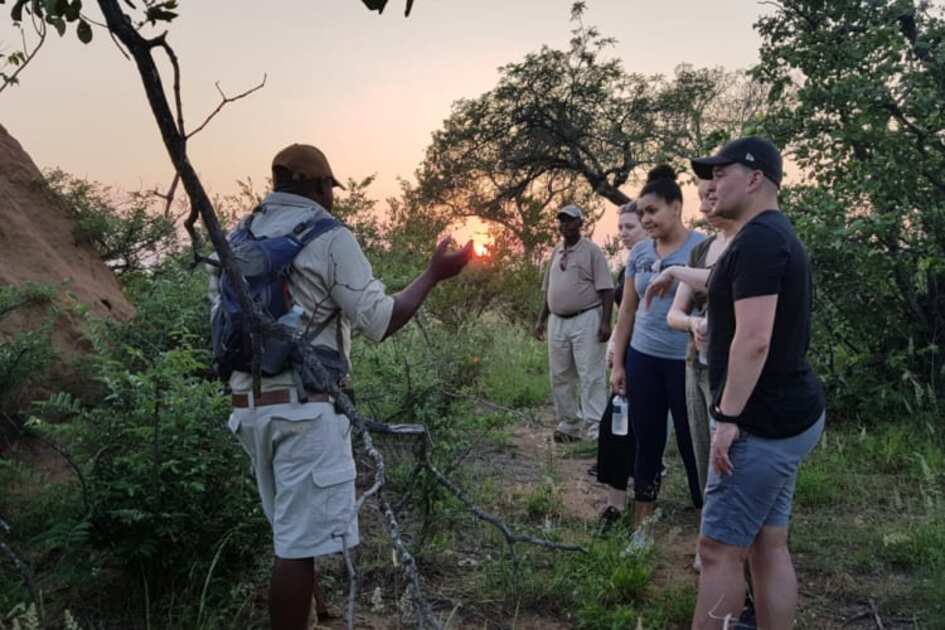
One knowledgeable guide for 4 people instead of 20 automatically means increased access to them. You can learn about the wildlife and culture in detail, gain better insights, and be assured that all your doubts will be clarified!
Meet new people and form new friendships
The most advertised benefit of group safaris apart from price is the opportunity to interact with new people. But who said this is not possible in a private safari? Once you’re back from the safari, you can mingle with people staying in camps adjacent to yours. This way you can make new friends without compromising on your safari experience too. It’s a win-win situation!
Be in safe company
While on a private African safari, you get to travel with a close-knitted group of people, be it your friends or your family. Such tours provide you with your private vehicle which is meant exclusively for you and your travel buddies. Therefore, you are assured of a safe experience by avoiding contact with anyone outside of your group.
Keep those precious moments private
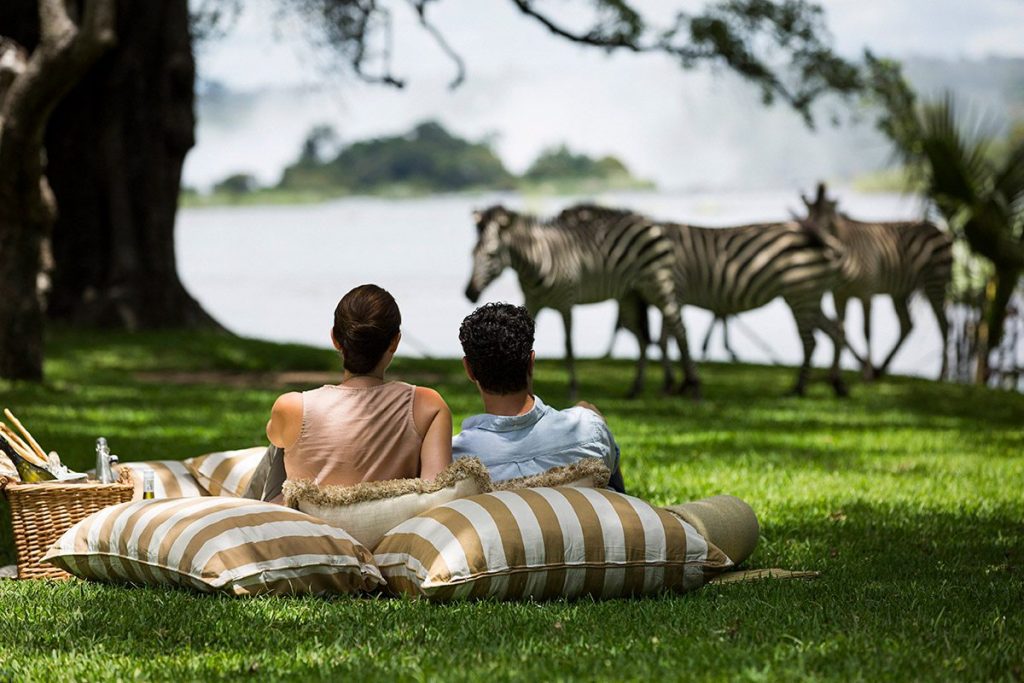
And our favourite reason to go for a private safari – make this experience sacred by sharing it exclusively with your loved ones. Be it with your family members or partner on a honeymoon, some memories need to be extra special and a private safari offers you that uniqueness. Also, if it’s your first time on a safari and you’re travelling with kids or senior citizens, it makes all the more sense to travel with those you are comfortable with.
Summing it up….
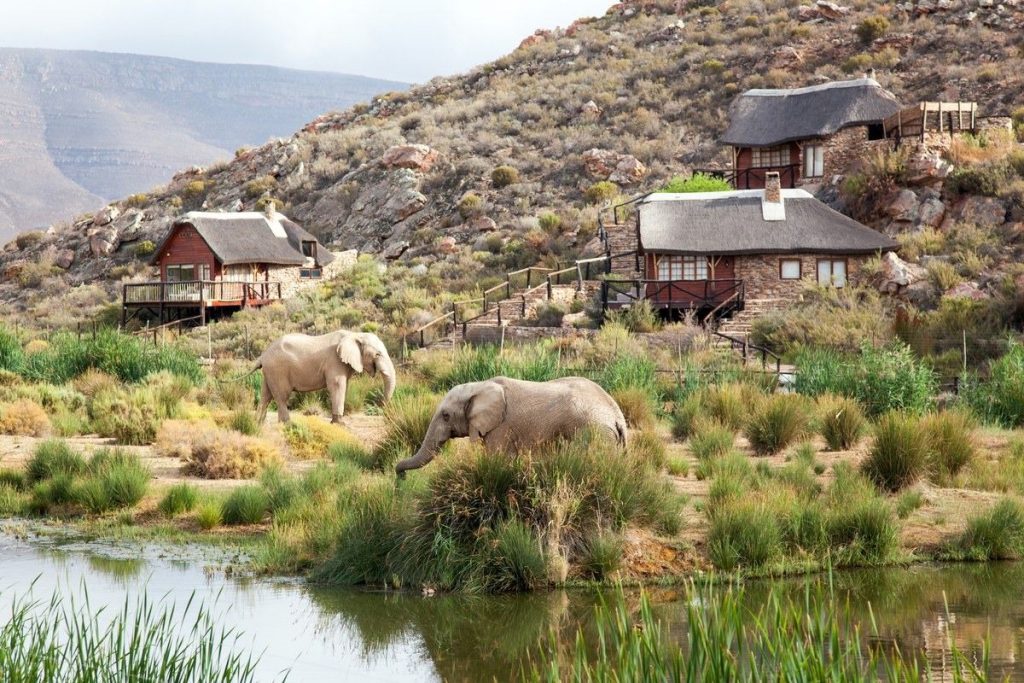
With all these wonderful aspects put into place, Private African Safaris offer you the experience of a lifetime without any compromise! You can relish a plethora of adventurous escapades, intriguing walks, and comfortable stay all in a single power-packed package tailor-made as per your preferences.
All this goodness in a package that is worth the money. Does that sound unbelievable? Well, book a Private African Safari now and witness the madness yourself.
FAQs
Can I observe African culture on a Private Safari?
The African culture brims with umpteen tribal traditions and puts up diverse, colourful, and unique happenings for its tourists. You can witness all of this and more on a Private African Safari.
How is a Private African Safari different from a group safari?
The main difference between a private African safari and a group safari is the flexibility of options with regards to schedules, itineraries, and accommodation. A private safari can be tailored to your liking and you can have an experience exactly like what you want. A group safari may not give this guarantee since its success is dependent on a large group of people. But what a group safari does offer is lower prices than a private safari.
What are the top reasons to look out for a Private African Safari?
Following are the top reasons to look out for a Private African Safari:
- Greater Flexibility
- Exclusive Insights
- Worth the money
- Choice of Accommodations
- Assurance of Safety
What accommodation options are available on a Private African Safari?
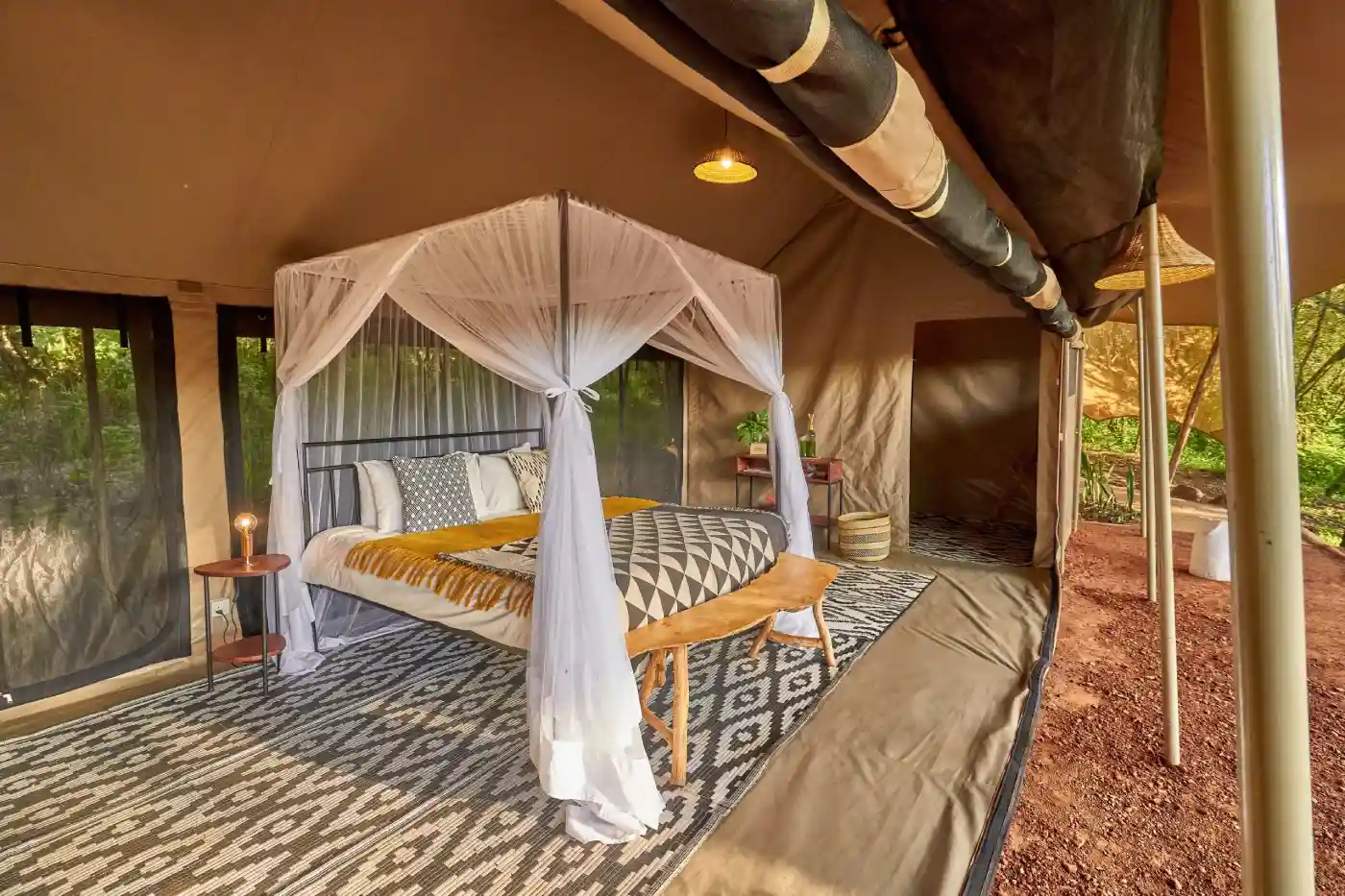
Safari lodges, luxurious camps, mobile camps, are some of the accommodation options when you go for a private African safari. Safari lodges have a hotel-like infrastructure with all the basic amenities. Tented camps could be permanent or semi-permanent and are usually located at places for excellent game viewing. Luxurious camps have large beds, private bathrooms, spacious rooms, well-suited for honeymooners. Mobile camps are exclusively set up for a couple or a small group and are completely immersed in the beautiful landscape of Africa. It’s considered to be the ultimate safari experience.

It is the season for planning amazing trips and we are all excited. But aren’t you bored of conventional trips and tours? Well, if that is the case, we have an intriguing option for you to explore.
African Safaris are a great option if you want to relish nature and wildlife closely. These are quite different from ordinary trips owing to the fact that such expeditions take you deep into nature among the wild realms. Therefore, everything might not be accessible at hand which calls for a packing spree that makes sure you have everything in place before leaving.
If that has gotten the hoarder in you worried, we have you sorted. For an African Safari, your packing list should entail some necessities that keep you covered considering the factors of climate, environment, and availability of resources.
Thus, we have curated a comprehensive list of some packing essentials for you to enjoy a wonderful African Safari.
Everything You Need For Your First Safari—Or Your Tenth African Safari
Must-have documents for a seamless travel
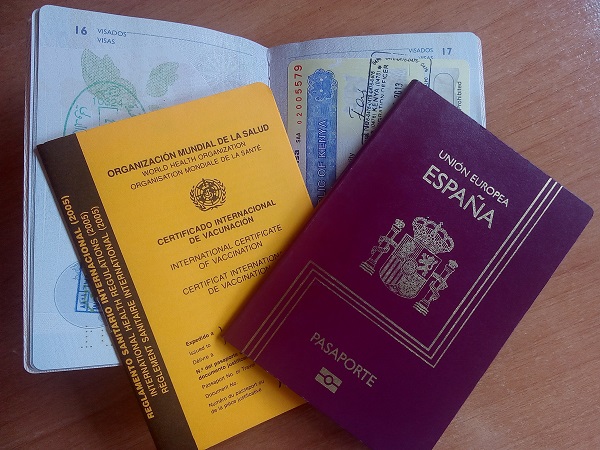
Documents are essentials that you should never miss. Make sure you have the following documents at hand when you are travelling abroad for an African Safari:
- Original passport
- Credit or debit cards
- Travel insurance documents
- Directional maps or itineraries
- Medical and vaccination certificates
- Valid visa
- Copies of essential documents like the photo identification card, first four pages of the passport, and so on
Backpacks to stuff all things essential
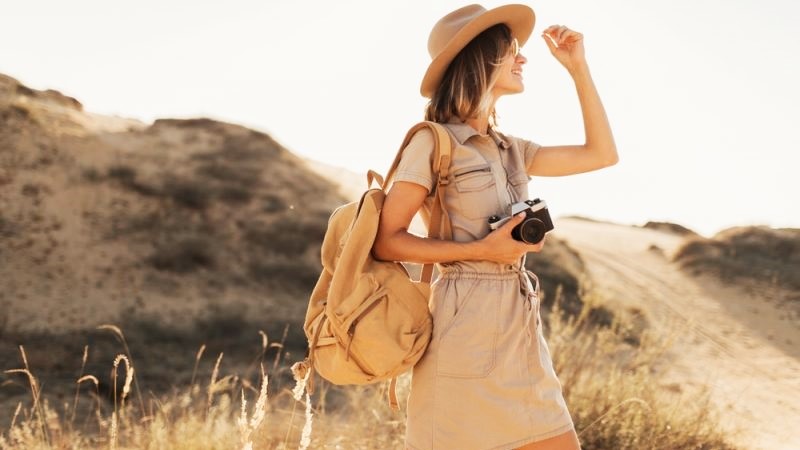
Backpacks will come in handy when you are out on dusty safari expeditions since they can help you carry all your essentials. Invest in a lightweight, compact, and compressible backpack that is easy for you to take with you throughout the day. Another option is duffel bags with detachable straps that can be easily accommodated in small spaces.
Shoo away the critters with insect repellents

Jungle safaris call for carrying some good insect repellents that can protect your skin from insects and critters. Make sure that you carry one that suits your skin type to avoid any allergic reactions on your trip. Also, eco-friendly insect repellent lotions or body mists are impeccable options since they are gentle to the environment as well as your skin.
Cover yourself in layers of comfortable clothing
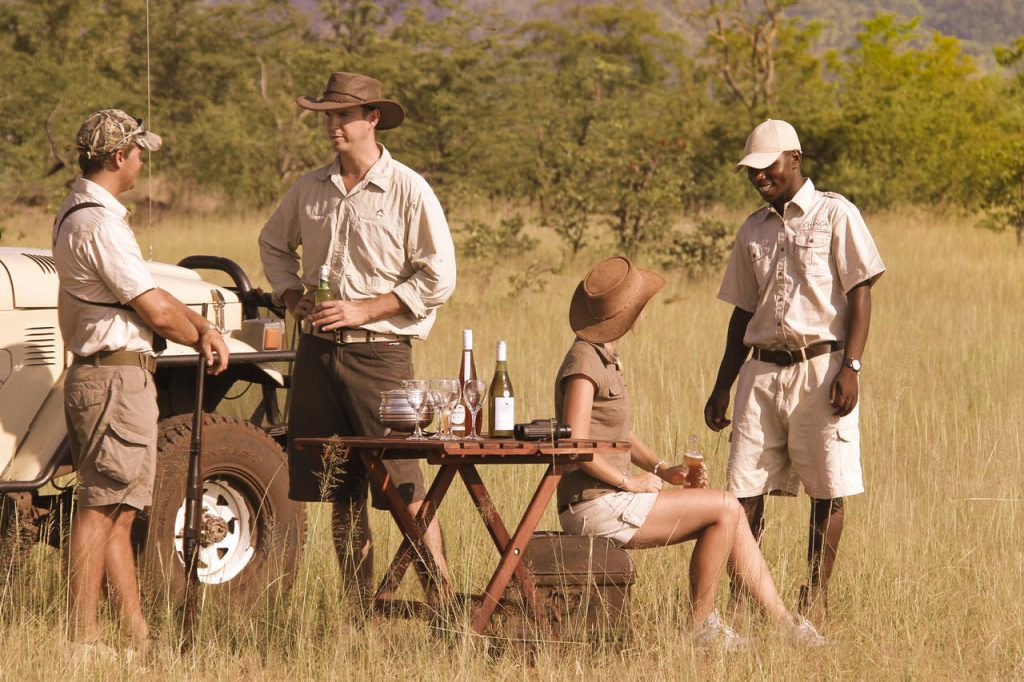
When you are out on a wildlife safari, staying comfortable is a priority. Thus, you should pack clothing items that keep you comfortable yet stylish.
Wear a t-shirt or a tank top and layer it with a sweater or a collared long-sleeved top. Add a jacket in case the weather is too cold. Wear long pants made from breathable fabric like cotton and linen. Don’t forget to wear a sunhat too!
Shades of khaki, green, and brown work well with the natural realms of Africa. Go for light colours if you’re stepping out for an evening meal. And ladies, if you want to spruce it up for a romantic sundowner or a bush meal, wear a cute and casual dress with a scarf so that you feel comfortable and look stylish too! Plus, you can pack in some cute swimwear and comfy dresses when you want to lounge around the pool area of your hotel.
Comfortable footwear for a walk in the woods

While on an African Safari, you will probably be taking long walks amidst bushes and wet jungle patches. Thus, comfortable footwear is an essential item to travel with. You can opt for lightweight, easy-to-clean and comfortable ankle length boots.
If the hike isn’t difficult, you can opt for casual, slip-ons and footwear that are easy to take on and off for a hassle-free expedition. These will also be helpful when you are casually strolling in the camp area or when you’re chilling in the room.
Medicines and first-aid, your health saviours

This one is a point that can’t be emphasized enough. Pack all your necessary medicines and prescriptions that you might need on the trip. However, private safari vehicles are equipped with first-aid kits, so you can also skip this part if you want.
If you don’t want to carry along a full-fledged first-aid kit, you can opt for some specific medical items. First-aid elements like paracetamol, anti-nausea tablets, allergy medications, rubbing alcohol, bandaids, gauze, anti-malaria tablets, painkillers, pre-prescribed medication, diarrhea medication, antiseptic spray, insect repellent, rehydration sachets, bite cream, are some must-haves on an African Safari.
Spirits and devices – charge them both
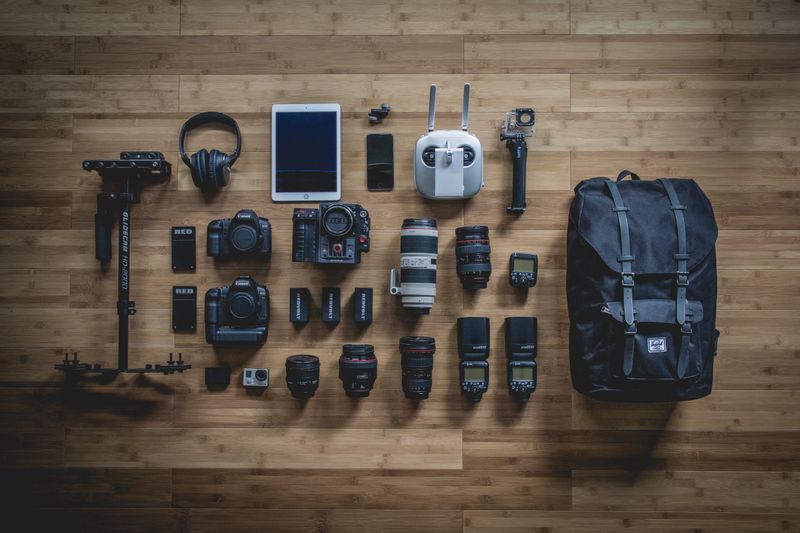
You don’t want to roam around looking for charging devices and electronic essentials while out on a safari. To avoid such incidents, make sure you pack electronic items such as power cables, portable chargers, global adapters, and extra batteries.
Laptops, phones, and cameras might require separate charging devices. Ensure that you carry the ones that fit your purpose. Also, don’t miss out on a global adapter to avoid any hassles while charging your devices.
You would want to capture the scenic views that you witness while out on the jungle expeditions. Hence, carry along a camera and some extra storage space for that purpose.
Explore the breathtaking beauty with binoculars
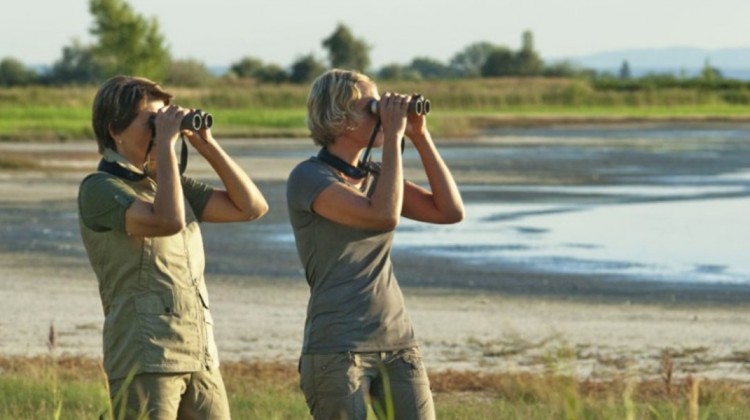
You don’t want to miss out on any amazing wildlife activities only because you don’t have a pair of good binoculars to yourself. Hence don’t forget to carry a pair that will help you observe some breathtaking scenes closely.
Some Additional Tips That Can Come In Handy While Packing For An African Safari
Don’t overpack

While the excitement of going on a jungle safari might make you want to pack anything and everything, make sure you don’t overpack. Keep the baggage limit in mind while packing for both domestic and international flights. Usually, in bush planes in Kenya, the limit is 15 kgs while in Tanzania the limit is 20 kgs.
Don’t carry expensive items such as jewellery pieces

You don’t want to lose out on precious and expensive belongings during the trip. Therefore, avoid carrying items such as jewelry pieces to avoid any such incidents.
Carry the necessary vaccination certificates

Before you fly to East African Countries, make sure that you carry all the necessary vaccination certificates that you might require. These could include certificates pertaining to Yellow Fever vaccination, TF vaccination, routine vaccinations like MMR (measles-mumps-rubella), polio, hepatitis and DPT (diphtheria-pertussis-tetanus), and so on.
Always keep the camera handy

The African Safaris will offer you exemplary views of the natural realms. Therefore, always keep the camera handy so that you can capture all the beauty that pleases your eyes.
Wet bags work best for toiletries

While packing the toiletries, you should always carry wet bags so that the moisture does not seep inside the rest of your luggage. Also, don’t forget to keep essentials such as scarves and wet wipes to keep yourself covered for the dusty tours.
Pack wisely and efficiently….

With all these checklists in mind, you will be nicely prepared for an African Safari. Just make sure you do not miss out on any essentials so that you don’t have to roam around looking out for them. Pack in all these items and don’t forget to bring along an adventurous spirit to put together the experience of a lifetime for yourself.


