
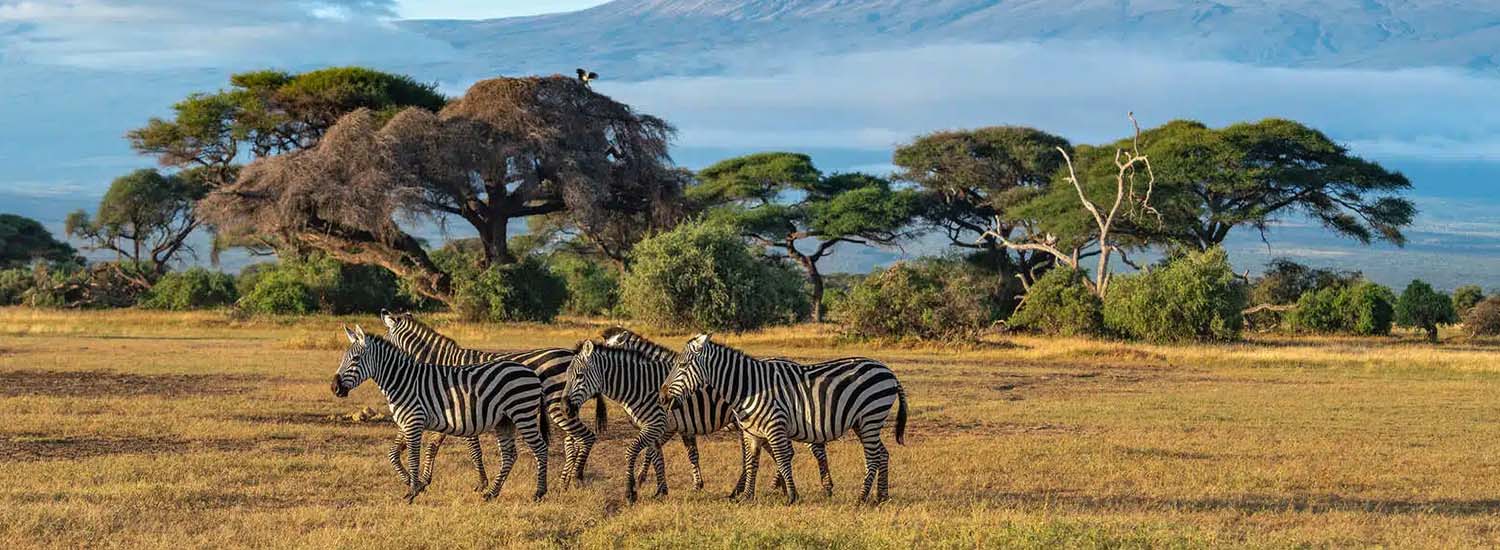
The Masai Mara isn’t just a safari destination, it’s a giant open-air theatre where nature performs its most dramatic stories. And the stars of the show? The big cats. Lions, leopards, and cheetahs rule these golden plains, each with behaviours so captivating that even a single sighting can define an entire trip.
Whether you’re a photographer, wildlife lover, or celebrating your first African adventure, here’s what you’re most likely to witness and why the Mara is one of the best places on Earth to observe big cats up close.
1. Lion Prides in Action
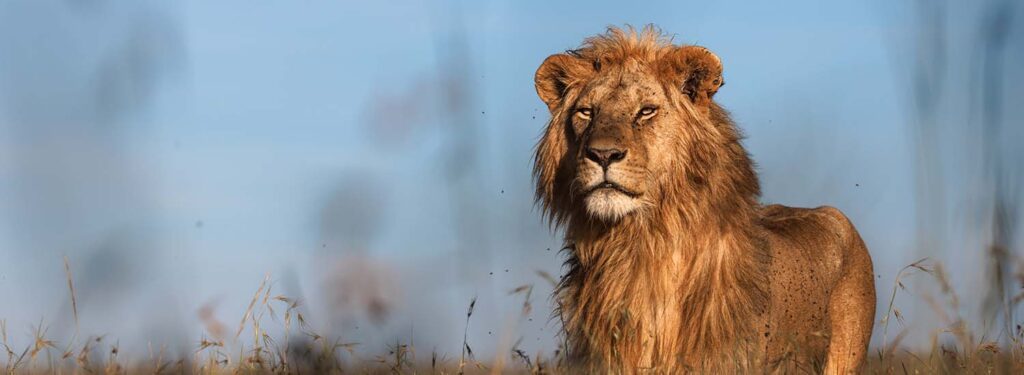
The Mara’s lion prides are famous worldwide, especially the powerful Marsh and Ridge prides. One fascinating behavior you’ll likely witness is pride coordination, how lionesses move silently through the grass, forming perfect hunting formations. The harmony in their teamwork is remarkable.
At sunrise, you may see lions indulging in social bonding: grooming one another, rubbing heads, and resting together. These gentle moments reflect the deep emotional bonds within the pride, moments that soften the image of Africa’s strongest predator.
2. Cheetahs Scanning from Termite Mounds
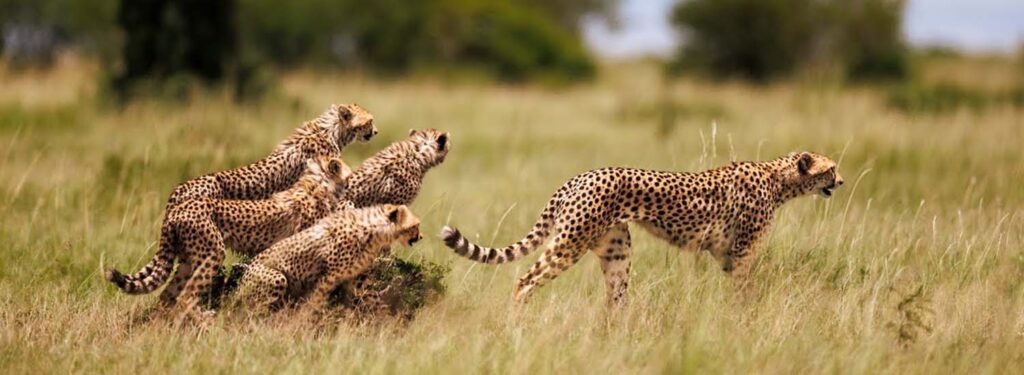
Cheetahs are the sprinters of the Mara, and their behaviour is shaped entirely by survival. You’ll often spot them perched on a termite mound or fallen log, scanning the plains for threats or potential prey.
Their body language changes subtly as they prepare for the chase, tail adjusting, shoulders lowering, eyes locked. And if you’re lucky, you may witness the characteristic burst of speed, where a cheetah goes from stillness to 100 km/hr in seconds. Even watching them stalk is a breathtaking experience.
3. Leopards Being… Leopards
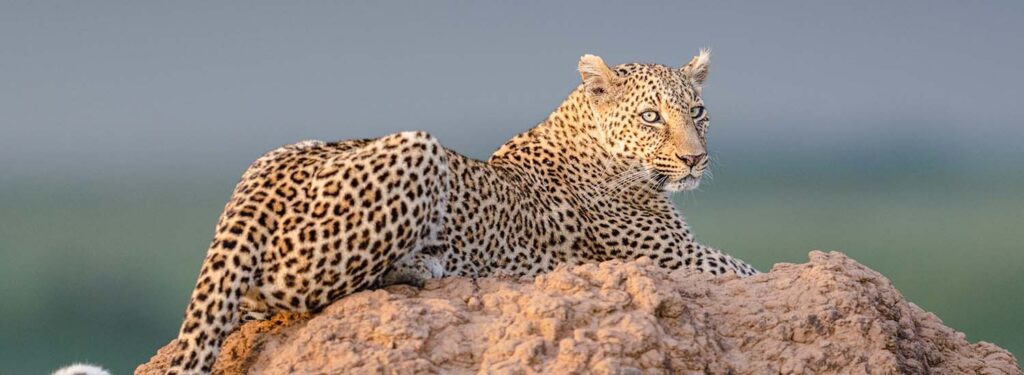
The Mara’s leopards are elusive, solitary, and often theatrical in their movements. What you’re most likely to see is a leopard lounging on an acacia tree branch, its tail hanging gracefully like a ribbon. These cats are experts at tree climbing, using height as their refuge, lookout point, and sometimes even a dining table.
Another behaviour you might witness is the iconic carcass lift, the ability to drag prey heavier than themselves up a tree to keep it safe from scavengers. It’s a showcase of pure strength and strategy.
4. Cubs at Play
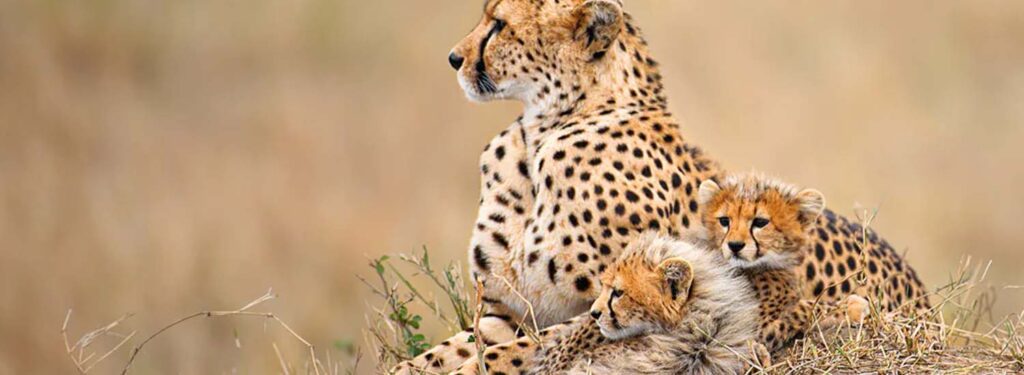
One of the Mara’s greatest joys is watching big cat cubs. Lion and cheetah cubs engage in play-fighting, stalking, pouncing, and endless tumbling, all practice for adulthood. Their curiosity and clumsy confidence make them the most photogenic of all wildlife sightings.
5. Predator–Prey Standoffs
Across the plains, you might witness tense standoffs where lions face buffalo, cheetahs watch gazelles, or leopards wait patiently for the perfect moment. These encounters are the essence of the Mara, raw, real, and unforgettable.
FAQs
1. When is the best time to see big cats in the Masai Mara?
Big cats are visible year-round, but July–October (during the Great Migration) increases action and sightings.
2. Are big cat sightings guaranteed?
No — but the Mara has one of the highest densities of lions, leopards, and cheetahs in Africa, making sightings highly likely.
3. Are early morning game drives better for big cats?
Yes. Sunrise drives offer the best chance to catch lions hunting, cheetahs active, and leopards moving before the heat rises.
4. Are big cats dangerous?
From the vehicle, sightings are safe as long as you follow guide instructions. Never step out near wildlife.
Ready to Witness These Behaviours in Real Life?
Experience the Masai Mara’s big cat magic with a tailor-made luxury safari designed for remarkable sightings, comfort, and storytelling moments you’ll treasure forever.
Plan your unforgettable Mara journey with Scarface Pride today.