
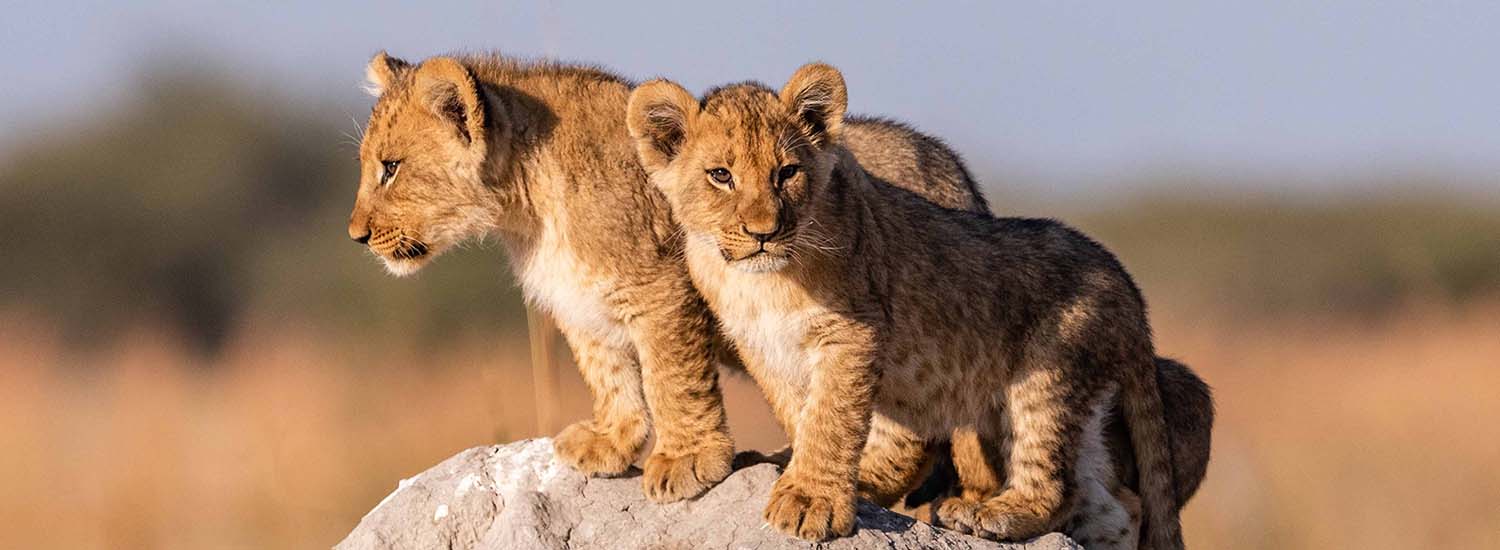
A Kenya safari is not just a holiday. It is one of the most immersive, emotional, and visually powerful travel experiences on the planet. Kenya is often called the heart of the classic African safari because it offers open savannahs, extraordinary wildlife encounters, rich Maasai culture, and landscapes that feel as if they were created for cinema.
But what many travellers do not realise is that the success of a safari depends heavily on planning. The right choices can lead to unforgettable sightings, expert guiding, beautiful lodges, and a comfortable travel rhythm. The wrong choices can leave you rushed, tired, over budget, or disappointed by an itinerary that looked good on paper but failed in real life.
Before you book, you need to understand where to go, when to travel, how safari costs work, what kind of guide you need, and whether your trip should be private, shared, road based, fly in, luxury focused, family friendly, or honeymoon ready.
This guide will help you make smarter decisions before booking your journey with Scarface Pride.
Why Planning Your Kenya Safari Matters Before You Book
A safari works differently from a normal vacation. You are not simply choosing a hotel and a city. You are choosing ecosystems, wildlife patterns, game drive timing, park fees, vehicle quality, lodge locations, guiding standards, and travel distances between remote regions.
That is why two travellers can visit Kenya during the same month and have completely different experiences. One may enjoy quiet sunrise game drives with a skilled guide and strong wildlife sightings. Another may spend most of the trip on long roads, arrive late at camps, and miss the best activity hours.
Good planning protects the value of your time. It helps you choose the right parks, avoid unnecessary transfers, match your budget to your expectations, and create a safari that feels smooth, personal, and memorable.
1. Choose the Right Destination for Your Goals
Kenya is incredibly diverse, and each region offers a different safari experience. Do not choose destinations only because they are famous. Choose them based on the kind of wildlife, scenery, pace, and comfort you want. Every Kenya safari should begin with one question: what do you want to experience most?
Masai Mara
The masai mara is Kenya’s most iconic safari destination. It is famous for big cats, open plains, dramatic predator action, and the Great Migration. If lions, cheetahs, leopards, wide landscapes, and classic safari photography are your priorities, the Mara should be high on your itinerary.
A masai mara safari is especially powerful for first time visitors because wildlife density is high and the scenery feels exactly like the Africa many travellers imagine. The reserve and surrounding conservancies also work well for luxury camps, private guiding, and special experiences such as a hot air balloon safari.
Amboseli
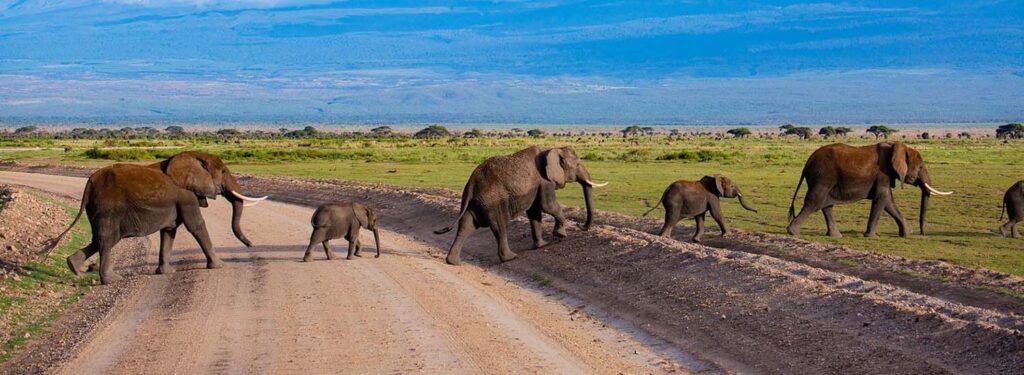
Amboseli is best known for large elephant herds moving against the backdrop of Mount Kilimanjaro. It is ideal for travellers who want dramatic photography, open plains, and a slower, scenic safari rhythm. Families and photographers often love Amboseli because elephants are usually the main highlight.
Samburu
Samburu offers a very different mood. It is drier, wilder, and more remote in feel. The region is known for rare northern species such as Grevy’s zebra, gerenuk, Somali ostrich, reticulated giraffe, and beisa oryx. If you have already experienced the Mara or want something more distinctive, Samburu adds depth to your itinerary.
Lake Nakuru and Naivasha
Lake Nakuru is often included for rhinos, birdlife, and Rift Valley scenery. Lake Naivasha can add boat rides, hippos, birdwatching, and a gentler change of pace between wildlife areas. These destinations work well when placed carefully, not when added only to make the itinerary look full.
Before choosing your parks, ask yourself: do I want big cats, elephants, dramatic landscapes, rare wildlife, birdlife, or a mix of culture and nature? This clarity will shape a more rewarding itinerary.
2. Understand the True Travel Distances
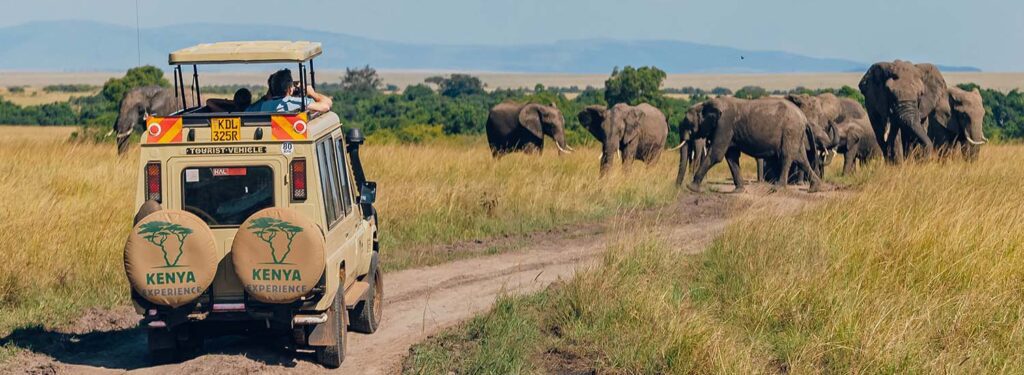
Kenya may look easy on the map, but safari drives can be long. Nairobi to Masai Mara can take around 6 hours by road, while routes such as Lake Nakuru to Amboseli may take up to 7 hours depending on road conditions and stops.
This matters because a safari is not only about where you go. It is about how much meaningful time you get inside the wilderness. If you try to fit too many parks into a short trip, you may spend more time on the road than on game drives.
A rushed itinerary can look impressive online but feel exhausting once you are travelling. Early departures, dusty roads, late arrivals, and limited rest can reduce the quality of the experience, especially for families, older travellers, honeymoon couples, and guests flying in after long international journeys.
For a premium trip, fewer destinations with better time in each place often works better than trying to cover everything. If your budget allows, a fly in option can reduce road fatigue and give you more time for game drives. A well paced nairobi to masai mara safari, for example, can feel far more rewarding than a packed multi park route with little breathing space.
3. Know the Best Time to Visit
The season you choose will shape your wildlife sightings, photography conditions, comfort, crowd levels, and budget. The best time to visit kenya for safari depends on what you want most from the journey.
Dry Season
June to October is usually the most popular period for wildlife viewing. Vegetation is thinner, animals gather closer to water sources, and visibility is strong. This period also overlaps with the Great Migration in the Masai Mara, making it one of the most requested safari windows.
If your dream is a masai mara great migration safari, this is the season most travellers consider first. However, it is also peak demand season, which means higher rates, busier sightings in some areas, and limited lodge availability if you book late.
Shoulder Months
January, February, and June can be excellent for travellers who want strong wildlife viewing, good weather, attractive scenery, and a more balanced price point. These months can work well for photographers, couples, and families who want a premium experience without peak season pressure.
Green Season
The rainy seasons, usually March to May and November to December, bring lush landscapes, fewer crowds, and often better value. Some travellers avoid these months, but they can be beautiful for photography, birdlife, and quieter safari experiences. The key is to plan carefully around road conditions and camp operations.
There is no single perfect month for every traveller. The right season depends on your priorities, whether you want migration drama, luxury value, fewer vehicles, family comfort, or a softer scenic experience.
4. Understand Safari Costs
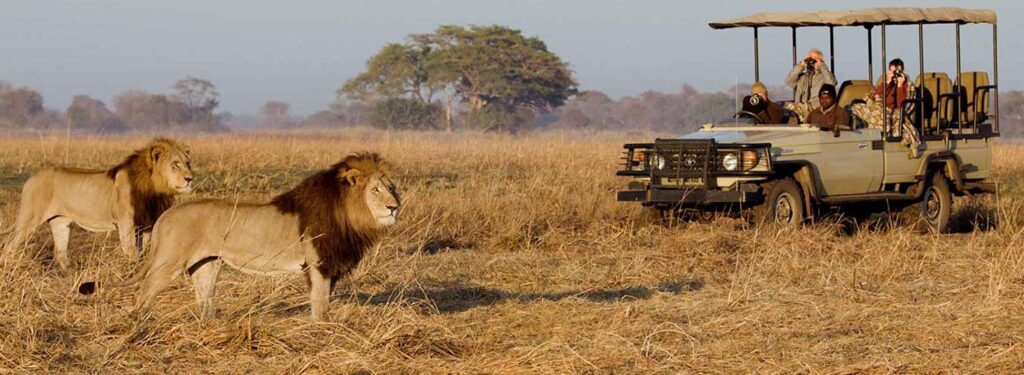
Safari prices can vary widely. Budget group safaris generally range from $100 to $250 per day, mid range options from $300 to $700, and luxury or private safaris from $900 to $2,000 plus per day. These figures can change based on travel season, accommodation, transport style, park fees, and guide quality.
Many travellers compare only the total price, but that can be misleading. A cheaper itinerary may use crowded vehicles, basic camps, less experienced guides, rushed routing, or lodges far from key wildlife areas. A higher priced itinerary may include private guiding, luxury tented camps, internal flights, better locations, premium service, and more comfortable pacing.
When reviewing kenya safari packages, look beyond the headline rate. Ask what is included, what is excluded, how many people share the vehicle, whether park fees are covered, how close the camp is to wildlife areas, and whether your guide is experienced in photography, family travel, or migration tracking.
The real kenya safari cost is not only about money. It is about the quality of the time you spend in the wilderness. A safari is a rare journey, and poor planning can waste both budget and opportunity.
5. Choose Between Group and Private Safaris
Group safaris are more affordable and social. They usually follow fixed routes, fixed schedules, and shared vehicles. For solo travellers or budget conscious guests, group travel can be a practical way to experience Kenya.
Private safaris offer full flexibility. You can adjust game drive times, pause longer at sightings, travel at your own pace, and shape the route around your interests. This is especially valuable for couples, honeymooners, families, photographers, and travellers who want a more refined experience.
The right Kenya safari format depends on your travel style. If you want control, comfort, privacy, and a more personal connection with your guide, private safari kenya options are usually the better choice. If you want a lower price and do not mind shared timing, a group safari may work.
Luxury travel is rarely about adding more places. It is about removing friction. A private safari does that by giving you space, better flow, and more meaningful time in the field.
6. Your Safari Operator Matters Most
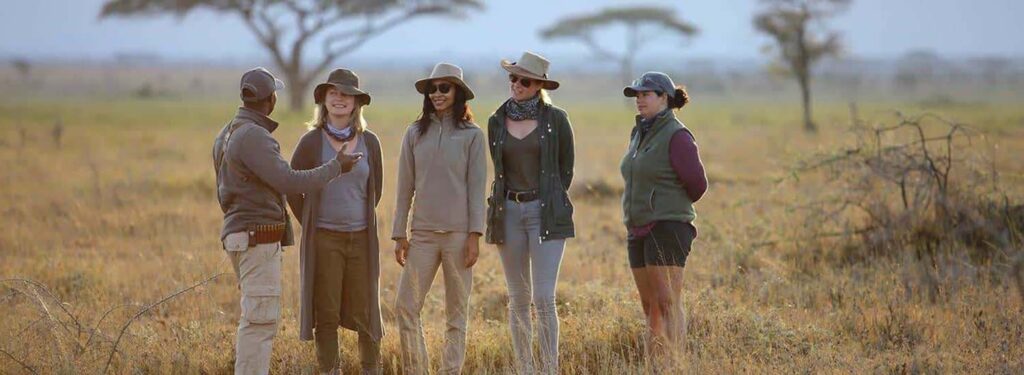
A Kenya safari is only as strong as the team planning and guiding it. The operator you choose can make or break your experience.
A professional and ethical safari operator ensures knowledgeable guides, well maintained vehicles, safe routing, reliable accommodation, accurate communication, and respect for wildlife. The best operators do not simply sell a package. They listen to your expectations, understand your budget, and build a route that makes sense for the season and your travel style.
Before booking, check reviews, ask for a detailed itinerary, clarify inclusions, understand cancellation terms, and confirm who will guide you. If the operator cannot explain why certain destinations, lodges, or dates are recommended, that is a warning sign.
For luxury travel, operator quality becomes even more important. Premium travellers are not only buying a room and vehicle. They are buying judgement, timing, service recovery, wildlife knowledge, and peace of mind.
Scarface Pride focuses on expert guided safari planning so travellers can move through Kenya with confidence, comfort, and a clear sense of purpose.
7. Match Accommodation to the Experience You Want
Accommodation is not just where you sleep. On safari, your lodge or camp affects access, atmosphere, service, food, views, activity timing, and overall comfort.
Some lodges are larger and more structured. They may work well for families, first time travellers, and guests who prefer predictable facilities. Luxury tented camps often feel more intimate, immersive, and connected to the landscape. Conservancy camps can offer quieter game drives, fewer vehicles, and sometimes activities not available inside national reserves.
For luxury kenya safari packages, the camp location matters as much as the room design. A beautiful lodge far from productive wildlife areas may look impressive but reduce your time in the field. A well located camp can transform the experience by giving you faster access to sightings, better sunrise drives, and a stronger sense of wilderness.
Ask whether the property is inside a reserve, near a gate, or in a private conservancy. Ask about vehicle sharing, guiding standards, meal style, family facilities, and special arrangements for honeymoon or private dining. A good safari planner will match the accommodation to your purpose, not just your budget.
8. Be Mindful of Cultural Experiences
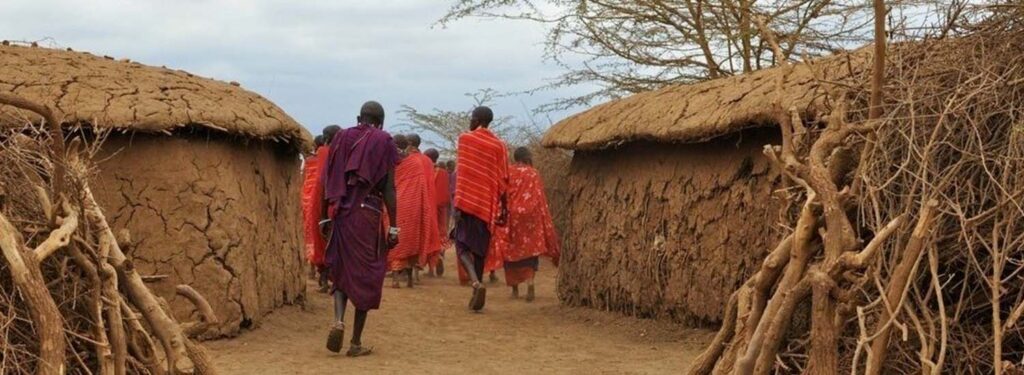
Kenya is not only about wildlife. Its people, traditions, and local communities are part of the journey. However, not all village visits are authentic. Some are staged only for tourists and can feel uncomfortable or transactional.
Look for community based experiences that genuinely support local families, preserve traditions, and respect dignity. Ask how your visit benefits the community. Ethical tourism should uplift local livelihoods, not turn culture into a quick performance.
A meaningful cultural experience may include guided conversations, craft cooperatives, conservation stories, local education projects, or community owned tourism initiatives. The goal is not to collect a photo. The goal is to understand the connection between land, people, wildlife, and heritage.
When planned well, cultural experiences can add depth to an african safari and help travellers see Kenya beyond the game drive vehicle.
9. Respect Wildlife and Follow Safety Rules
A safari is not a zoo. It is the animals’ natural habitat. That is what makes it powerful, but it also requires discipline and respect.
Always remain inside the vehicle unless your guide says otherwise. Keep a safe distance from animals. Do not shout, clap, whistle, feed wildlife, or pressure your guide to move too close. Never block an animal’s path for a photograph. Follow your guide’s instructions at all times.
Responsible behaviour protects both you and the wildlife. It also protects the quality of the sighting for other travellers. A calm vehicle often allows animals to behave naturally, which leads to better viewing and better photography.
If you are travelling with children, explain safari etiquette before the first game drive. Quiet observation, patience, and respect make the experience safer and more rewarding for everyone.
10. Pack Smart
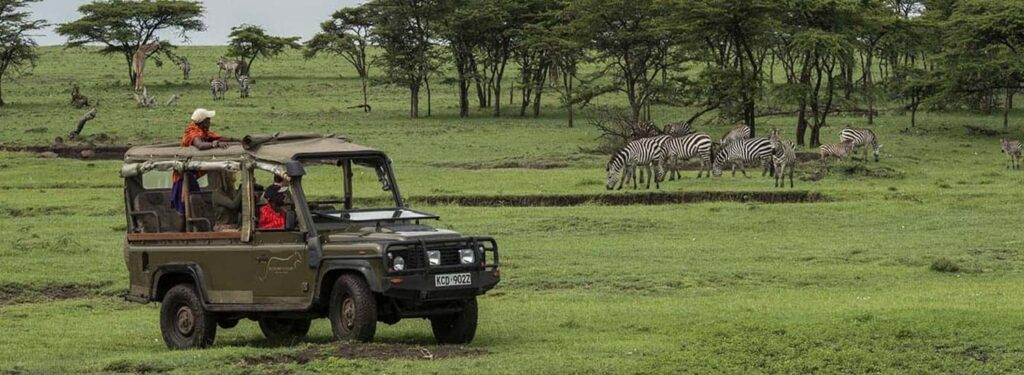
Temperatures can change quickly on safari. Mornings and evenings may be chilly, while afternoons can be hot and dry. Pack layers, neutral coloured clothing, sunscreen, sunglasses, a wide brim hat, comfortable shoes, insect repellent, personal medication, chargers, and a light jacket.
Binoculars are highly recommended, even if your guide has a pair. They help you enjoy birds, distant predators, and small details that are easy to miss. A good camera is useful, but do not let photography take over the experience. Some of the best moments are worth watching with your own eyes.
A Kenya safari is easiest when payments are planned before arrival. Cards are accepted in cities and many luxury lodges, but remote areas may still depend on cash for small purchases, tips, and souvenirs. Kenyan Shillings are best for local expenses. ATMs may have withdrawal limits, so prepare in advance.
Also check travel insurance, passport validity, baggage limits for internal flights, and any health related requirements before departure. These practical details may not feel exciting, but they protect the smoothness of your journey.
Suggested Safari Styles Before You Book
Not every traveller needs the same itinerary. The best safari plan should match your reason for travelling.
For First Time Safari Travellers
If this is your first time safari in Africa, focus on strong wildlife areas, good guiding, and comfortable pacing. Masai Mara plus Amboseli is a classic combination. It gives you big cats, elephants, open plains, and strong photographic variety without making the trip too complicated.
For Luxury Travellers
Luxury travellers should prioritise private guiding, premium camps, fewer transfers, excellent service, and strong locations. Fly in routing can reduce fatigue and increase time in the wilderness. Add special experiences such as bush dining, sundowners, hot air ballooning, and private conservancy drives where suitable.
For Families
Families should avoid overpacked itineraries. Choose lodges with family friendly rooms, flexible meals, patient guides, shorter transfer days, and activities that keep children engaged. Wildlife education, animal tracking, and gentle cultural experiences can make the trip memorable for young travellers.
For Honeymoon Couples
A honeymoon safari should feel intimate, relaxed, and beautifully paced. Private vehicles, scenic camps, special dining, and a possible beach extension can turn the trip into a romantic safari and beach holiday. Kenya works well for couples who want both adventure and softness.
For Photographers
Photographers should focus on guide quality, private vehicle access, vehicle positioning, camp location, and time in high density wildlife areas. The Mara is especially strong for predator photography, while Amboseli is exceptional for elephants and Kilimanjaro backdrops.
How to Compare Safari Packages Properly
When comparing kenya safari tours, do not choose only by price or number of days. Look carefully at the structure.
Check how many nights are spent in each destination. One night in a park often gives you very little game drive time. Two or three nights in key areas usually creates a better rhythm. Check whether the route involves backtracking. Check whether arrival and departure days include real safari time or mostly transfers.
Review vehicle type, maximum guests per vehicle, guide experience, camp location, meal inclusions, park fees, domestic flights, luggage restrictions, and emergency support. A good itinerary should make sense when you read it day by day.
If the plan feels crowded, ask what can be removed. A more focused trip can feel more luxurious than a longer list of destinations.
Final Thoughts Before Booking
A well planned Kenya safari gives you more than wildlife sightings. It gives you raw emotion, breathtaking scenery, deep cultural insight, and memories that stay long after you return home.
The most important decision is not simply where to go. It is how the journey is designed. The right route, season, guide, lodge, vehicle, and travel rhythm can turn a good safari into an unforgettable one.
Before you book, take time to understand your priorities. Decide whether you want migration drama, big cats, elephants, luxury comfort, private guiding, family ease, cultural depth, or a combination of everything. Then work with a safari specialist who can turn those priorities into a smooth, beautiful itinerary.
FAQ
1. What is the best time to visit Kenya for a safari?
The best time depends on your goal. June to October is popular for dry season wildlife viewing and Great Migration activity in the Masai Mara. January, February, and June are strong shoulder months. March to May and November to December can offer greener scenery, fewer crowds, and better value.
2. How much does a Kenya safari cost?
A safari can range from $100 to $250 per day for budget group options, $300 to $700 for mid range travel, and $900 to $2,000 plus per day for luxury or private safaris. The final cost depends on season, accommodation, park fees, transport, guide quality, and itinerary style.
3. Is Masai Mara worth visiting?
Yes. Masai Mara is one of Africa’s most rewarding safari regions, especially for big cats, open savannah views, and Great Migration experiences. It is ideal for first time travellers, photographers, families, couples, and anyone seeking a classic safari setting.
4. Should I choose a private or group safari?
Choose a group safari if affordability and a social format matter most. Choose a private safari if you want flexibility, comfort, custom routing, and more control over your game drive experience. Private safaris are especially useful for luxury travellers, families, honeymooners, and photographers.
5. How many days are enough for a Kenya safari?
For a short trip, 3 to 4 days in Masai Mara can work. For a richer experience, 6 to 8 days allows you to combine Masai Mara with Amboseli, Samburu, Lake Nakuru, or other regions. A longer itinerary gives you better pacing and more variety.
6. What animals can I see on safari in Kenya?
Kenya offers lions, leopards, cheetahs, elephants, buffalo, rhinos, giraffes, zebras, hippos, crocodiles, hyenas, antelopes, and rich birdlife. The exact sightings depend on the destination, season, guide, and natural wildlife movement.
7. Can Kenya be combined with Tanzania?
Yes. Many travellers combine Kenya with Tanzania for a wider East African safari experience. A cross border route can include Masai Mara, Serengeti National Park, Ngorongoro Crater, and other iconic landscapes if time and budget allow.
Ready to plan your Kenya safari the right way? Let Scarface Pride craft a personalised journey built around your travel style, preferred season, comfort level, and dream wildlife moments. Share your ideal safari vision with us, and we will help design a journey that feels effortless, premium, and unforgettable.