
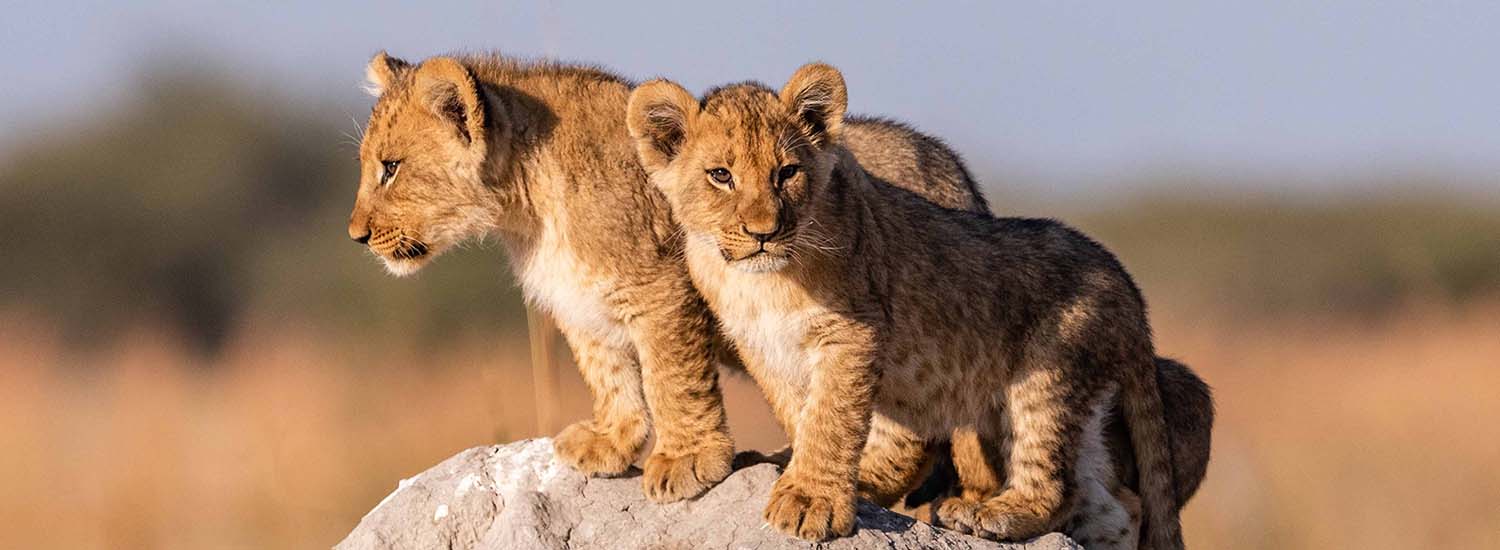
A safari isn’t just a holiday; it’s one of the most immersive, life-changing travel experiences on the planet. Kenya, often called the heart of African safaris, offers untamed wilderness, extraordinary wildlife encounters, and landscapes that look straight out of a documentary. But what many travellers don’t realise is that a safari’s success depends heavily on planning. The right choices can lead to unforgettable sightings and comfort, while the wrong ones may leave you rushed, exhausted, or underwhelmed.
If you’re preparing for your first (or next) Kenya safari, here’s what you need to know before you book.
1. Choose the Right Destination for Your Goals
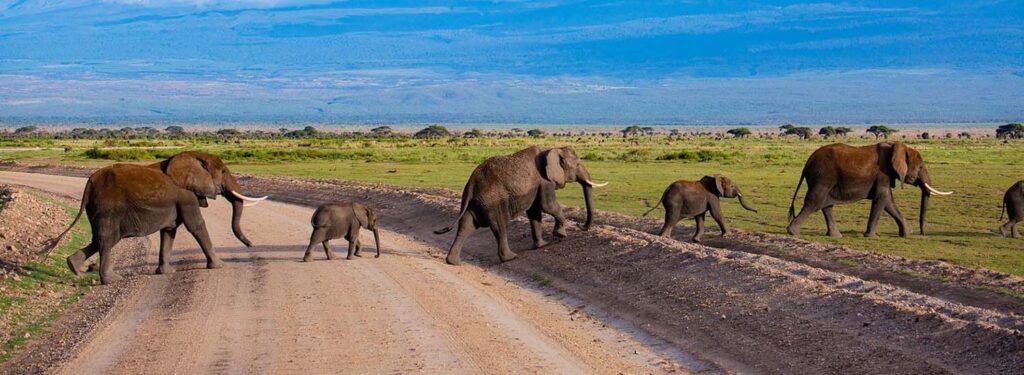
Kenya is incredibly diverse, and each region offers a very different experience. The iconic Masai Mara is unmatched for big cats and the Great Migration. Amboseli is famous for its massive elephant herds walking in the shadow of Mount Kilimanjaro. Samburu, in the north, is home to rare species like the Grevy’s zebra, gerenuk and Somali ostrich.
Before choosing your parks, ask yourself: Do I want big cats, elephants, dramatic landscapes, or rare wildlife? Do I want only wildlife experiences, or a mix of culture and nature? Getting this clarity will help shape a more rewarding itinerary.
2. Understand the True Travel Distances
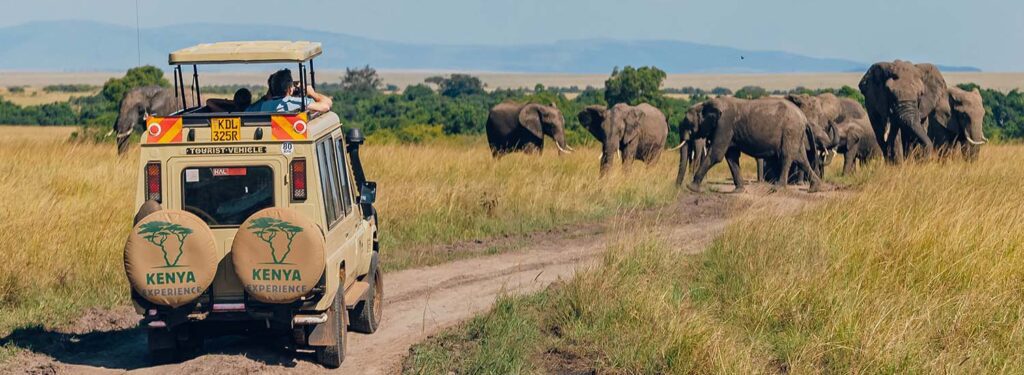
Kenya may look small on the map, but safari drives can be long. For example, Nairobi to Masai Mara takes around 6 hours, while Lake Nakuru to Amboseli can take up to 7 hours. If you try to fit too many parks into one short trip, you’ll spend more time on the road than actually enjoying the wilderness. A well-paced plan is key.
3. Know the Best Time to Visit
The season you choose will shape both your sightings and your budget. The dry season from June to October is best for wildlife viewing and hosts the Great Migration in the Masai Mara. The rainy seasons (March–May and November–December) offer fewer crowds and lower rates, while January–February and June are excellent shoulder months with beautiful scenery and balanced pricing.
4. Understand Safari Costs
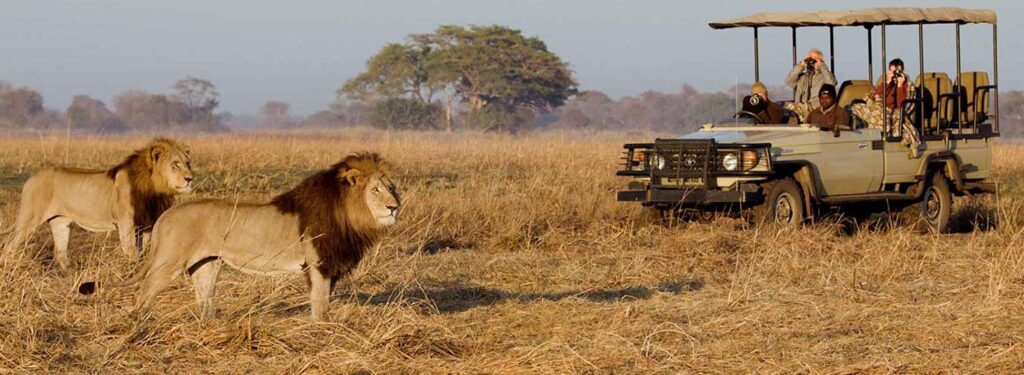
Safari prices can vary widely. Budget group safaris generally range from $100–$250 per day, mid-range options from $300–$700, and luxury or private safaris from $900–$2,000+ per day. Factors influencing cost include accommodation type, park fees, transport style and guide expertise. What truly matters is not just price, but the value and experience you receive.
5. Choose Between Group and Private Safaris
Group safaris are more affordable and social, but follow fixed schedules. Private safaris, on the other hand, offer full flexibility, personalised routes, and extra comfort, ideal for couples, families and photographers who want complete control over their time.
6. Your Safari Operator Matters Most

The operator you choose can make or break your experience. A professional and ethical operator ensures knowledgeable guides, well-maintained vehicles, safety, and respect for wildlife. Always check reviews, ask for itineraries, and clearly communicate your expectations and budget.
7. Be Mindful of Cultural Experiences

Not all village visits are authentic. Some are staged solely for tourists. Look for community-based experiences that truly support local families and preserve traditions. Ask how your visit benefits the community, and ethical tourism should uplift local livelihoods.
8. Respect Wildlife & Follow Safety Rules
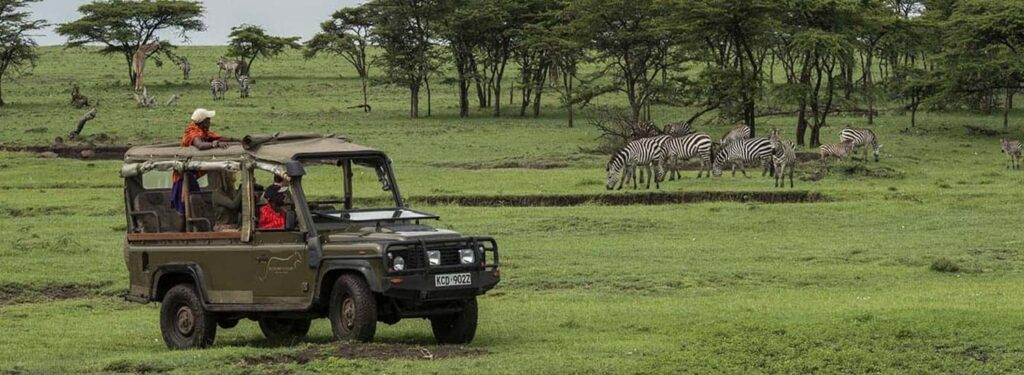
A safari is not a zoo; it’s the animals’ natural habitat. Always remain inside the vehicle, keep a safe distance, avoid loud noises, and strictly follow your guide’s instructions. Responsible behaviour protects both you and the wildlife.
9. Pack Smart for All Conditions
Temperatures vary widely. Mornings and evenings can be chilly, while afternoons may be hot and dry. Pack layers, neutral-coloured clothing, sunscreen, sunglasses, a hat, comfortable shoes, and of course, your camera and binoculars.
10. Plan Payments in Advance
While cards are accepted in cities and luxury lodges, remote areas are largely cash-based. Kenyan Shillings are best for small expenses, souvenirs and tipping. ATMs may limit withdrawals, so come prepared.
A well-planned Kenya safari gives you more than wildlife sightings; it gives you raw emotion, breathtaking scenery, deep cultural insights, and memories that stay with you forever. Your journey deserves expert planning and mindful execution.
Ready to plan your Kenya safari the right way? Let Scarface Pride craft a personalised journey built just for you.