
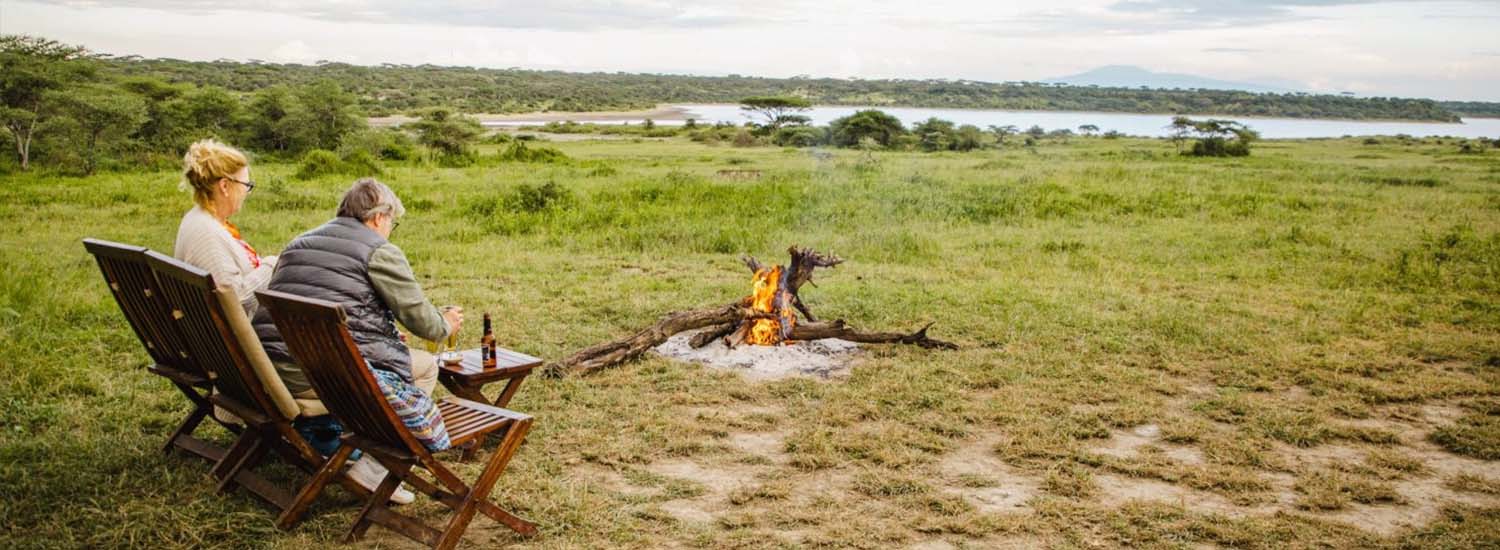
A Tanzania safari often begins with one powerful image: the endless plains of Serengeti National Park, golden grass stretching to the horizon, wildebeest herds on the move, lions resting in the shade, and acacia trees standing still against a vast African sky.
For many first time safari travellers, the Central Serengeti becomes the natural starting point. It is iconic, accessible, wildlife rich, and reliable through much of the year. But the Serengeti is far bigger and more complex than the classic central circuit. Beyond the familiar plains lies a side of the park that is quieter, more seasonal, more cinematic, and deeply rewarding for travellers who want more than a standard safari route.
Moru Kopjes, Kogatende, and Ndutu reveal three very different faces of the Serengeti ecosystem. Moru Kopjes brings ancient granite outcrops, big cats, black rhino conservation, and Maasai rock art. Kogatende brings the northern drama of Mara River crossings during the Great Migration. Ndutu brings the emotional intensity of calving season, where new life and predator action unfold across the southern plains.
Together, these regions turn a simple Serengeti visit into a layered, perfectly timed safari story.
Why This Tanzania Safari Route Goes Beyond The Usual Serengeti
When people think of Serengeti National Park, they imagine endless golden plains, roaming herds, and classic wildlife safaris. It is one of the most famous ecosystems in the world, and naturally, many travellers choose the well known central circuit for their first visit.
Yet beyond the iconic open plains lies a side of the Serengeti that remains quietly spectacular, raw, less crowded, and deeply immersive. Places like Moru Kopjes, Kogatende, and Ndutu offer a richer, more intimate version of this legendary landscape.
The Serengeti is vast, covering around 1.5 million hectares of savannah according to UNESCO, and its annual migration of wildebeest, gazelles, and zebras followed by predators is described as one of the world’s most impressive natural events.
This is why tanzania safari packages should never be planned by destination names alone. The real value comes from matching your travel month with the right Serengeti region.
Understanding The Serengeti Beyond Central Serengeti
Central Serengeti, especially the Seronera area, is famous because it is accessible and wildlife rich throughout the year. It is a strong choice for first time visitors and travellers who want reliable big cat sightings.
But the Serengeti ecosystem is seasonal by nature. Wildlife moves. Rains shift. Grass changes. Camps relocate. Predator activity rises and falls depending on where the herds are. A well designed serengeti safari should follow this rhythm instead of forcing every traveller into the same route.
Moru Kopjes, Kogatende, and Ndutu matter because they each answer a different safari desire.
Moru Kopjes is for landscape, big cats, rhino possibility, and ancient atmosphere.
Kogatende is for Great Migration river crossings and northern wilderness.
Ndutu is for calving season, cheetahs, predator action, and green season drama.
When combined properly, these regions create a luxury Serengeti safari that feels private, intentional, and deeply connected to the land.
Moru Kopjes: The Ancient Stone Kingdom
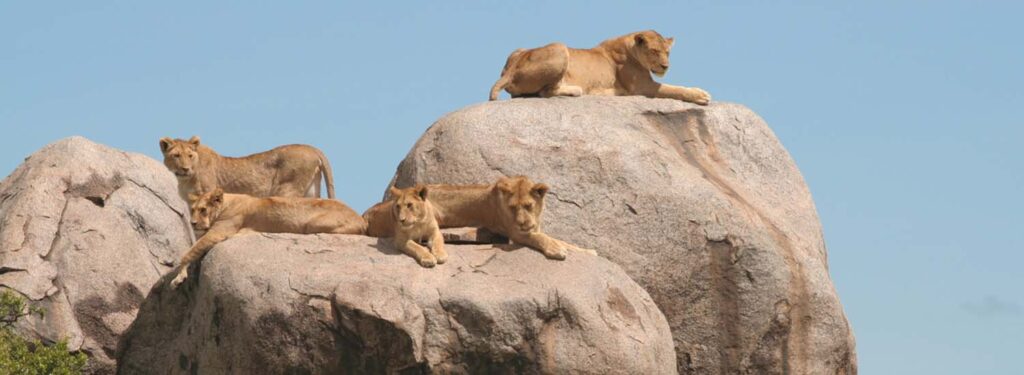
Located in the central Serengeti, near the Seronera region, Moru Kopjes is one of the park’s most mystical and striking landscapes. A “kopje” refers to a rocky granite outcrop, massive stone formations that rise dramatically from the flat savannah like ancient monuments shaped by time. These towering rocks create a powerful contrast against the endless plains and offer shelter, shade, and strategic vantage points for wildlife.
Moru Kopjes is especially famous for its large lion prides, as the elevated rocks provide perfect lookout points and shaded resting areas for predators such as lions and leopards, making it one of the best places in the Serengeti to witness big-cat behaviour in its raw, natural setting.
This area is also one of the few places in the Serengeti where rare black rhinos can still be spotted, under close conservation protection. Adding to its historical depth, the kopjes are scattered with ancient Maasai rock art, offering a glimpse into human stories that date back centuries.
With birds of prey circling overhead and big cats weaving through the tall grass, a visit to Moru Kopjes feels like stepping into nature’s private gallery, quiet, powerful, and timeless.
Best Time To Visit Moru Kopjes
Moru Kopjes can be visited throughout the year because of its Central Serengeti location. Wildlife is generally reliable, and it works well as part of both shorter and longer tanzania safari tours.
January to March can bring movement toward southern plains and Ndutu. June to October can offer strong dry season visibility. November and December may bring greener landscapes and softer light.
For travellers who want year round wildlife, big cats, rocky scenery, and cultural depth, Moru Kopjes is one of the strongest additions to a Serengeti itinerary.
Wildlife To Look For In Moru Kopjes
Lions are the main highlight. Leopards may be seen around rocky areas or trees. Elephants, giraffes, hyenas, buffalo, antelope, and birds of prey also add to the experience.
The landscape itself is a major subject for photographers. Granite rocks, golden grass, resting lions, and wide Serengeti skies create images that feel different from the open plain scenes most travellers expect.
Kogatende: The Grand Stage of The Great Migration
Far north in Serengeti National Park lies Kogatende, close to the Mara River. This is where one of nature’s greatest spectacles unfolds: the legendary river crossings of the Great Migration.
From around July to October, wildebeest and zebras gather near the riverbanks before plunging into crocodile filled waters in a dramatic display of survival. The exact timing changes with rain, grass, and herd movement, but the northern Serengeti becomes one of the most important migration regions during this period.
Kogatende offers a more remote and often less congested viewpoint than some busier crossing areas. Hippos line the river, elephants wander through the bush, and predators wait for opportunity. The open terrain, river systems, and seasonal camps make it ideal for travellers who want the intensity of the migration without losing the feeling of wilderness.
Serengeti migration guidance notes that after the Grumeti River stage, herds move further north and begin crossing the Mara River around July or August before moving toward the Masai Mara region.
If witnessing a once in a lifetime natural event is on your list, Kogatende delivers it in the most cinematic way possible.
Best Time To Visit Kogatende
Kogatende is best from July to October. This is the main window for Northern Serengeti migration movement and Mara River crossing possibilities.
Travelers should understand that crossings are never guaranteed on a specific day. Herds may gather, hesitate, turn back, cross suddenly, or move to another point. This is why private safari Tanzania planning, expert guides, and enough nights in the region matter.
For river crossing focused great migration safari packages, Scarface Pride usually recommends staying long enough in the right zone rather than rushing through Kogatende in one night.
Wildlife To Look For In Kogatende
Wildebeest and zebra herds are the main seasonal focus. Lions, leopards, cheetahs, hyenas, elephants, giraffes, hippos, crocodiles, and abundant birdlife are also present.
The riverine setting adds drama. Unlike open plains, Kogatende combines water, woodland, banks, crossings, predator pressure, and quiet northern wilderness.
Ndutu: Where Life Begins
Located between the southern Serengeti and the Ngorongoro Conservation Area, Ndutu transforms during the green season into a nursery for life. From January to March, this region becomes one of the main calving grounds of the Great Migration.
In a matter of weeks, huge numbers of wildebeest calves are born across the plains. The spectacle attracts predators, especially cheetahs, lions, hyenas, jackals, and sometimes leopards. The result is one of the most emotional and intense wildlife periods in East Africa.
Ndutu is not only about action. It is also about softness. The plains are green, the skies are dramatic, and the seasonal Lake Ndutu attracts flamingos and migratory birds. For photographers and birdwatchers, it is one of the most rewarding periods in the Serengeti ecosystem.
Serengeti migration sources consistently place February as a peak calving period in Ndutu and the southeastern plains, with large herds and predator activity concentrated in the area.
For travellers seeking action, emotion, and nature’s most raw moments, Ndutu is unmatched.
Best Time To Visit Ndutu
Ndutu is best from January to March, with February often considered the peak calving month. December can also be productive as herds begin returning south, while early April may still offer movement depending on rains.
The best time to visit Tanzania for safari depends on what you want to see. If Mara River crossings are the dream, Kogatende is stronger from July to October. If newborn calves and predator action are the dream, Ndutu is the better choice from January to March.
Wildlife To Look For In Ndutu
Ndutu is exceptional for wildebeest calves, zebras, gazelles, cheetahs, lions, hyenas, jackals, and vultures. It is one of the best regions in Tanzania for observing predator prey behaviour in open terrain.
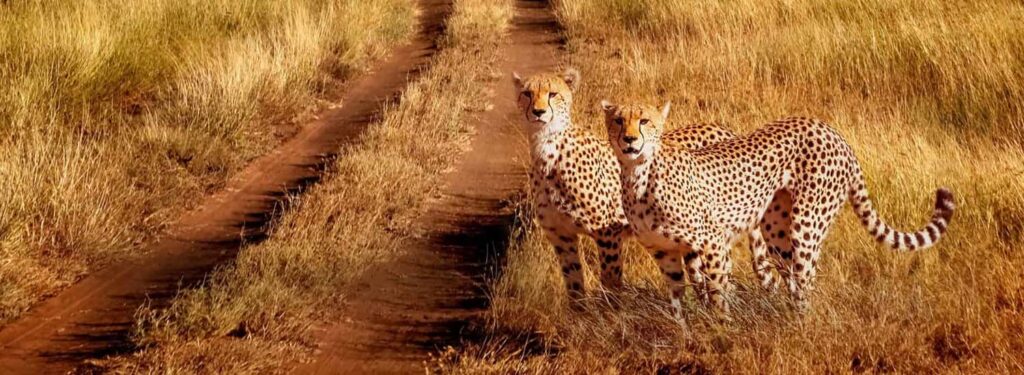
Cheetahs thrive here because the plains are wide and suitable for high speed hunting. For wildlife photographers, this combination of open space, soft light, green grass, and dramatic action is hard to beat.
Moru Kopjes Vs Kogatende Vs Ndutu
Each region offers a different Serengeti experience. Choosing between them depends on your travel month and safari goal.
Choose Moru Kopjes If You Want
- Year round Central Serengeti wildlife
- Big cats and rocky landscapes
- Possible black rhino sightings
- Ancient Maasai rock art
- A strong add on to Seronera
- Classic wilderness with visual drama
Choose Kogatende If You Want
- Mara River crossing possibilities
- Northern Serengeti wilderness
- Great Migration drama from July to October
- Seasonal luxury camps
- River based wildlife scenes
- A quieter alternative to busier migration routes
Choose Ndutu If You Want
- Calving season from January to March
- Newborn wildebeest and predator action
- Cheetah sightings
- Green season photography
- Birdlife and flamingos around seasonal lakes
- A deeply emotional safari experience
Why Choose These Regions Over Only Central Serengeti?
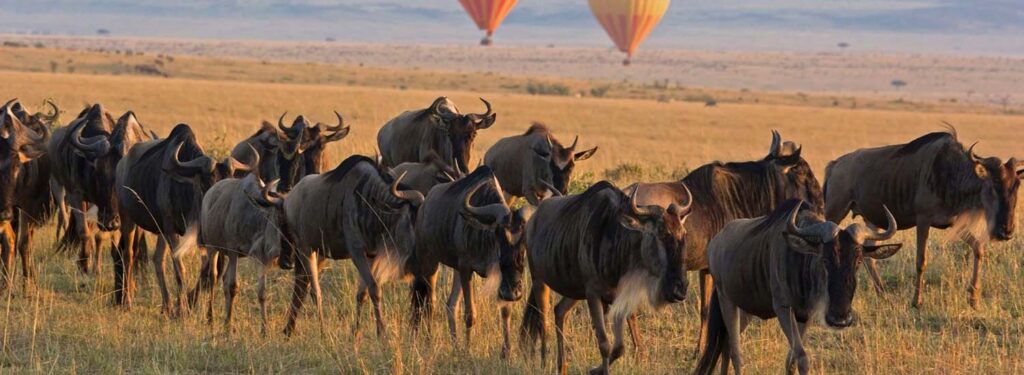
Central Serengeti is iconic, but these regions offer something just as powerful and often more exclusive. Each area has its own peak wildlife season, and the best safari circuits are thoughtfully planned around the time of your visit.
From dramatic river crossings and ancient rocky outcrops to lush green plains dotted with newborn calves, these zones reveal different faces of the Serengeti throughout the year.
They also come with fewer crowds, more diverse terrain, and highly specific wildlife encounters that shift with the seasons. This approach does not just give you a safari. It gives you a perfectly timed journey, designed to meet the migration, predators, and landscapes at their most extraordinary.
Less touristy. More intentional. More unforgettable.
Accommodation In Moru Kopjes, Kogatende And Ndutu
Accommodation options vary by region and season.
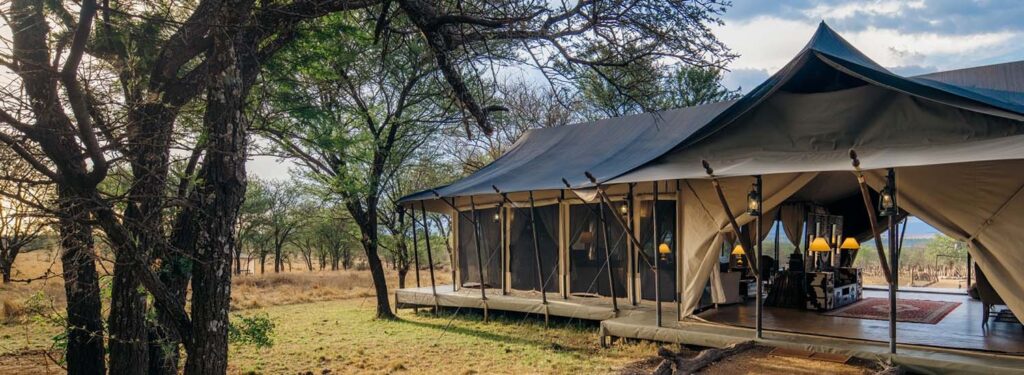
Moru Kopjes, located in the Central Serengeti, is a year round destination with more fixed luxury camps and lodges nearby. This makes it ideal for consistent wildlife viewing and travellers who want a strong base with reliable access.
Ndutu and Kogatende are more seasonal hotspots. Many camps in these areas are mobile or semi permanent, positioning guests close to peak wildlife activity during specific times of year. This is especially important for great migration safari packages because camp location can affect how much time you spend driving to the action.
A luxury tanzania safari package should consider not only the quality of the camp but also whether that camp is in the right region for your month of travel.
Fly In Safaris And Remote Access
Most travellers access remote Serengeti regions through scenic fly in safaris from Arusha or other safari hubs. This turns the journey itself into part of the Serengeti experience.
Flying saves time, reduces long road transfers, and gives you aerial views of Tanzania’s wilderness. For luxury travellers, honeymooners, families, and photographers, fly in routing can make the itinerary smoother and more comfortable.
A fly in serengeti safari can also help connect Kogatende, Ndutu, Central Serengeti, Ngorongoro Crater, and Zanzibar more efficiently.
How To Combine Moru Kopjes, Kogatende And Ndutu
You usually do not combine all three regions in the same short trip unless the itinerary is carefully designed. The best combination depends on the season.
January To March Route
Ndutu plus Moru Kopjes works very well. Begin in the southern plains for calving season, then continue toward Central Serengeti and Moru Kopjes for big cats, rocky landscapes, and varied wildlife. Add Ngorongoro Crater before or after Serengeti for a complete northern Tanzania circuit.
July To October Route
Kogatende plus Moru Kopjes is ideal. Spend time in Northern Serengeti for migration river crossing possibilities, then include Central Serengeti and Moru Kopjes for year round predator sightings and iconic Serengeti scenery.
Longer Luxury Route
For a longer luxury serengeti safari, combine Arusha, Tarangire, Ngorongoro Crater, Central Serengeti, Moru Kopjes, and either Ndutu or Kogatende depending on the season. Add Zanzibar at the end for a tanzania safari and Zanzibar experience.
Suggested 8 Day Tanzania Safari Itinerary
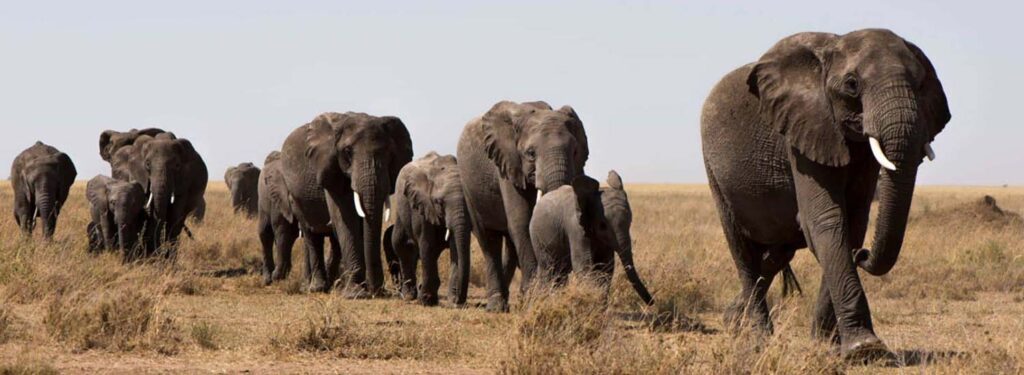
This sample Tanzania safari itinerary is designed for travellers who want a deeper Serengeti experience without rushing.
Day 1: Arrive In Arusha
Arrive in Tanzania, rest, meet your safari planner or guide, and prepare for the journey.
Day 2: Fly To Central Serengeti
Fly into Serengeti National Park and begin with an afternoon game drive around Seronera or nearby plains.
Day 3: Moru Kopjes
Explore Moru Kopjes for lions, rocky landscapes, possible rhino sightings, birds of prey, and ancient Maasai rock art.
Day 4: Central Serengeti Wildlife
Enjoy a full day of game drives, focusing on big cats, elephants, giraffes, and classic Serengeti plains.
Day 5 And 6: Seasonal Region
Choose Kogatende from July to October for river crossing possibilities. Choose Ndutu from January to March for calving season and predator action.
Day 7: Ngorongoro Crater
Continue toward Ngorongoro Crater for a dramatic change in landscape and high density wildlife viewing.
Day 8: Return Or Extend To Zanzibar
Fly back or extend the journey with Zanzibar for a beach and safari combination.
Is This Route Good For Families And Honeymooners?
Yes, when planned correctly.
For families, Moru Kopjes and Central Serengeti give reliable wildlife without requiring every day to be long and intense. Ndutu can be exciting for older children interested in predator action, while Kogatende is better for families who understand that river crossings require patience.
For honeymooners, these regions are exceptional. A private safari Tanzania experience can include luxury camps, private game drives, sundowners, intimate dining, scenic flights, and a beach extension.
For couples considering african safari honeymoon packages, a Serengeti and Zanzibar combination is one of the strongest options in East Africa.
Photography Tips For These Serengeti Regions
Moru Kopjes is excellent for wide angle landscapes, lions on rocks, silhouettes, and dramatic foreground compositions.
Kogatende is best for action photography, river crossings, crocodiles, herds, dust, and tense waiting moments.
Ndutu is ideal for green season colour, cheetah hunts, newborn calves, birds, and emotional wildlife storytelling.
Carry a long lens for wildlife, a wider lens for landscapes, extra batteries, dust protection, and enough memory cards. The Serengeti rewards patience, so do not rush sightings only to chase the next animal.
Why the Best Safari Experiences are Seasonal
The most memorable safari experiences are shaped by timing as much as destination. Wildlife movements, river crossings, calving season, predator activity, and even landscape colours change throughout the year, making each season offer something unique.
Places like Moru Kopjes, Kogatende, and Ndutu each come into their own at different times of the year. Travellers who plan around these seasonal rhythms often enjoy more rewarding wildlife encounters, fewer crowds in certain areas, and experiences that feel far more personal than simply following the standard safari circuit.
For Scarface Pride, luxury safari planning is about more than selecting renowned lodges or iconic parks. It is about understanding nature’s calendar and designing every journey around the experiences that matter most to each traveller. That thoughtful approach transforms a safari from a holiday into a truly unforgettable adventure.
FAQ Section
1.Are Moru Kopjes, Kogatende and Ndutu inside Serengeti National Park?
Moru Kopjes and Kogatende are within Serengeti National Park. Ndutu lies between the southern Serengeti and the Ngorongoro Conservation Area, forming an important part of the wider Serengeti ecosystem.
2. What is the best time to visit Kogatende?
Kogatende is best from July to October, when the Great Migration is usually in the Northern Serengeti and Mara River crossing possibilities are strongest.
3. Are these regions suitable for a luxury safari?
Yes. These regions work very well for luxury tanzania safari packages, especially with private vehicles, fly in routing, expert guides, and carefully selected seasonal camps.
4. What is the best time to visit Ndutu?
Ndutu is best from January to March, especially around February, when wildebeest calving season attracts major predator activity.
5. Can I combine Ndutu and Kogatende in one trip?
It is possible on a longer itinerary, but they peak in different seasons. Ndutu is best from January to March, while Kogatende is best from July to October.
6. What is the best time to visit Moru Kopjes?
Moru Kopjes is a year-round destination with excellent wildlife viewing in every season. It is especially known for having one of the highest concentrations of resident lions in the Serengeti.
7. Can I add Zanzibar after this Serengeti route?
Yes. Kogatende, Seronera (Central Serengeti), and Ndutu all have nearby airstrips, making fly-in connections to Zanzibar quick and convenient. This allows you to combine a luxury safari with a relaxing beach escape seamlessly.
Ready to explore the Serengeti that few travellers truly understand?
Let Scarface Pride curate a private, tailor-made Tanzania safari through Moru Kopjes, Kogatende, Ndutu, Ngorongoro Crater, and the most rewarding seasonal wildlife zones. Plan My Safari and discover Tanzania beyond the postcard, beyond the crowds, and the Scarface Pride way.