
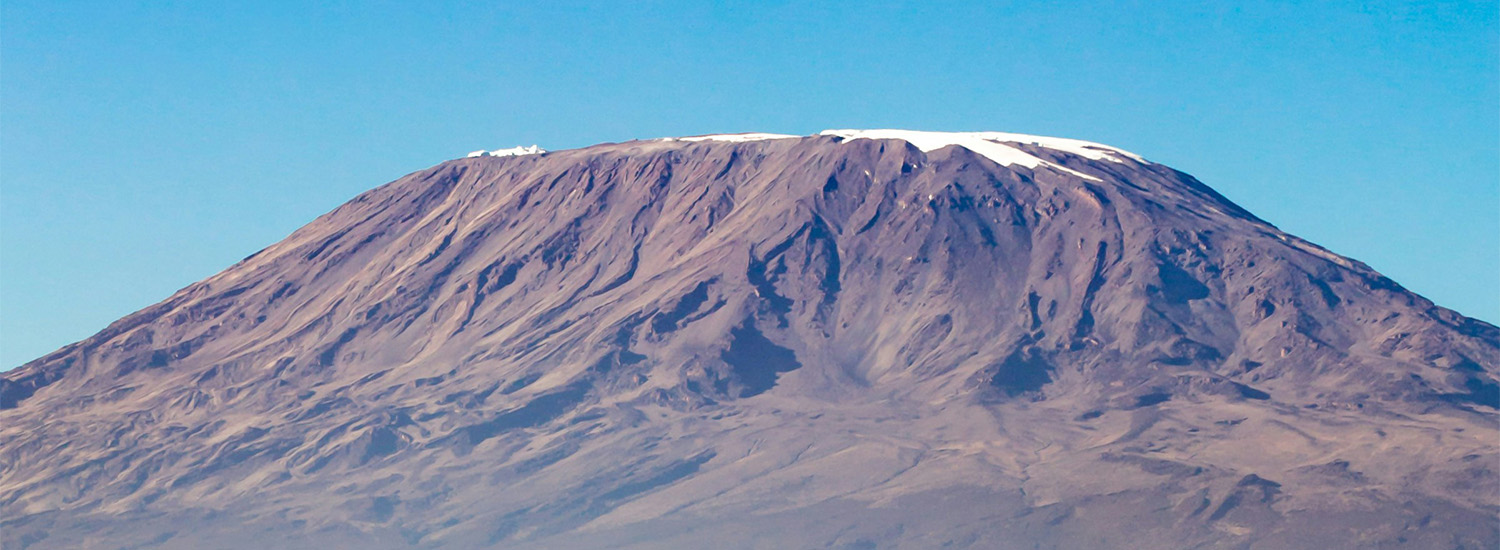
Climbing Mount Kilimanjaro, Africa’s highest peak at 19,341 feet (5,895 meters), is a dream adventure for travelers, trekkers, and outdoor enthusiasts worldwide. Every year, thousands of people attempt this incredible journey to stand atop Uhuru Peak and witness breathtaking sunrise views above the clouds.
Unlike many high-altitude mountains, Kilimanjaro is a non-technical climb, meaning you don’t need ropes, ice axes, or professional mountaineering experience. However, reaching the summit still requires careful planning, physical preparation, and the right mindset.
This mount kilimanjaro climbing guide will help you understand everything you need to know before your adventure, from training and route selection to acclimatization, packing essentials, and mental preparation, ensuring you maximize your chances of a successful summit.
1. Start Training Early
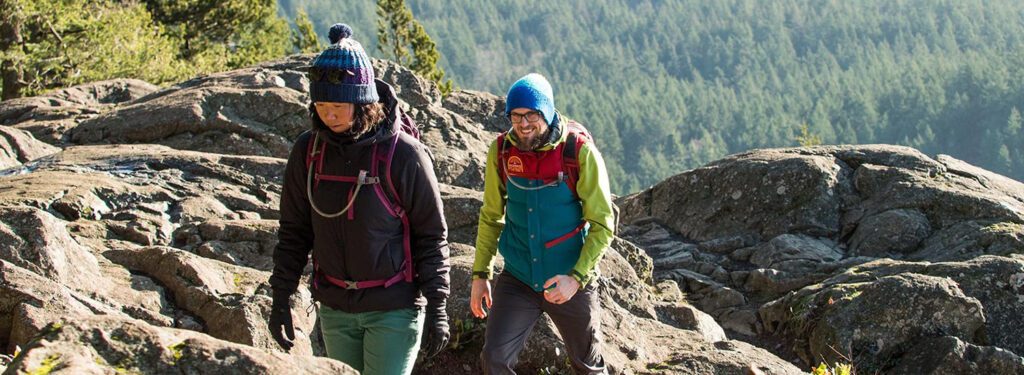
While technical climbing skills aren’t required, Kilimanjaro demands endurance and consistency. Begin your fitness preparation at least 2–3 months before your departure.
Focus on:
Hiking Practice
- Long walks or hikes on trails with elevation gain.
- Practice carrying a loaded backpack.
- Build stamina by increasing distance weekly.
Cardio Workouts
Improve your lung capacity with:
- Stair climbing
- Running
- Swimming
- Cycling
Aim for 3–5 cardio sessions per week.
Strength Training
Pay extra attention to:
- Legs
- Core
- Lower back
These muscle groups will support you during multiple days of trekking.
2. Choose the Right Route
Choosing the right route significantly impacts your summit success.
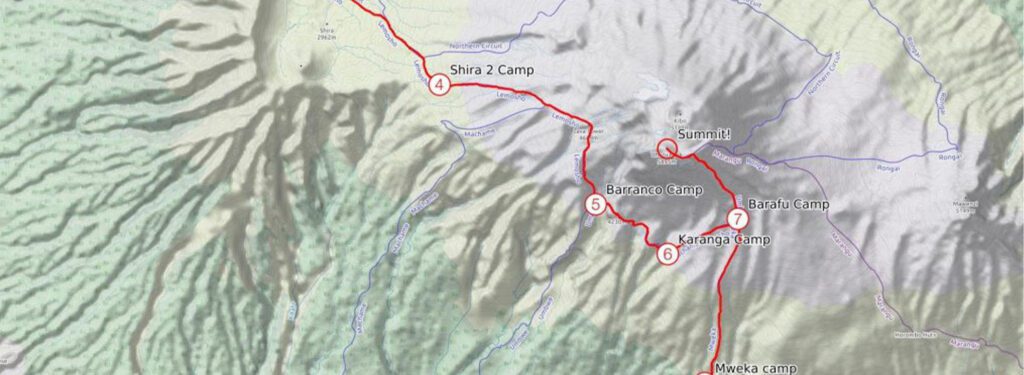
Lemosho Route (8 Days)
- Scenic and remote.
- Excellent acclimatization profile.
- Approximate success rate: 90%.
- Difficulty: Moderate to challenging.
Machame Route (7 Days)
- One of the most popular routes.
- Diverse landscapes and excellent scenery.
- Great “climb high, sleep low” profile.
- 6-day success rate: Around 73%.
- 7-day success rate: Around 85–95%.
- Difficulty: Moderate to high.
Marangu Route (5–6 Days)
Often called the “Coca-Cola Route.”
- Only route offering hut accommodations instead of tents.
- More comfortable sleeping arrangements.
- Slower, steady ascent.
- Success rate: Approximately 65–70%.
- Less acclimatization time due to shorter duration.
If this is your first attempt, this mount kilimanjaro climbing guide strongly recommends choosing longer itineraries for better acclimatization and higher summit success.
3. Acclimatization is Everything
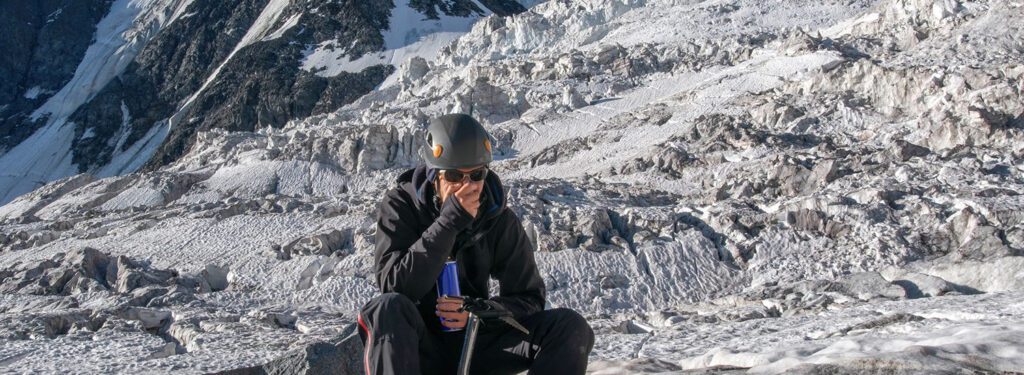
The biggest challenge on Kilimanjaro isn’t fitness—it’s altitude sickness.
To reduce risks:
- Walk slowly and steadily (“pole pole” as the locals say).
- Drink 3–4 liters of water daily.
- Avoid alcohol at high altitude.
- Eat light, nutritious meals.
- Listen to your body and communicate any symptoms to your guide.
Never underestimate the importance of acclimatization. Going slower often increases your chances of reaching the summit.
4. Pack Smart
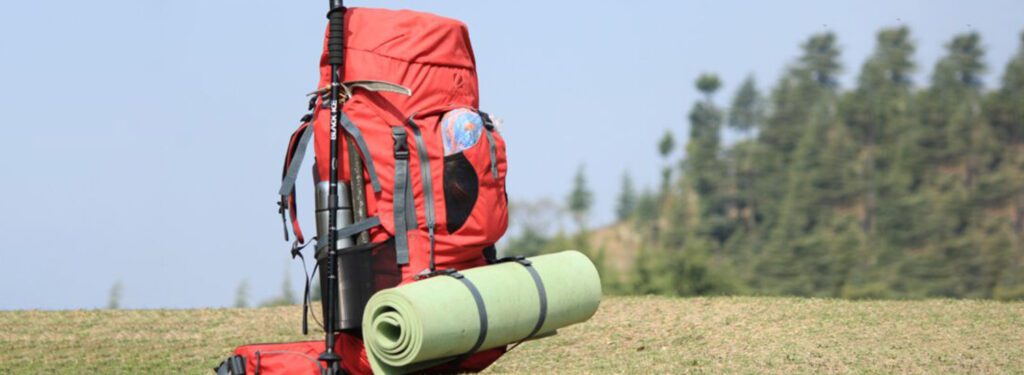
Kilimanjaro’s climate changes dramatically, from tropical rainforests to freezing summit temperatures.
Essential Clothing
- Moisture-wicking base layers
- Mid layers
- Insulated down jacket
- Waterproof outer shell
Essential Gear
- Well broken-in hiking boots
- Comfortable daypack
- Hydration system
- Headlamp
- Gloves
- Wool socks
- Sunscreen
- Lip balm
- Wide-brim hat
Snacks & Medication
- Energy bars
- Electrolyte tablets
- Trail mix
- Altitude medication (consult your doctor)
Essential Add-ons: What You Shouldn’t Forget

Travel Insurance
Choose a policy that covers:
- High-altitude trekking up to 6,000 meters
- Emergency evacuation
- Medical treatment
Many standard travel insurance plans exclude adventure activities, so always verify the coverage details.
Gear Rentals
Most tour operators provide rental equipment, including:
- Down jackets
- Sleeping bags
- Trekking poles
- Headlamps
This is ideal for first-time climbers and those travelling light.
Hydration & Daypacks
Carry:
- Hydration bottles or CamelBak systems
- A comfortable 25–35 litre daypack
Trekking Poles
Highly recommended because they:
- Reduce pressure on your knees
- Improve stability
- Help during steep descents and loose scree sections
5. Mental Preparation Matters
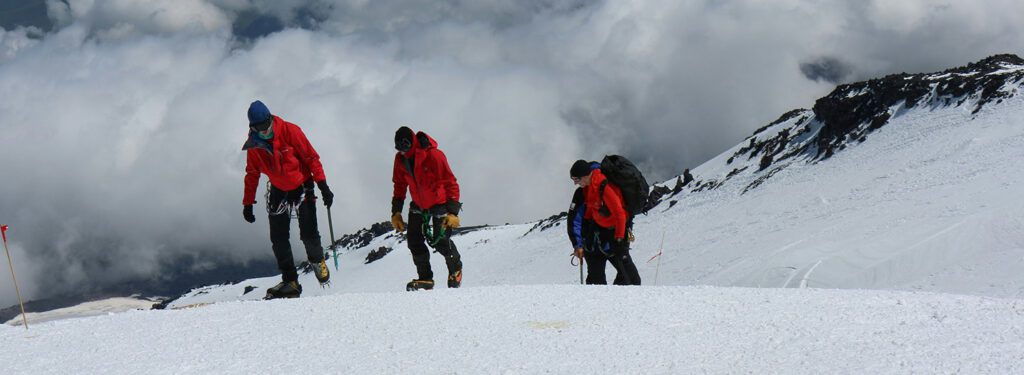
Kilimanjaro is as much a mental challenge as it is a physical one.
Prepare yourself for:
- Basic camp facilities
- Shared toilets
- No showers for several days
- Cold nights
- A midnight summit push
The final summit attempt often begins around midnight in freezing temperatures and strong winds.
Stay patient, trust your guides, and remember that Kilimanjaro is not a race.
Every step brings you closer to one of the world’s most rewarding achievements.
This mount kilimanjaro climbing guide encourages climbers to focus on consistency rather than speed. Slow and steady almost always wins the mountain.
FAQ’s
1. How difficult is it to climb Mount Kilimanjaro?
Mount Kilimanjaro is considered physically demanding but not technically difficult. Anyone with a good fitness level and proper preparation can successfully attempt the climb.
2. How long does it take to climb Mount Kilimanjaro?
Most routes take between 5 to 9 days. Longer routes offer better acclimatization and improve summit success rates.
3. What is the best route for beginners?
The Lemosho and 7-day Machame routes are often recommended because they provide excellent acclimatization and higher success rates.
4. Do I need previous climbing experience?
No. Kilimanjaro is a non-technical mountain and does not require prior mountaineering experience.
5. What is the best time to climb Mount Kilimanjaro?
The best seasons are:
- January to March
- June to October
These periods generally offer drier weather and better trekking conditions.
6. Can altitude sickness affect anyone?
Yes. Altitude sickness can affect anyone regardless of age or fitness level. Proper acclimatization is essential.
7. Is travel insurance mandatory?
While not always mandatory, it is highly recommended and should include high-altitude trekking and emergency evacuation coverage.