
×
Menu
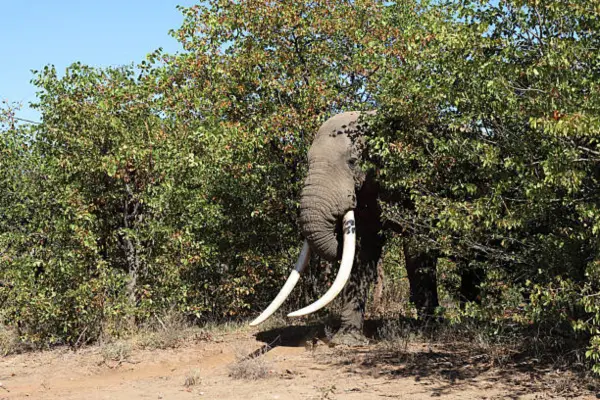
Africa is home to some of the world’s most magnificent elephants, but only a rare few earn the title of African Tuskers. These extraordinary elephants are celebrated for their massive ivory tusks, each weighing over 45 kg (100 pounds). Once common across the continent, true tuskers have become exceptionally rare due to decades of ivory poaching and habitat loss. Today, spotting an African Tusker is considered one of the greatest wildlife experiences on an African safari.
For travellers visiting Kenya, encountering an African Tusker is more than a wildlife sighting—it’s a glimpse into Africa’s natural heritage and a reminder of the importance of conservation. Scarface Pride curates luxury safari experiences that offer guests the best opportunities to witness these iconic giants in their natural habitat.
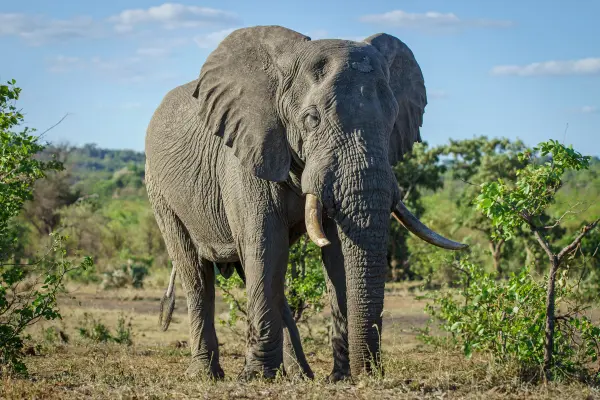
An African Tusker is an African bush elephant whose tusks are so large that they nearly touch the ground. Both tusks typically weigh more than 100 pounds each, making these elephants among the largest ivory carriers ever recorded.
Unlike ordinary elephants, tuskers are exceptionally rare because very few survive long enough to develop such enormous tusks. Mature tuskers are usually over 40 years old and represent generations of strong genetics combined with safe habitats that have allowed them to reach old age.
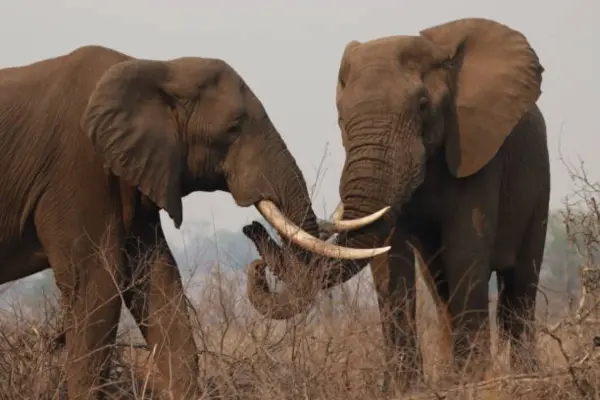
Their impressive tusks are used for digging waterholes, stripping bark from trees, moving fallen logs, and defending themselves. Although their tusks are remarkable, these elephants are known for their calm temperament and intelligence.
The best place to encounter African Tuskers is Kenya’s Amboseli National Park. With the snow-capped peak of Mount Kilimanjaro as its backdrop, Amboseli offers one of Africa’s most iconic safari landscapes.
The park supports a thriving elephant population thanks to decades of conservation efforts and scientific research. Its open plains and lush marshes provide excellent visibility, making elephant sightings common throughout the year. This makes Amboseli a favorite destination for wildlife photographers and safari enthusiasts hoping to witness these magnificent giants in their natural habitat.
Other regions where African Tuskers have been recorded include:
However, Amboseli National Park remains the undisputed home of Africa’s most famous tuskers, offering visitors the highest chance of seeing these legendary elephants in the wild.
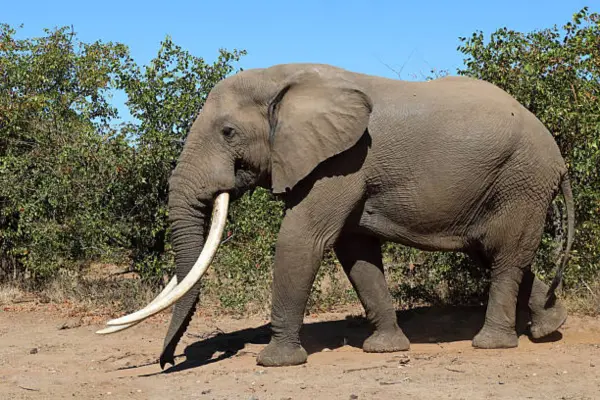
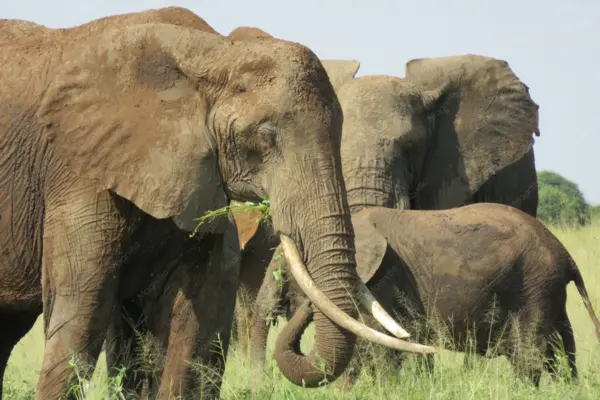
Over the years, several remarkable African Tuskers have become famous among wildlife photographers, researchers, and safari enthusiasts for their extraordinary tusks, gentle nature, and contribution to elephant conservation.
Perhaps the most celebrated African Tusker, Tim became a global ambassador for elephant conservation. Easily recognised by his enormous sweeping tusks, Tim lived peacefully in Amboseli National Park for nearly five decades.
Despite his massive size, Tim was known for his gentle nature and often allowed safari vehicles to observe him at close range. He passed away naturally in 2020, leaving behind an extraordinary conservation legacy.
Craig is another legendary African Tusker who continues to inspire visitors from around the world. Believed to be one of Kenya’s oldest elephants, Craig’s tusks are among the largest still carried by a living elephant.
Researchers closely monitor his movements, and every sighting is considered a privilege. His continued survival represents decades of successful elephant conservation.
Named after the famous Russian author because of his wise appearance, Tolstoy is another iconic African Tusker often seen in Amboseli. His long, symmetrical tusks and calm personality have made him one of the park’s favourite elephants among photographers.
One Ton earned his memorable name because his tusks were estimated to weigh nearly one ton together with his enormous body mass. His impressive stature made him one of the largest elephants documented in East Africa.
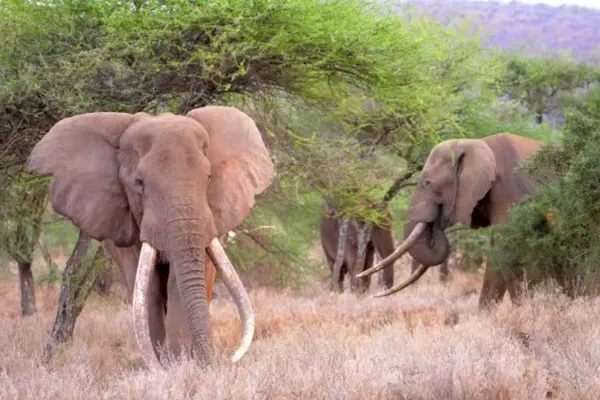
Only a tiny number of elephants alive today qualify as African Tuskers. Their rarity is the result of several factors that have impacted elephant populations over many decades.
For decades, elephants with the largest tusks were specifically targeted by ivory poachers. Many exceptional bulls were killed before reaching old age, preventing future generations from inheriting the same remarkable genetics.
Growing human populations have reduced elephant migration routes across East Africa. Expanding agriculture, roads, and settlements have fragmented habitats, making survival increasingly difficult for large elephant populations.
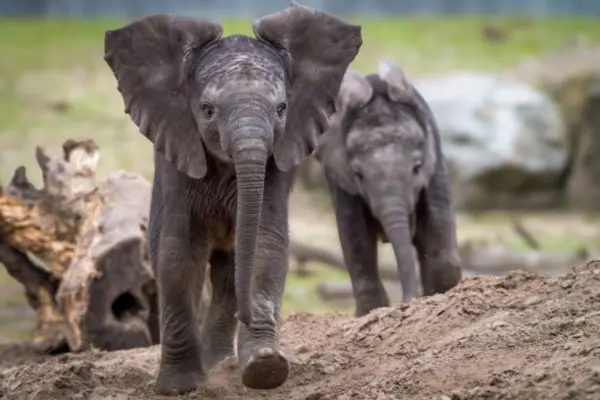
Elephants have one of the longest reproductive cycles among mammals. Females carry calves for nearly 22 months and usually produce only one calf every four to six years, making population recovery extremely slow.
Amboseli National Park has become one of Africa’s greatest conservation success stories.
The Amboseli Elephant Research Project, one of the world’s longest-running elephant studies, has monitored generations of elephants for more than five decades. Researchers have documented family relationships, behaviour, migration patterns, and health, providing invaluable data for elephant conservation.
The collaboration between wildlife authorities, conservation organisations, and local Maasai communities has helped protect many of Kenya’s remaining African Tuskers.
Conservation cannot succeed without the support of local communities.
The Maasai people have lived alongside elephants for generations and play a vital role in protecting wildlife. Community conservancies surrounding Amboseli create safe corridors that allow elephants to migrate naturally while generating tourism income for local families.
Responsible tourism also contributes directly to conservation by supporting anti-poaching initiatives, wildlife monitoring, ranger patrols, and community development projects.
Although ivory poaching has declined significantly compared to previous decades, African Tuskers still face several ongoing challenges.
Protecting these giants requires continued cooperation between governments, conservation groups, researchers, and local communities.
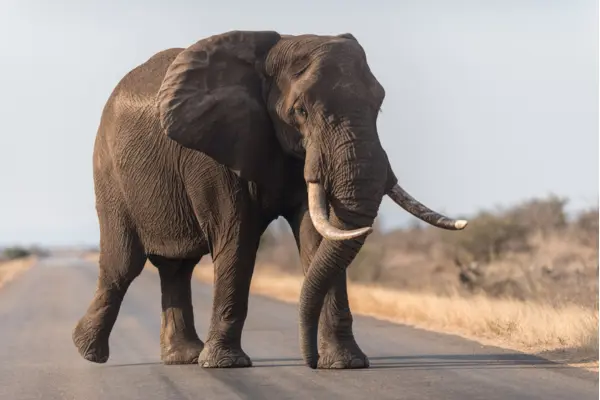
Watching an African Tusker walk silently across the Amboseli plains is one of the most unforgettable moments on an African safari.
Their sheer size, graceful movements, and remarkable intelligence leave a lasting impression on every traveller. Every encounter also serves as a reminder that these magnificent elephants have survived decades of challenges and represent one of Africa’s greatest conservation achievements.
For photographers, wildlife enthusiasts, and first-time safari travellers alike, witnessing an African Tusker in its natural habitat is an experience that few places in the world can offer.
At Scarface Pride, we believe every safari should create meaningful wildlife encounters while supporting responsible tourism.
Our carefully curated Kenya safari experiences take you to Amboseli National Park and other renowned wildlife destinations, giving you the best opportunity to witness the legendary African Tuskers alongside lions, cheetahs, giraffes, zebras, and countless other iconic African species.
Whether you’re planning your first safari or returning to Africa in search of its most extraordinary wildlife, an encounter with an African Tusker is an experience you’ll treasure forever.
Want To Know More About Masai Mara? Visit Today!
We offer the best offers with specially curated tours.
Come and experience the wild and the beauty of Africa.