
Why Amboseli National Park is Famous for Elephant Safaris
- byprachar
- - July 3, 2026
Home » Blog » Why Amboseli National Park is Famous for Elephant Safaris
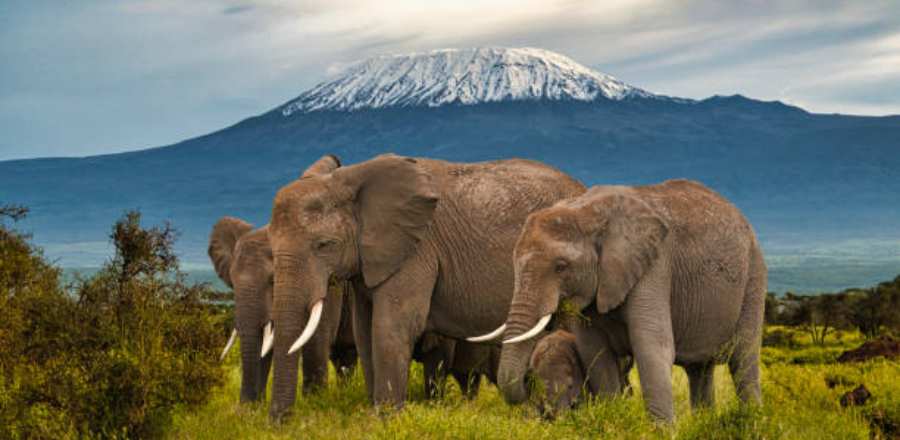
Imagine watching a herd of elephants move gracefully across open plains while the snow-capped peak of Mount Kilimanjaro rises in the background. This iconic scene has made Amboseli National Park one of Africa’s most celebrated safari destinations.
Known for its remarkable elephant population, breathtaking landscapes, and exceptional wildlife viewing, the park offers experiences that leave a lasting impression on first-time and seasoned safari travellers alike. While Kenya is home to several renowned wildlife reserves, few places provide such intimate encounters with elephants in an open, picturesque setting.
If you have ever wondered why Amboseli National Park is famous, the answer lies in its thriving elephant herds, successful conservation efforts, and unforgettable safari experiences.
Where Is Amboseli National Park Located?
Amboseli National Park is situated in southern Kenya, close to the Tanzanian border. Covering approximately 392 square kilometres, it lies at the foot of the majestic Mount Kilimanjaro, Africa’s highest mountain.
The park is easily accessible from Nairobi, making it a popular addition to both short and extended Kenya safari itineraries. Travellers can reach the park by road in around four to five hours or take a scheduled domestic flight to one of the nearby airstrips.
Its unique ecosystem consists of open savannah, seasonal wetlands, acacia woodlands, dry lake beds, and marshes fed by underground streams from Kilimanjaro’s melting snow. This permanent water source attracts wildlife throughout the year, creating excellent game-viewing opportunities regardless of the season.
Experience the Magic of Amboseli
Book your dream elephant safari with Scarface Pride.
Why Amboseli National Park is Famous for Elephant Safaris
Among Africa’s leading wildlife destinations, Amboseli National Park has earned a global reputation for offering some of the finest elephant safaris. Unlike many parks where thick vegetation limits visibility, Amboseli’s open plains allow visitors to observe elephants naturally without obstruction.
Large Tusker Elephants
One of the biggest attractions is the presence of magnificent “Big Tuskers.” These are mature bull elephants with exceptionally long tusks that sometimes reach the ground due to their size and weight.
Such elephants have become increasingly rare across Africa, making sightings in Amboseli particularly special. Seeing these giants walking against the backdrop of Mount Kilimanjaro is one of the continent’s most iconic safari moments.
Multi-Generational Elephant Herds
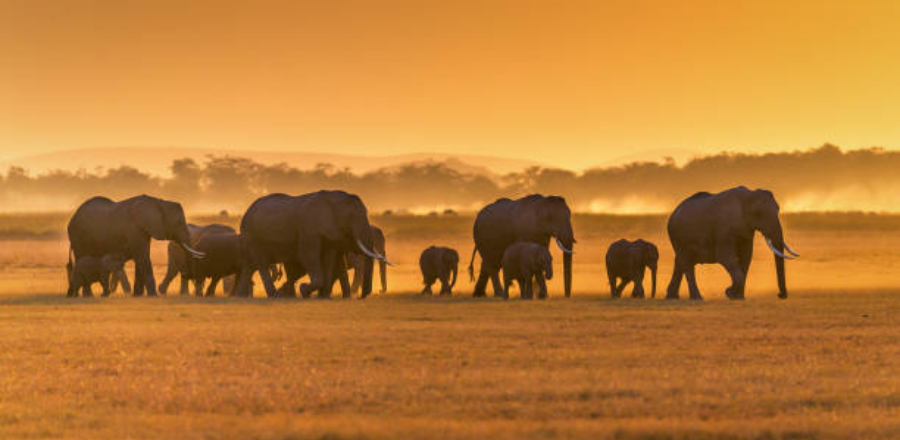
Amboseli is home to large family groups led by experienced matriarchs. Visitors often witness calves walking alongside mothers, playful juveniles interacting with siblings, and mature bulls joining the herds during breeding periods.
These multi-generational groups provide fascinating insights into elephant behaviour, communication, and social bonds. Spending time observing a herd reveals how protective, intelligent, and emotionally connected these animals truly are.
Close Wildlife Encounters
Because elephants are accustomed to safari vehicles that follow responsible wildlife-viewing practices, guests often enjoy remarkably close—but respectful—encounters.
Watching elephants feed, dust themselves, cross the marshes, or interact with one another offers an immersive safari experience that few destinations can match. These natural encounters are one of the primary reasons travellers choose Amboseli when planning a Kenya safari.
The Story Behind Amboseli’s Iconic Elephant Population
A significant reason behind the park’s reputation is its long-standing commitment to elephant conservation.
For decades, researchers have closely monitored the elephant population, documenting family structures, behaviour, migration patterns, and individual animals. This extensive research has greatly improved global understanding of elephant ecology and social dynamics.
Conservation initiatives, anti-poaching measures, and community involvement have helped protect many of the park’s famous elephants. Local communities also play an important role in preserving wildlife by supporting sustainable tourism and conservation programs.
The combination of scientific research, responsible park management, and community participation has enabled Amboseli to remain one of Africa’s safest and most important habitats for elephants.
Best Places in Amboseli to See Elephants
While elephants roam throughout the park, certain areas consistently provide exceptional viewing opportunities.
The marshes are among the most reliable locations, especially during the dry season when elephants gather to drink, feed, and cool themselves. These wetlands remain green year-round because they receive underground water from Mount Kilimanjaro.
Open grasslands surrounding the marshes are ideal for observing large herds travelling together, while seasonal swamps often attract mothers with young calves.
Observation Hill offers panoramic views of the surrounding landscape, making it an excellent place to appreciate the movement of elephant herds across the plains while spotting other wildlife in the distance.
Early morning and late afternoon game drives generally provide the best sightings, as elephants are more active during the cooler parts of the day.
Best Time to Visit Amboseli for Elephant Safaris
One of the advantages of visiting Amboseli is that wildlife viewing remains rewarding throughout the year.
The dry seasons, from June to October and January to February, are widely considered the best periods for elephant safaris. During these months, vegetation is sparse, making wildlife easier to locate as animals congregate around permanent water sources.
The wet seasons transform the park into lush green landscapes, attracting migratory birds and creating stunning scenery for photographers. Although wildlife may disperse slightly due to increased water availability, elephant sightings remain consistent because the marshes continue to sustain large herds.
Photographers often appreciate visiting shortly after rainfall when Kilimanjaro is at its clearest and the landscape appears vibrant and fresh.

Ready for an Unforgettable Elephant Safari?
Let Scarface Pride help you experience the very best of Amboseli.
Beyond Elephants: Other Wildlife You Can Expect to See
Although elephants are undoubtedly the park’s biggest attraction, Amboseli supports a diverse range of wildlife that enriches every safari.
Visitors regularly encounter:
- Lions resting beneath acacia trees
- Cheetahs scanning the plains for prey
- Spotted hyenas
- African buffalo
- Masai giraffes
- Plains zebras
- Blue wildebeest
- Grant’s and Thomson’s gazelles
- Impalas
- Warthogs
The park is also a rewarding destination for bird enthusiasts, with more than 400 recorded bird species. Pelicans, crowned cranes, kingfishers, secretary birds, herons, eagles, and flamingos can all be spotted depending on seasonal conditions.
Combined with sweeping landscapes and excellent visibility, this rich biodiversity ensures every game drive offers something new.
Final Thoughts
There are countless safari destinations across Africa, yet few deliver the same combination of wildlife, scenery, accessibility, and conservation success as Amboseli National Park.
Its thriving elephant population, iconic tuskers, expansive open plains, and spectacular Mount Kilimanjaro backdrop create unforgettable safari experiences that continue to attract travellers from around the world.
Whether you’re planning your very first safari, pursuing exceptional wildlife photography, or simply hoping to witness elephants in their natural habitat, Amboseli stands out as one of Kenya’s most rewarding destinations.
Now that you know why Amboseli National Park is famous, it’s easy to see why it remains one of the best places in Africa to experience elephants up close while supporting responsible wildlife tourism.
FAQ’s
1. Why is Amboseli National Park famous?
The park is best known for its large elephant population, including some of Africa’s rare Big Tusker elephants. Its stunning views of Mount Kilimanjaro and excellent year-round wildlife viewing further contribute to its global reputation.
2. How many days should I spend in Amboseli?
A stay of two to three days is ideal for multiple game drives, photography opportunities, and enjoying different areas of the park at a relaxed pace.
3. When is the best time to visit for elephant sightings?
The dry seasons from June to October and January to February generally provide the best wildlife viewing, although elephants can be seen throughout the year thanks to the park’s permanent marshes.
4. Are elephant safaris in Amboseli suitable for families?
Yes. Elephant safaris in Amboseli are ideal for families, as the park offers easy wildlife viewing, relatively short travel distances between sightings, and opportunities to observe elephants in a safe and natural environment.
5. Can you see Mount Kilimanjaro from Amboseli National Park?
Yes. Amboseli is one of the best places to view Mount Kilimanjaro. The mountain is often most visible during the early morning and late afternoon when cloud cover is minimal.
6. What makes Amboseli different from other Kenya safari parks?
Amboseli is renowned for its large free-roaming elephant herds, exceptional views of Mount Kilimanjaro, open landscapes, and high chances of close wildlife sightings. These features make it distinct from other safari destinations in Kenya.
7. Which is better for elephant safaris: Amboseli or Masai Mara?
Both destinations offer outstanding wildlife experiences, but Amboseli is generally considered the better choice for elephant-focused safaris due to its larger visible herds and famous Big Tusker elephants. Masai Mara is better known for predator sightings and the Great Migration.
Start Your Amboseli Adventure
From iconic elephant encounters to luxury safari stays, Scarface Pride will help you create the perfect Kenya safari.
