
Tag: African Safari
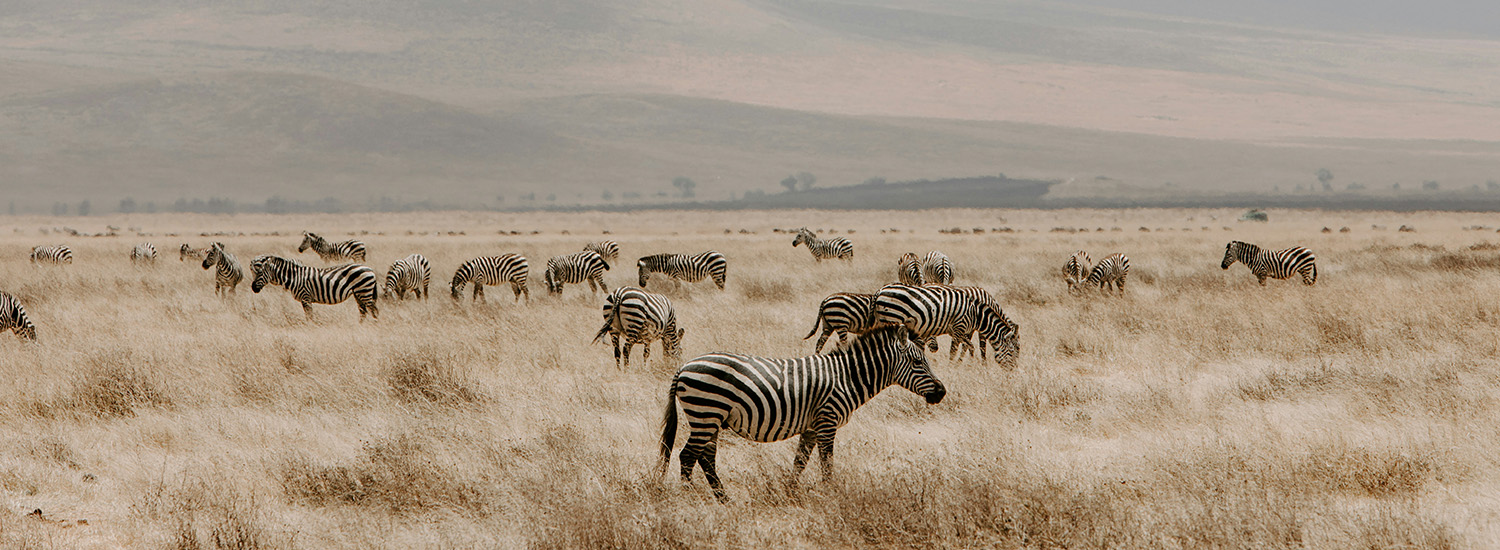
When you think of Africa’s most iconic safaris, Masai Mara National Park, Kenya, instantly comes to mind. Its endless plains, lion prides, and dramatic wildebeest crossings are legendary. But behind the beauty lies an even more remarkable transformation, one that’s redefining the future of safari: a deep focus on community-led conservation through privately managed conservancies.
Today, the magic of the Mara isn’t just found in the reserve; it’s thriving in community-owned conservancies that are protecting wildlife and empowering people.
The Rise of Community Conservancies
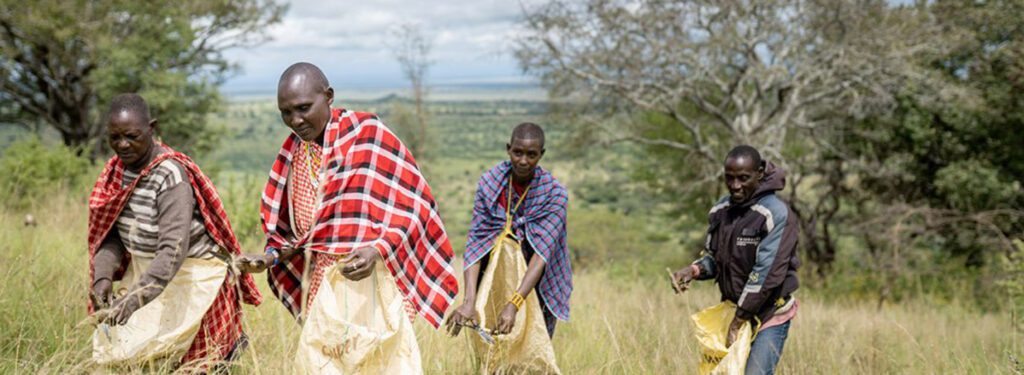
What many travelers don’t realize is that nearly half of the wildlife-rich land surrounding Masai Mara National Park is not part of the reserve. Instead, it’s managed by local Maasai communities under the conservancy model, where landowners lease their land for low-impact tourism in exchange for income, jobs, and development support.
This has sparked a conservation revolution, and three conservancies in particular stand out for their unique impact:
1. Mara Naboisho Conservancy – A Model of Balance
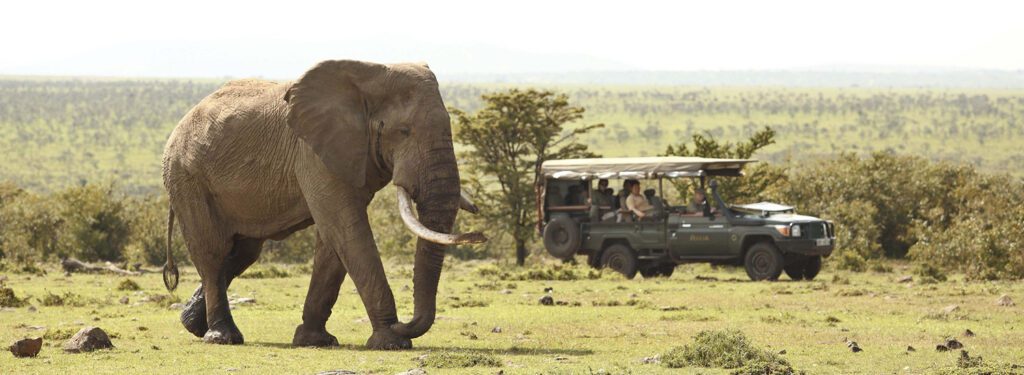
One of the most successful conservancies in Kenya, Mara Naboisho is known for its high-density wildlife and low-density tourism model. With just a handful of camps across 50,000 acres, it offers intimate safari experiences with minimal environmental disruption.
But what makes it future-focused is its strict land use agreement: Maasai landowners receive monthly income, and no fences are allowed, keeping migration routes open. Naboisho also boasts a strong female ranger unit—a rare and powerful sight in the safari world.
2. Olare Motorogi Conservancy – Wildlife Haven, Tourism Pioneer
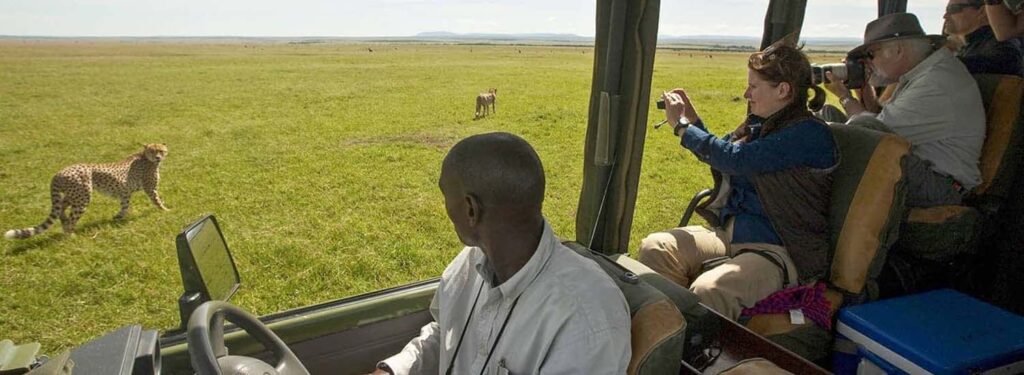
Olare Motorogi was the first conservancy to prove that luxury tourism and conservation can co-exist sustainably. It maintains one of the lowest guest-to-land ratios in Africa—1 guest per 350 acres—ensuring both privacy and protection.
It’s also home to some of the highest predator densities in the Mara ecosystem, making it a hotspot for lion and cheetah sightings. Tourism revenue here funds education programs, health clinics, and ranger salaries, closing the gap between economic need and environmental care.
3. Lemek Conservancy – A Quiet Corner of the Mara
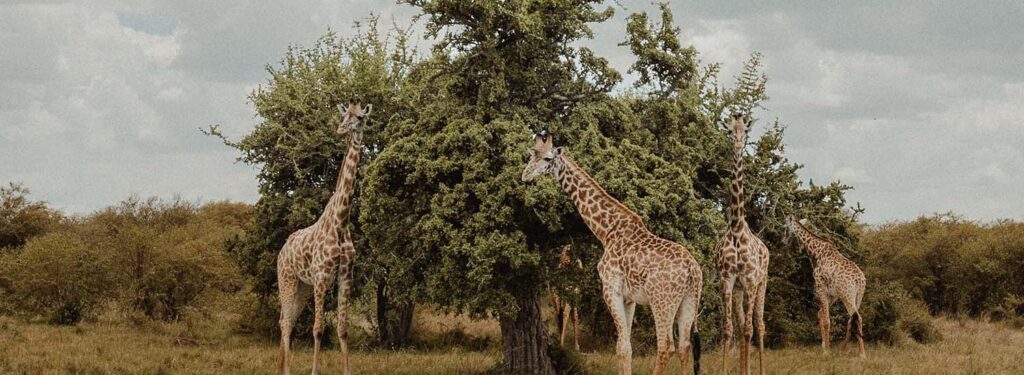
Less commercial but rich in biodiversity, Lemek Conservancy offers a more traditional, off-the-beaten-path experience. Situated north of the main Mara Reserve, it is a critical corridor for migrating wildlife and is particularly known for large herds of elephants, giraffes, and plains game.
Lemek has played a vital role in maintaining community ownership, offering locals a say in land use while preserving the area for both wildlife and sustainable tourism. With fewer camps and an authentic feel, Lemek is ideal for travelers seeking tranquility, connection, and raw natural beauty.
The Community Is the Story
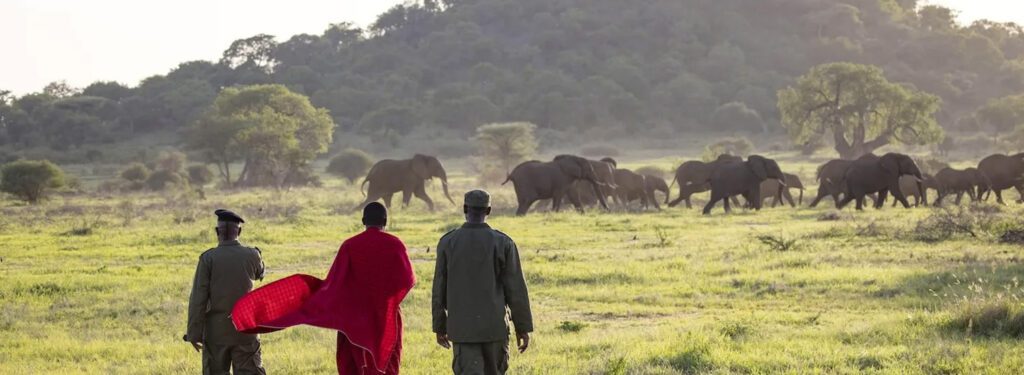
Maasai families/ local maasai people protecting wilds/animals images
In these conservancies, the future is personal. Tourism dollars go directly to landowners. Lodges are co-managed by Maasai families. Guests dine with guides who grew up herding cattle on the very land they now protect.
This isn’t performative culture, it’s authentic connection, where guests become part of a living conservation story.
The future of safari in Kenya is not just about what you see; it’s about what your visit supports. These conservancies are proving that safaris can protect wildlife, enrich communities, and preserve landscapes for generations to come.
So the next time you plan a trip to the Mara, look beyond the main reserve. Choose a conservancy. Meet the people. Hear their stories. Leave with memories and a meaningful impact.
Because in the new era of safari, conservation and community go hand in hand. Excited to visit Kenya? Then check out our Kenya safari itineraries and book your trip today with Scarface Pride!
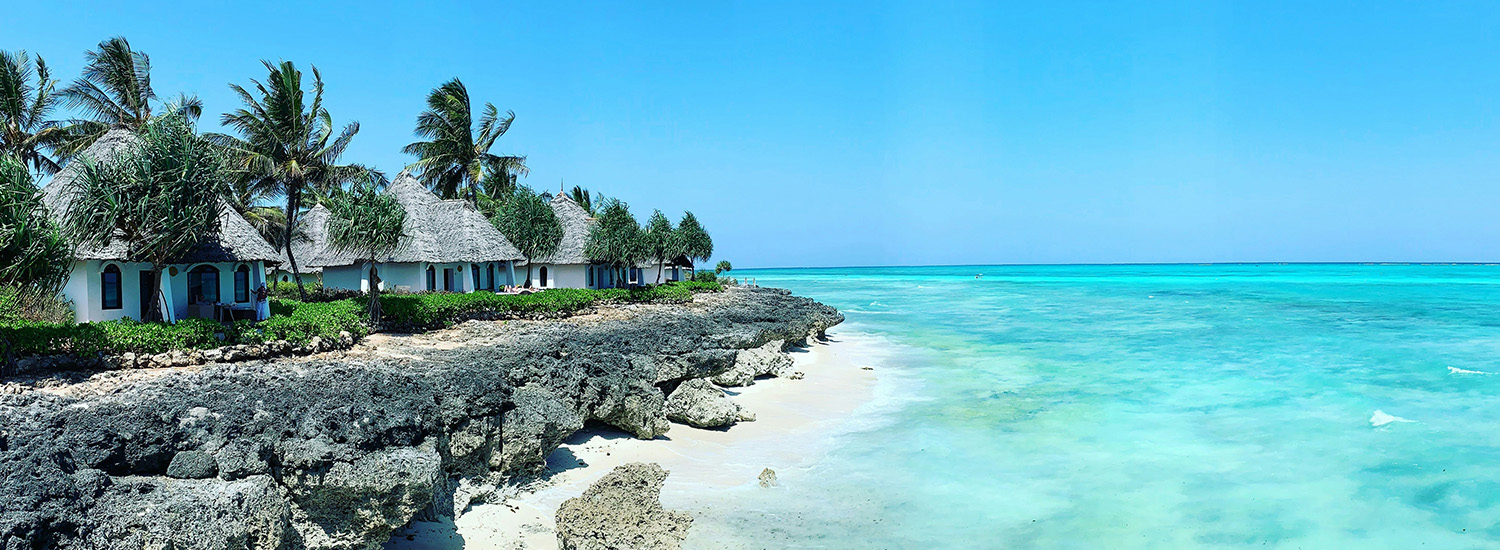
When most travelers think of Zanzibar, their minds drift to luxury giants with sprawling beachfronts and polished perfection. But the true magic of this island lies beyond the big names, in intimate, upscale boutique hotels that blend Swahili heritage, barefoot luxury, and personalized experiences you won’t find in glossy brochures.
Here’s a look at five of Zanzibar’s best-kept secrets in boutique hospitality, where your stay becomes a story.
1. Qambani Luxury Resort – Michamvi Peninsula
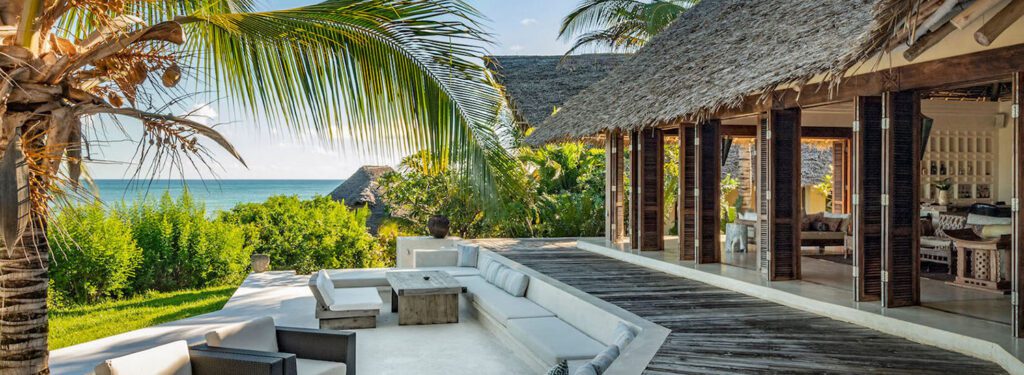
Tucked away on the southeastern tip of Zanzibar, Qambani is an architectural wonder with only a handful of uniquely designed villas, some with private infinity pools. It sits on a coral bluff with sweeping views of the Indian Ocean and offers complete seclusion. Each villa has been curated with global art, local craftsmanship, and eco-conscious touches like solar power and natural ventilation. Bonus: it’s not open to day visitors, ensuring total privacy.
2. Zawadi Hotel – The Clifftop Sanctuary
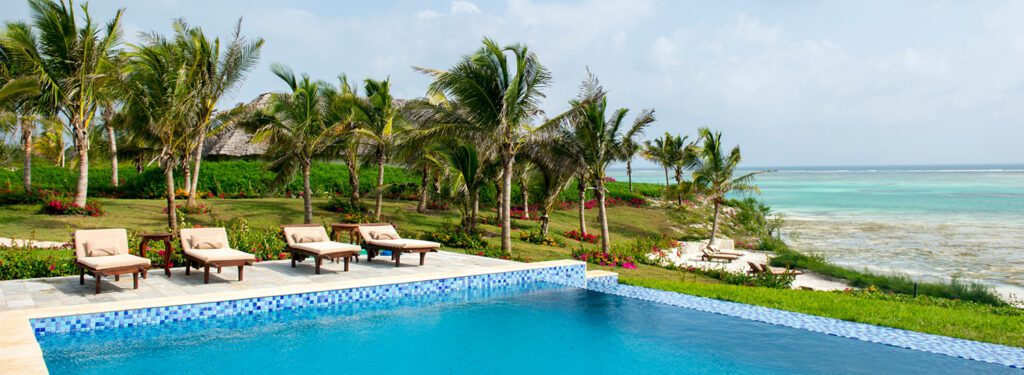
Perched on a coral cliff, Zawadi offers panoramic ocean views and direct access to a white-sand cove. With just nine villas, it’s adults-only and all-inclusive, perfect for honeymooners. What makes Zawadi stand out is its minimalist elegance, fresh Swahili fusion cuisine, and snorkeling-friendly lagoon just steps away. Most travelers drive right past this hideaway without realizing it exists.
3. Zuri Zanzibar – Kendwa Beach
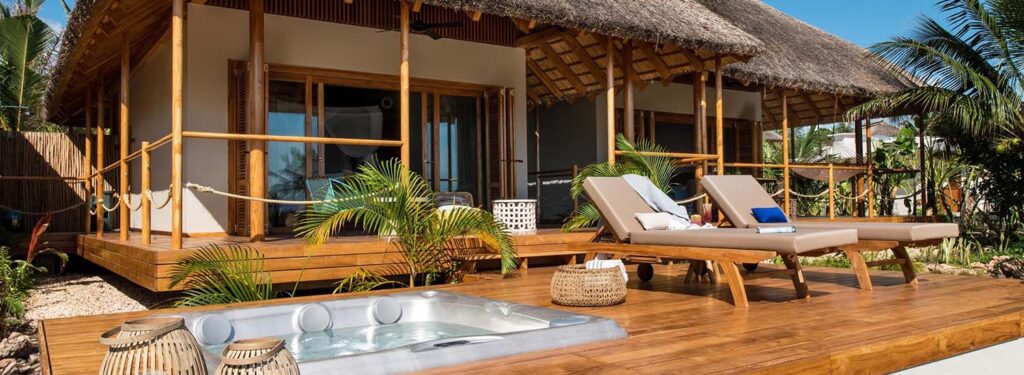
Tucked away on one of the island’s most pristine beaches, Zuri Zanzibar blends modern eco-luxury with traditional Swahili design. Each private bungalow or villa is set in lush botanical gardens, with open-air showers and ocean views. The resort also offers a private spice garden, yoga deck, and sunset cocktails on the beach, perfect for the traveler who wants barefoot luxury without compromising comfort.
4. The Mora– Luxury Beachfront Resort
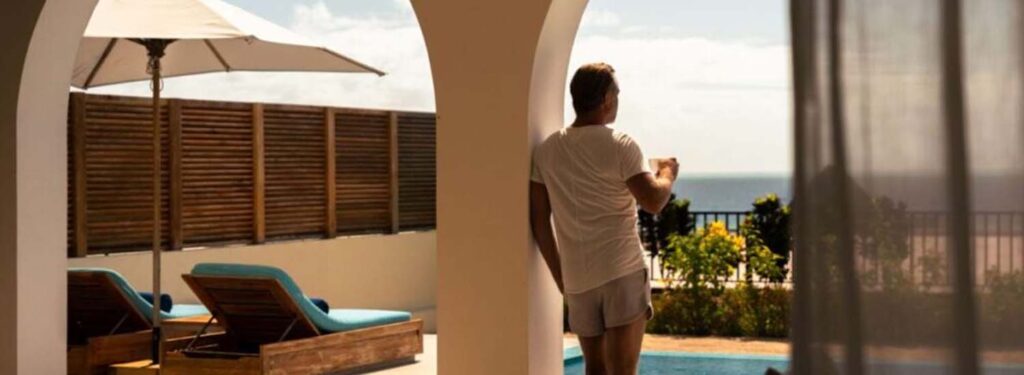
The Mora Zanzibar is a chic, adults-only boutique resort nestled along the serene sands of Kendwa Beach, one of Zanzibar’s most pristine, non-tidal shorelines. Offering just a handful of luxurious ocean-facing villas, each with a private pool and modern Swahili-inspired décor, The Mora promises an intimate and tranquil escape. The property blends barefoot luxury with attentive service, a curated dining experience, and seamless access to turquoise waters, making it ideal for couples or honeymooners seeking refined privacy. With its minimal aesthetic, lush tropical surroundings, and commitment to sustainable elegance, The Mora is one of Zanzibar’s best-kept secrets for understated indulgence.
5. The Palms Zanzibar – Bwejuu
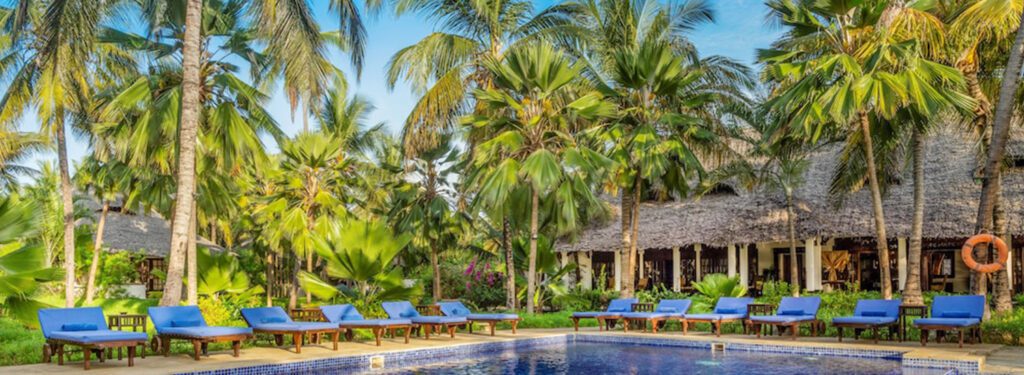
An all-villa, adults-only retreat, The Palms is ideal for honeymooners and those craving seclusion. With just seven spacious villas, each with a private terrace and plunge pool, it feels like your own beachfront estate. Personalized service, candlelit dinners, and stunning views of the Indian Ocean make this a standout for refined indulgence.
Zanzibar’s luxury isn’t just in five-star labels, it’s in the details, the stories, and the people. These hidden gems offer more than a stay; they offer soulful immersion. Looking for authenticity without sacrificing comfort? These boutique beauties await.
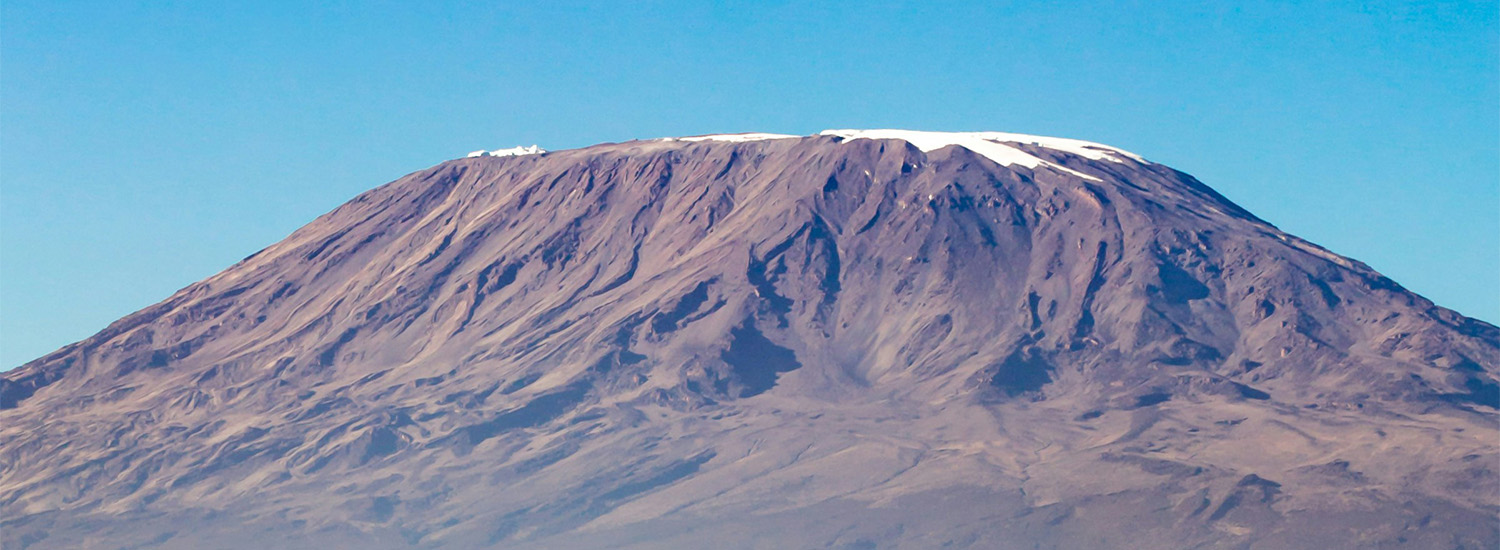
Climbing Mount Kilimanjaro, Africa’s highest peak at 19,341 feet (5,895 meters), is a dream adventure for travelers, trekkers, and outdoor enthusiasts worldwide. Every year, thousands of people attempt this incredible journey to stand atop Uhuru Peak and witness breathtaking sunrise views above the clouds.
Unlike many high-altitude mountains, Kilimanjaro is a non-technical climb, meaning you don’t need ropes, ice axes, or professional mountaineering experience. However, reaching the summit still requires careful planning, physical preparation, and the right mindset.
This mount kilimanjaro climbing guide will help you understand everything you need to know before your adventure, from training and route selection to acclimatization, packing essentials, and mental preparation, ensuring you maximize your chances of a successful summit.
1. Start Training Early
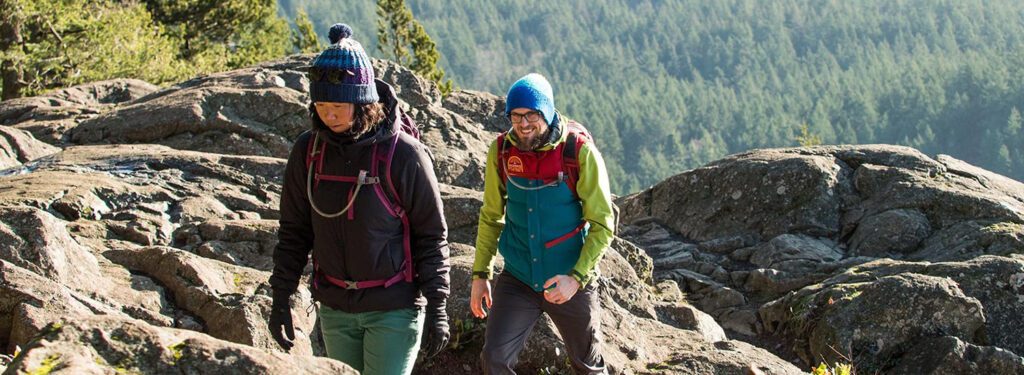
While technical climbing skills aren’t required, Kilimanjaro demands endurance and consistency. Begin your fitness preparation at least 2–3 months before your departure.
Focus on:
Hiking Practice
- Long walks or hikes on trails with elevation gain.
- Practice carrying a loaded backpack.
- Build stamina by increasing distance weekly.
Cardio Workouts
Improve your lung capacity with:
- Stair climbing
- Running
- Swimming
- Cycling
Aim for 3–5 cardio sessions per week.
Strength Training
Pay extra attention to:
- Legs
- Core
- Lower back
These muscle groups will support you during multiple days of trekking.
2. Choose the Right Route
Choosing the right route significantly impacts your summit success.
Lemosho Route (8 Days)
- Scenic and remote.
- Excellent acclimatization profile.
- Approximate success rate: 90%.
- Difficulty: Moderate to challenging.
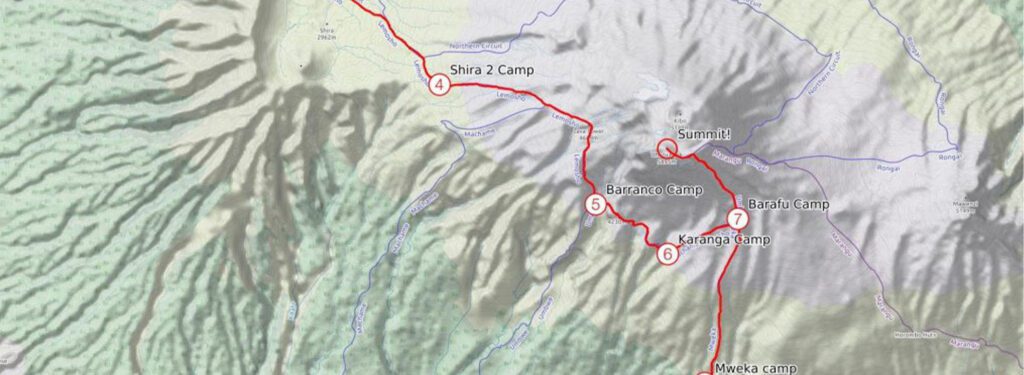
Machame Route (7 Days)
- One of the most popular routes.
- Diverse landscapes and excellent scenery.
- Great “climb high, sleep low” profile.
- 6-day success rate: Around 73%.
- 7-day success rate: Around 85–95%.
- Difficulty: Moderate to high.
Marangu Route (5–6 Days)
Often called the “Coca-Cola Route.”
- Only route offering hut accommodations instead of tents.
- More comfortable sleeping arrangements.
- Slower, steady ascent.
- Success rate: Approximately 65–70%.
- Less acclimatization time due to shorter duration.
If this is your first attempt, this mount kilimanjaro climbing guide strongly recommends choosing longer itineraries for better acclimatization and higher summit success.
3. Acclimatization is Everything
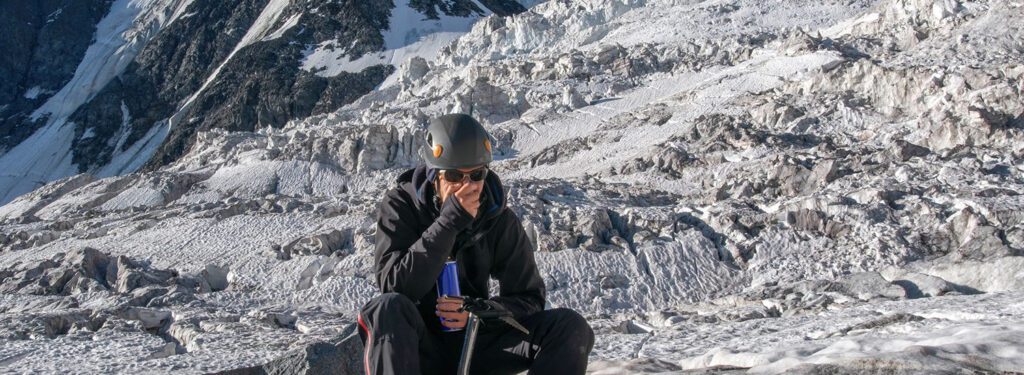
The biggest challenge on Kilimanjaro isn’t fitness—it’s altitude sickness.
To reduce risks:
- Walk slowly and steadily (“pole pole” as the locals say).
- Drink 3–4 liters of water daily.
- Avoid alcohol at high altitude.
- Eat light, nutritious meals.
- Listen to your body and communicate any symptoms to your guide.
Never underestimate the importance of acclimatization. Going slower often increases your chances of reaching the summit.
4. Pack Smart
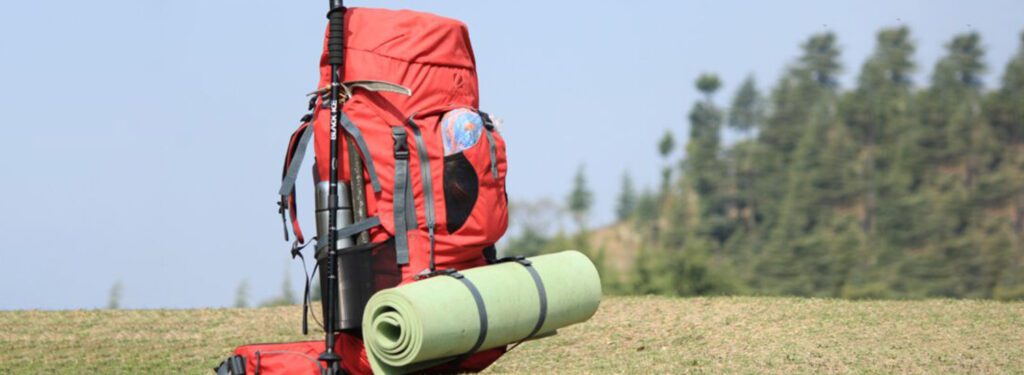
Kilimanjaro’s climate changes dramatically, from tropical rainforests to freezing summit temperatures.
Essential Clothing
- Moisture-wicking base layers
- Mid layers
- Insulated down jacket
- Waterproof outer shell
Essential Gear
- Well broken-in hiking boots
- Comfortable daypack
- Hydration system
- Headlamp
- Gloves
- Wool socks
- Sunscreen
- Lip balm
- Wide-brim hat
Snacks & Medication
- Energy bars
- Electrolyte tablets
- Trail mix
- Altitude medication (consult your doctor)
Essential Add-ons: What You Shouldn’t Forget

Travel Insurance
Choose a policy that covers:
- High-altitude trekking up to 6,000 meters
- Emergency evacuation
- Medical treatment
Many standard travel insurance plans exclude adventure activities, so always verify the coverage details.
Gear Rentals
Most tour operators provide rental equipment, including:
- Down jackets
- Sleeping bags
- Trekking poles
- Headlamps
This is ideal for first-time climbers and those travelling light.
Hydration & Daypacks
Carry:
- Hydration bottles or CamelBak systems
- A comfortable 25–35 litre daypack
Trekking Poles
Highly recommended because they:
- Reduce pressure on your knees
- Improve stability
- Help during steep descents and loose scree sections
5. Mental Preparation Matters
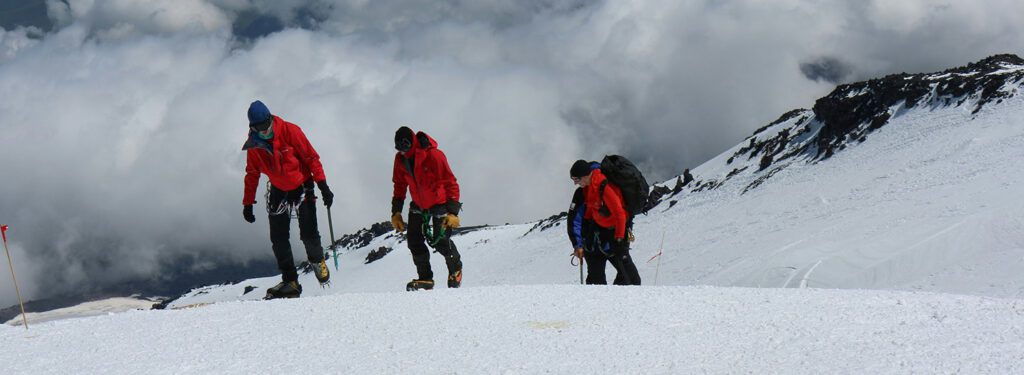
Kilimanjaro is as much a mental challenge as it is a physical one.
Prepare yourself for:
- Basic camp facilities
- Shared toilets
- No showers for several days
- Cold nights
- A midnight summit push
The final summit attempt often begins around midnight in freezing temperatures and strong winds.
Stay patient, trust your guides, and remember that Kilimanjaro is not a race.
Every step brings you closer to one of the world’s most rewarding achievements.
This mount kilimanjaro climbing guide encourages climbers to focus on consistency rather than speed. Slow and steady almost always wins the mountain.
FAQ’s
1. How difficult is it to climb Mount Kilimanjaro?
Mount Kilimanjaro is considered physically demanding but not technically difficult. Anyone with a good fitness level and proper preparation can successfully attempt the climb.
2. How long does it take to climb Mount Kilimanjaro?
Most routes take between 5 to 9 days. Longer routes offer better acclimatization and improve summit success rates.
3. What is the best route for beginners?
The Lemosho and 7-day Machame routes are often recommended because they provide excellent acclimatization and higher success rates.
4. Do I need previous climbing experience?
No. Kilimanjaro is a non-technical mountain and does not require prior mountaineering experience.
5. What is the best time to climb Mount Kilimanjaro?
The best seasons are:
- January to March
- June to October
These periods generally offer drier weather and better trekking conditions.
6. Can altitude sickness affect anyone?
Yes. Altitude sickness can affect anyone regardless of age or fitness level. Proper acclimatization is essential.
7. Is travel insurance mandatory?
While not always mandatory, it is highly recommended and should include high-altitude trekking and emergency evacuation coverage.

If you’re planning a Kenya safari, get ready for a front-row seat to one of the most spectacular wildlife experiences on Earth. Kenya is home to more than 25,000 species of animals, birds, and reptiles, making it one of Africa’s most biodiverse safari destinations.
Of course, everyone talks about the Big Five — lion, leopard, elephant, buffalo, and rhino — but Kenya’s wildlife story goes way beyond that. From rare northern species to iconic migration scenes and unique conservancy sightings, there’s so much more to discover.
Masai Mara National Reserve:

- What you’ll see:
- Big Five (lion, leopard, elephant, buffalo, rhino)
- Massive lion prides (up to 10+ members)
- Leopards on acacia trees
- Cheetahs hunting on open plains
- Hyenas, jackals, and bat-eared foxes
- Abundant antelopes, giraffes, and warthogs
- Big Five (lion, leopard, elephant, buffalo, rhino)
- Wildlife highlight:
The Great Migration (July–October): Over 1.5 million wildebeest and 300,000 zebras cross from Tanzania into the Mara, triggering dramatic predator-prey interactions at the Mara River.
Amboseli National Park:

- What you’ll see:
- Huge herds of elephants with enormous tusks
- Cape buffalo, zebras, giraffes
- Lions and cheetahs
- Birds like pelicans, kingfishers, and crowned cranes
- Huge herds of elephants with enormous tusks
- Wildlife highlight:
Picture-perfect elephant sightings with Mount Kilimanjaro as your backdrop.
Lake Nakuru National Park:
- What you’ll see:
- White and black rhinos
- Large flocks of flamingos (seasonal)
- Rothschild’s giraffes
- Baboons and vervet monkeys
- White and black rhinos
- Wildlife highlight:
A pink-hued lake thanks to thousands of flamingos and reliable rhino sightings.
Lake Naivasha:
- What you’ll see:
- Hippos on boat safaris
- African fish eagles swoop for fish
- Colobus monkeys in the forests
- Waterbucks and giraffes near the shores
- Hippos on boat safaris
- Wildlife highlight:
Scenic boat safaris with close hippo encounters and birdlife galore.
Samburu National Reserve – Home of the “Samburu Special Five”

- What you’ll see (Samburu Special Five):
- Grevy’s zebra – rare and larger than the common zebra
- Reticulated giraffe – with striking net-like patterns
- Gerenuk – a long-necked antelope that stands on its hind legs to browse
- Beisa oryx – desert-adapted antelope with long, sharp horns
- Somali ostrich – with blue legs and neck
- Grevy’s zebra – rare and larger than the common zebra
- Also spotted:
Lions, leopards, elephants, and crocodiles along the Ewaso Nyiro River - Wildlife highlight:
Unique species not found in southern Kenya parks.
Private Conservancies (e.g., Ol Pejeta, Naboisho, Lewa)
- What you’ll see:
- Big Five in uncrowded, exclusive settings
- Northern white rhinos (only at Ol Pejeta)
- Night drives with sightings of aardwolves, porcupines, and bush babies
- Off-road game drives and walking safaris
- Big Five in uncrowded, exclusive settings
- Wildlife highlight:
Intimate, less-touristy encounters with expert guides and flexible activities.
Bonus Wildlife Sightings in Kenya:
- Rare animals to watch for:
- Aardwolf – shy and nocturnal, spotted mostly on night drives
- Pangolin – extremely rare but occasionally seen in conservancies
- Serval cat, caracal, and honey badger
- Aardwolf – shy and nocturnal, spotted mostly on night drives
A Kenya safari isn’t just about ticking boxes, it’s about discovering the rarest and the rawest wildlife.
Looking to plan your wildlife adventure? Let’s talk about where you’ll find each of these species and the best time to go! Reach out to Scarface Pride to know more about our custom-made itineraries and tours!
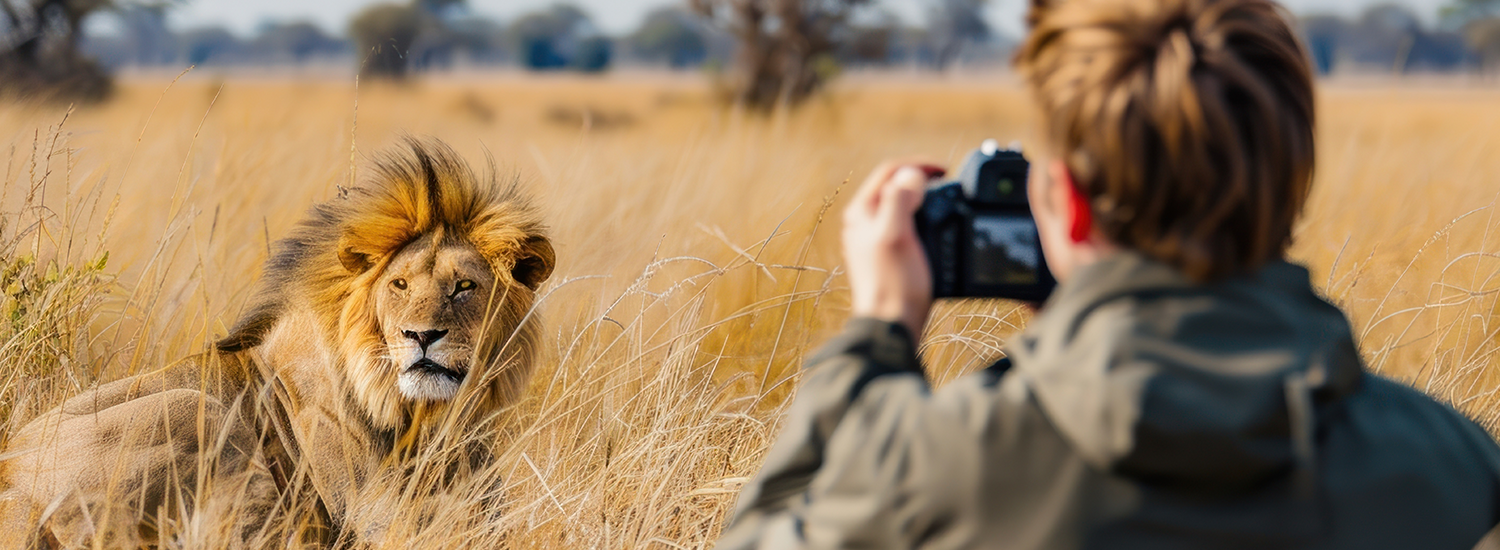
Planning a dream trip to Africa? Whether you’re eyeing the Masai Mara National Reserve in Kenya, the Serengeti National Park in Tanzania, or scenic escapes like Lake Naivasha and Lake Nakuru, it’s natural to have questions and doubts—especially if it’s your first safari. Here’s a no-fluff guide answering the most searched questions and offering practical safety tips to help you plan a stress-free adventure.
1. Is it safe to travel to Kenya and Tanzania for a safari?
Yes, it is absolutely safe. But we recommend going with a reputable operator. Kenya and Tanzania are two of the most visited East African countries for tourism, with well-established safari circuits. Booking with trusted companies offering licensed Kenya or Serengeti safari packages ensures secure accommodations, experienced guides, and well-maintained vehicles.
Safety tip: Avoid self-driving. Always travel with a local guide, especially in national parks and conservancies. Guides know the terrain, understand animal behavior, and help you stay safe and informed.
2. What’s the best time to go on safari in Kenya or Tanzania?
The dry seasons—June to October and January to February—are ideal for wildlife visibility. The Great Migration in the Serengeti and Masai Mara (July–October) is one of Africa’s top wildlife spectacles and worth planning around.
3. Do I need a visa for Kenya and Tanzania?
Yes. Most nationalities require a visa for both countries. Kenya offers an eVisa, while Tanzania has online and visa-on-arrival options. Always check official embassy websites for the latest requirements.
4. Is the food safe to eat on safari?
Absolutely—if you’re staying in established lodges or camps. Many offer farm-to-table meals prepared under high hygiene standards.
Safety tip: Avoid street food unless your guide recommends it. Stick to bottled or filtered water. Most safari accommodations provide safe drinking water.
Pro tip: Packaged water is also provided in private vehicles during game drives, so you don’t need to worry about hydration while out spotting wildlife.
5. Should I buy a local SIM card?
Yes, buying a local SIM card is a smart move if you want to stay connected. Both Kenya and Tanzania offer reliable SIM options with affordable data plans. Popular providers include Safaricom (Kenya) and Vodacom (Tanzania).
Pro tip: Some lodges and camps have Wi-Fi, but it may be spotty. A local SIM ensures better connectivity while traveling between locations.
6. Is the water clean to drink?
Tap water is not recommended for drinking. Always opt for bottled or filtered water. This is readily available in hotels, lodges, and during your safari.
Safety tip: Don’t worry about carrying large water bottles around. Packaged water is typically included in your private safari vehicle for game drives.
7. What animals can I expect to see?
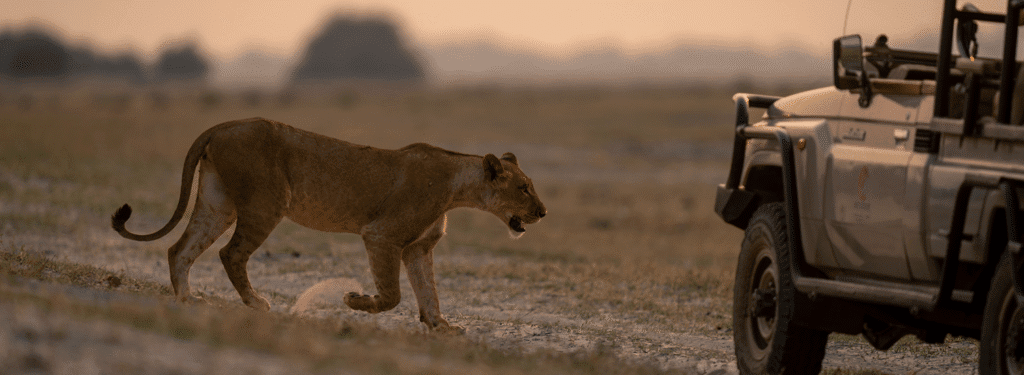
Expect the Big 5—lion, leopard, buffalo, rhino, and elephant—especially in the Masai Mara and Serengeti. In Amboseli National Park, see large elephant herds with Mount Kilimanjaro in the background. Lake Nakuru is famous for rhinos and flamingos, while Lake Naivasha offers hippo sightings and scenic boat rides.
8. Yellow Fever Vaccination – Do I need it?
Yes, if you’re arriving from a country with a risk of yellow fever transmission (including stopovers of more than 12 hours), you’ll be required to show proof of vaccination. Check your travel itinerary and consult your doctor or a travel clinic well in advance.
Pro tip: Always carry your Yellow Fever Certificate with your passport, especially when crossing borders between East African countries. It is good to take a precaution and get the vaccine for your own safety.
9. Any tips for navigating local markets or entry gates?
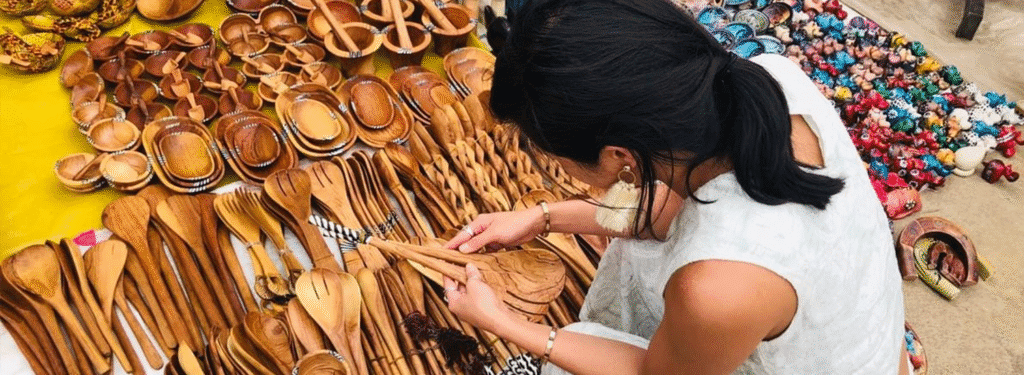
At national park gates or stopovers, you’ll often encounter local vendors selling souvenirs, crafts, or snacks.
Safety tip: While many are genuine, be cautious. Avoid engaging with overly persistent sellers, and don’t hand over money or take photos without consent.
Pro tip: Let your guide handle any interactions—they know how to navigate these situations smoothly.
Final Safari Tips
- Listen to your guide. They’re experienced, insightful, and truly make or break your safari.
- Pack light, bring binoculars, and wear neutral-colored clothing.
- Use sun protection—sunscreen, a hat, and sunglasses are a must.
- Stay curious but cautious. Respect wildlife boundaries at all times.
Still curious? Check out our detailed FAQ page, which has all the answers to your questions. Link- https://scarfacepride.com/faq/
If you’re looking to plan a safari in Kenya or Tanzania, then reach out to Scarface Pride and we will help plan your custom itinerary!
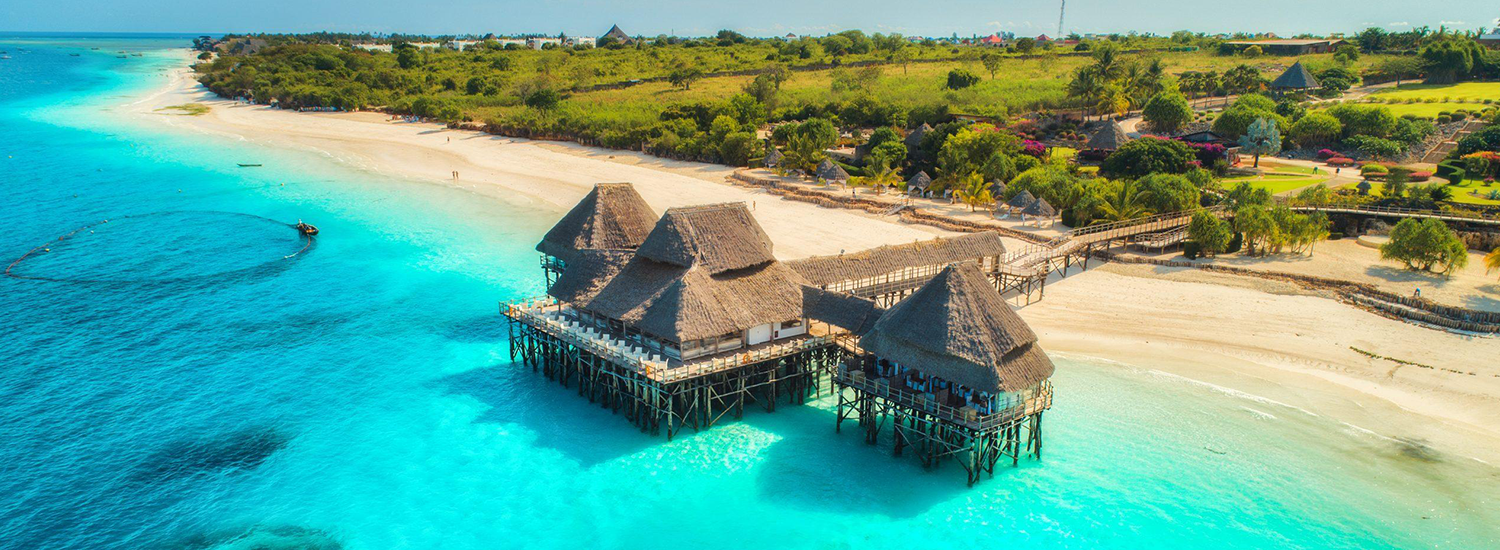
Zanzibar is more than just an island paradise, it’s a cultural crossroads, a culinary haven, and a history-soaked gem nestled off the coast of Tanzania. Whether you’re a first-time visitor or returning for another taste of the Swahili coast, this guide will help you go beyond the typical tourist path and explore the true heart of Zanzibar.
1. Get Lost in the Alleys of Stone Town
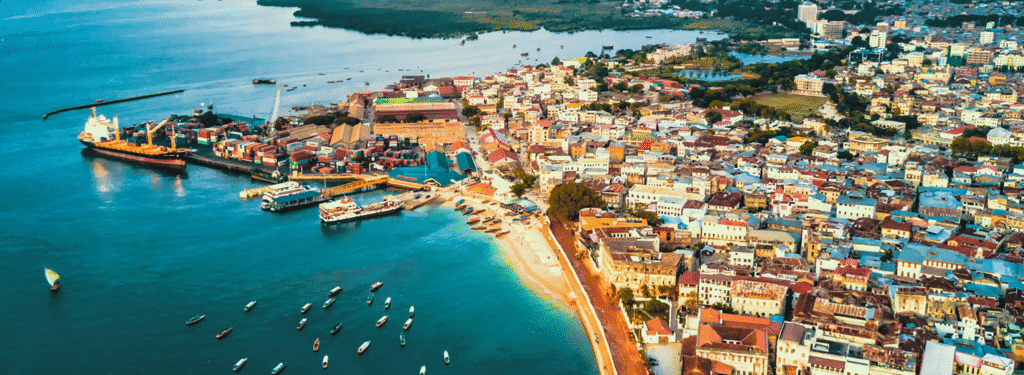
Stone Town is a UNESCO World Heritage site and for good reason. Its labyrinth of narrow alleys, carved wooden doors, and bustling bazaars blends Arab, Persian, Indian, and European influences. Instead of following a guidebook, take a DIY walking tour in the early morning or late afternoon to beat the heat. Learn a traditional handicraft or shop for authentic wares. Visit the moving slave trade memorial. A must-try dish while in Stone Town is Zanzibar pizza, a popular street food. You’ll get some of the best ones at the vendors of Forodhani Night Market.
Pro tip: Visit the lesser-known Hamamni Persian Baths and grab a bite at Lukmaan Restaurant, a local favorite.
2. Sail on a Traditional Dhow at Sunset
Skip the generic boat tours. Opt for a private dhow cruise operated by local sailors from Nungwi or Kendwa. As the sun dips below the horizon, you’ll get unmatched views of the Indian Ocean, pure magic that makes Zanzibar a top highlight in East African tours and safaris.
3. Dive into Blue Safari Adventures
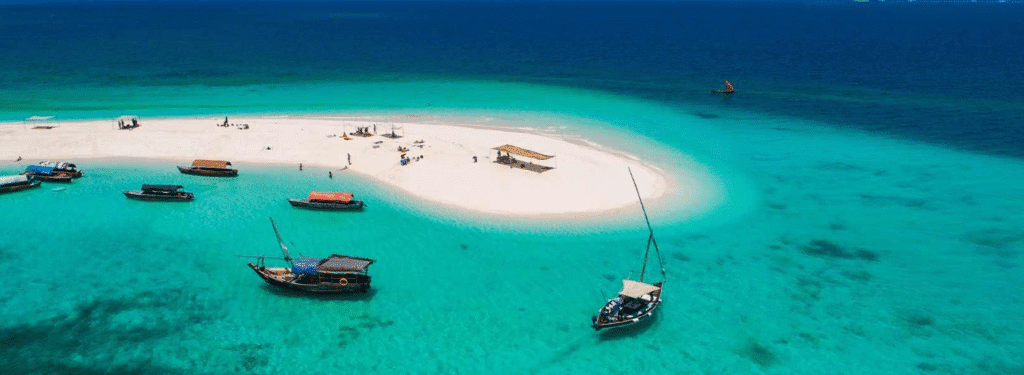
Book a Blue Safari trip to Menai Bay Conservation Area, but ask your operator to include a stop at Kwale Island, a lesser-visited sandbank with incredible snorkeling. You might even spot dolphins along the way. For responsible tourism, look for eco-certified tours that prioritize marine protection.
4. Discover Zanzibar’s Forgotten Spice Farms
While spice tours are common, go off the beaten track and visit Tangawizi Spice Farm, a community-run farm where you can try everything from fresh turmeric root to Zanzibar’s famed vanilla. Great for foodies and photographers alike.
5. Hidden Beach: Kizimkazi
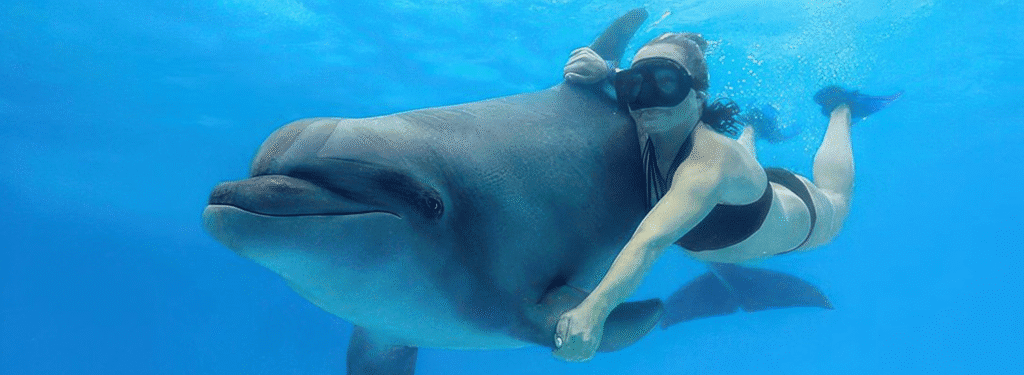
Ditch the crowds of Paje and Nungwi for Kizimkazi, a quiet southern village perfect for those craving a slower pace. It’s also a launch point for respectful dolphin watching with fewer tourists.
Whether you’re planning your first trip or returning to explore deeper, Zanzibar offers a blend of authentic experiences that make it more than a stopover. It’s a destination in its own right.
Planning a trip to Zanzibar?
Let Scarface Pride craft your custom itinerary — combining Zanzibar’s coastal charm with unforgettable tours and safaris in Kenya and Tanzania.
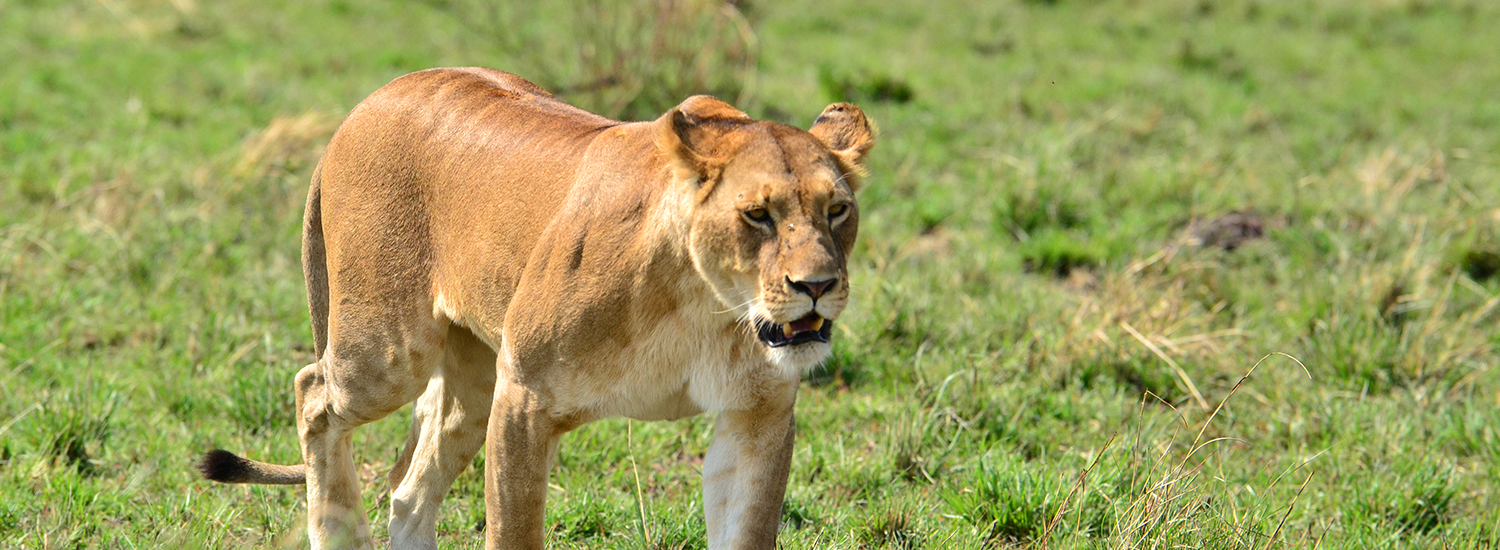
Most travelers think one safari is enough—until they experience the real wild magic of East Africa. The first time? It’s about the bucket-list moments—seeing a lion for the first time, hearing an elephant trumpet, or witnessing a cheetah chase in the open plains of the Masai Mara or Serengeti.
But the second safari? That’s when you go deeper. That’s when East Africa really reveals itself.
No Two Game Drives Are Ever the Same
You can visit the same park twice and have two completely different experiences.
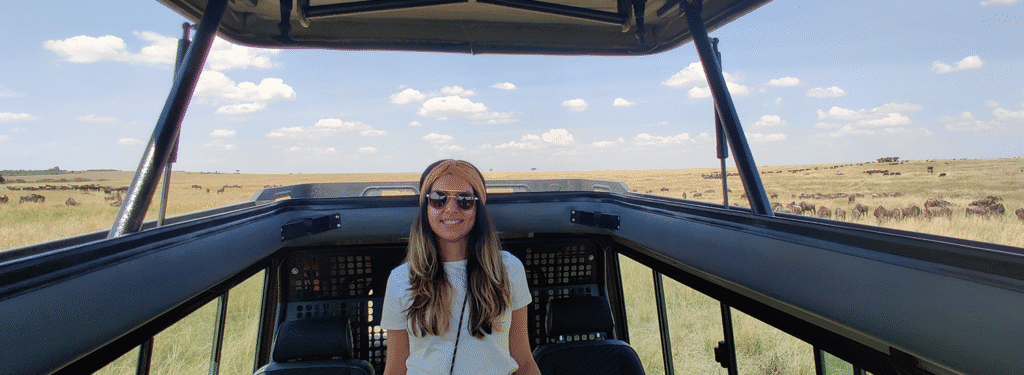
- Wildlife is constantly on the move—depending on season, weather, and water sources.
- A lion you spotted sleeping one day might be leading a hunt the next.
- Morning and evening game drives bring out different animals; predators are more active at dawn and dusk, while midday might surprise you with unexpected sightings near watering holes.
- Return trips let you slow down, observe behavior, and truly read the wild.
The Great Migration – A Moving Masterpiece
The Great Migration is the crown jewel of East African wildlife spectacles, and it looks different every month.
- July to August: Wildebeests and zebras brave the crocodile-infested Mara River—heart-stopping moments of pure survival.
- September to October: Predators dominate—lions, cheetahs, and hyenas follow the herds, creating thrilling game drives.
- December to March (Southern Serengeti): Calving season begins—thousands of baby wildebeest are born, attracting predators in large numbers.
Pro tip: You’ll need at least two visits to witness these different phases.
Hidden Gems & Lesser-Visited Parks to Explore
Your first safari may have been about the famous parks. But the second? That’s your chance to go off the beaten track.
In Kenya:
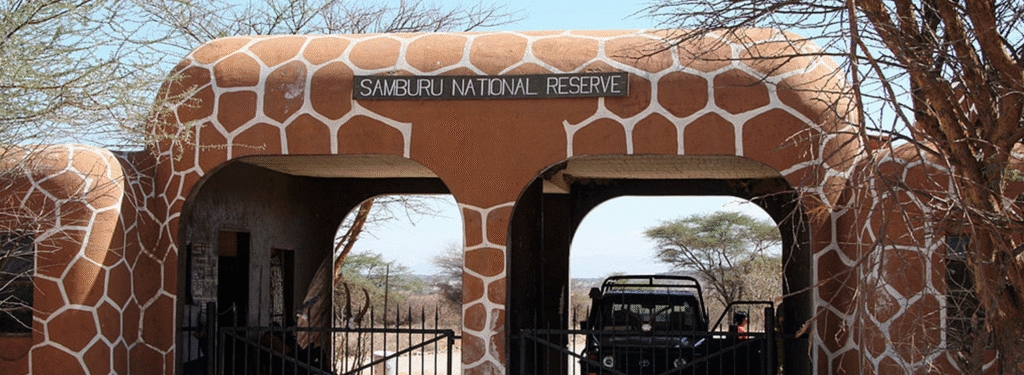
- Samburu National Reserve – Home to the Samburu Special Five: Grevy’s zebra, reticulated giraffe, gerenuk, Somali ostrich, and Beisa oryx. Rare and photogenic!
- Ol Pejeta Conservancy – See rhinos up close, including the last two northern white rhinos in the world.
- Meru National Park – Fewer tourists, lush landscapes, and great chances of seeing big cats and rhinos.
- Lake Baringo – Birding paradise with over 500 species and a peaceful boat safari alternative.
In Tanzania:
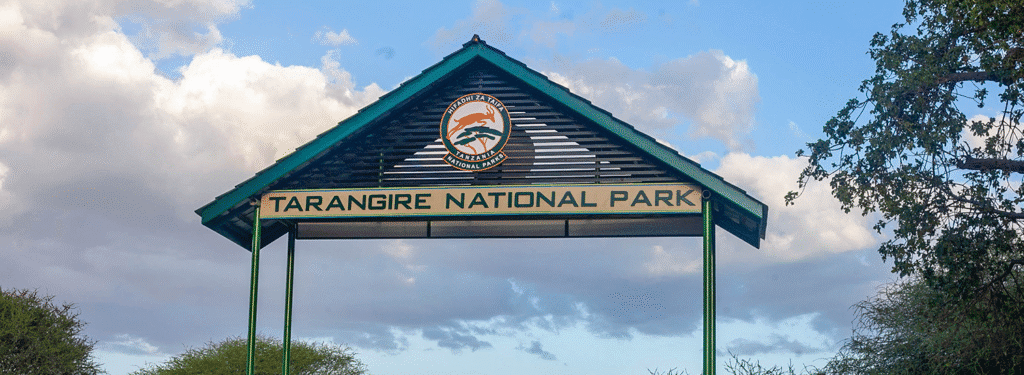
- Tarangire National Park – Fewer crowds, but massive elephant herds and iconic baobab trees.
- Lake Natron – Visit flamingo breeding grounds and other-worldly volcanic landscapes.
- Ruaha National Park – One of Tanzania’s best-kept secrets with raw, untouched wilderness and huge predator populations.
A Chance to Understand, Not Just See
With your second safari:
- You start recognizing animal behavior, how elephants communicate, how lions coordinate a hunt.
- You understand the ecosystem’s rhythm, why animals gather at certain places and seasons.
- You become a more aware and respectful traveler, appreciating the delicate balance of conservation and tourism.
This is where the magic lies. Not in ticking off a checklist, but in tuning into the pulse of the wild.
From Standard Tours to Tailor-Made Safaris
Second-time safari-goers often:
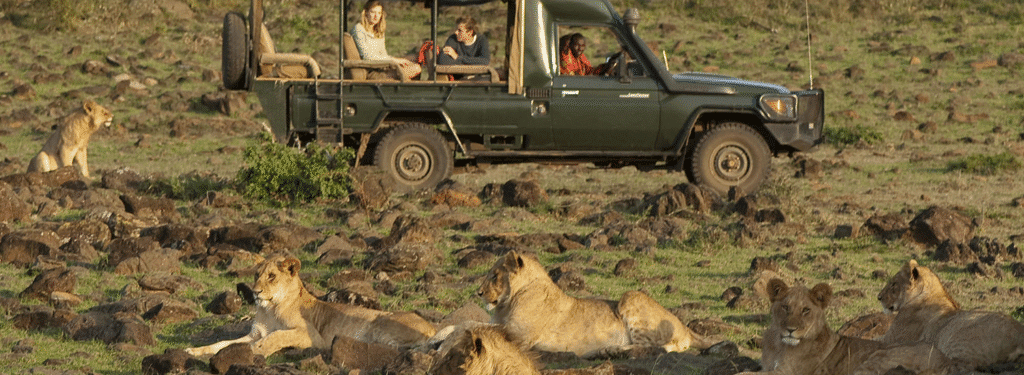
- Choose private conservancies for more intimate, flexible game drives
- Opt for walking safaris or night drives for a different perspective
- Spend time in local Maasai or Samburu villages for cultural depth
- Stay longer in each location to fully absorb the experience
Best Time for a Return Safari?
It depends on what you want to see:
- July–October: The Great Migration river crossings (Masai Mara, Serengeti)
- December–March: Calving season (Ndutu, Serengeti plains)
- January–February: Clear skies, excellent for photography and wildlife spotting
- June: Green season with fewer crowds but abundant wildlife
Why Return?
Because the first time shows you the wild.
The second time? It shows you the soul of East Africa.
Already been on a safari? Let us make your second trip unforgettable.
We create custom itineraries for returning travelers who want a deeper, more meaningful adventure in Kenya and Tanzania.
Reach out to Scarface Pride and let’s plan your next journey into the wild.
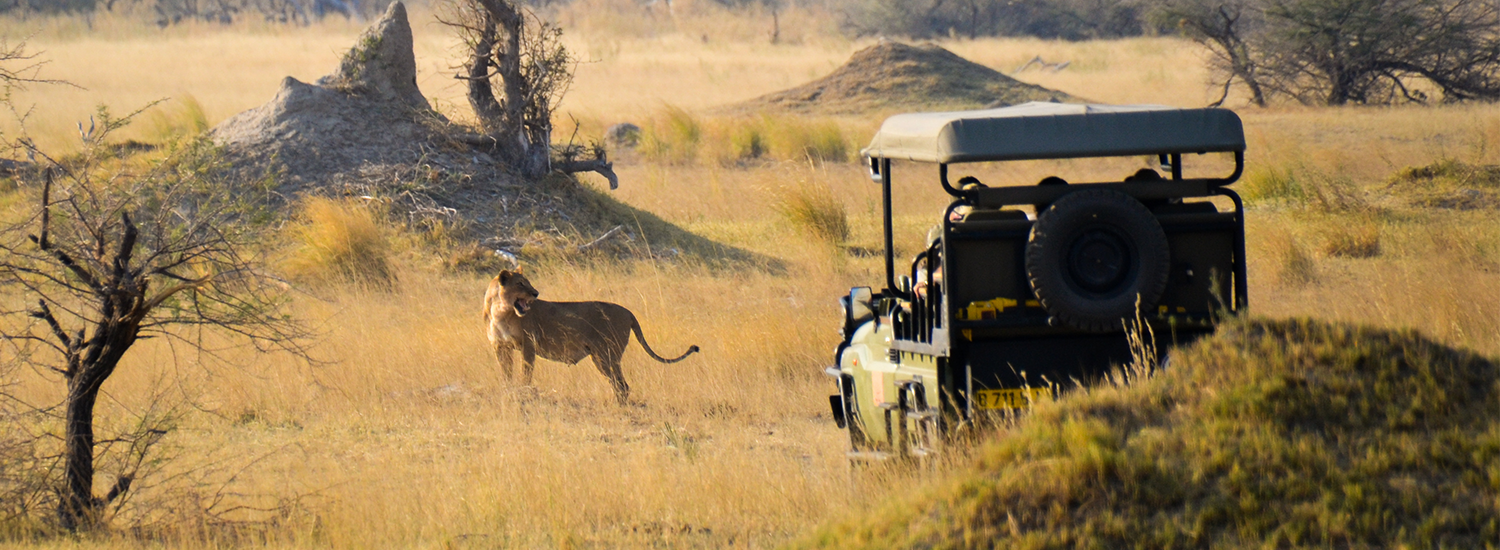
Planning a Kenya safari from Dubai? Skip the cookie-cutter itineraries. At Scarface Pride, we don’t just sell Kenya safari packages, we craft unforgettable journeys into East Africa’s wild heart. Whether you’re a Dubai-based traveler craving luxury, adventure, or a quick wildlife escape, our tours and safaris are designed for depth, comfort, and thrill.
Here are three distinct packages perfect for UAE travelers:
1. Luxe Migration Fly Safari – 3 Nights / 4 Days
Best for: Second-time safari goers, people interested in wildlife safaris and witnessing The Great Migration.
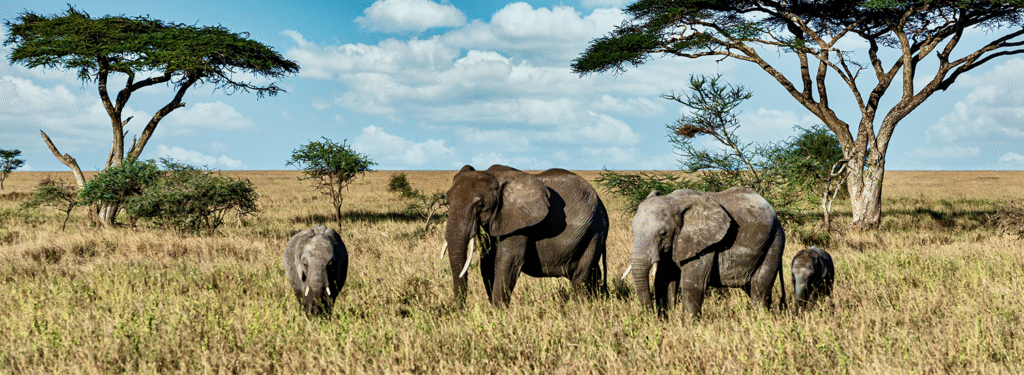
Day 1: Arrival & First Glimpse of the Migration
Fly directly into the heart of the Masai Mara. Settle into a luxurious tented camp like Entim Mara Camp with breathtaking views. Embark on your first exhilarating afternoon game drive, encounter the vast herds of wildebeest and zebras.
Day 2: River Crossing Drama & Predator Action
Spend a full day tracking the Great Wildebeest Migration. Position yourself strategically along the Mara River for a chance to witness the iconic and dramatic river crossings, a true spectacle of survival as wildebeest brave crocodile-infested waters. Observe intense predator action as lions, leopards, and cheetahs lie in wait for their prey amidst the migrating herds.
Day 3: Immersive Wildlife & Bush Dining
Experience the thrilling hot air balloon ride and enjoy the lush scenic views of the savannahs. Continue exploring different areas of the Masai Mara, meet the locals and learn about their culture. Experience a magical bush dinner under the starry sky, surrounded by the sounds of the wilderness, a truly unforgettable and immersive experience.
Day 4: Farewell to the Wild
Arrive in Nairobi in time and if time is by your side, you can visit the Giraffe center to feed the tallest mammals & meet them up close. Depart with vivid memories of nature and the wildlife.
2. Majestic Mara Safari – 3 Nights / 4 Days
Best for: First-time safari-goers looking for classic Big Five sightings in a short trip.
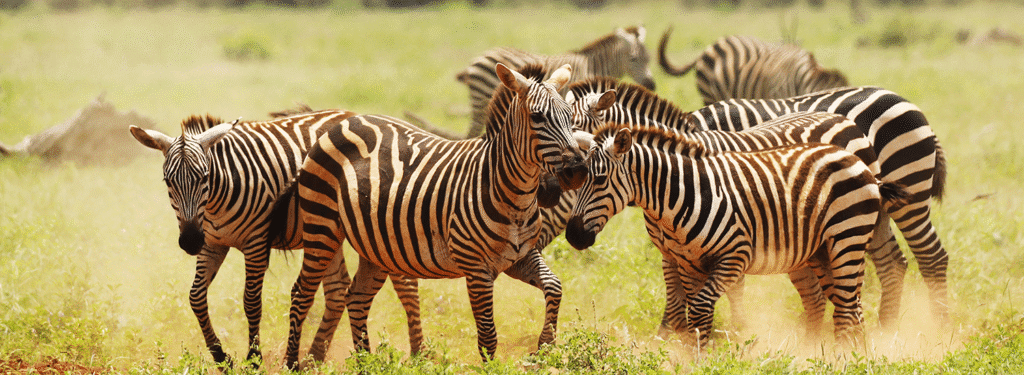
Day 1: Mara Immersion & Initial Big Five Hunt
Arrive in the Masai Mara and settle into your comfortable and luxurious safari accommodation at Alama Camp Mara.. Set out on an afternoon private game drive, immediately beginning your search for the legendary Big Five (lion, leopard, elephant, rhino, buffalo). Enjoy the thrill of tracking these magnificent animals in their natural habitat.
Day 2: Full Day Big Five & Scenic Landscapes
Enjoy your exclusive picnic in the wild by having breakfast in the lush savannahs. Dedicate a full day to private game drives across the vast 1,500 sq. km of Masai Mara. Your experienced guides will lead you to the best spots for close-up sightings of elephants, giraffes, zebras, and various antelopes. Experience the diverse and lush landscapes of the Mara, from rolling grasslands to acacia woodlands.
Day 3: Aerial Views & Unique Encounters
Start your day with an optional, breathtaking hot air balloon ride at dawn, offering a panoramic aerial perspective of the sprawling savannah and its wildlife. Continue with morning and afternoon game drives, perhaps focusing on elusive species or unique animal behaviors.
Day 4: Last Glimpse & Departure
After a slow morning & relishing a hearty breakfast, it’s time to head out to Nairobi. Do a short game drive before you venture out of the Nairobi National Park. You can never get enough of watching the wild in their habitat. Depart from this incredible park with a deep appreciation for its natural wonders.
3. Kenya’s Premium Big 5 Safari – 5 Nights / 6 Days
Best for: Travelers who want the full safari circuit, with the Big Five as their checklist.
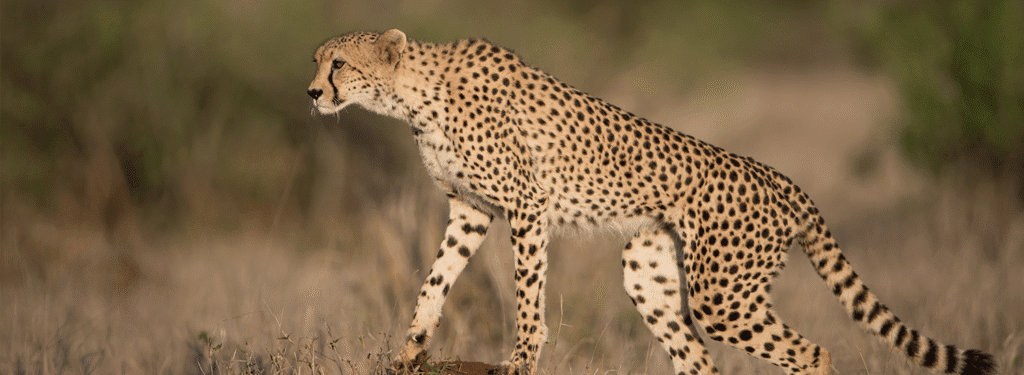
Day 1: Arrival in Mara & Safari Begins
Arrive in Kenya and check into the beautiful Sarova Mara Game Camp. Begin your safari adventure with an afternoon game drive, getting your first taste of the abundant wildlife and the vastness of the Mara plains.
Day 2: Deep Dive into Masai Mara – Big Five Focus
Spend a full day on extensive game drives within the Masai Mara, maximizing your chances of encountering all of the Big Five. Witness classic safari scenes like prides of lions resting or hunting, herds of elephants traversing the plains, and graceful giraffes.
Day 3: Mara Grandeur & Journey to Lake Nakuru
Enjoy a final morning game drive in the Masai Mara, possibly revisiting favorite spots or exploring new territories. Awaken to a once-in-a-lifetime experience on the third day with an optional hot-air balloon safari.
Day 4: Lake Nakuru – Rhinos & Flamingos
Explore the unique ecosystem of Lake Nakuru National Park. This day is dedicated to finding the elusive black rhino and the rare Rothschild giraffe, as Lake Nakuru is a vital sanctuary for both.
Day 5: Wilderness Views & Wild Picnic
The Great Rift Valley’s Lake Nakuru National Park awaits you for your next adventure. This stunning park offers more than just game drives, it is a UNESCO World Heritage site and a sanctuary for both birds and rhinos. In addition, visitors have the chance to spot lions and leopards.
Day 6: Last Day & Departure
Enjoy a final breakfast and prepare for your departure from Kenya, carrying incredible memories of its diverse wildlife and stunning landscapes.
Whether you’re planning for the great migration or just a nice getaway to the wild, our Kenya safari packages from Dubai offer unmatched access to the continent’s finest wildlife experiences, designed just for you!
Ready to turn your next holiday into a wild adventure?
Explore our itineraries or connect with us for a custom plan that suits your travel style.
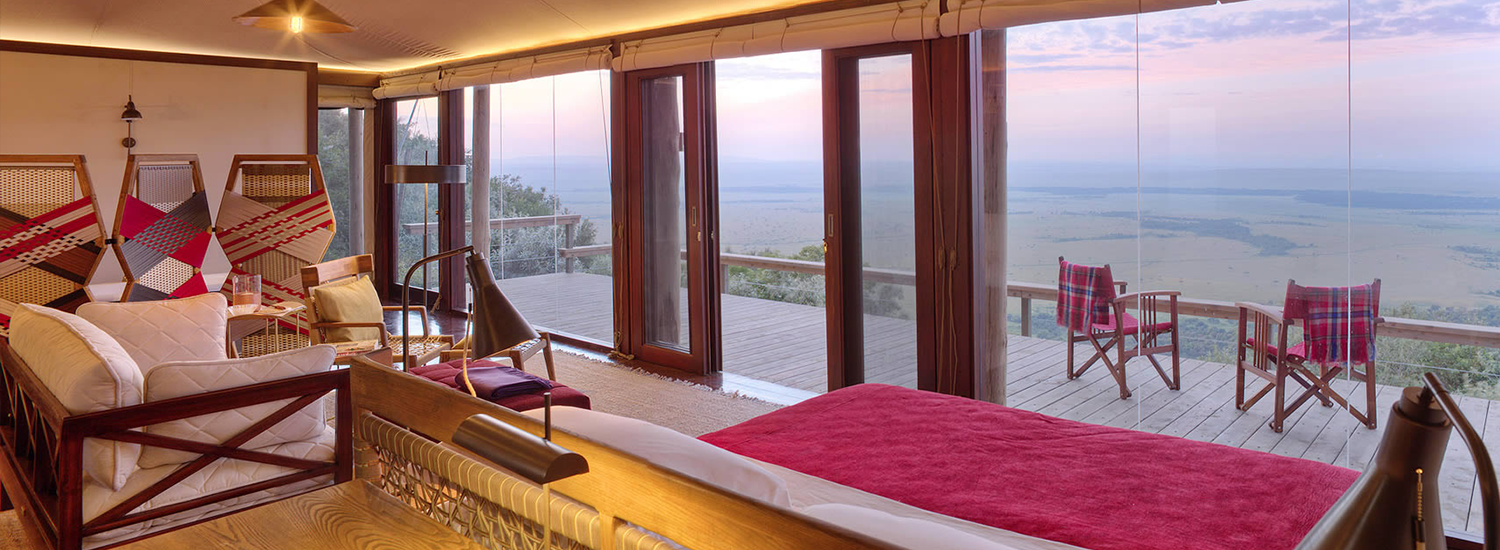
When it comes to unforgettable wildlife adventures, Kenya stands as one of Africa’s crown jewels. From the sweeping savannahs of the Masai Mara to the rugged beauty of Samburu and the serene shores of Lake Naivasha, Kenya offers a wide range of safari experiences. But what makes these journeys even more magical? Staying at the perfect safari camp. Whether you’re looking for luxury, eco-conscious travel, or something family-friendly, these top safari camps deliver the ultimate African experience.
Here are 10 of the best safari camps in Kenya to add to your bucket list:
1. Angama Mara – Masai Mara
Perched on the edge of the Great Rift Valley, this luxury lodge offers unbeatable views and exceptional service. It’s a top pick in most high-end Kenya safari packages.
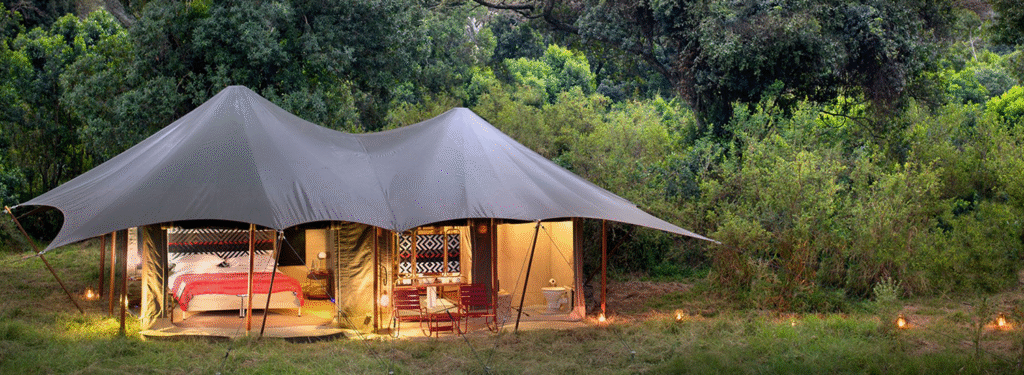
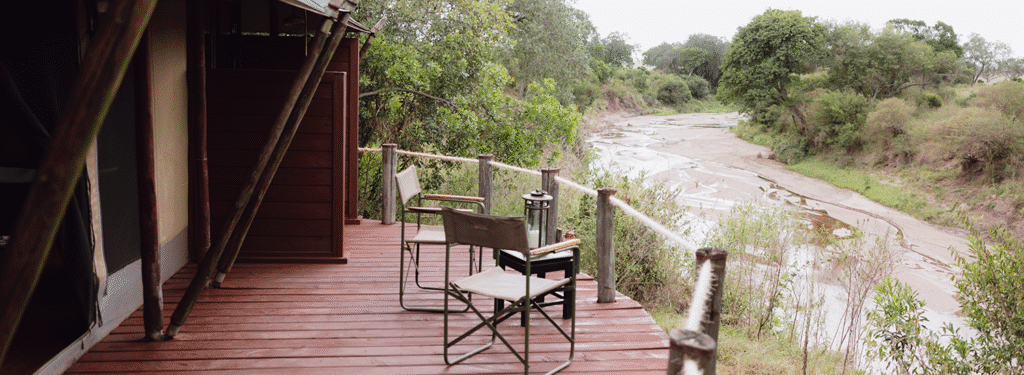
2. Elewana Sand River – Masai Mara
Old-world safari charm meets modern luxury. Located on the migration route, it’s perfect for spotting the Big Five.
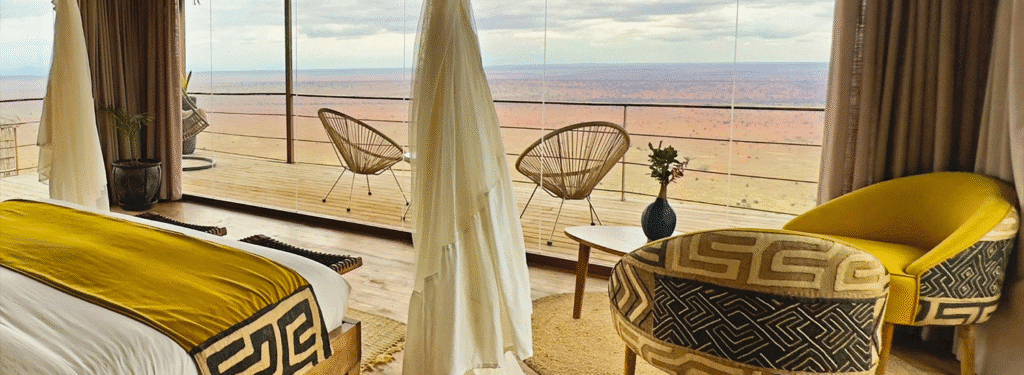
3. Soroi Lions Bluff Lodge:
Perched on a ridge in a private conservancy, Soroi Lions Bluff Lodge offers exclusive wildlife experiences with breathtaking views over Kenya’s wild and untamed savannah.
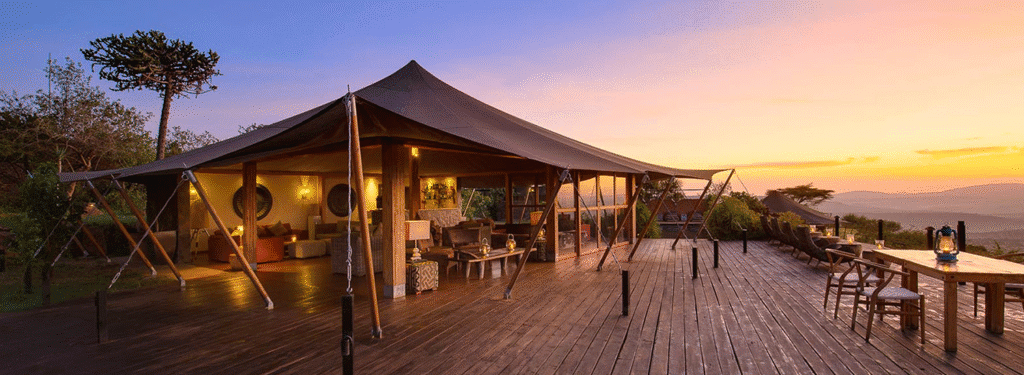
4. Loisaba Tented Camp – Laikipia
Eco-luxury at its finest. Stay in stylish tents and enjoy unique activities like camel rides and horseback safaris.
5. Governors’ Camp – Masai Mara
A classic choice for Africa tours and safaris. Known for its riverside setting and frequent wildlife sightings.
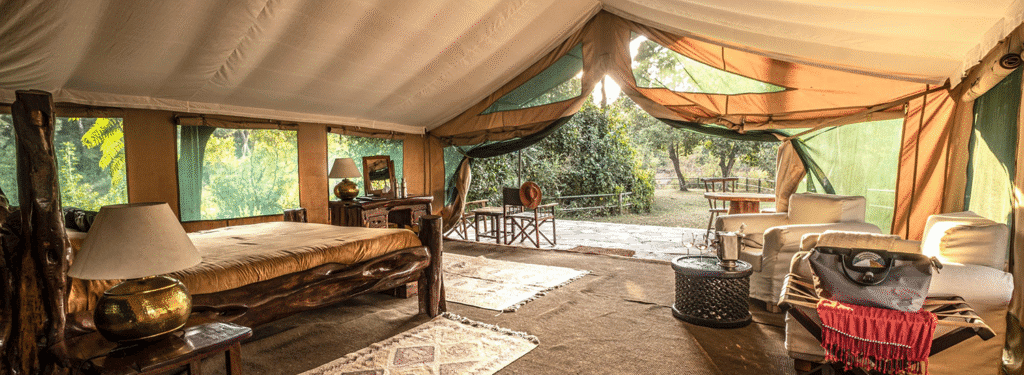
6. Ol Pejeta Bush Camp – Laikipia
Perfect for conservation-minded travelers. Located in one of Kenya’s top rhino sanctuaries.
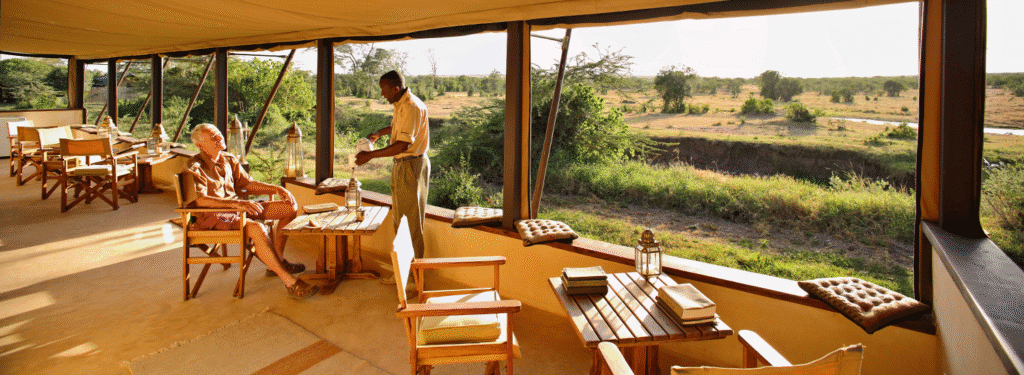
7. Sasaab – Samburu
A Moroccan-inspired luxury camp that combines culture, style, and stunning views of the Ewaso Nyiro River.
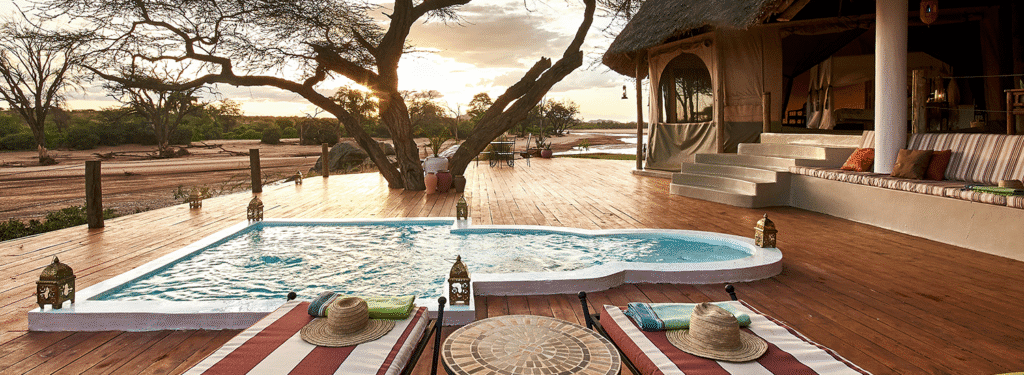
8. Encounter Mara Camp:
Experience intimate wildlife encounters and immersive Maasai culture at this sustainable, community-owned safari camp.
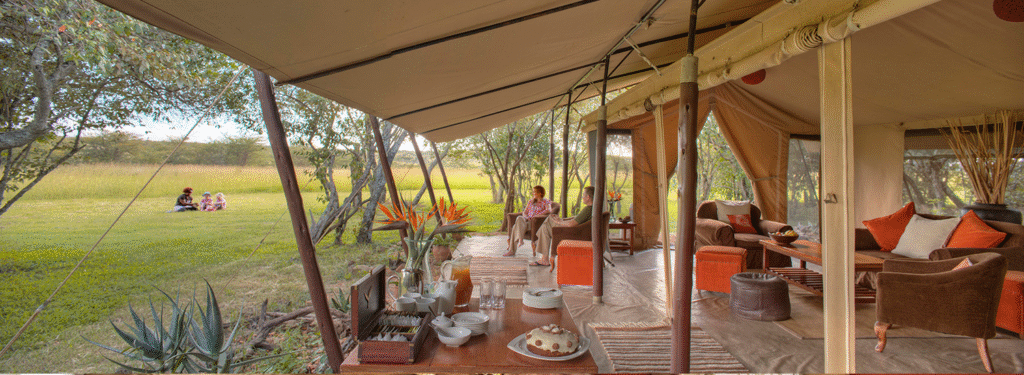
9. Giraffe Manor:
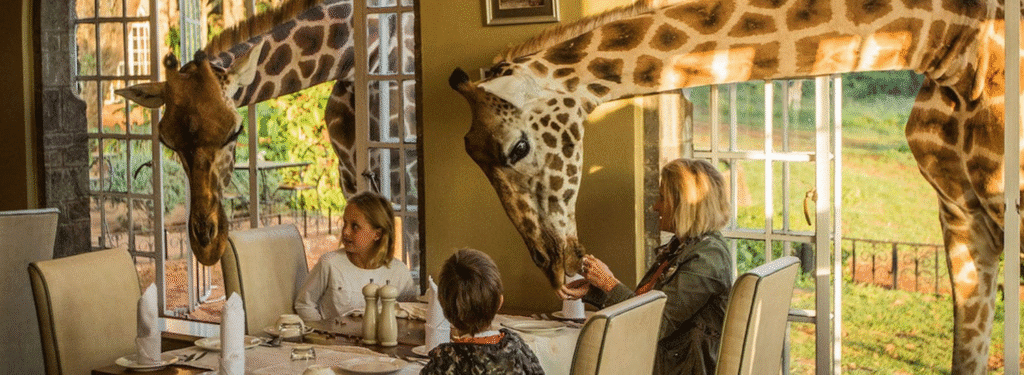
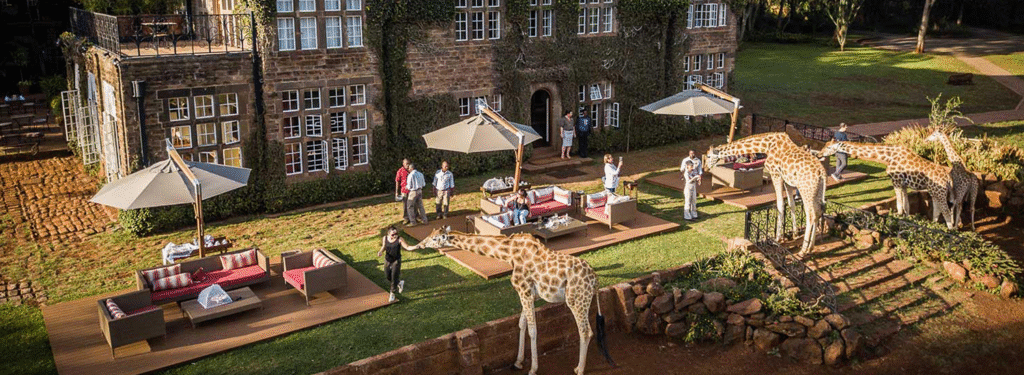
Share breakfast with friendly giraffes at this iconic, boutique manor set in Nairobi’s leafy suburbs.
10. Loldia House – Lake Naivasha
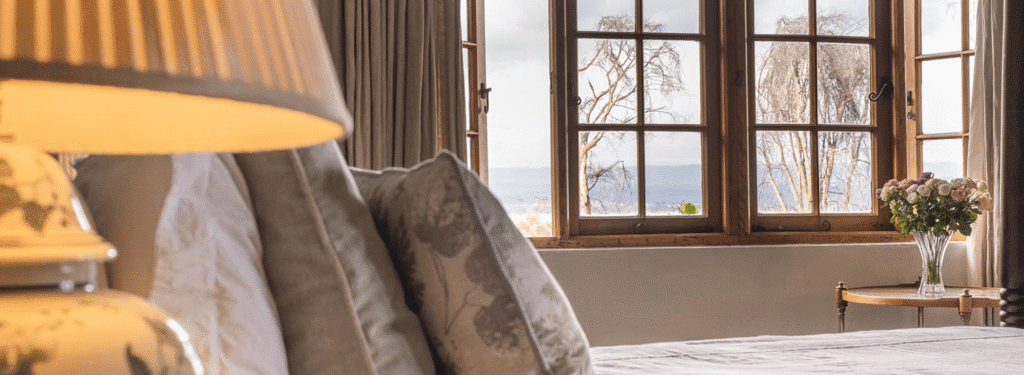
A colonial-era farmhouse turned camp that’s ideal for lakeside relaxation after a high-energy safari.
Whether you’re planning your first trip or returning for more, choosing the right camp can elevate your entire journey. These safari camps not only offer comfort and style but also bring you closer to the wildlife and landscapes that make Kenya a top destination for Africa tours and safaris.
Ready to plan your stay? Explore our curated Kenya safari packages for every kind of traveler.


