
Author: Susan Wanjiru
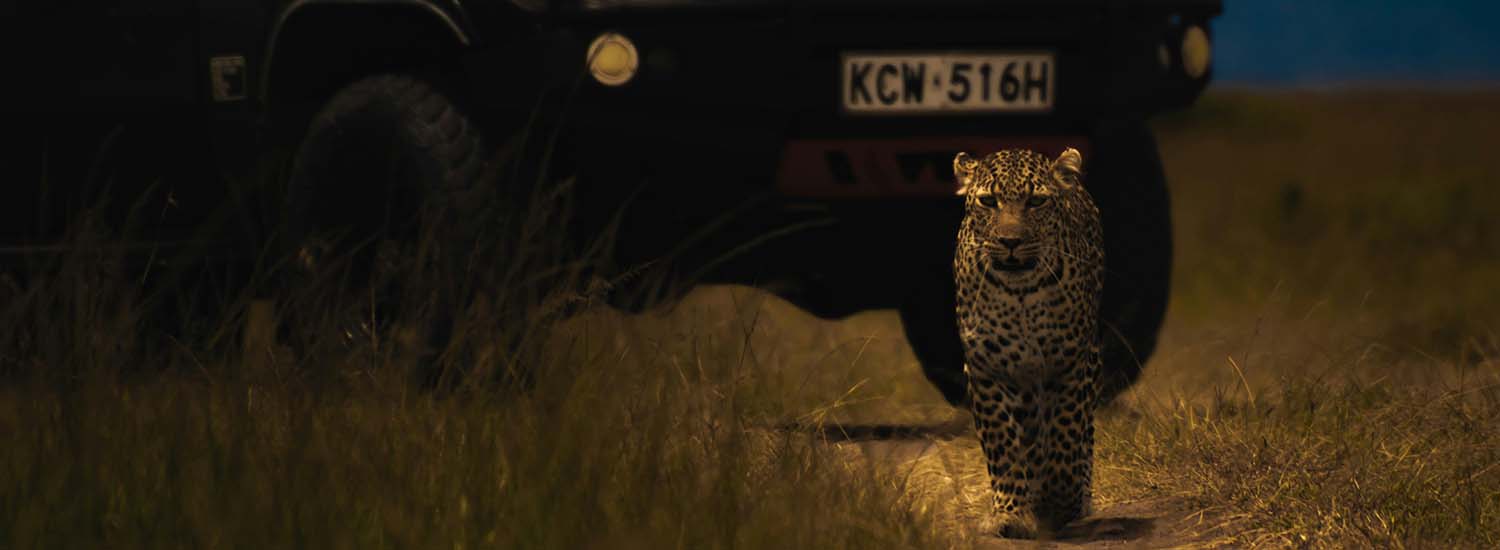
When the sun dips below the horizon in East Africa, the wilderness transforms into a realm of mystery and anticipation. While most safari-goers experience wildlife under the golden light of day, a night safari offers a completely different perspective, one where the nocturnal side of Kenya and Tanzania reveals itself in thrilling ways.
Why Choose a Night Safari?
A night game safari strips away the familiar and immerses you in the raw pulse of the wild. Unlike daytime safari, where lions are lazing in the sun or elephants are grazing leisurely, a Kenya night safari or Tanzania night safari often means witnessing predators on the prowl, nocturnal creatures emerging, and the bush echoing with calls you would never hear by day. From leopards stalking silently to bush babies leaping through trees, every moment feels amplified under starlit skies.
Where Are Night Safaris Allowed?
It’s important to note that night safaris are not permitted inside national parks and reserves like the Masai Mara or Serengeti. Instead, they are offered in private conservancies that border these famous landscapes. These conservancies, such as Olare Motorogi in Kenya or Grumeti in Tanzania, allow visitors exclusive access to after-dark experiences. A conservancy permit night safari not only opens the door to unique wildlife encounters but also supports sustainable tourism by directly benefiting local communities and conservation efforts.
Conservancies that allow night safari in Kenya:
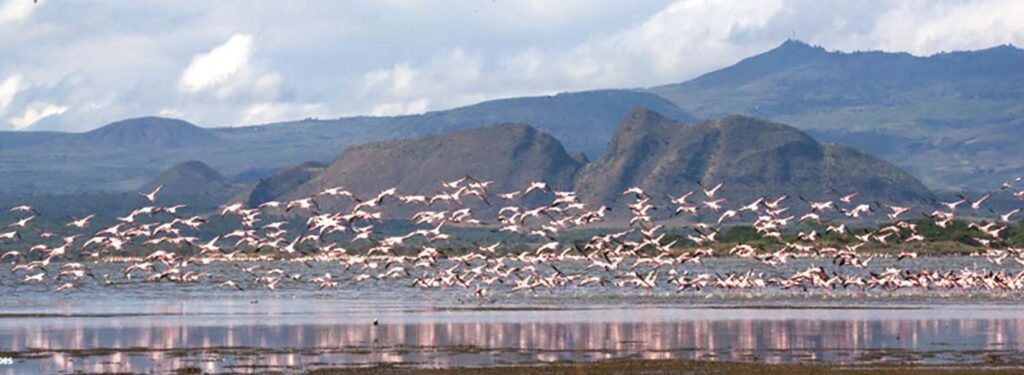
- Soysambu Conservancy (Lake Elementaita)
- Olare Motorogi Conservancy
- Naboisho Conservancy
- Mara North Conservancy
Conservancies that allow night safari in Tanzania:
- Lake Manyara National Park
- Tarangire National Park
- Mikumi National Park
- Ruaha National Park
Night Safari Costs:
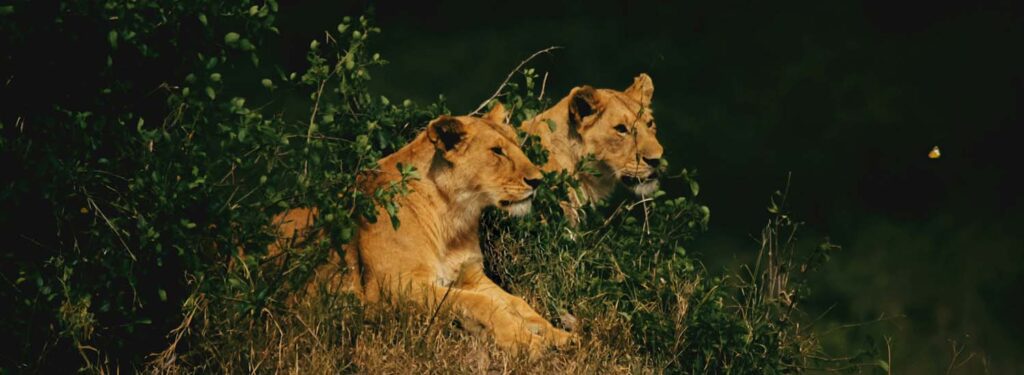
Night safaris typically range from USD 50 to 80, with the final cost depending on private tour guides, operators, and the conservancy charge.
Please note these charges are subject to change; check the official websites for more information.
Tips to Make the Most of Your Nocturnal Safari:
- Dress in layers: Nights can be chilly, so bring a jacket.
- Stay silent and alert: Sounds travel farther in the dark, and animals are more sensitive at night.
- Respect the rules: Spotlights are controlled by guides to ensure animal welfare, and avoid flash photography.
- Bring binoculars: Low-light binoculars enhance sightings of elusive nocturnal creatures.
Special Permits for Photographers
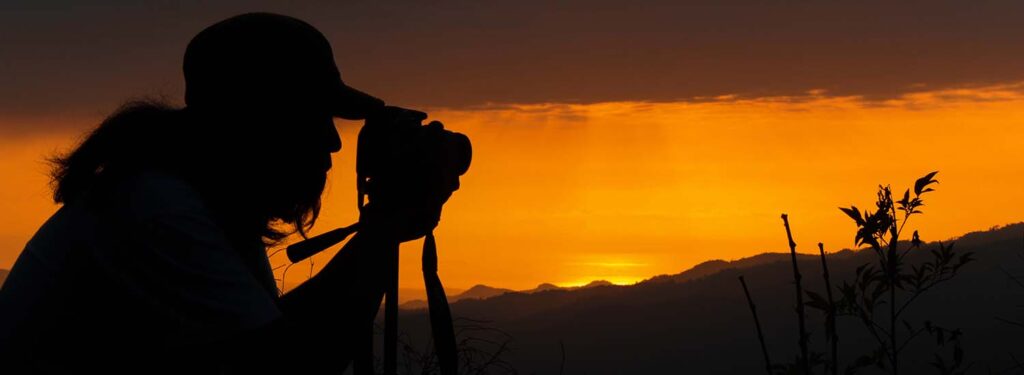
For photography enthusiasts, the night presents both a challenge and a reward. Capturing the gleam of a lion’s eyes in the spotlight or the movement of a hyena pack requires more than just skill; it requires authorization. In many cases, you can apply for a special permit for photographers, giving you extended opportunities to shoot in low-light conditions with professional equipment. This ensures that photographers have the right access while minimizing disturbance to wildlife.
Whether it’s a nocturnal safari Kenya style or a night safari deep in Tanzania, the experience is unforgettable. With conservancy access, skilled guides, and the option of photography permits, a night safari is more than just an add-on; it’s a chance to witness Africa’s wild side at its most raw and unfiltered form.
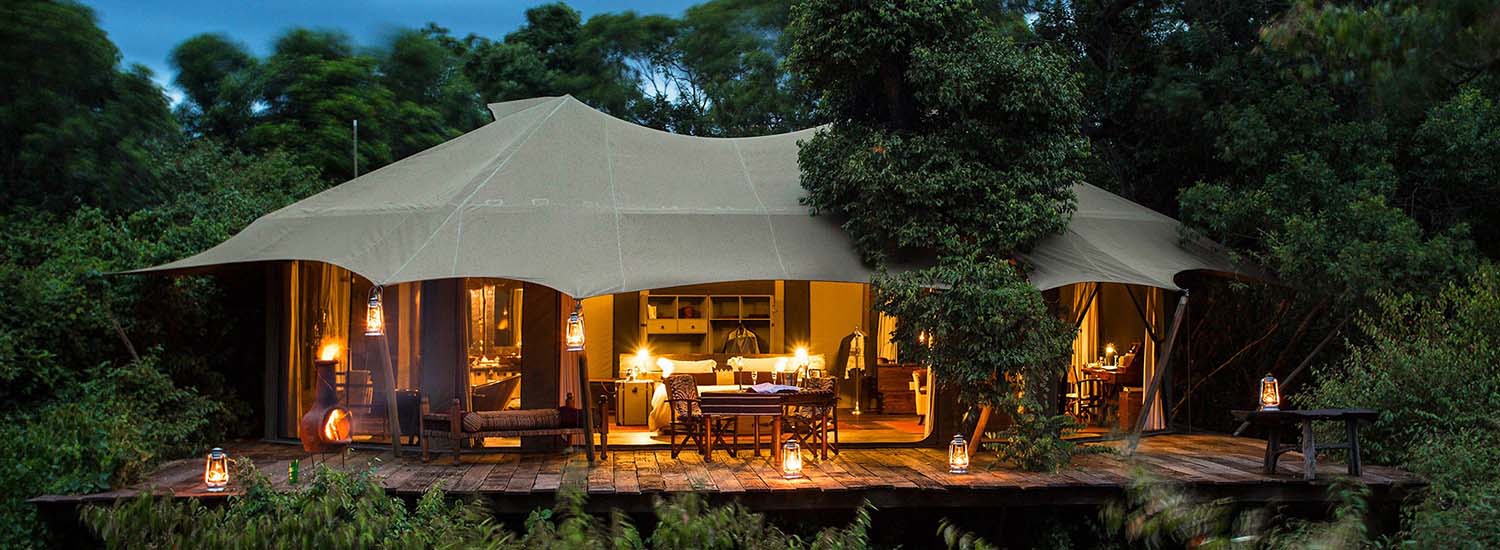
Whether you’re planning your first African safari or returning for another unforgettable adventure, choosing where to stay in Masai Mara National Park, Kenya, can shape your entire experience. The Masai Mara isn’t just about spotting the Big Five, it’s about how you see them, the comfort you return to after each game drive, and the stories you collect along the way.
From honeymooners seeking privacy and panoramic sunsets to families wanting space, safety, and flexibility, the Mara offers a curated stay for every kind of traveler. Here’s a guide to some of the most luxurious and thoughtfully designed properties in the Masai Mara, places that don’t just offer accommodation but an experience rooted in comfort, exclusivity, and connection to nature.
1. For First-Time Safari Goers: Classic Luxury Meets Iconic Wildlife
If it’s your first time visiting Africa, chances are you’re looking for an immersive, high-end safari experience that balances comfort with the thrill of the wild. The Masai Mara National Park is ideal, it’s home to one of the highest concentrations of Big Five animals and is the stage for the Great Migration.
Recommended Stay: Angama Mara
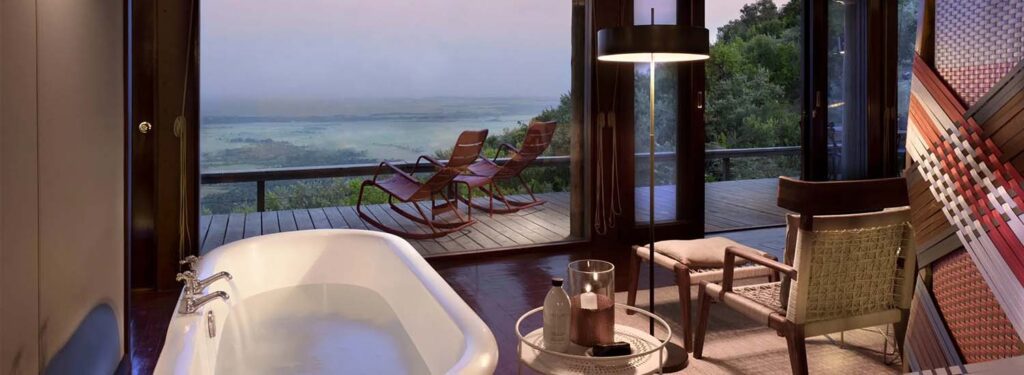
Suspended on the edge of the Oloololo Escarpment, Angama Mara is a striking mix of elegance, intimacy, and panoramic views. First-time safari-goers love its personalized service, excellent guiding, and cinematic outlook across the Mara Triangle. Expect early morning game drives, picnic lunches in the bush, and stargazing by the fire, all from a lodge that redefines luxury in the wild.
2. For Couples & Honeymooners: Romantic Escapes in the Savannah
Lovebirds looking for quiet moments and private experiences will find the Masai Mara equally romantic and exhilarating. Intimate tented suites, candlelit dinners under the stars, and nature’s soundtrack set the perfect tone for couples.
Recommended Stay: Cottar’s 1920s Camp
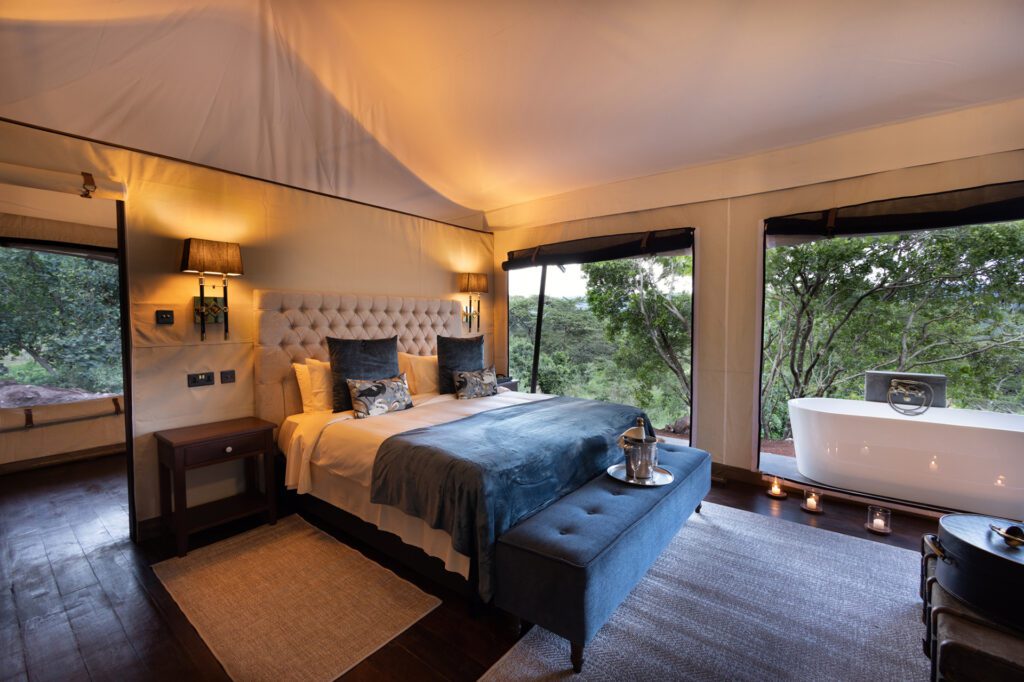
This vintage-style safari camp brings old-world charm with modern indulgence. Located in a private conservancy bordering the Mara, it offers the privacy couples crave and access to some of the best game viewing areas. Private butlers, vintage bathtubs, and sunset views make it one of the most romantic getaways in Kenya.
Also consider: Mahali Mzuri
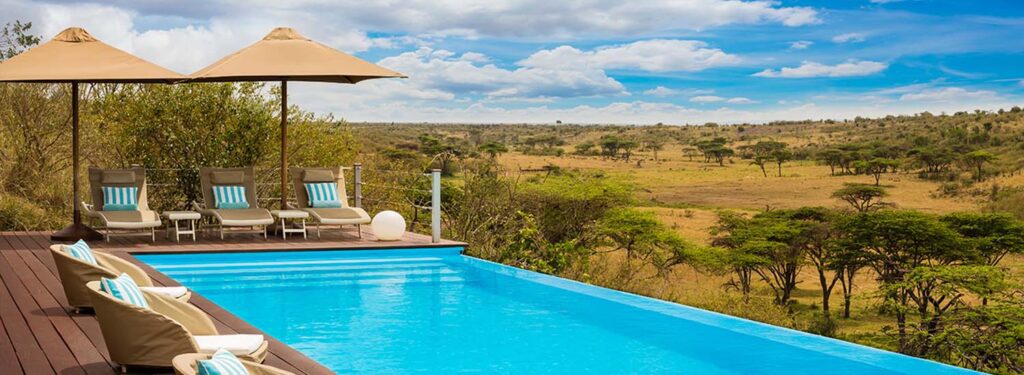
This ultra-luxury tented camp is tucked within the Olare Motorogi Conservancy. With only 12 spacious tents, the camp ensures personal space, intimate dining, and front-row seats to the migration, minus the crowds.
3. For Families: Safe, Spacious, and Seamless
Safari with children requires more than just luxury, it needs flexibility, safety, and thoughtful planning. Several top-end lodges in the Masai Mara National Park, Kenya, are designed with families in mind.
Recommended Stay: Elewana Sand River Mara
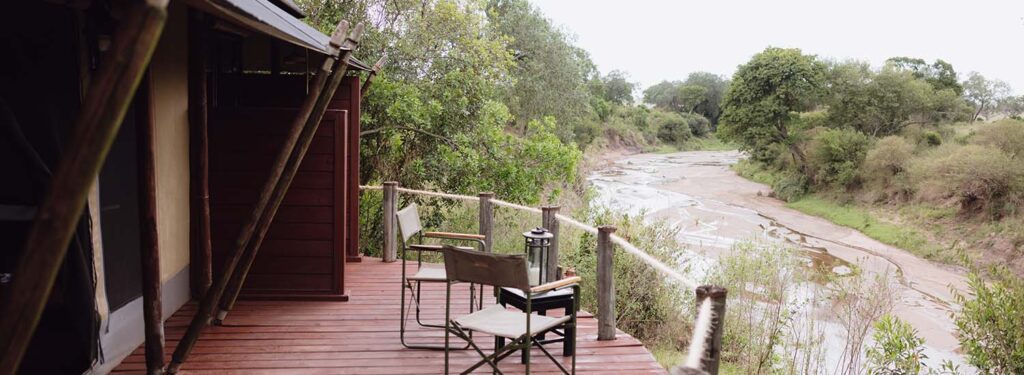
Sprawled along the Sand River, this elegant lodge offers family-friendly suites, kid-safe amenities, and engaging activities for young explorers. From storytelling around the bonfire to junior ranger programs, it’s ideal for parents who want to instill a love for wildlife in their children.
Also consider: Mara Bushtops
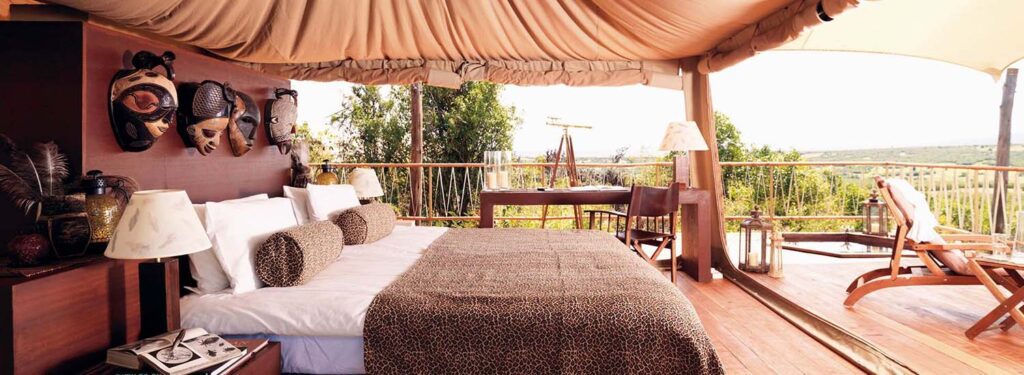
With private decks, heated plunge pools, and attentive service, this camp feels like a luxurious home in the wild. The camp also offers family tents and tailored experiences for multi-generational groups.
4. For Photographers & Wildlife Enthusiasts: Front-Row Access to the Action
If your goal is to capture that perfect lion yawn at sunrise or a dramatic river crossing, location matters. Camps with strategic access to high-activity zones and guides who understand positioning can make all the difference.
Recommended Stay: Rekero Camp
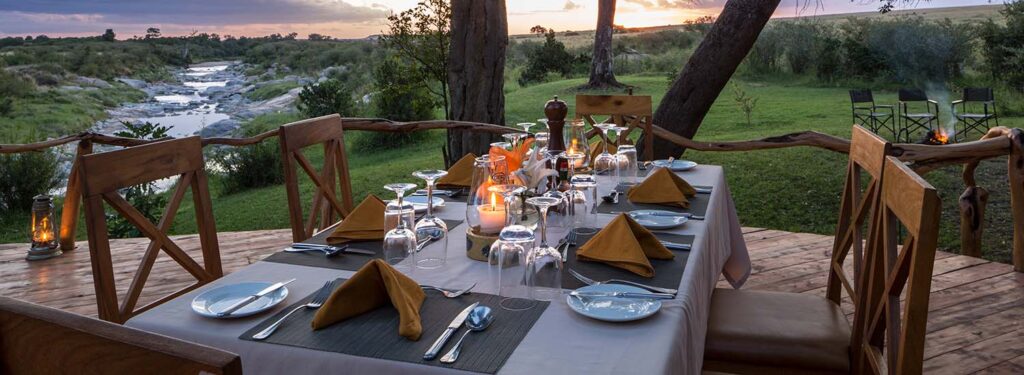
Set right by the Talek River, this camp gives you unbeatable access to prime wildlife corridors. Photographers love the open vehicles, experienced spotters, and proximity to dramatic crossings during the migration season.
Also consider: Kicheche Mara Camp
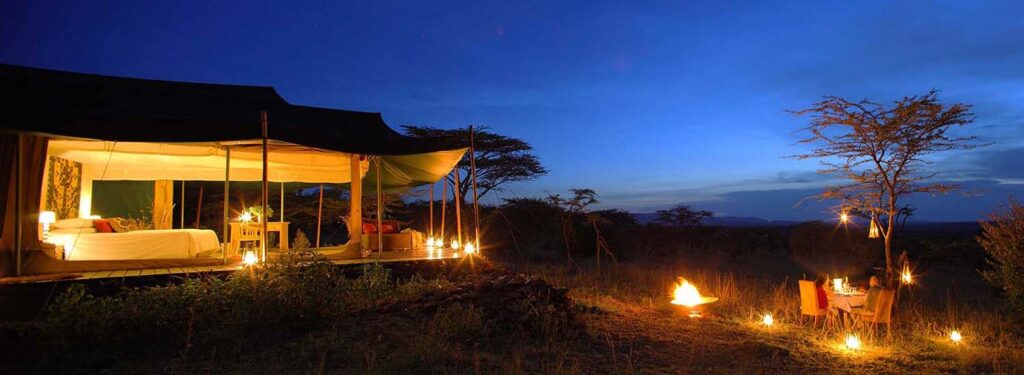
Tucked in Mara North Conservancy, it offers low vehicle density and expansive wildlife territory, perfect for uninterrupted shots and extended animal encounters.
5. For Wellness Seekers & Slow Travelers: Peace in the Wilderness
Not every traveler comes for just the thrill, some seek reconnection, healing, and space to slow down. For those craving serenity, spa treatments, and mindful luxury, the Mara has options that bring balance to the wild.
Recommended Stay: Mara Plains Camp
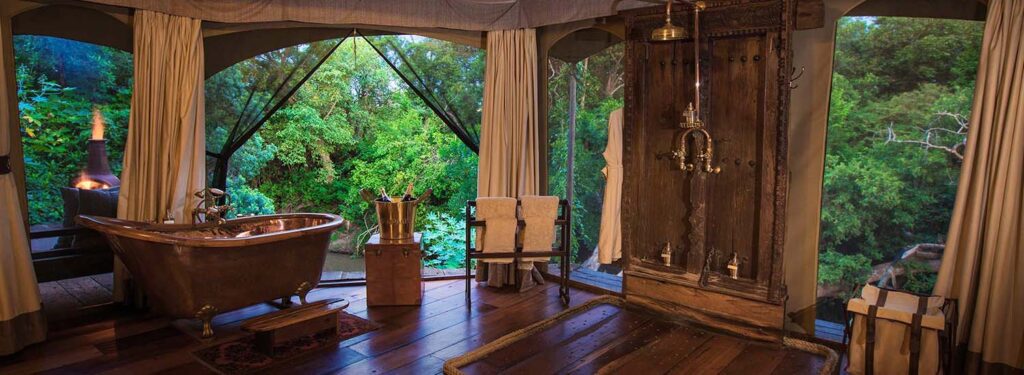
With just seven tented suites, this Relais & Châteaux camp emphasizes silence, service, and scenery. Think morning yoga on your private deck, organic dining, and quiet moments watching elephants graze in the distance.
Discover Masai Mara, Stay Differently
No matter your travel style, one thing is constant: Masai Mara National Park, Kenya, delivers not just the Big Five but big experiences. With its unmatched wildlife density, beautiful landscapes, and luxury lodges designed for every kind of traveler, the Mara is the ultimate gateway into Africa’s soul.
Whether it’s your first safari or your fifth, we’ve got all your safari plans and stays sorted at Scarface Pride. Contact us now to know more about our safari trips!
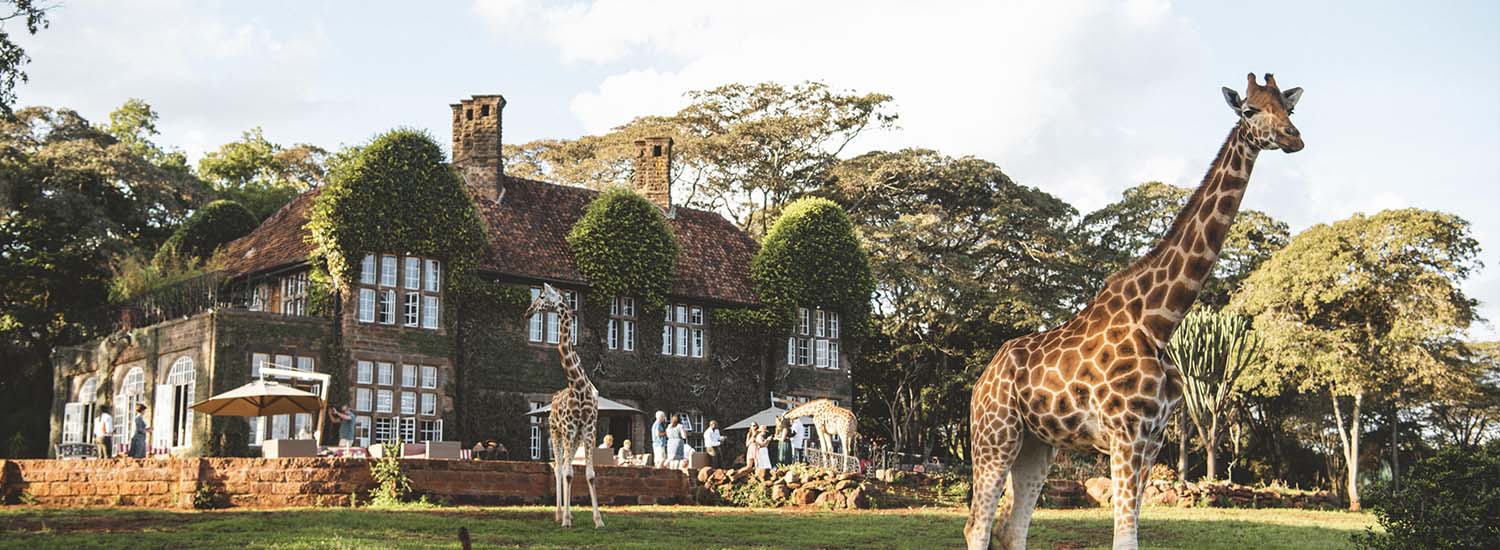
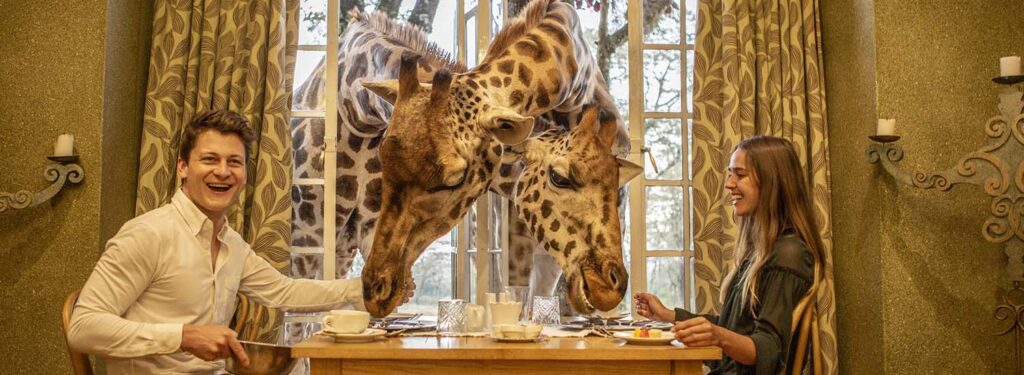
A kenya safari does not always begin with lions on the plains or elephants beneath Kilimanjaro. Sometimes, it begins at breakfast, when a long neck bends through an ivy framed window and a Rothschild giraffe greets you before your first cup of coffee.
There are luxury hotels, there are wildlife lodges, and then there is Giraffe Manor Nairobi, Kenya, where breakfast is shared with a resident herd of endangered Rothschild giraffes who wander the grounds like elegant hosts. It is not just a stay. It is a story you will tell forever.
For many travellers, Giraffe Manor is the perfect first chapter before the wild drama of the Masai Mara, Amboseli, Laikipia, Samburu or a private safari Kenya journey. It blends boutique luxury, wildlife intimacy, Nairobi convenience and conservation purpose in a way few properties in the world can match.
Why Giraffe Manor Belongs In A Kenya Safari Itinerary
Giraffe Manor is not a traditional safari lodge. It sits in Nairobi’s Langata area, close enough to the city to work as a graceful arrival or departure stay, yet far enough in atmosphere to feel like a private country house from another era.
For travellers planning kenya safari packages, this matters. Nairobi is often the gateway to the country’s most iconic wilderness regions. Most international travellers arrive in Nairobi before flying or driving onward to the Masai Mara, Amboseli, Samburu, Laikipia or the coast. Instead of treating Nairobi as a simple transit stop, Giraffe Manor turns the city arrival into a signature wildlife experience.
At dawn, sunlight spills across the ivy clad manor as curious giraffes glide past the windows. Guests sit down for breakfast and are greeted almost nose to nose by these gentle giants. The experience feels playful, elegant, surreal and deeply Kenyan.
What Makes Giraffe Manor So Iconic?
The magic lies in proximity. In many safari settings, wildlife is observed from a vehicle or at a distance. At Giraffe Manor, the interaction feels personal and immediate. Guests may feed special pellets provided by the property while staff guide the experience safely and respectfully.
The giraffes often appear during breakfast and afternoon tea, creating the kind of moment that feels almost unreal until it is happening in front of you. A head leans through a window. A long tongue reaches gently for a pellet. Cameras click, laughter rises, and for a few seconds the line between hotel and wildlife encounter disappears.
The intimacy is unparalleled. You are not observing wildlife from afar. You are part of the scene.
This is why Giraffe Manor has become one of the most photographed and desired stays in Africa. It is not only beautiful. It is emotionally specific. Travellers do not just remember the room or the meal. They remember the moment a giraffe looked directly into the breakfast room.
More Than a Stay: Conservation with Purpose
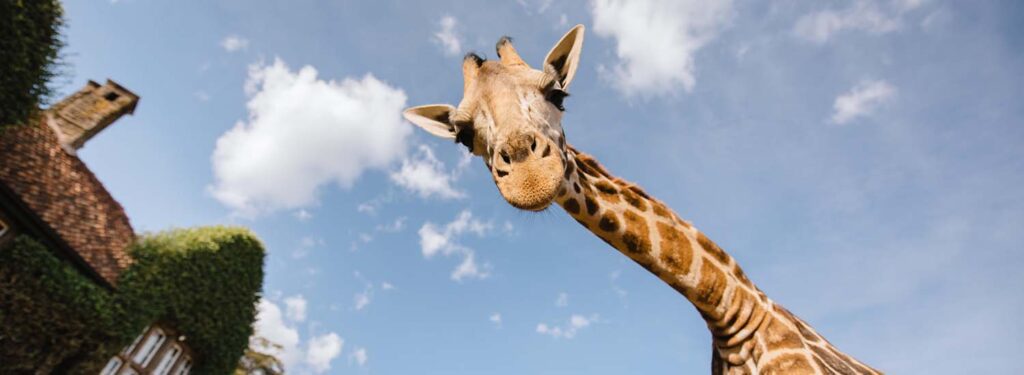
The experience at Giraffe Manor is not only about luxury. It is grounded in conservation. The resident giraffes are connected to a wider story of Rothschild giraffe protection and education in Kenya. The nearby Giraffe Centre is known as the home of the Rothschild giraffe and operates as an environmental conservation centre.
This gives the stay more meaning. The playful breakfast moment sits inside a larger conservation story involving awareness, education and protection. For travellers who care about responsible travel, that matters.
When planned properly, a luxury kenya safari should do more than move guests between beautiful places. It should connect them to landscapes, wildlife, people and conservation work with respect. Giraffe Manor is one of the rare Nairobi experiences that can create that connection from the first morning.
The Manor Experience
Giraffe Manor feels like a private country house with giraffes at the windows. The setting is intimate, romantic and highly personal. It does not feel like a large hotel. It feels like a storybook estate where every room, hallway and lawn has a sense of occasion.
Boutique Luxury
Each room is styled with classic charm, period character, four poster beds, vintage details and elegant design touches. The mood is often described as Out of Africa elegance with modern comfort. It works especially well for couples, honeymooners, families and travellers who appreciate personality over standard hotel design.
All Inclusive Ease
Stays are typically arranged with meals, drinks, selected transfers within Nairobi and giraffe interaction moments included depending on the package and room category. Exact inclusions should always be confirmed at the time of booking, but the experience is designed to feel seamless once you arrive.
Thoughtful Hospitality
From warm staff to afternoon tea on the lawn, the atmosphere feels unhurried and personal. It is this balance of polished hospitality and natural wonder that makes the manor feel so different from a regular luxury hotel.
How Breakfast With Giraffes Actually Works
The breakfast experience is the signature moment. Guests gather in the dining area while the giraffes may approach the windows from outside. Staff provide approved food and guide guests on how to feed safely.
The giraffes are not pets, and the interaction is managed. You should follow staff instructions, keep fingers flat, avoid table food, and allow the animals to engage naturally. Some moments are lively and photogenic. Others are quiet and gentle.
It is important to understand that these are still living animals with their own rhythms. The experience is famous, but it is not a scripted performance. That is part of its charm.
Is Giraffe Manor Worth It?
Yes, if you value rare experiences that blend luxury, wildlife intimacy and conservation purpose. Prices reflect the rarity, demand, setting and uniqueness of the stay. But the return is emotional rather than only material.
Giraffe Manor is worth it for travellers who want:
- A once in a lifetime Nairobi experience
- A memorable start to a kenya safari
- A romantic honeymoon moment
- A meaningful family wildlife encounter
- Iconic photography opportunities
- A luxury stay with conservation context
- A smooth arrival before heading to the bush
It may not be the right choice if you only need a simple overnight stay in Nairobi. But if Nairobi is your gateway to safari and you want the journey to begin with wonder, it is difficult to match.
How To Plan It and Actually Get a Room
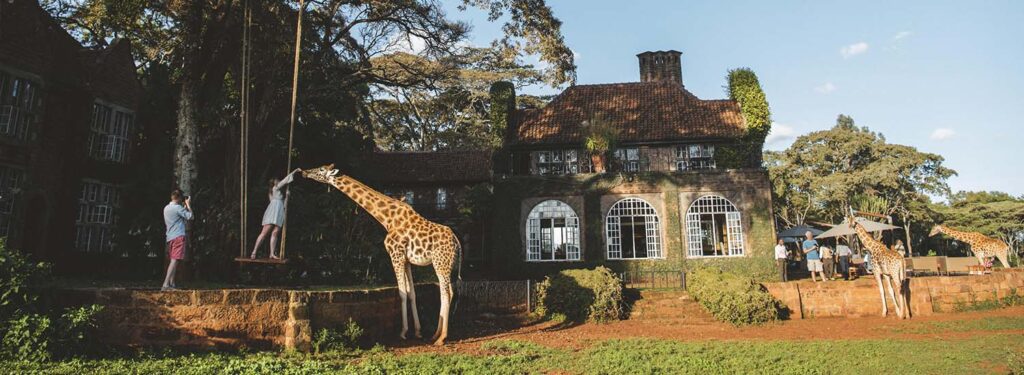
Giraffe Manor is small and famously in demand. Availability can be difficult, especially during peak safari months. Travellers should plan well in advance, particularly if they want specific dates, room categories or a seamless connection with onward safari flights.
Peak kenya safari periods often include June to October and December to February. These months pair well with dry season wildlife viewing and popular holiday travel. If your dates are tight, consider arriving in Nairobi a day earlier or later than your main safari plan to widen availability.
Many travellers pair one night at the Manor with a longer Masai Mara safari or Amboseli itinerary. This works beautifully because Giraffe Manor acts as a soft landing before the more remote wilderness experience begins.
Booking Tips
- Book as early as possible
- Keep your Nairobi arrival date flexible
- Consider one night rather than trying to force two
- Match the stay with onward safari flights
- Confirm inclusions clearly
- Plan transfers carefully
- Use a safari specialist to coordinate logistics
For high demand dates, Scarface Pride can help structure kenya safari tours around realistic availability instead of building the full itinerary first and struggling to fit the manor later.
Suggested Kenya Safari Itinerary with Giraffe Manor
One of the most popular ways to combine Giraffe Manor with Masai Mara is through a well-planned itinerary that blends Nairobi’s iconic giraffe encounters with Kenya’s premier safari destination. The journey begins with a stay at Giraffe Manor in Nairobi before continuing to the Masai Mara, where expansive landscapes and exceptional wildlife encounters provide a striking contrast to the intimate giraffe experience.
For the smoothest travel experience, many visitors choose a Masai Mara fly-in safari, flying directly from Nairobi to a Mara airstrip after their stay at Giraffe Manor. While a Nairobi to Masai Mara safari can also be completed by road, flying saves time and offers a more comfortable, seamless journey for luxury travellers.
Day 1: Arrive in Nairobi
Arrive in Nairobi and transfer to Giraffe Manor. Settle into the property, explore the grounds, and enjoy your first introduction to the resident Rothschild’s giraffes.
Day 2: Breakfast with Giraffes and Fly to Masai Mara
Experience the iconic breakfast with giraffes before taking a scheduled flight to the Masai Mara. Arrive in time for an afternoon game drive and your first taste of Kenya’s legendary wildlife.
Day 3 To 5: Masai Mara Safari
Spend three full days exploring the Masai Mara’s diverse landscapes and abundant wildlife. Search for lions, elephants, leopards, cheetahs, and countless other species. During the Great Migration season, your itinerary can focus on river crossing areas and predator activity.
Day 6: Optional Balloon Safari or Conservancy Experience
Enjoy a sunrise hot air balloon safari, explore a private conservancy, or head out on one last game drive before relaxing at camp. This flexible day lets you tailor the experience to your travel style.
Day 7: Return To Nairobi or Extend
Fly back to Nairobi for your onward flight or continue your Kenya adventure with extensions to Diani Beach, Amboseli, Laikipia, or other safari destinations.
This itinerary works exceptionally well for luxury Kenya safari packages, combining one of Nairobi’s most iconic boutique stays with world-class wildlife viewing in the Masai Mara. The result is a well-paced journey that balances comfort, exclusive experiences, and unforgettable safari moments.
Other Safari Pairings After Giraffe Manor
Amboseli
Amboseli is ideal for elephant lovers and photographers. The possibility of seeing elephants with Mount Kilimanjaro in the background makes it one of Kenya’s most iconic safari scenes.
Laikipia
Laikipia works well for travellers who want private conservancies, fewer vehicles, walking safaris, rhino conservation and a more exclusive safari rhythm.
Samburu
Samburu adds a different landscape and unique northern species. It is excellent for travellers who want a less predictable and more textured Kenya safari.
Diani Beach
For a kenya safari and beach holiday, Diani Beach creates a beautiful ending. After Nairobi and the bush, the Indian Ocean coast offers white sand, calm water and a slower pace.
Who Is Giraffe Manor Best For?
Giraffe Manor suits travellers who value distinctive experiences over standard luxury. It is especially strong for honeymooners, families, photographers and first time safari guests.
Honeymooners
African safari honeymoon packages often need one unforgettable signature moment. Giraffe Manor gives couples a soft, romantic and highly photogenic start before the drama of the bush.
Families
For families, Giraffe Manor is gentle, exciting and easy to understand. Children can connect with wildlife at close range in a guided environment. This makes it one of the best African safari for families experiences when combined with a family friendly lodge in the Mara or Amboseli.
Photographers
Morning light, ivy walls, manor windows and giraffe portraits create exceptional images. The experience is visually strong without needing a long game drive.
Leisure and Experiential Travellers
For leisure travellers looking to slow down and enjoy meaningful experiences, Giraffe Manor offers a memorable start to a Kenya holiday. It appeals to those who value unique wildlife encounters, boutique luxury, and personalized service. Combined with a luxury safari, it delivers a well-balanced journey that blends comfort, adventure, and unforgettable moments.
Etiquette And Safety Tips
Staff will show you how to hand feed safely. Follow their guidance.
- Do not feed giraffes food from the table.
- Keep fingers flat when offering pellets.
- Avoid sudden movements.
- Respect the animals’ space.
- Do not force interactions.
- Supervise children closely.
- Listen carefully to staff instructions.
- Enjoy the moment without crowding others.
Luxury wildlife experiences work best when they remain respectful, calm and well managed.
Giraffe Manor And The Nearby Giraffe Centre
A visit to the nearby Giraffe Centre can add educational value to your stay. It allows travellers to learn more about Rothschild giraffes, conservation education and the wider purpose behind giraffe protection in Kenya.
This is useful for families and travellers who want the experience to be more meaningful than photographs alone. When combined thoughtfully, Giraffe Manor and the Giraffe Centre create a stronger understanding of why conservation based tourism matters.
Giraffe Manor Versus A Safari Lodge
Giraffe Manor should not replace a full safari. It is a Nairobi wildlife experience, not a wilderness safari. You come here for intimacy, charm and a rare giraffe encounter. You go to the Masai Mara, Amboseli, Samburu or Laikipia for game drives, predator sightings, open landscapes and deeper wildlife immersion.
The best itinerary does both. Giraffe Manor sets the emotional tone. The safari completes the story.
FAQ
1. Is Giraffe Manor part of a Kenya safari?
Yes. Giraffe Manor is often included as a luxury Nairobi stay before or after a Kenya safari. It pairs especially well with Masai Mara, Amboseli and Laikipia itineraries.
2. Can non guests have breakfast with giraffes at Giraffe Manor?
Generally, the famous breakfast and afternoon tea experiences are for staying guests. Travellers who are not staying can visit the nearby Giraffe Centre for a public giraffe interaction experience.
3. How far in advance should I book Giraffe Manor?
Book as early as possible because the property is small and highly demanded. Peak safari months and holiday periods can sell out far in advance.
4. What is the best safari to combine with Giraffe Manor?
The Masai Mara is the best safari to combine with Giraffe Manor, offering a seamless transition from Nairobi to Kenya’s premier wildlife destination. For a truly luxury experience, Sala’s Camp is one of the preferred pairings, with a fly-in safari providing the smoothest and most exclusive journey.
5. Is Giraffe Manor good for families?
Yes. It is excellent for families when booked with suitable rooms and careful planning. Children usually find the giraffe interaction memorable and easy to connect with.
6. Is Giraffe Manor good for honeymooners?
Yes. It is one of Kenya’s most romantic and photogenic stays, especially when paired with a luxury Masai Mara safari and a beach extension.
7. Is Giraffe Manor worth the cost?
Yes, for travellers who value rare, emotional and highly personal experiences. It is not just a hotel stay. It is a signature Kenya memory.
Breakfast with giraffes is not a bucket list box to tick. It is a bridge between humans and wildlife, playful, gentle and deeply moving.
If Nairobi is your gateway to safari, make Giraffe Manor your first chapter. It sets the tone for a journey where wonder leads the way.
Let Scarface Pride create your Kenya safari with Giraffe Manor, Masai Mara, luxury camps, private guiding and seamless planning from arrival to farewell.
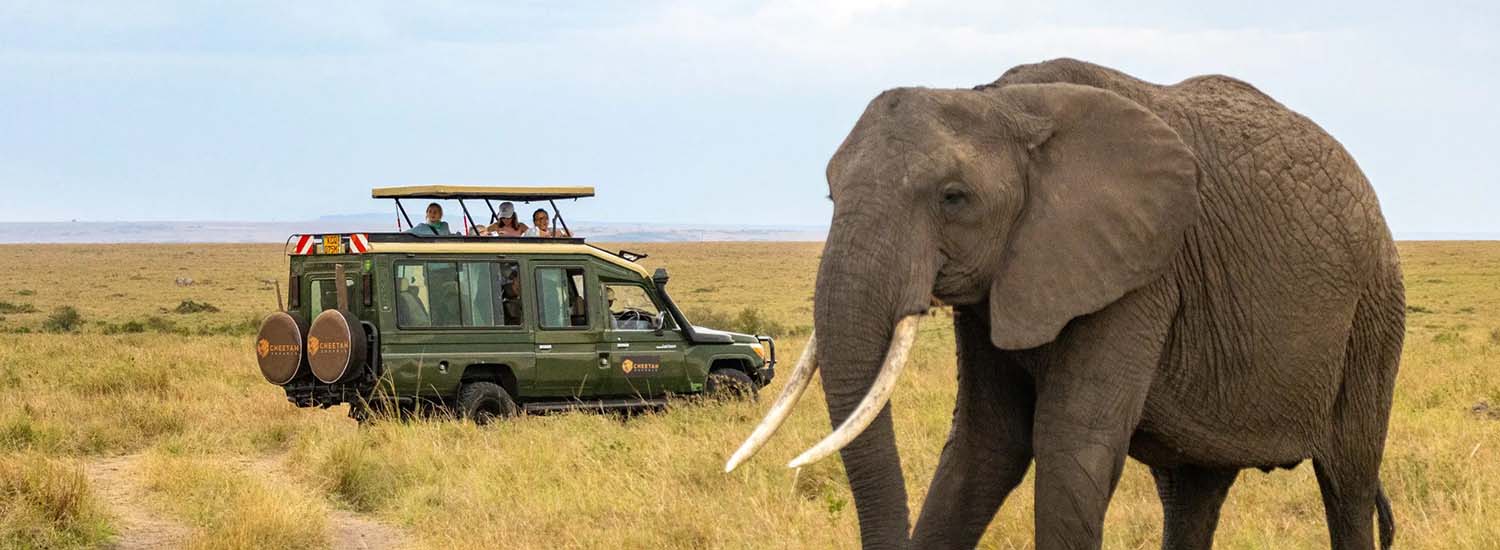
If you’re in the UAE and dreaming of an adventure that blends raw wilderness with luxury, a Kenya safari might just be your perfect getaway. From the Great Migration in the Masai Mara to the flamingo-filled lakes of the Rift Valley, Kenya is one of the world’s top safari destinations. But with so many styles of travel, wildlife parks, and logistical details to sort through, it’s easy to feel overwhelmed. This guide breaks down everything UAE travelers need to know to plan a seamless escape—and helps you choose the right Kenya safari package for your style.
1. Fly from the UAE: How to Get There
Kenya is well connected to the UAE, with direct flights from Dubai or Abu Dhabi to Nairobi (Jomo Kenyatta International Airport). Airlines like Emirates, Kenya Airways, and FlyDubai operate regular flights, taking approximately 5–6 hours.
Visa and Entry Requirements for UAE Residents:
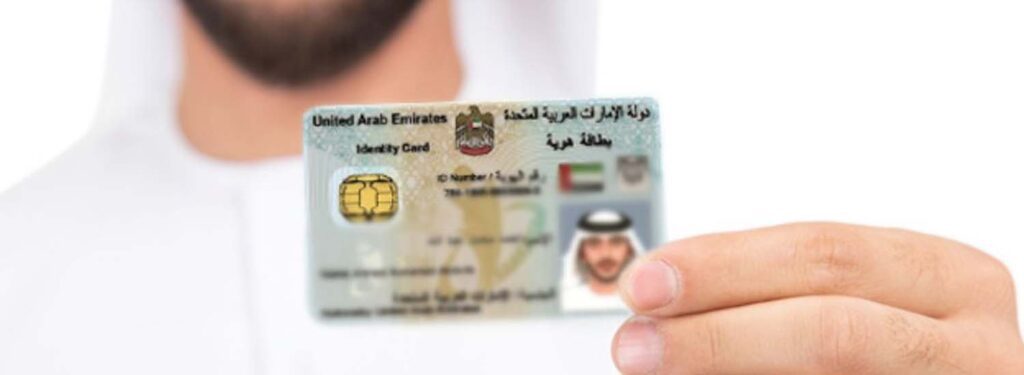
- eVisa: UAE citizens and most residents need an eVisa to enter Kenya. Apply through the eCitizen portal, ideally 1–2 weeks before departure.
- Documents: Valid passport (with at least 6 months validity), flight details, accommodation booking, and proof of yellow fever vaccination (required if you’re traveling from or transiting through a yellow fever zone).
2. Choosing the Right Safari Style: Lodge vs. Mobile Camp
A. Lodge Safaris (Comfort & Convenience)
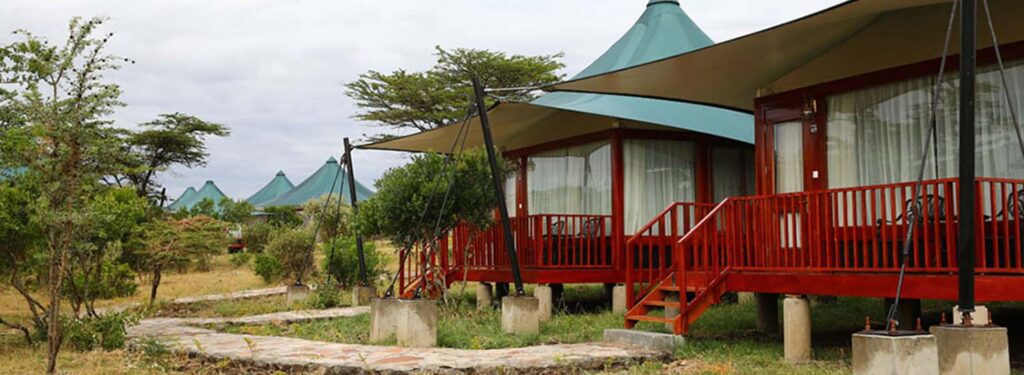
- Pros: Luxurious stays, hot water, electricity, and gourmet meals.
- Cons: Less flexibility in terms of itinerary or route.
- Ideal For: Families, honeymooners, or first-time safari-goers who want a curated, hotel-style experience.
B. Mobile or Tented Safaris (Authentic & Immersive)
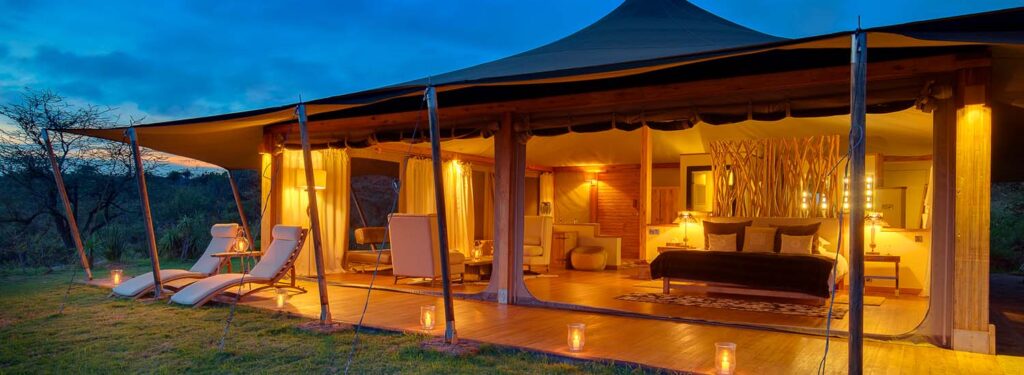
- Pros: Real bush experience, flexible routes, closer proximity to wildlife.
- Cons: Limited amenities, more rustic, sometimes shared facilities.
- Ideal For: Adventure-seekers, photographers, and return visitors.
Example Scenario: If you’re a couple looking for a romantic escape with privacy and creature comforts, a lodge-based Kenya Safari Package in the Masai Mara might suit you. On the other hand, if you’re traveling solo or with friends and want to chase the Great Migration, a mobile tented safari across Serengeti and Mara Conservancies could be more thrilling.
3. What is the best month to go on a safari in Kenya from UAE?
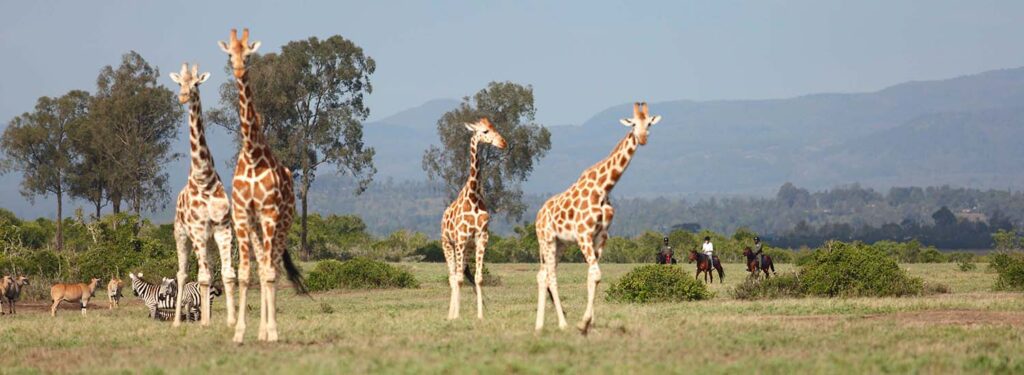
Kenya offers year-round wildlife viewing, but your experience will vary depending on when you go:
- July to October: Peak season, especially for the Great Migration in the Masai Mara. Dry weather, clear skies, and abundant wildlife.
- November to March: Quieter season with occasional rains. Ideal for birdwatching, newborn animals, and fewer crowds.
- April to June: Heavy rains. Some lodges may close, and travel conditions are challenging—but green season safaris are less expensive.
4. What to See: Must-Visit Parks
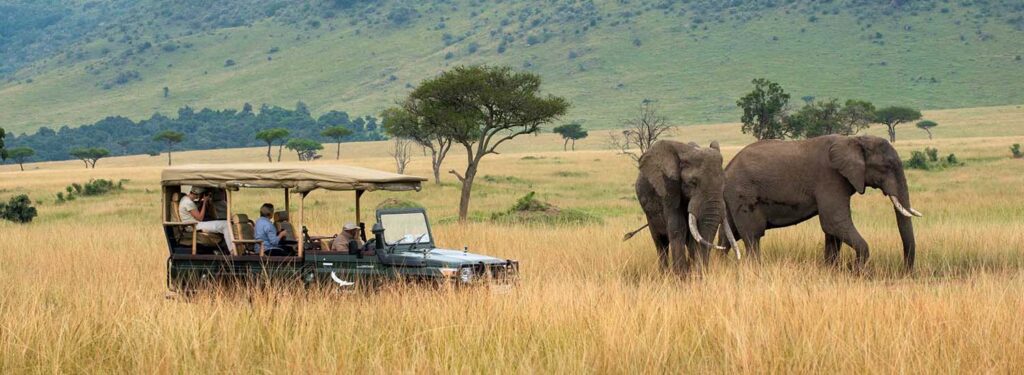
- Masai Mara National Reserve: World-famous for the Big Five and the Great Migration.
- Amboseli National Park: Iconic views of Mt. Kilimanjaro and large elephant herds.
- Lake Nakuru & Naivasha: Flamingoes, rhinos, and beautiful Rift Valley landscapes.
- Samburu or Lewa Conservancy: Lesser-known, culturally rich, and excellent for unique wildlife like Grevy’s zebras and reticulated giraffes.
5. Things to Carry & Prepare Before You Go

- Essential Items: Lightweight clothing in neutral tones, sunblock, hat, insect repellent, binoculars, and a camera with a zoom lens.
- Medical Prep: Yellow fever certificate, basic medicines, malaria prophylaxis (consult your doctor), and basic first-aid.
- Currency: Kenyan Shilling (KES). Most safari lodges accept USD. Carry some cash for tips and small purchases.
- Connectivity: SIM cards (like Safaricom) are widely available.
6. Safety & Travel Tips
- Wildlife Safety: Always listen to your guide. Don’t wander off alone, especially at night.
- Navigation & Road Travel: Most Kenya Safari Packages include airport transfers and guided transport. Avoid self-driving unless you’re familiar with off-road terrain and local rules.
- Cultural Respect: Greet locals with kindness and always ask before photographing people.
7. Choosing the Right Kenya Safari Package
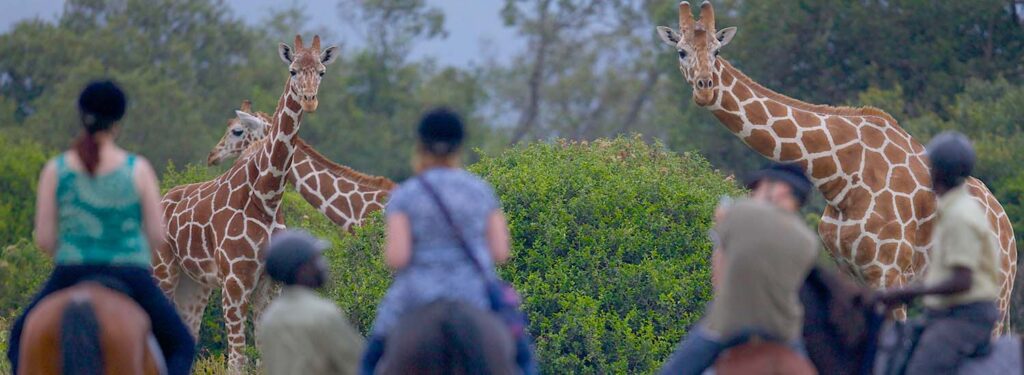
With options ranging from 3-day quick escapes to 10-day cross-country safaris, picking the right itinerary depends on your time, budget, and interests. Look for tour operators or safari planners who offer:
- Transparent pricing with no hidden fees.
- Local, experienced guides.
- Strong reviews from past travelers.
- Customizable options (e.g., fly-in safaris vs. road-based safaris).
Pro Tip: Many UAE-based travelers prefer fly-in safaris to save time and enjoy aerial views over the savannah. Although pricier, they offer more comfort and let you maximize your days in the bush.
Planning a safari from the UAE to Kenya doesn’t have to be complex, especially when you know what to expect and what to look for. From choosing the right safari style to preparing the right documents and packing smart, every decision helps you make the most of your experience. With carefully curated Kenya Safari Packages, your journey from the skyscrapers of the UAE to the wide-open plains of East Africa can be seamless, safe, and truly unforgettable.
Explore Kenya Safari Packages tailored to your travel style and start planning the wildest trip of your life with Scatface Pride!
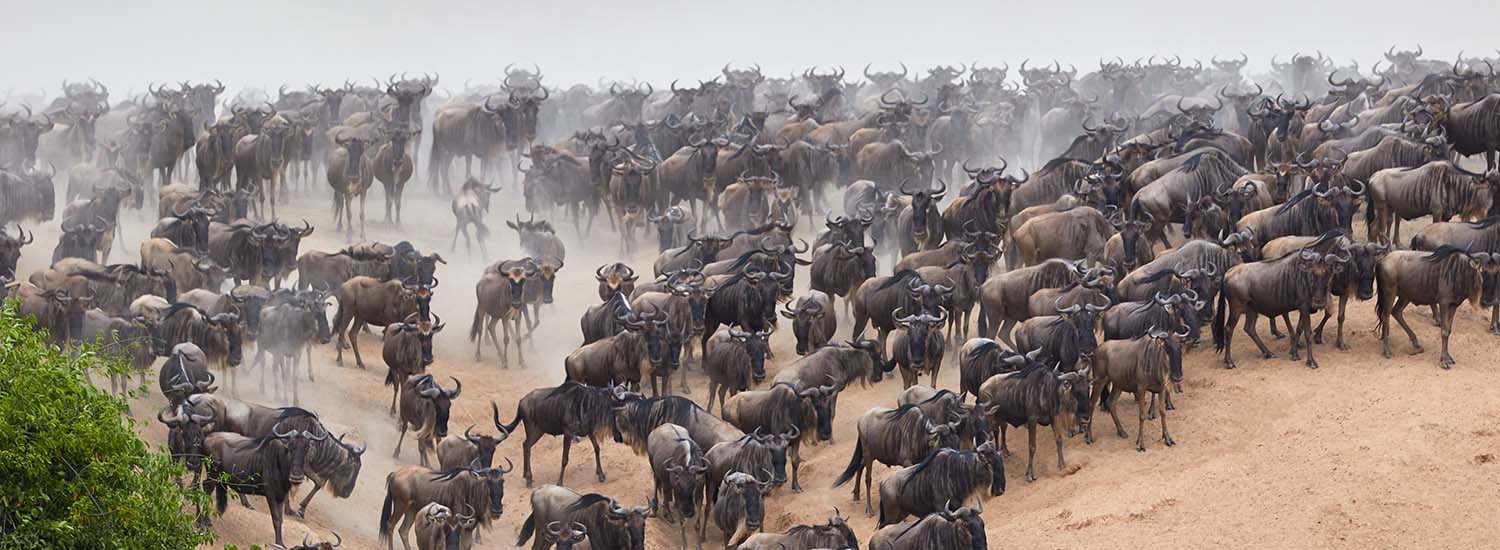
The Great Migration, one of nature’s most awe-inspiring spectacles, is often considered a bucket-list experience for adventurous travelers. But is it suitable for families with young children? The answer is a resounding yes, with the right planning. A Family Safari in Kenya during the Great Migration can be not only safe, but also an unforgettable, educational adventure for your kids.
Let’s break down what parents need to know to confidently plan a child-friendly safari to witness this epic wildlife event.
Why the Great Migration Appeals to Families

The Great Migration is more than just a spectacular wildlife event; it’s a once-in-a-lifetime experience that resonates deeply with families. Watching millions of wildebeest, zebras, and gazelles cross rivers and plains together mirrors the very essence of unity, resilience, and adventure that families value. Beyond the thrill of witnessing nature’s greatest show, it offers children a powerful lesson in survival, adaptation, and the circle of life, while giving parents the joy of bonding over shared wonder. For families, it’s not just a safari, it’s a meaningful journey that creates stories to be passed down for generations.
Is It Safe for Kids?
Yes, when done right. Safety on a Family Safari in Kenya hinges on two core things: the lodge or camp you choose and your safari operator.
Choose a family-friendly camp or lodge: Many lodges in the Mara offer family tents or adjoining suites, child-safe balconies, fencing, and even babysitting services.
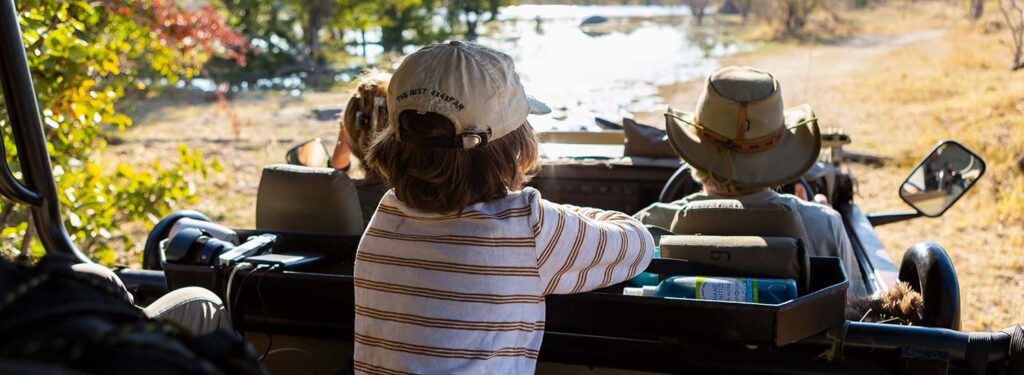
- Work with experienced safari operators: Opt for companies that specialize in Kenya Safari Packages for families. They understand what kids enjoy and where their limits lie. They’ll tailor game drives to be shorter, include snack stops, and even offer children’s activity kits.
- Consider your child’s age: While there’s no official minimum age for a safari, most lodges recommend children be at least 4–6 years old to fully enjoy the experience. Teens and tweens often love the thrill of tracking animals, birdwatching, or learning Swahili phrases from guides.
Comparing Accommodations: Lodges vs. Camps
- Lodges: These offer solid structures, often with pools, Wi-Fi, and more family conveniences. They’re ideal for those traveling with younger kids.
- Luxury Camps: Tented camps bring you closer to nature, but still offer modern comforts like en-suite bathrooms and great meals. Choose those with child-friendly policies and fenced perimeters for extra peace of mind.
Game Drives with Kids: What to Expect
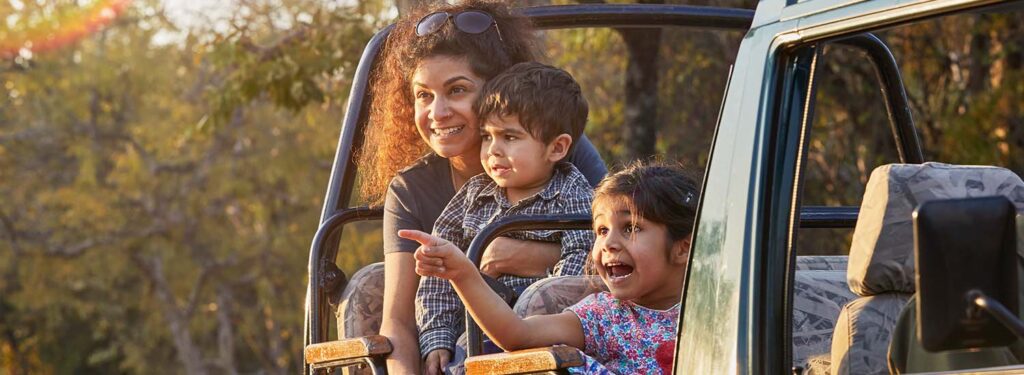
Game drives are the heart of a safari. For children, they’re real-life nature documentaries come alive. But they need to be age-appropriate:
- Drive duration: Instead of the usual 4–5-hour drives, opt for 2-hour morning or afternoon drives.
- Engagement: Ask your guide to involve kids, let them look through binoculars, track paw prints, or learn animal calls.
- Snack & Break Stops: Pack kid-friendly snacks and water. Many lodges offer bush breakfast or sundowner breaks that kids love.
- Safari Bingo / Checklists: Give kids a simple wildlife checklist or bingo card, spotting animals turns into a fun game.
- Photography Fun: Let kids use a camera or phone to click their own safari moments, it keeps them engaged and curious.
- Storytelling by Guides: Encourage guides to share animal myths, local legends, or fun facts in a kid-friendly way.
- Comfort Essentials: Carry hats, sunscreen, and light blankets for comfort, especially on early morning or night drives.
- Snacks and supplies: Bring favorite snacks, water, sunscreen, and a lightweight blanket or jacket for cooler mornings.
Educational Value
This isn’t just a holiday, it’s an open-air classroom. Children learn firsthand about ecosystems, conservation, and African wildlife. Many safari camps even offer junior ranger programs, storytelling sessions, and Maasai cultural activities.
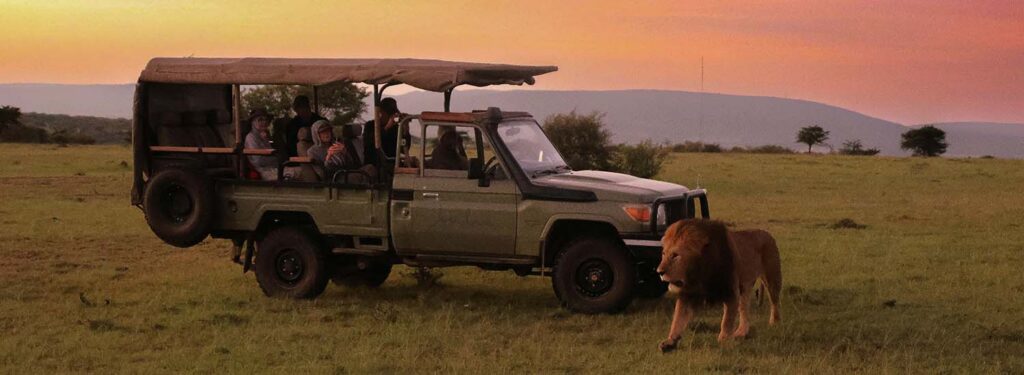
Bonus Tips for Parents
- Vaccinations and meds: Speak to your pediatrician about necessary vaccines and malaria prevention.
- Travel insurance: Ensure your insurance covers family safaris and includes medical evacuation.
- Pack smart: Include noise-canceling headphones, drawing books, snacks, and lightweight neutral clothing. Don’t forget chargers, hats, and camera gear.
- Private vehicle option: Many Kenya Safari Packages allow you to book a private vehicle, perfect for tailoring the pace and comfort level for kids.
Here are a few questions that you might have regarding safari with kids:
1. How do lodges or camps cater to families with kids?
Many safari camps and lodges provide family tents or adjoining rooms, special kids’ menus, and activities like nature walks, storytelling, to keep younger travelers engaged.
2. At what age is best for kids to experience the Great Migration?
Kids aged 4 and above usually enjoy and understand the experience better. However, some lodges accept younger children and provide babysitting or junior ranger programs.
3. Are game drives safe and suitable for kids?
Yes. Game drives with kids are absolutely safe as guides follow strict safety protocols and vehicles are fully secure. Parents are briefed on rules to keep children safe while spotting wildlife. Since long drives can be tiring for little ones, families can opt for shorter, kid-friendly safaris with snack breaks. Many lodges even offer special activities for children, so parents can enjoy longer excursions worry-free.
4. What should I pack for a safari with kids?
For kids, pack light, breathable clothes in neutral colors, sun hats, sunglasses, sunscreen, insect repellent, and comfortable shoes. Also include snacks, a reusable water bottle, books or travel games for drives, and any necessary medications.
5. Will the food be suitable for children?
Most lodges and stays offer kid-friendly meals and can adjust menus for picky eaters or dietary needs. It’s best to inform them in advance.
With the right planning and guidance, a Family Safari in Kenya during the Great Migration is not just safe, it’s transformative. It can spark curiosity, compassion, and courage in your child like few other travel experiences can.
Looking to plan your family’s perfect Masai Mara escape? Choose a safari provider that understands families and offers customized Kenya Safari Packages designed to create lasting memories for both kids and grown-ups.

Planning a safari getaway to East Africa is a dream for many UAE residents. From the Great Migration in the Serengeti to the breathtaking landscapes of the Masai Mara, Kenya and Tanzania offer unforgettable safari experiences. But before setting out, understanding visa and travel requirements is essential to ensure a smooth journey.
Kenya Visa for UAE Residents

UAE citizens require a visa to enter Kenya. Fortunately, the process is simple with the Kenya eVisa system. Applications must be submitted online through the official portal.
Requirements for a Kenya eVisa:
- UAE passport valid for at least 6 months.
- Recent passport-sized photograph.
- Return ticket and proof of accommodation.
Processing time: 3–10 business days. It’s best to apply well in advance.
Apply via the official Kenya eVisa portal.
Tanzania Visa for UAE Residents:

For Tanzania, UAE citizens can obtain a visa in two ways:
- Online (eVisa) – Recommended to avoid airport queues.
- On Arrival – Available at entry points like Dar es Salaam, Kilimanjaro, and Zanzibar airports.
Requirements for a Tanzania Tourist Visa:
- UAE passport valid for at least 6 months.
- Passport photo.
- Return or onward ticket.
Validity: 30 days.
Processing time for eVisa: About 5 business days.
Apply via the official Tanzania Visa portal.
East Africa Tourist Visa (Kenya, Uganda, Rwanda)

If your safari extends to Kenya, Uganda, and Rwanda, the East Africa Tourist Visa is a cost-effective option.
Valid for multiple entries between the three countries.
Tanzania is not part of this arrangement, so a separate visa is needed for Tanzania.
Travel Documentation & Health Tips
- Always carry a printed copy of your visa approval.
- Travel insurance is highly recommended.
- Proof of yellow fever vaccination is required if traveling from or transiting through a risk country.
- Children under 16 traveling to Kenya may be exempt from visa fees but must hold a valid passport.
Special Section: UAE Citizens vs. UAE Residents
Many people confuse the process for UAE citizens and residents. Here’s the difference:
- UAE Citizens (Emirati Passport Holders):
- Must apply for both Kenya and Tanzania visas in advance.
- Eligible for Kenya eVisa and Tanzania eVisa or visa on arrival.
- Must apply for both Kenya and Tanzania visas in advance.
- UAE Residents (Expats living in the UAE):
- Visa requirements depend on your nationality.
- Some passports allow visa-free or visa-on-arrival access, while others require eVisas.
- Always check with the official consular websites before applying.
- Visa requirements depend on your nationality.
Here are some FAQs that can give you more clarity:
Q1: Do UAE passport holder need a visa to visit Kenya?
Yes, UAE citizens must apply for an eVisa before traveling to Kenya.
Q2: Can UAE passport holder get a Tanzania visa on arrival?
Yes, UAE citizens can obtain a visa on arrival, but applying online in advance is recommended.
Q3: Is there a combined visa for Kenya and Tanzania?
No, Tanzania is not included in the East Africa Tourist Visa. Separate visas are required.
Q4: How long can UAE citizens stay in Kenya with a tourist visa?
The Kenya tourist visa is valid for up to 90 days.
Q5: Do UK and USA passport holders need visas for Kenya and Tanzania?
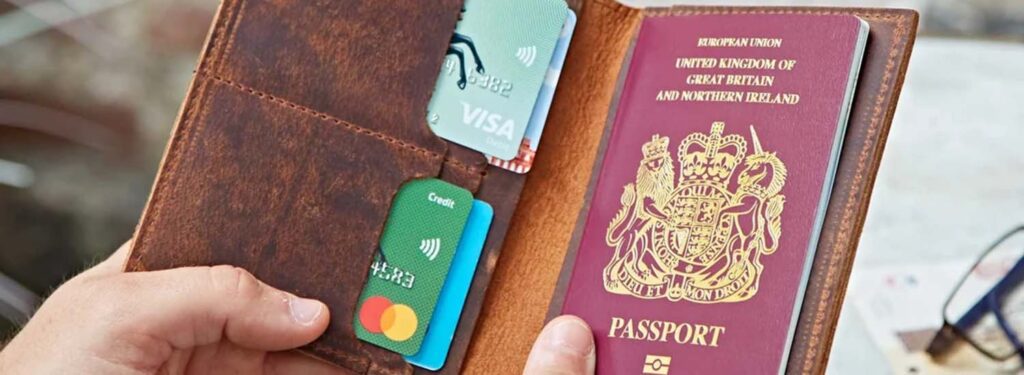
- Kenya: Yes, both need to apply for an eVisa in advance.
- Tanzania: Both can get an eVisa or visa on arrival.
Q6: What about Indian passport holders in the UAE?
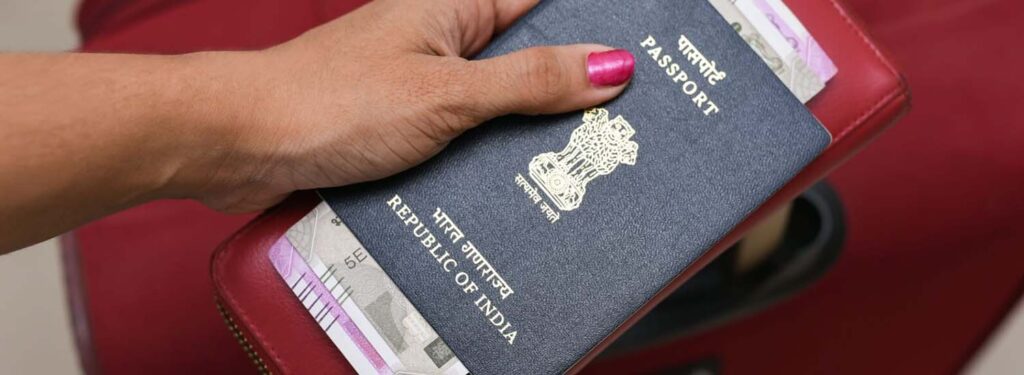
- Kenya: eVisa required.
- Tanzania: eVisa or visa on arrival available.
Q7: Are there special requirements for Pakistani passport holders?

- Kenya: Must apply for an eVisa before traveling.
- Tanzania: eVisa required. Visa on arrival is not guaranteed.
Q8: Do Filipino passport holders need visas for Kenya and Tanzania?
- Kenya: eVisa required.
- Tanzania: eVisa or visa on arrival available.
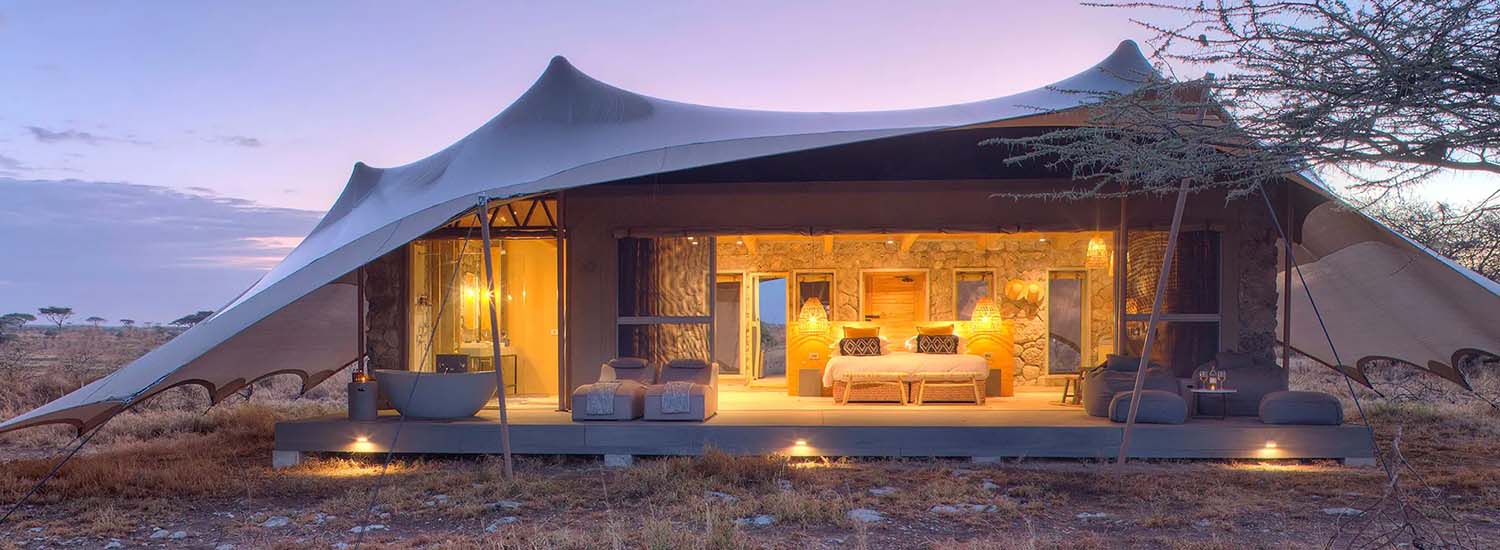
If you’re dreaming of a safari that combines untamed wilderness with unmatched luxury, the Serengeti should be at the top of your list. Famed for its sweeping plains, the Great Migration, and the Big Five, this UNESCO World Heritage Site also offers some of the best Serengeti lodges, where world-class comfort meets the raw beauty of Africa. Whether you’re flying in from the US, UAE, India or elsewhere in the world, these premium stays redefine safari living.
1. Singita Sasakwa Lodge
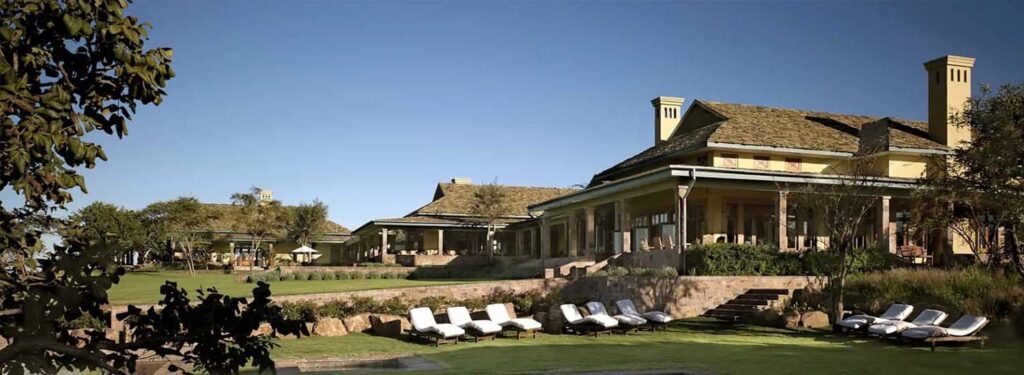
Set on a hilltop with sweeping views, Sasakwa blends Edwardian elegance with modern luxury. Think infinity pools, private butlers, and horse-riding safaris.
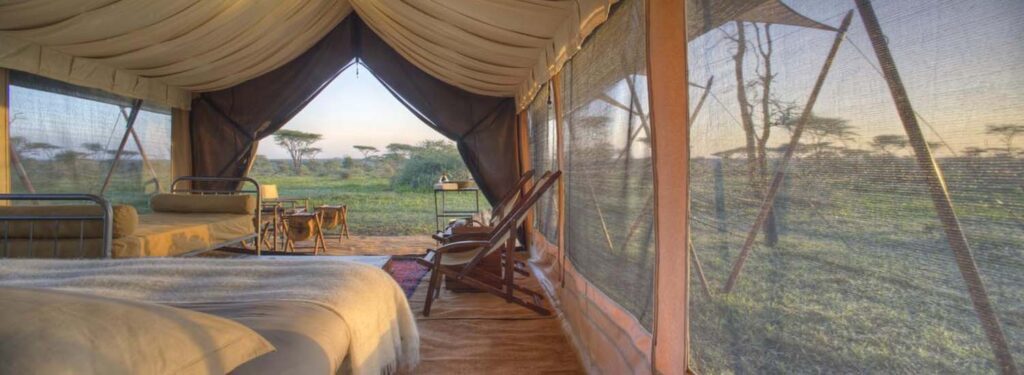
2. &Beyond Serengeti Under Canvas
For travelers seeking romance, this mobile camp moves with the Great Migration. Canvas tents with chandeliers and silver service dining bring barefoot luxury to life.
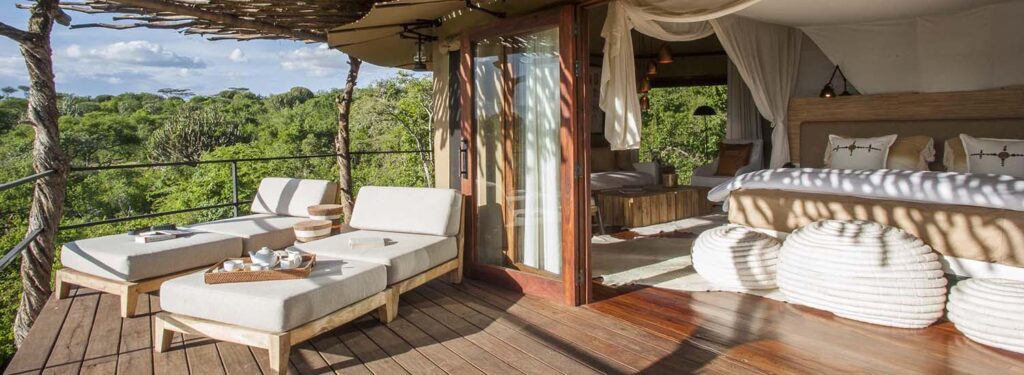
3. Mwiba Lodge
A hidden gem near the southern Serengeti, Mwiba offers designer suites with private decks overlooking wildlife-rich terrain. Its spa and wine cellar elevate the experience.
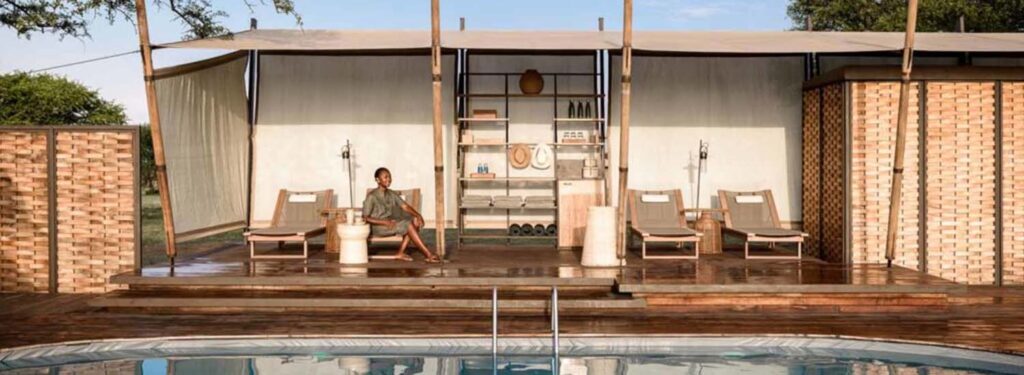
4. Singita Sabora Tented Camp
A contemporary tented retreat with sleek interiors, wellness-focused amenities, and panoramic savannah views, perfect for discerning travelers.
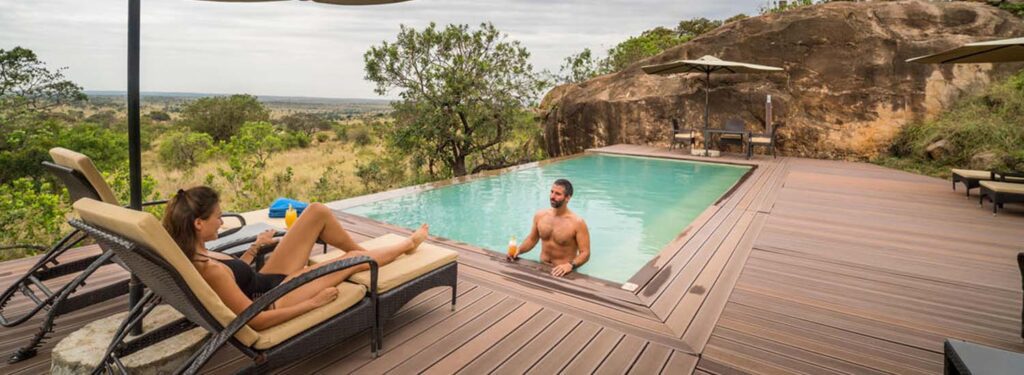
5. Lemala Kuria Hills Lodge
Located in the prime Mara River region, this lodge features glass-fronted suites with plunge pools. Ideal for migration season sightings.
6. Namiri Plains by Asilia
Famed for its big cat populations, Namiri offers a chic yet authentic safari experience with spacious tents and extraordinary game drives.
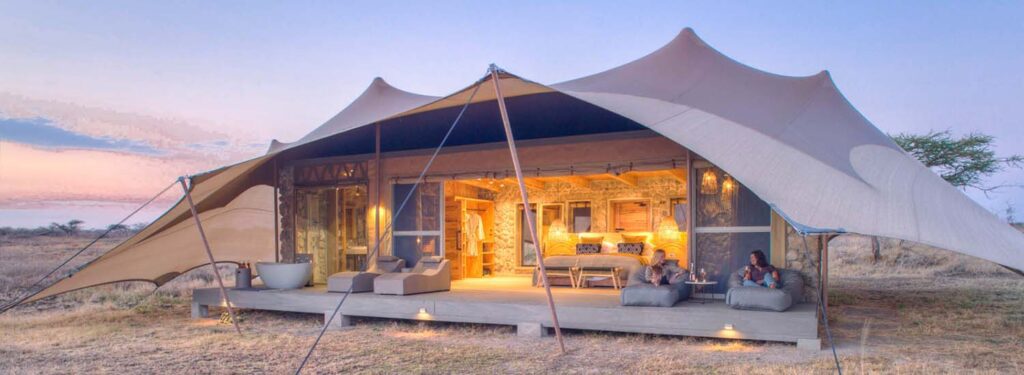
7. Tarangire Treetops (Elewana Collection) – Tarangire
Set among ancient baobabs, this lodge features elevated treehouse suites, each with open decks overlooking Tarangire’s elephant-filled plains.
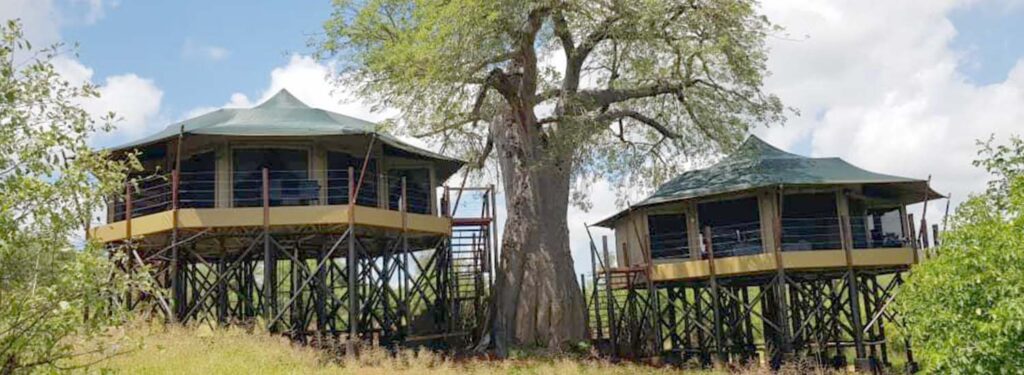
8. Mbali Mbali Soroi Serengeti Lodge
Mbali Mbali Soroi Serengeti Lodge, perched on a plateau in the Western Corridor, offers sweeping views of the plains and Grumeti River. Its elevated chalets combine modern luxury with eco-friendly design for stunning sunsets and game viewing from your deck.
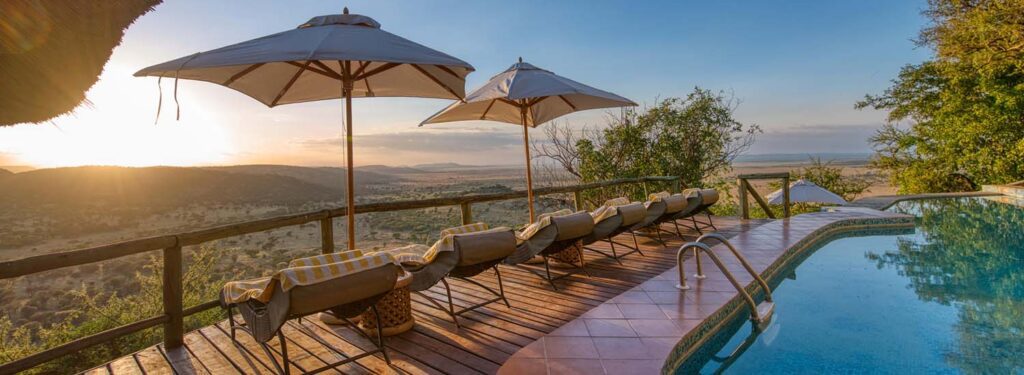
9. Serengeti Bushtops Camp
Blending modern sophistication with safari adventure, Bushtops offers hot tubs on private decks and award-winning dining under the stars.
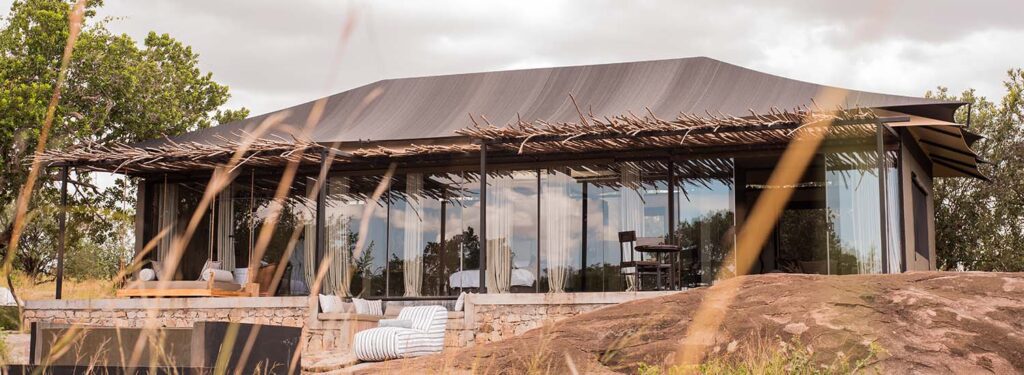
10. Nimali Mara Camp
Stylish canvas pavilions, private lounges, and cliffside views over the Northern Serengeti make this a truly intimate luxury escape.
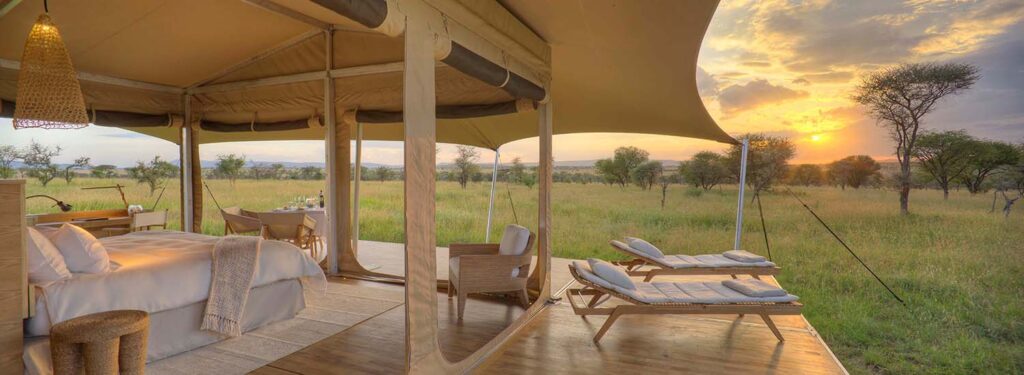
Staying at the best Serengeti lodges isn’t just about comfort; it’s about creating lifelong memories. From sunrise game drives to sundowners on the savannah, these lodges ensure that every moment is curated to perfection. With limited rooms and exclusive access, early bookings are highly recommended, especially during the migration season.
Your unforgettable Serengeti safari begins with one decision: choosing where to stay. Which lodge will become your African dream escape?
Contact Scarface Pride to book your next adventure to Tanzania and come back with a bucket full of lifetime memories!
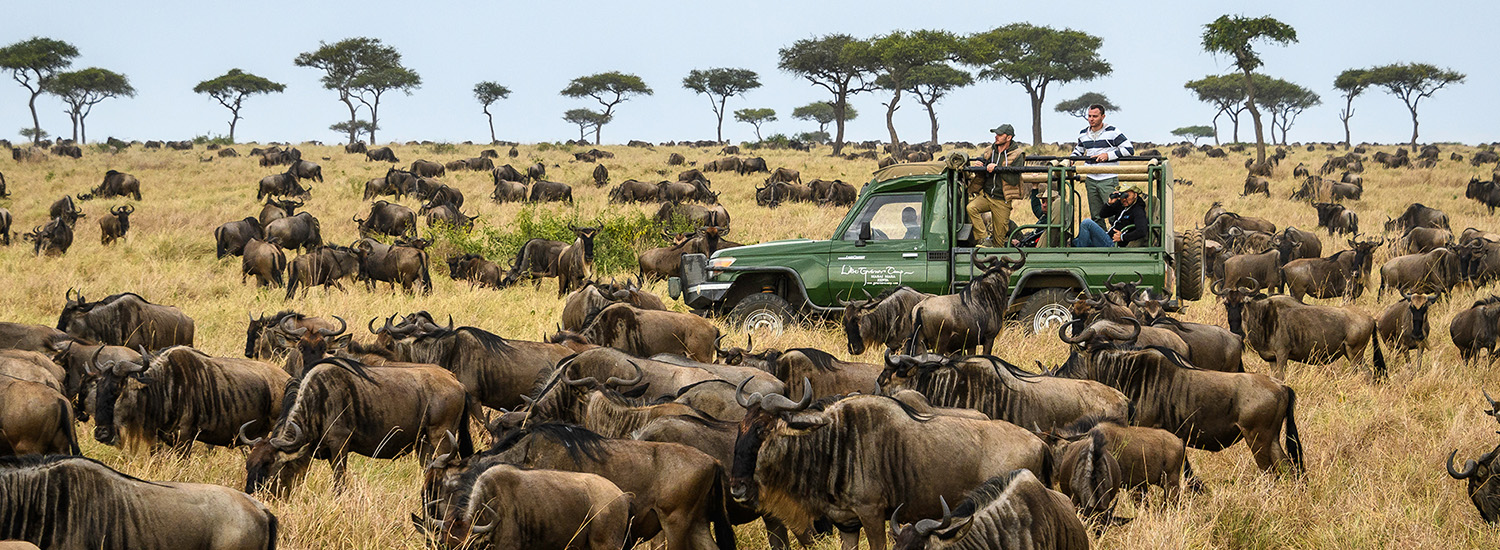
For travelers in the UAE craving a unique mix of raw wilderness and world-class comfort, Kenya offers a spectacular escape. With thoughtfully crafted luxury Kenya safari packages, you can immerse yourself in the drama of the wild without compromising on indulgence. From the thunderous spectacle of the Great Migration to the thrill of tracking the Big Five, every moment is curated for luxury and authenticity. We have a few luxurious safari packages that you can consider while booking for your next adventure!
1. 5N/6D- Kenya Big 5 Migration Safari
Day 1: Nairobi to Amboseli – Into the Heart of Elephant Country

Welcome to Kenya! Upon arrival at Jomo Kenyatta International Airport (Nairobi). Begin your scenic drive to Amboseli National Park, nestled at the base of Mount Kilimanjaro.
Famed for its iconic postcard views and free-roaming elephants, Amboseli offers a stunning mix of savannah, wetlands, and acacia woodland. As you enter the park, keep your eyes peeled for wildlife, zebras, giraffes, lions, and of course, the legendary elephant herds that roam these plains.
Spend the next two nights at Amboseli Serena Safari Lodge, a serene retreat where you can enjoy uninterrupted views of Kilimanjaro right from the lobby. Settle in, breathe in the wild, and let the adventure begin.
Day 2: Explore Amboseli’s Wildlife & Serenity
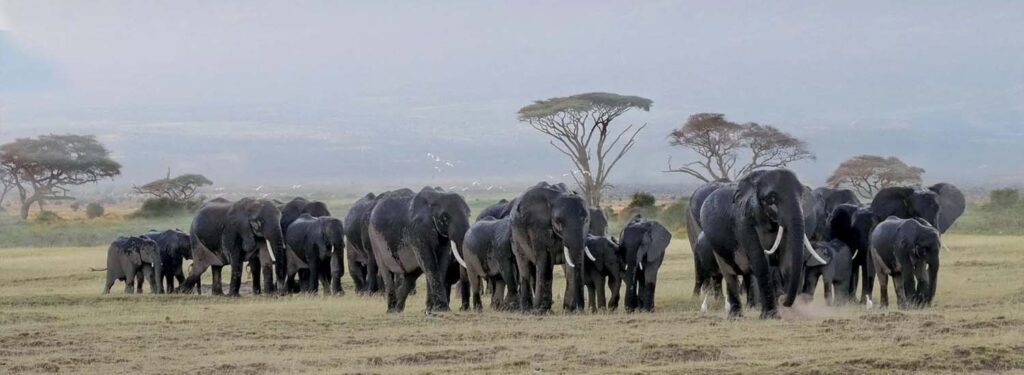
Your adventure begins in Amboseli, a compact yet captivating park known for its iconic views of Mount Kilimanjaro and large elephant herds. Enjoy game drives in search of elusive predators like lions and leopards, then return to camp for some downtime. The park also offers birdwatching, guided nature walks, and a chance to connect with Maasai culture. Its intimate layout makes it ideal for experiencing rich wildlife without long drives, relax, explore, repeat.
Day 3: Tranquility at Lake Elementaita
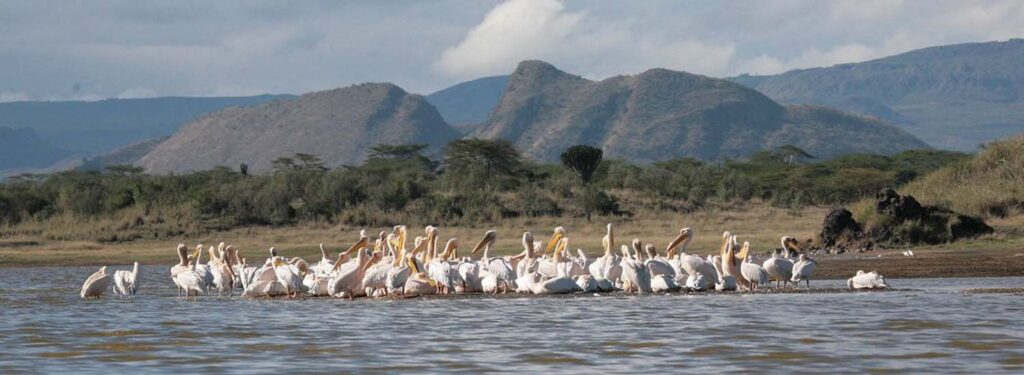
From the dusty savannahs of Amboseli, journey to the serene shores of Lake Elementaita in the Great Rift Valley. Your stay at Serena Camp promises peaceful views, warm hospitality, and a comfortable tented retreat. Enjoy lakeside walks, spot flamingos and antelope, or simply relax before the next chapter of your safari. The sunset over the lake creates a picture-perfect moment, ideal for slowing down and soaking in the scenery.
Day 4: Into the Wild—Welcome to Masai Mara
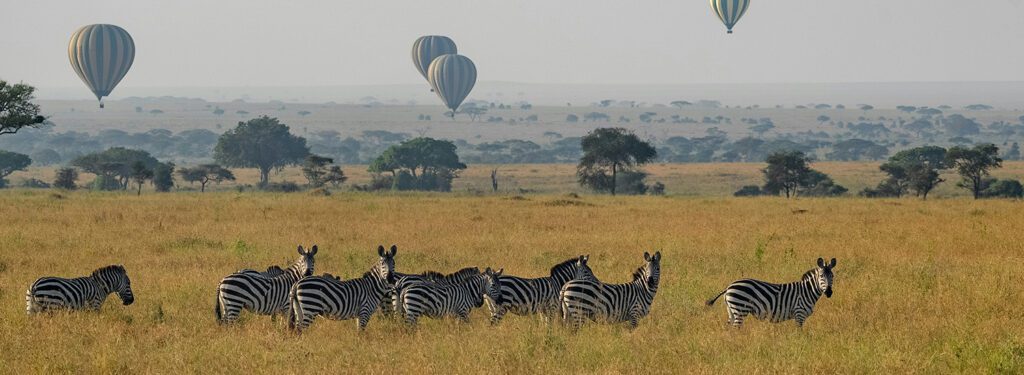
After breakfast, set off for the world-renowned Masai Mara. Your scenic drive includes en-route game viewing, building anticipation for what’s to come. Check in at the Mara Serena Lodge, perched with panoramic views over the vast plains and dive straight into afternoon game drives. From majestic lions to cheetahs and wildebeests, the Mara welcomes you with drama and thrill.
Day 5: Full-Day Safari in the Mara
Rise with the sun for a day packed with discovery. Masai Mara’s golden light offers perfect photography moments as you chase sightings of the Big Five and witness raw wilderness unfold before your eyes. Choose a picnic breakfast out in the bush to truly immerse in the safari spirit. Each hour brings new surprises, giraffes grazing, elephants crossing, or a pride of lions lazing in the grasslands.
Day 6: Farewell, Africa
After a relaxed breakfast and a final short game drive, it’s time to head back to Nairobi, a scenic 3 to 4-hour drive. As you leave the park behind, soak in the last sights and sounds of the savannah. Your guide will escort you to Jomo Kenyatta International Airport for your onward journey. Say your goodbyes, click one last photo, and carry home stories, memories, and the spirit of Africa that will stay with you forever.
Why UAE Travelers Love This Safari
- Curated stays in premium eco-lodges and camps
- Private game drives,bush dinners, and cultural add-ons
- Enjoying Mara’s landscapes along with Amboseli and Lake Elementaita’s beauty
2. The Ultimate 3N/4D Luxe Fly-In Safari to Masai Mara
Day 1: Arrival & Sunset Drives
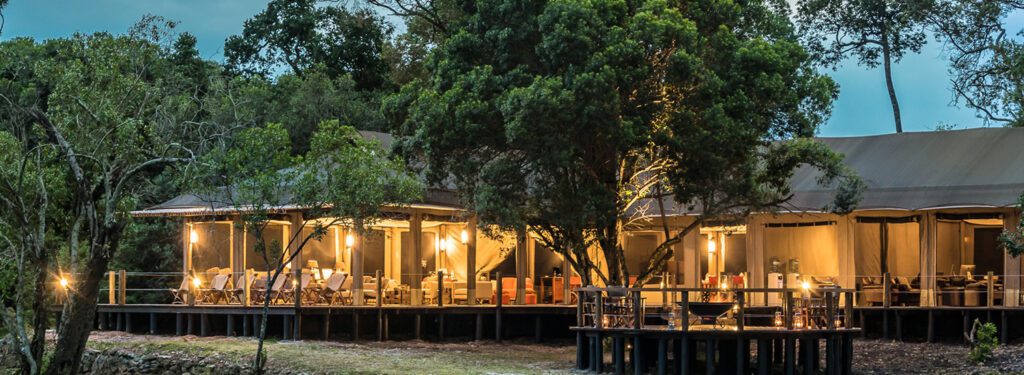
Upon arrival, enjoy a relaxed lunch at the luxurious Entim Mara Camp before your first private game drive. With no fixed schedule and exclusive vehicle access, you set the pace. As the sun dips below the Mara horizon, your day closes with golden landscapes and an optional sundowner in the wild, bubbly in hand.
Day 2: Full-Day Safari & Scenic Surprises
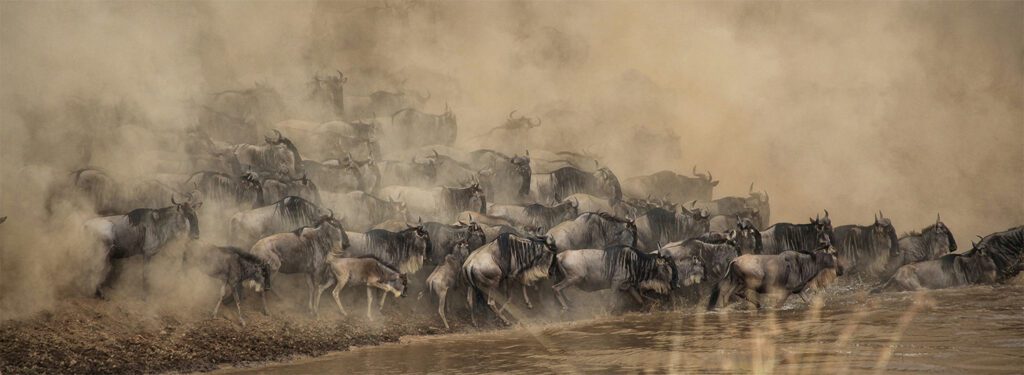
Catch big-maned lions hunting at dawn, and enjoy a lazy breakfast followed by a mid-morning drive. Depending on the season, follow the path of the Great Migration from Sand River to the Mara Triangle. Expect herds of wildebeest, eland, and zebra chased by predators across dramatic terrain.
End your day with a romantic bush dinner or relax by the riverbanks spotting hippos and crocs.
Day 3: Balloon Safari & Cultural Touchpoints
Elevate your experience with an optional hot-air balloon safari at sunrise. Float over the Mara as wildlife stirs below, followed by a champagne breakfast in the bush.
Later, explore more game-rich areas or visit a nearby Maasai village, where you can engage with locals, learn cultural traditions, and purchase handwoven crafts.
Day 4: Final Safari Moments & Farewell
Savor your final hours with a short morning game drive before heading back to Nairobi. If time permits, stop at the Giraffe Centre for a heartwarming interaction with the giraffes before catching your flight home.
Why Choose a Fly-In Safari?
- Time-efficient & seamless travel
- Exclusive luxurious lodges with migration-front views
- Flexible, private safari scheduling
- Immersive cultural & wildlife experiences
3. 4N/5D- Kenya Classic Migration Safari
Day 1: Arrival in Nairobi – Transfer to the Great Rift Valley
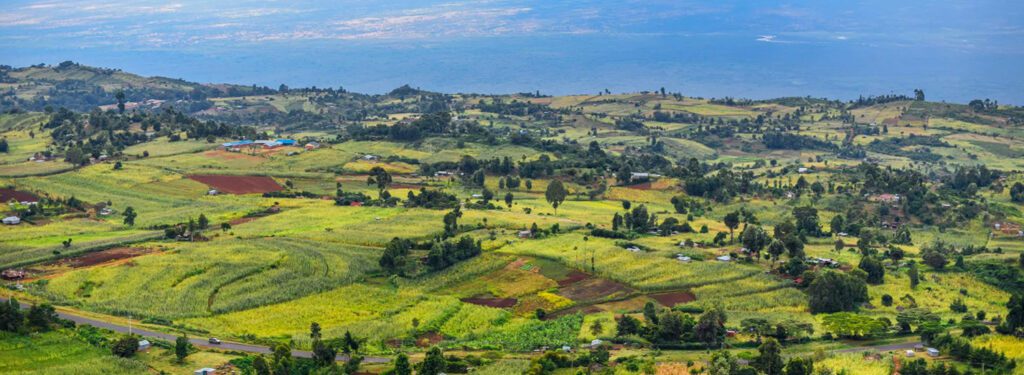
Touch down in Nairobi, from there, set off on a scenic 2.5-hour drive to the breathtaking Great Rift Valley, surrounded by the serene lakes of Naivasha, Elementaita, and Nakuru. Check in at Lake Naivasha Sopa Resort and unwind in nature’s quiet charm over a restful evening and a hearty meal.
Day 2: Journey to the Iconic Maasai Mara
After breakfast, begin your journey to the world-renowned Maasai Mara, a 3.5-hour drive through Kenya’s ever-changing landscapes. Enjoy a thrilling en-route game drive before checking in at Mara Sopa Lodge. After a delicious lunch and short rest, step out for your first official game drive in the savannah. Return to camp for dinner and a peaceful night under the African sky.
Day 3 & 4: Safari Adventures in the Maasai Mara
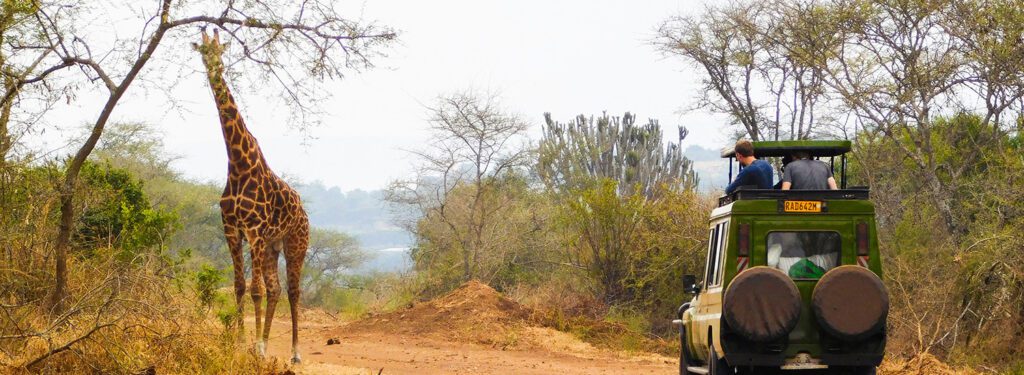
Immerse yourself in two full days of wildlife exploration in the heart of the Maasai Mara. With your private vehicle and expert guide, chase sunrise sightings, follow predator tracks, and encounter the Big Five, lion, leopard, elephant, rhino, and buffalo. Optional sightings may include cheetahs, giraffes, zebras, and hippos. Every game drive is tailored to your preferences, ensuring unforgettable moments with nature.
Day 5: Return to Nairobi & Departure
After breakfast, enjoy a short farewell game drive as you exit the magical plains of the Mara. Drive back to Nairobi (approx. 4–5 hours), soaking in the last glimpses of Kenya’s wild beauty. Your driver will drop you at JKIA Airport for your onward journey, taking back memories of landscapes, wildlife, and warm Kenyan hospitality.
Why Choose This Safari?
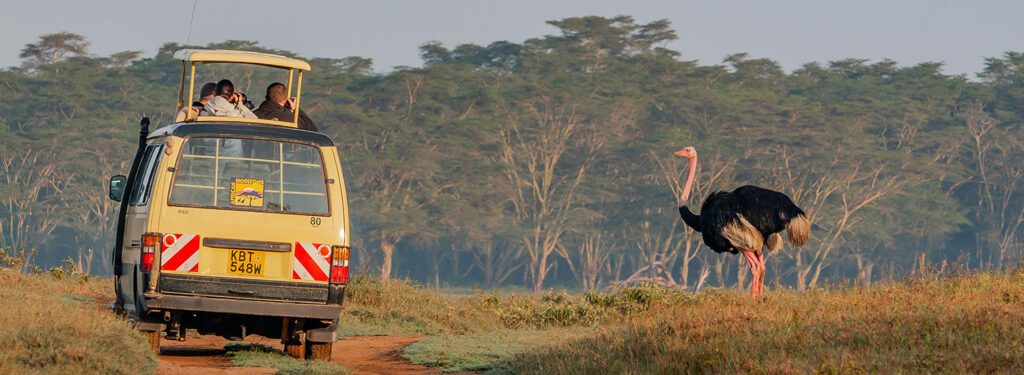
Curated for Comfort – Experience the perfect blend of luxury and adventure with top-rated lodges, full-board meals, and private transfers.
Private, Personalized Game Drives – Your own vehicle and guide mean every sighting is tailored to your pace and interest.
Diverse Landscapes in One Trip – From lake-filled valleys to the predator-rich plains of the Mara, explore Kenya’s most iconic regions in just 5 days.
Book your luxe safari with Scarface Pride, where luxury meets legacy in the wild! Experience the best of the wild and return with some amazing unforgettable memories for life!
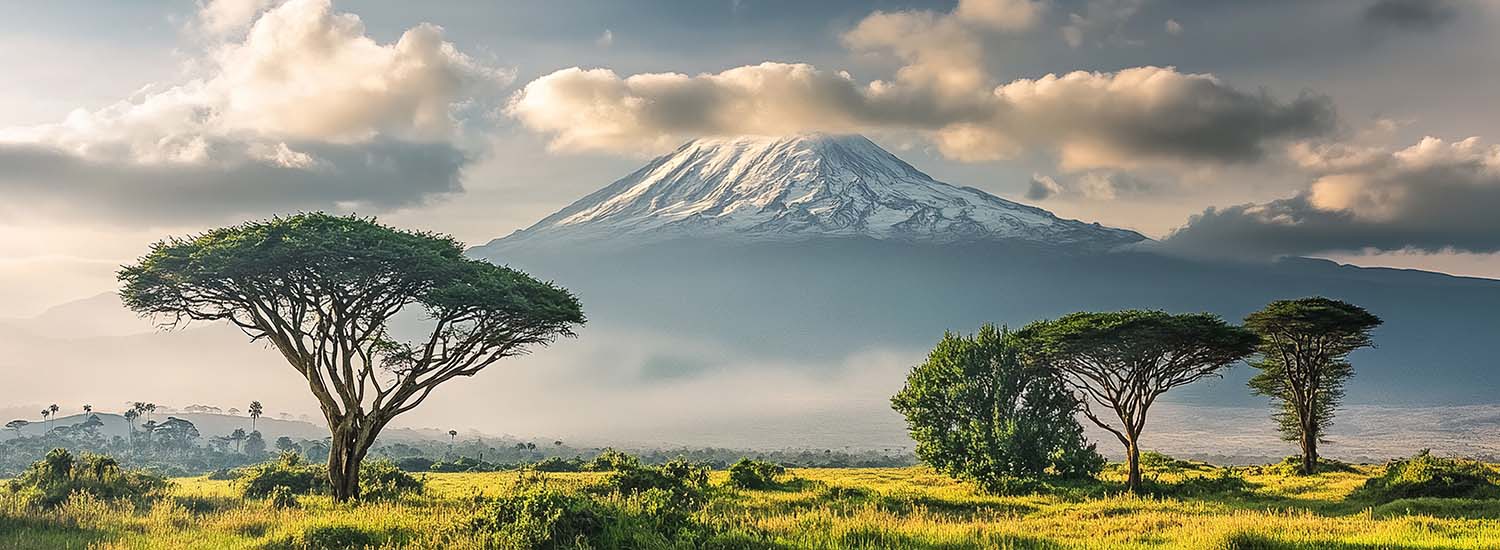
Start With The Summit: Climbing Mount Kilimanjaro
Kilimanjaro is often called a trekking mountain because it does not require technical climbing skills for the standard routes. You do not need ropes, ice axes, or previous mountaineering experience for most popular routes. However, it is still a serious high altitude trek and should be respected.
The challenge is not technical difficulty. It is altitude, endurance, weather, pacing, and acclimatization.
For travellers from the US, the climb usually begins with an arrival into Kilimanjaro International Airport, followed by a night in Arusha or Moshi before the trek begins. A pre-climb rest day is highly recommended, especially after long flights.
The Iconic Peak
Mount Kilimanjaro is the highest freestanding mountain in the world and a bucket list favourite for adventure travellers. Reaching the summit is emotional because the climb passes through changing ecosystems, from forest and moorland to alpine desert and arctic-like summit zones.
No Technical Skills Needed
While challenging, Kilimanjaro is a trekking mountain. Most travellers with good fitness, strong preparation, and the right route can attempt it. The biggest concern is altitude, so choosing a route with better acclimatization time is important.
Best Kilimanjaro Routes For US Travellers
Machame Route
The Machame Route is one of the most popular and scenic routes. It is often done in 7 days, giving better acclimatization than shorter routes. The route is beautiful, varied, and rewarding, with strong scenery throughout.
Best for: fit travellers who want scenery and a classic Kilimanjaro experience
Suggested duration: 7 days
Style: camping route
Lemosho Route
The Lemosho Route is less crowded in the early stages and offers excellent scenery. It is often done in 8 days, making it one of the better options for acclimatization.
Best for: travellers who want better acclimatization and a quieter start
Suggested duration: 8 days
Style: premium trekking route
Marangu Route
The Marangu Route is commonly called the Coca Cola Route and is known for hut stays. It is often done in 6 days, although longer pacing can improve comfort.
Best for: travellers who prefer hut accommodation
Suggested duration: 6 days or longer
Style: hut based route
Recommended Kilimanjaro Base Stays
A good base stay helps you rest before the climb and recover afterward. The existing recommendations remain useful and can be shaped into a luxury or comfort focused itinerary.
Kaliwa Lodge
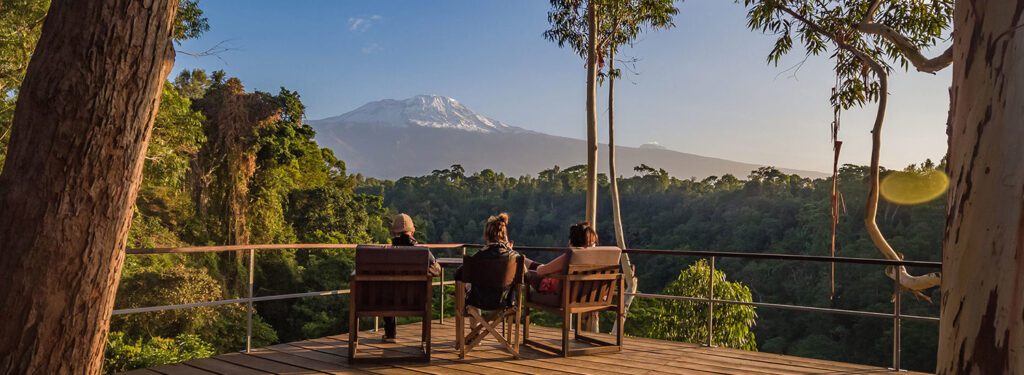
Kaliwa Lodge is nestled in a forest with views of Kilimanjaro and works well for pre climb rest. It offers a peaceful environment before the trekking days begin.
Aishi Machame Hotel
Aishi Machame Hotel is a quiet lodge surrounded by nature, making it a good option for acclimatizing and mentally preparing for the climb.
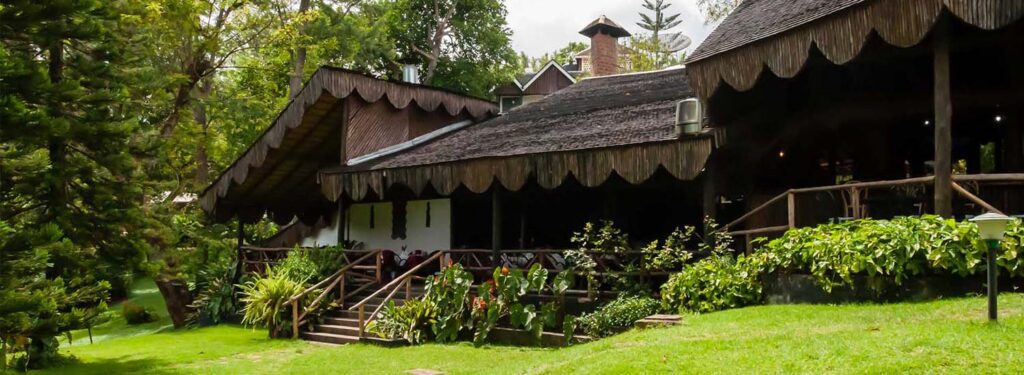
Chanya Lodge, Moshi
Chanya Lodge is comfortable, clean, and popular among climbers for both pre hike and post hike stays. It works especially well for practical itineraries with Moshi based logistics.
Why Safari Should Come After Kilimanjaro
For most travellers, safari after the climb is better than safari before the climb. The reason is simple. Kilimanjaro demands energy, discipline, and focus. Once the climb is complete, the safari becomes a reward.
After days of trekking, early starts, altitude changes, and summit effort, moving into a luxury safari rhythm feels deeply satisfying. You can sit back in a game vehicle, watch elephants, lions, cheetahs, giraffes, zebras, buffalo, and wildebeest, and let the wild unfold without needing to walk another steep trail.
This is where tanzania safari packages become valuable. The safari should not feel rushed after the climb. It should be paced to allow recovery, comfort, and high quality wildlife viewing.
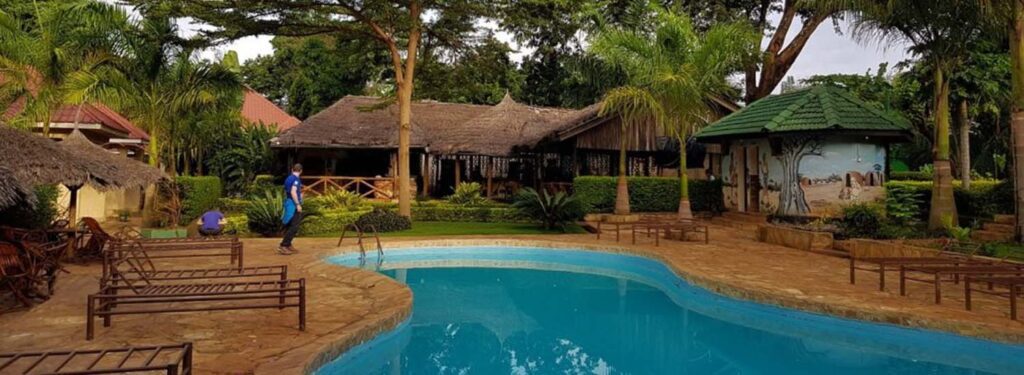
Peak To Plains: Serengeti, Ngorongoro and Tarangire
After summiting, head toward Serengeti National Park or Ngorongoro Crater for your wildlife chapter.
Serengeti National Park
Serengeti National Park is the classic dreamscape of Tanzania. It is known for endless plains, lions, cheetahs, leopards, elephants, hyenas, giraffes, zebras, and the Great Migration. A serengeti safari is ideal after Kilimanjaro because it gives scale, movement, and deep wilderness.
A luxury serengeti safari can include elegant tented camps, fly in transfers, sunrise drives, and private guiding. For travellers coming from the US, the Serengeti is often the safari highlight of the entire journey.
Ngorongoro Crater
Ngorongoro Crater offers one of the most concentrated wildlife experiences in East Africa. Its dramatic crater floor is home to lions, elephants, buffalo, hippos, flamingos, hyenas, and the possibility of rhino sightings.
Pairing Serengeti with Ngorongoro Crater gives your itinerary both scale and density. The Serengeti shows the vastness of the wild. Ngorongoro shows the intensity of life within a natural amphitheatre.
Tarangire National Park
Tarangire is known for ancient baobab trees, large elephant herds, birdlife, and dry season wildlife concentrations. It is often included before or after Ngorongoro, especially in northern Tanzania safari tours.
For travellers who want variety, Tarangire adds texture before the Serengeti chapter.
See The Big Five and More
The Big Five remain a major reason travellers choose a Tanzania safari. Lions, leopards, elephants, rhinos, and buffalo all feature in the northern circuit, though sightings depend on region, timing, and luck.
Beyond the Big Five, Tanzania offers zebras, giraffes, wildebeest, cheetahs, hippos, crocodiles, hyenas, gazelles, warthogs, jackals, flamingos, eagles, and countless other species.
The best safari is not only about ticking a list. It is about watching behaviour: lions resting after a hunt, elephants guiding calves, cheetahs scanning the plains, wildebeest moving across the Serengeti, and vultures circling after predator action.
Best Season For Kilimanjaro And Tanzania Safari
The best time to visit Tanzania for a combined Kilimanjaro climb and safari is generally from July to October, when dry weather creates ideal trekking conditions and wildlife viewing is at its peak. January to March is another excellent travel window, especially for those who want to witness the Serengeti’s calving season alongside a successful Kilimanjaro climb. The ideal timing ultimately depends on whether your priority is the mountain, the safari, or extending your journey to Zanzibar.
July to October (Best Overall Time)
This is widely considered the best season for combining Kilimanjaro and a Tanzania safari. Dry weather makes trekking conditions more comfortable, while wildlife gathers around water sources, creating exceptional game-viewing opportunities across the country. During this period, the Great Migration may be active in the northern Serengeti, adding another unforgettable highlight to the journey.
As this is peak travel season, luxury lodges, safari camps, and Kilimanjaro climbing permits and guides should be booked well in advance.
January to March (Best for Calving Season)
This period is another excellent time to combine Kilimanjaro with a safari. Weather on the mountain is often favourable, while the southern Serengeti and Ndutu plains come alive with the Great Migration’s calving season. Travellers can witness thousands of newborn wildebeest, increased predator activity, and lush green landscapes, making it one of the most rewarding wildlife experiences in Tanzania.
November to December
The short rainy season transforms Tanzania into a vibrant green landscape with fewer visitors. Although occasional showers are expected, both Kilimanjaro trekking and safari remain enjoyable for travellers who have flexible itineraries and do not mind changing weather conditions.
April to May
These months mark Tanzania’s long rainy season. Heavy rainfall can make some safari roads difficult to navigate, and certain seasonal camps may close. While this period attracts fewer visitors and offers beautiful scenery, it is generally less suitable for travellers planning a combined Kilimanjaro climb and safari.
For most US travellers planning a luxury Kilimanjaro and Tanzania safari itinerary, July to October offers the best overall balance of weather, wildlife viewing, and climbing conditions, while January to March is the ideal choice for those wanting to experience the spectacular Serengeti calving season.
Recommended Safari Camps & Lodges
The existing lodge recommendations are strong and suitable for a premium Tanzania route.
Lemala Ngorongoro Camp
Luxury tents set in a forest near the crater rim, ideal for early morning access into Ngorongoro Crater. This is especially useful because early descent can improve the rhythm of the day.
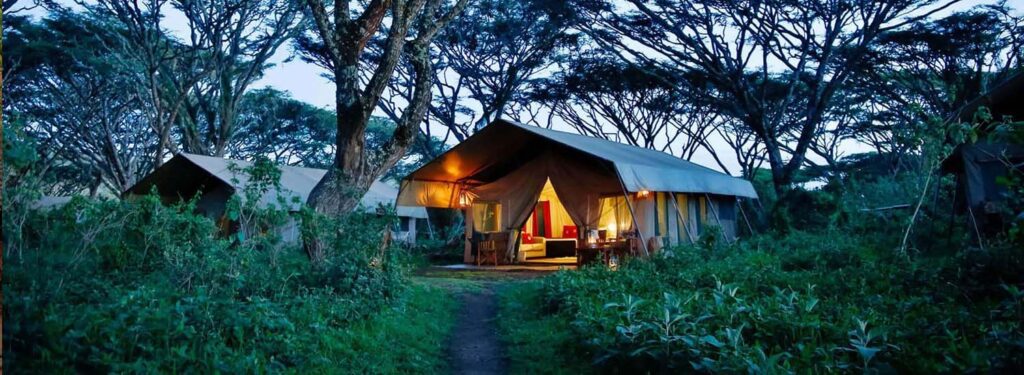
Kubu Kubu Tented Lodge, Serengeti
Kubu Kubu offers elevated views, stylish rooms, and a pool overlooking the plains. It works well for travellers who want comfort, scenery, and strong Central Serengeti access.
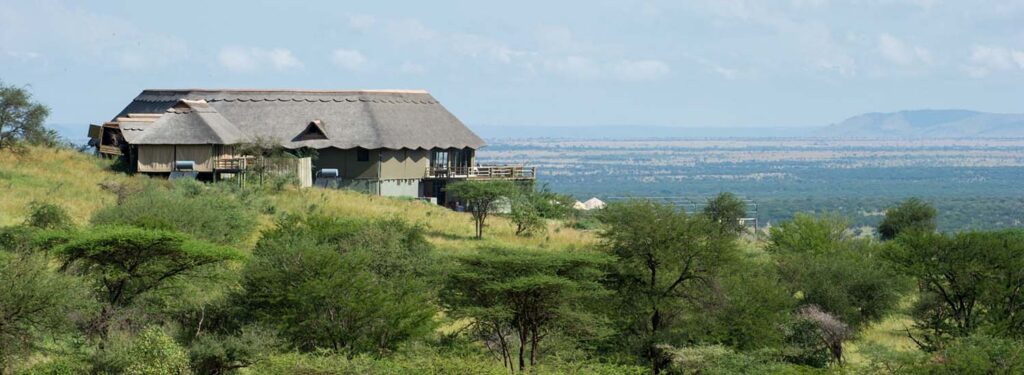
Serengeti Pioneer Camp (Elewana Collection)
Part of the Elewana Collection, Serengeti Pioneer Camp offers old world safari charm and strong wildlife access. It suits travellers who want a classic safari atmosphere with refined service.
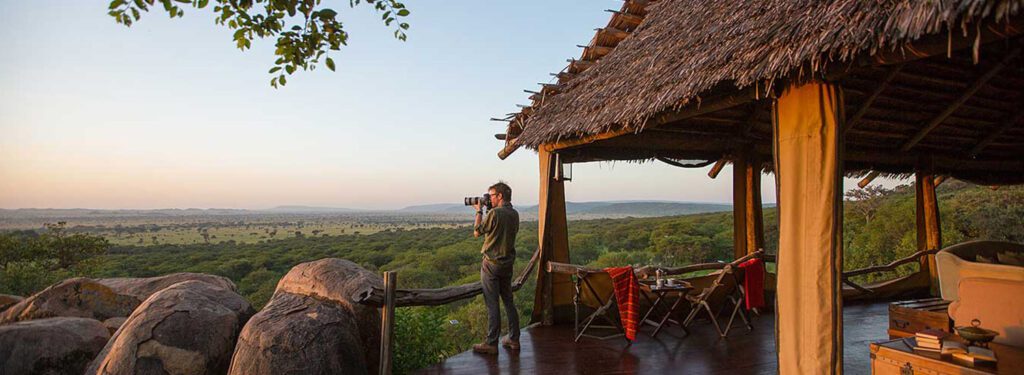
Ole Serai Luxury Camp
Located in Central Serengeti, Ole Serai Luxury Camp offers strong service and game viewing close to camp. It works well for a luxury tanzania safari package with classic Serengeti access.
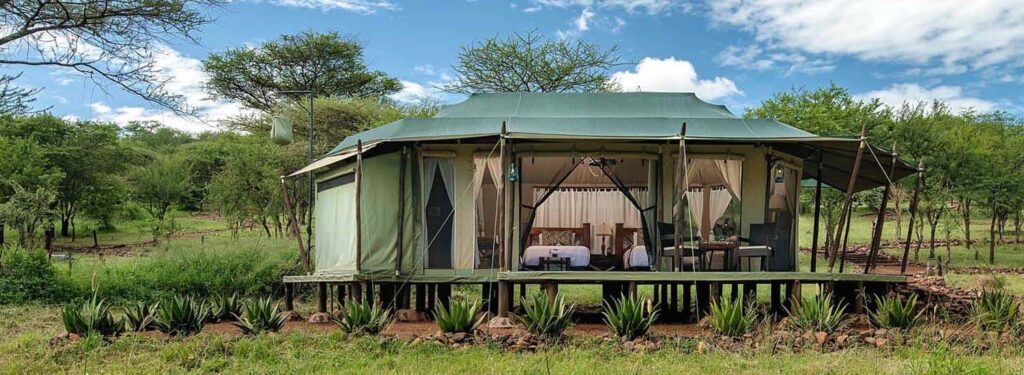
Suggested 14 Day Kilimanjaro, Safari And Zanzibar Itinerary
A full journey from the US should not be rushed. A 12 to 14 day route gives enough time to climb, recover, enjoy safari, and end by the coast.
Day 1: Fly From The US To Tanzania
Depart from a major US gateway and connect through Amsterdam, Doha, Istanbul, Addis Ababa, or another international hub depending on airline routing.
Day 2: Arrive At Kilimanjaro International Airport
Arrive at JRO, meet your local representative, and transfer to Moshi or Arusha. Rest, hydrate, and prepare for the climb.
Day 3 To 9: Climb Kilimanjaro
Choose Machame, Lemosho, or Marangu depending on fitness, comfort, and acclimatization preference. Lemosho over 8 days or Machame over 7 days is often better for travellers who want more gradual altitude adjustment.
Day 10: Recover In Arusha Or Moshi
After the climb, enjoy a rest night. This helps your body recover before safari travel.
Day 11: Ngorongoro Crater
Travel to Ngorongoro and prepare for a crater game drive. Depending on timing, you may overnight near Karatu or at a crater rim camp.
Day 12 To 13: Serengeti National Park
Fly or drive into Serengeti National Park for game drives, big cats, plains wildlife, and classic safari landscapes. Choose the region based on season.
Day 14: Fly To Zanzibar Or Return Home
If time is short, return to Arusha for your international connection. If you can extend, fly to Zanzibar for 3 to 4 nights.
Travel Tips For US Visitors
Flights And Airport
Most US travellers fly into Kilimanjaro International Airport, known as JRO, through international hubs such as Amsterdam, Doha, Istanbul, Addis Ababa, or similar routes.
Visa
US tourists must obtain the appropriate Tanzania visa. The US State Department states that tourists need a visa and can apply online for an eVisa in advance, while US citizens can also obtain a tourist visa upon arrival. Passports should have at least six months validity and at least one blank page.
Tanzania’s official eVisa guidelines also advise applicants to use the official immigration website and ensure passport validity of at least six months with an unused visa page.
Health Guidelines
Health requirements can change, so US travellers should check CDC guidance and speak to a travel medicine professional before departure.
The CDC notes that yellow fever vaccine is generally not recommended for direct travel to Tanzania, but country entry requirements apply for travellers arriving from countries with yellow fever risk.
The Tanzania Embassy in Washington states that proof of yellow fever vaccination is required upon arrival if travelling from a country with risk of yellow fever.
Stay up to date with routine vaccines. Discuss Hepatitis A, Typhoid, Tetanus, malaria prevention, altitude medication, and traveller’s diarrhea preparation with a qualified clinician. Bring mosquito repellent with DEET or another recommended repellent, especially for evenings in lowland areas.
Carry basic medicines such as paracetamol, stomach medication, blister care, electrolyte sachets, and any personal prescriptions.
Packing Tips For Kilimanjaro And Safari
Packing for both mountain and safari requires balance. Kilimanjaro needs technical layers. Safari needs comfort, neutral tones, and sun protection.
For The Climb
- Layered clothing
- Base layers
- Fleece or insulated jacket
- Waterproof shell
- Warm hat and gloves
- Good hiking boots
- Headlamp
- Trekking poles
- Hydration system
- High SPF sunscreen
- Duffel bag suitable for porters
For Safari
- Neutral outfits
- Light jacket for morning drives
- Wide brimmed hat
- Sunglasses
- Binoculars
- Camera and extra batteries
- Comfortable shoes
- Dust protection
- Small day bag
For Zanzibar
- Light resort wear
- Swimwear
- Sandals
- Reef safe sunscreen
- Light cover ups
- Travel adaptor
Tanzania Safari and Zanzibar Extension
One country, three epic experiences: Kilimanjaro, safari, and Zanzibar.
A Tanzania safari and Zanzibar combination is the perfect way to soften the journey after a mountain climb and wildlife adventure. Zanzibar gives you warm beaches, turquoise waters, coral reefs, spice farms, and the historic streets of Stone Town.
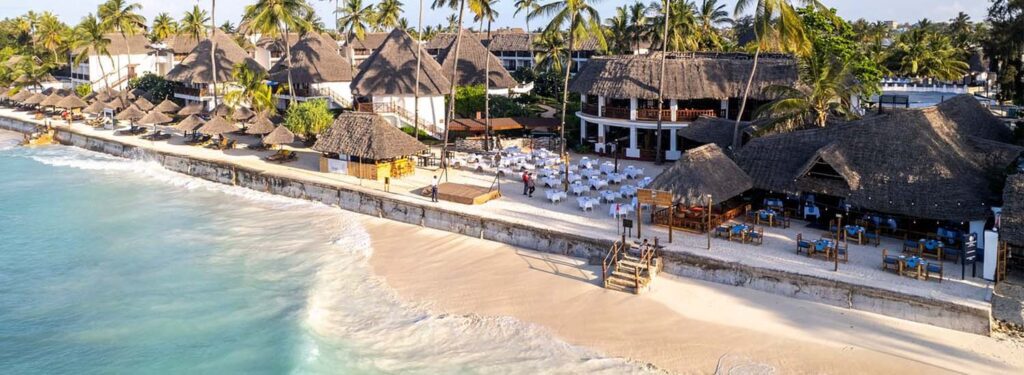
Nungwi Beach
Known for clear water, beautiful sunsets, and a lively coastal atmosphere, Nungwi is ideal for travellers who want beach time with energy.
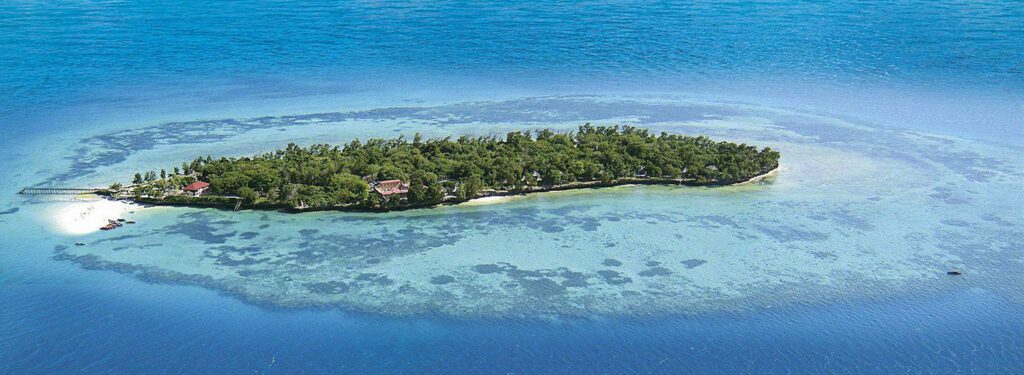
Prison Island
Visit giant Aldabra tortoises and snorkel in coral rich waters. It is a popular half day excursion from Stone Town.
Spice Farms
A guided spice farm tour lets you see, smell, and taste Zanzibar’s cloves, cinnamon, vanilla, nutmeg, and other spices that shaped the island’s identity.
For honeymooners, Zanzibar is a natural ending. For families, it gives children space to relax after safari. For adventure travellers, it completes the mountain to plains to ocean journey.
Let Scarface Pride take you beyond the ordinary—book your Tanzanian safari tour now and experience Africa’s untamed beauty, from mountain peak to ocean breeze.
What Affects Tanzania Safari Cost For This Trip?
The Tanzania safari cost for a combined Kilimanjaro climb, wildlife safari, and Zanzibar holiday typically ranges from USD 6,500 to USD 18,000+ per person for a well-planned luxury itinerary. The final price depends on several factors, including the climbing route, safari duration, accommodation standard, internal flights, and level of personalization.
The main cost drivers include:
- Kilimanjaro route length
- Climb operator quality
- Number of safari days
- Luxury level of camps
- Private vehicle versus shared vehicle
- Domestic flights
- Season of travel
- Zanzibar extension
- Park and conservation fees
- Special experiences
Luxury tanzania safari packages cost more because they often include premium camps, private guides, fly in routing, high level service, and more seamless logistics. For US travellers investing in a once in a lifetime journey, the key is to avoid under planning the transitions between climb, safari, and coast.
Who is this Trip Best For?
This journey is ideal for:
- Adventure travellers
- Couples and honeymooners
- Families with older children or teens
- Fitness focused travellers
- First time safari in Africa guests
- Wildlife photographers
- Luxury travellers
- US travellers wanting one big East Africa journey
It may not be ideal for travellers who want only relaxation or who have very limited time. Kilimanjaro plus safari requires stamina, time, and careful pacing.
Why Book With Scarface Pride?
Scarface Pride brings the mountain, safari, and coast together with expert planning. Instead of treating Kilimanjaro, Serengeti, Ngorongoro, and Zanzibar as separate pieces, the journey is designed as one complete Tanzania experience.
With Scarface Pride, you can plan:
- Kilimanjaro route selection
- Pre and post climb stays
- Private safari Tanzania planning
- Serengeti safari packages
- Ngorongoro Crater extensions
- Luxury camp selection
- Zanzibar beach add ons
- Airport transfers and internal logistics
- Safari pacing for recovery after the climb
The result is a journey that feels ambitious but seamless.
FAQ’s
1. Can US travellers combine Kilimanjaro and a Tanzania safari in one trip?
Yes. Many US travellers combine Mount Kilimanjaro with Serengeti National Park, Ngorongoro Crater, Tarangire, and Zanzibar in one well planned itinerary.
2. How many days do I need for Kilimanjaro, safari and Zanzibar?
A 12 to 14 day trip works well for Kilimanjaro plus safari. Add 3 to 4 extra nights if you want a relaxed Zanzibar extension.
3. Which Kilimanjaro route is best for acclimatization?
The Lemosho Route over 8 days and the Machame Route over 7 days are popular choices because they allow better acclimatization than shorter routes.
4. Should I do safari before or after Kilimanjaro?
Safari after Kilimanjaro is usually better because the climb requires energy and focus. The safari then becomes a comfortable reward after summit effort.
5. What is the best time to visit Tanzania for safari and Kilimanjaro?
July to October and January to March are strong periods for combining Kilimanjaro and safari. July to October is dry and strong for migration viewing, while January to March is excellent for calving season in the southern Serengeti.
6. Do US citizens need a visa for Tanzania?
Yes. US citizens need a Tanzania visa and can apply online for an eVisa in advance. Visa on arrival may also be available, but checking current requirements before travel is important.
7. Can I add Zanzibar after my Tanzania safari?
Yes. Zanzibar is one of the best ways to end the journey, especially after Kilimanjaro and safari. It adds beaches, Stone Town, spice farms, snorkeling, and ocean relaxation.


