
Author: Susan Wanjiru
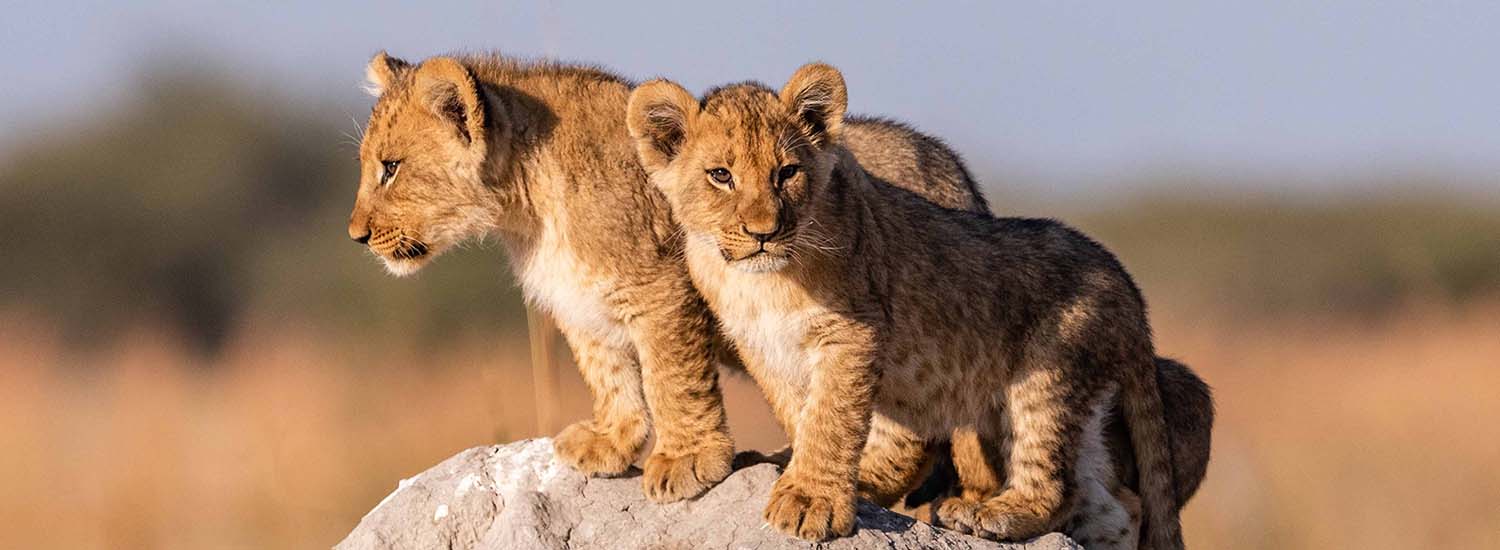
A Kenya safari is not just a holiday. It is one of the most immersive, emotional, and visually powerful travel experiences on the planet. Kenya is often called the heart of the classic African safari because it offers open savannahs, extraordinary wildlife encounters, rich Maasai culture, and landscapes that feel as if they were created for cinema.
But what many travellers do not realise is that the success of a safari depends heavily on planning. The right choices can lead to unforgettable sightings, expert guiding, beautiful lodges, and a comfortable travel rhythm. The wrong choices can leave you rushed, tired, over budget, or disappointed by an itinerary that looked good on paper but failed in real life.
Before you book, you need to understand where to go, when to travel, how safari costs work, what kind of guide you need, and whether your trip should be private, shared, road based, fly in, luxury focused, family friendly, or honeymoon ready.
This guide will help you make smarter decisions before booking your journey with Scarface Pride.
Why Planning Your Kenya Safari Matters Before You Book
A safari works differently from a normal vacation. You are not simply choosing a hotel and a city. You are choosing ecosystems, wildlife patterns, game drive timing, park fees, vehicle quality, lodge locations, guiding standards, and travel distances between remote regions.
That is why two travellers can visit Kenya during the same month and have completely different experiences. One may enjoy quiet sunrise game drives with a skilled guide and strong wildlife sightings. Another may spend most of the trip on long roads, arrive late at camps, and miss the best activity hours.
Good planning protects the value of your time. It helps you choose the right parks, avoid unnecessary transfers, match your budget to your expectations, and create a safari that feels smooth, personal, and memorable.
1. Choose the Right Destination for Your Goals
Kenya is incredibly diverse, and each region offers a different safari experience. Do not choose destinations only because they are famous. Choose them based on the kind of wildlife, scenery, pace, and comfort you want. Every Kenya safari should begin with one question: what do you want to experience most?
Masai Mara
The masai mara is Kenya’s most iconic safari destination. It is famous for big cats, open plains, dramatic predator action, and the Great Migration. If lions, cheetahs, leopards, wide landscapes, and classic safari photography are your priorities, the Mara should be high on your itinerary.
A masai mara safari is especially powerful for first time visitors because wildlife density is high and the scenery feels exactly like the Africa many travellers imagine. The reserve and surrounding conservancies also work well for luxury camps, private guiding, and special experiences such as a hot air balloon safari.
Amboseli
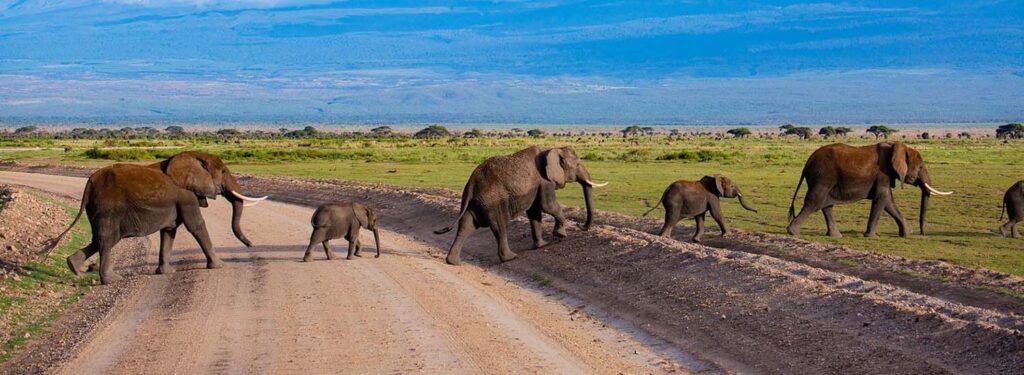
Amboseli is best known for large elephant herds moving against the backdrop of Mount Kilimanjaro. It is ideal for travellers who want dramatic photography, open plains, and a slower, scenic safari rhythm. Families and photographers often love Amboseli because elephants are usually the main highlight.
Samburu
Samburu offers a very different mood. It is drier, wilder, and more remote in feel. The region is known for rare northern species such as Grevy’s zebra, gerenuk, Somali ostrich, reticulated giraffe, and beisa oryx. If you have already experienced the Mara or want something more distinctive, Samburu adds depth to your itinerary.
Lake Nakuru and Naivasha
Lake Nakuru is often included for rhinos, birdlife, and Rift Valley scenery. Lake Naivasha can add boat rides, hippos, birdwatching, and a gentler change of pace between wildlife areas. These destinations work well when placed carefully, not when added only to make the itinerary look full.
Before choosing your parks, ask yourself: do I want big cats, elephants, dramatic landscapes, rare wildlife, birdlife, or a mix of culture and nature? This clarity will shape a more rewarding itinerary.
2. Understand the True Travel Distances
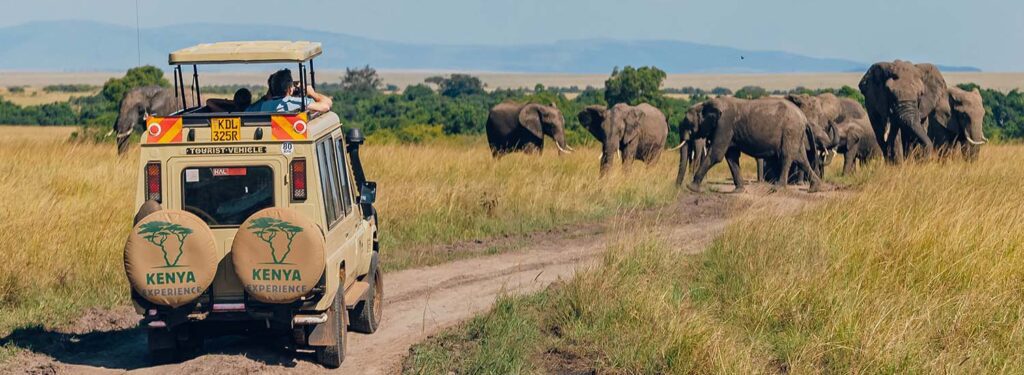
Kenya may look easy on the map, but safari drives can be long. Nairobi to Masai Mara can take around 6 hours by road, while routes such as Lake Nakuru to Amboseli may take up to 7 hours depending on road conditions and stops.
This matters because a safari is not only about where you go. It is about how much meaningful time you get inside the wilderness. If you try to fit too many parks into a short trip, you may spend more time on the road than on game drives.
A rushed itinerary can look impressive online but feel exhausting once you are travelling. Early departures, dusty roads, late arrivals, and limited rest can reduce the quality of the experience, especially for families, older travellers, honeymoon couples, and guests flying in after long international journeys.
For a premium trip, fewer destinations with better time in each place often works better than trying to cover everything. If your budget allows, a fly in option can reduce road fatigue and give you more time for game drives. A well paced nairobi to masai mara safari, for example, can feel far more rewarding than a packed multi park route with little breathing space.
3. Know the Best Time to Visit
The season you choose will shape your wildlife sightings, photography conditions, comfort, crowd levels, and budget. The best time to visit kenya for safari depends on what you want most from the journey.
Dry Season
June to October is usually the most popular period for wildlife viewing. Vegetation is thinner, animals gather closer to water sources, and visibility is strong. This period also overlaps with the Great Migration in the Masai Mara, making it one of the most requested safari windows.
If your dream is a masai mara great migration safari, this is the season most travellers consider first. However, it is also peak demand season, which means higher rates, busier sightings in some areas, and limited lodge availability if you book late.
Shoulder Months
January, February, and June can be excellent for travellers who want strong wildlife viewing, good weather, attractive scenery, and a more balanced price point. These months can work well for photographers, couples, and families who want a premium experience without peak season pressure.
Green Season
The rainy seasons, usually March to May and November to December, bring lush landscapes, fewer crowds, and often better value. Some travellers avoid these months, but they can be beautiful for photography, birdlife, and quieter safari experiences. The key is to plan carefully around road conditions and camp operations.
There is no single perfect month for every traveller. The right season depends on your priorities, whether you want migration drama, luxury value, fewer vehicles, family comfort, or a softer scenic experience.
4. Understand Safari Costs
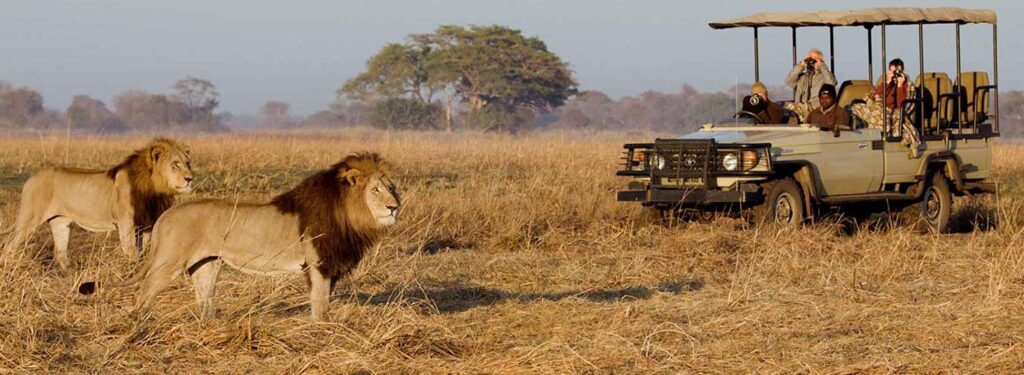
Safari prices can vary widely. Budget group safaris generally range from $100 to $250 per day, mid range options from $300 to $700, and luxury or private safaris from $900 to $2,000 plus per day. These figures can change based on travel season, accommodation, transport style, park fees, and guide quality.
Many travellers compare only the total price, but that can be misleading. A cheaper itinerary may use crowded vehicles, basic camps, less experienced guides, rushed routing, or lodges far from key wildlife areas. A higher priced itinerary may include private guiding, luxury tented camps, internal flights, better locations, premium service, and more comfortable pacing.
When reviewing kenya safari packages, look beyond the headline rate. Ask what is included, what is excluded, how many people share the vehicle, whether park fees are covered, how close the camp is to wildlife areas, and whether your guide is experienced in photography, family travel, or migration tracking.
The real kenya safari cost is not only about money. It is about the quality of the time you spend in the wilderness. A safari is a rare journey, and poor planning can waste both budget and opportunity.
5. Choose Between Group and Private Safaris
Group safaris are more affordable and social. They usually follow fixed routes, fixed schedules, and shared vehicles. For solo travellers or budget conscious guests, group travel can be a practical way to experience Kenya.
Private safaris offer full flexibility. You can adjust game drive times, pause longer at sightings, travel at your own pace, and shape the route around your interests. This is especially valuable for couples, honeymooners, families, photographers, and travellers who want a more refined experience.
The right Kenya safari format depends on your travel style. If you want control, comfort, privacy, and a more personal connection with your guide, private safari kenya options are usually the better choice. If you want a lower price and do not mind shared timing, a group safari may work.
Luxury travel is rarely about adding more places. It is about removing friction. A private safari does that by giving you space, better flow, and more meaningful time in the field.
6. Your Safari Operator Matters Most
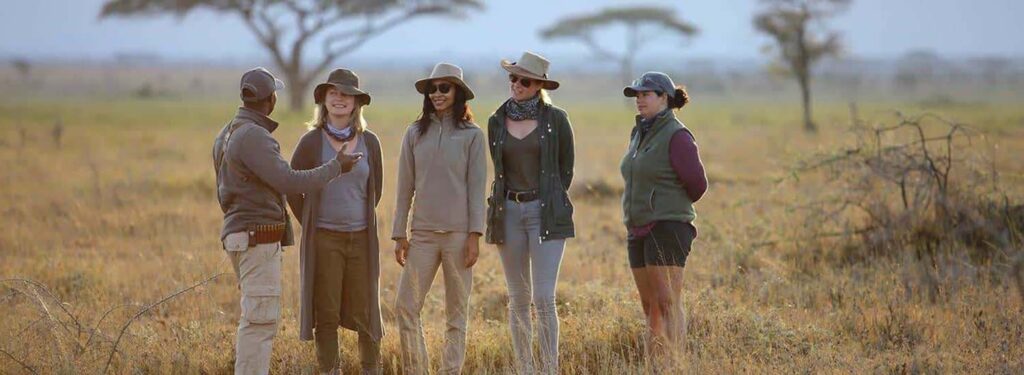
A Kenya safari is only as strong as the team planning and guiding it. The operator you choose can make or break your experience.
A professional and ethical safari operator ensures knowledgeable guides, well maintained vehicles, safe routing, reliable accommodation, accurate communication, and respect for wildlife. The best operators do not simply sell a package. They listen to your expectations, understand your budget, and build a route that makes sense for the season and your travel style.
Before booking, check reviews, ask for a detailed itinerary, clarify inclusions, understand cancellation terms, and confirm who will guide you. If the operator cannot explain why certain destinations, lodges, or dates are recommended, that is a warning sign.
For luxury travel, operator quality becomes even more important. Premium travellers are not only buying a room and vehicle. They are buying judgement, timing, service recovery, wildlife knowledge, and peace of mind.
Scarface Pride focuses on expert guided safari planning so travellers can move through Kenya with confidence, comfort, and a clear sense of purpose.
7. Match Accommodation to the Experience You Want
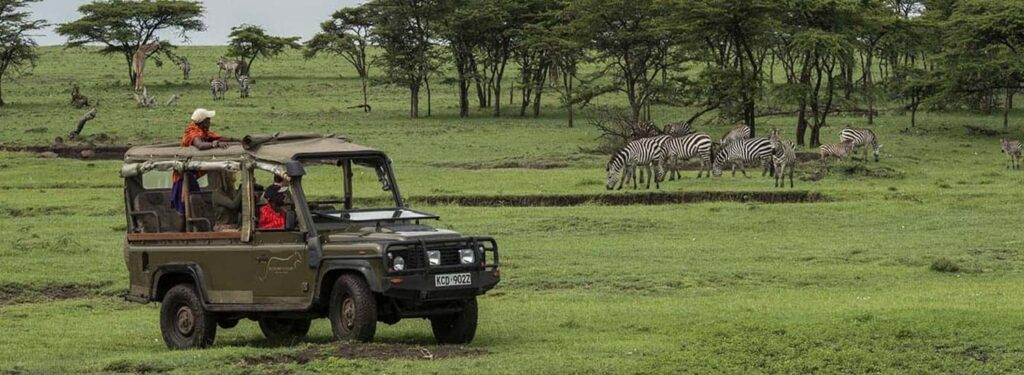
Accommodation is not just where you sleep. On safari, your lodge or camp affects access, atmosphere, service, food, views, activity timing, and overall comfort.
Some lodges are larger and more structured. They may work well for families, first time travellers, and guests who prefer predictable facilities. Luxury tented camps often feel more intimate, immersive, and connected to the landscape. Conservancy camps can offer quieter game drives, fewer vehicles, and sometimes activities not available inside national reserves.
For luxury kenya safari packages, the camp location matters as much as the room design. A beautiful lodge far from productive wildlife areas may look impressive but reduce your time in the field. A well located camp can transform the experience by giving you faster access to sightings, better sunrise drives, and a stronger sense of wilderness.
Ask whether the property is inside a reserve, near a gate, or in a private conservancy. Ask about vehicle sharing, guiding standards, meal style, family facilities, and special arrangements for honeymoon or private dining. A good safari planner will match the accommodation to your purpose, not just your budget.
8. Be Mindful of Cultural Experiences
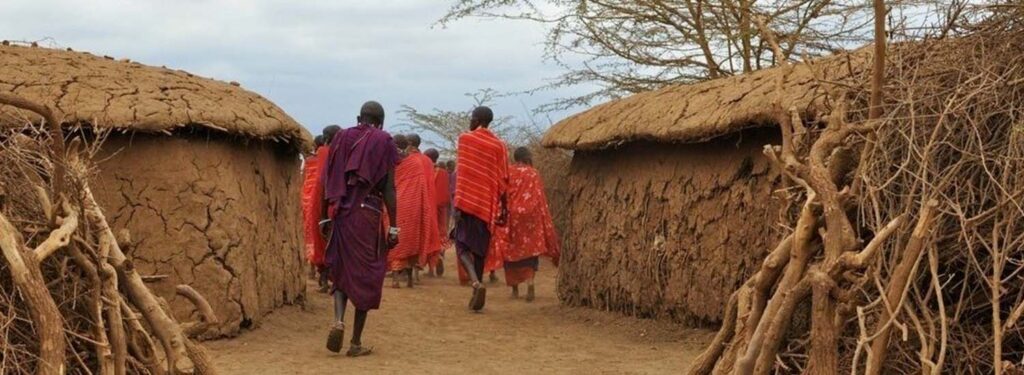
Kenya is not only about wildlife. Its people, traditions, and local communities are part of the journey. However, not all village visits are authentic. Some are staged only for tourists and can feel uncomfortable or transactional.
Look for community based experiences that genuinely support local families, preserve traditions, and respect dignity. Ask how your visit benefits the community. Ethical tourism should uplift local livelihoods, not turn culture into a quick performance.
A meaningful cultural experience may include guided conversations, craft cooperatives, conservation stories, local education projects, or community owned tourism initiatives. The goal is not to collect a photo. The goal is to understand the connection between land, people, wildlife, and heritage.
When planned well, cultural experiences can add depth to an african safari and help travellers see Kenya beyond the game drive vehicle.
9. Respect Wildlife and Follow Safety Rules
A safari is not a zoo. It is the animals’ natural habitat. That is what makes it powerful, but it also requires discipline and respect.
Always remain inside the vehicle unless your guide says otherwise. Keep a safe distance from animals. Do not shout, clap, whistle, feed wildlife, or pressure your guide to move too close. Never block an animal’s path for a photograph. Follow your guide’s instructions at all times.
Responsible behaviour protects both you and the wildlife. It also protects the quality of the sighting for other travellers. A calm vehicle often allows animals to behave naturally, which leads to better viewing and better photography.
If you are travelling with children, explain safari etiquette before the first game drive. Quiet observation, patience, and respect make the experience safer and more rewarding for everyone.
10. Pack Smart
Temperatures can change quickly on safari. Mornings and evenings may be chilly, while afternoons can be hot and dry. Pack layers, neutral coloured clothing, sunscreen, sunglasses, a wide brim hat, comfortable shoes, insect repellent, personal medication, chargers, and a light jacket.
Binoculars are highly recommended, even if your guide has a pair. They help you enjoy birds, distant predators, and small details that are easy to miss. A good camera is useful, but do not let photography take over the experience. Some of the best moments are worth watching with your own eyes.
A Kenya safari is easiest when payments are planned before arrival. Cards are accepted in cities and many luxury lodges, but remote areas may still depend on cash for small purchases, tips, and souvenirs. Kenyan Shillings are best for local expenses. ATMs may have withdrawal limits, so prepare in advance.
Also check travel insurance, passport validity, baggage limits for internal flights, and any health related requirements before departure. These practical details may not feel exciting, but they protect the smoothness of your journey.
Suggested Safari Styles Before You Book
Not every traveller needs the same itinerary. The best safari plan should match your reason for travelling.
For First Time Safari Travellers
If this is your first time safari in Africa, focus on strong wildlife areas, good guiding, and comfortable pacing. Masai Mara plus Amboseli is a classic combination. It gives you big cats, elephants, open plains, and strong photographic variety without making the trip too complicated.
For Luxury Travellers
Luxury travellers should prioritise private guiding, premium camps, fewer transfers, excellent service, and strong locations. Fly in routing can reduce fatigue and increase time in the wilderness. Add special experiences such as bush dining, sundowners, hot air ballooning, and private conservancy drives where suitable.
For Families
Families should avoid overpacked itineraries. Choose lodges with family friendly rooms, flexible meals, patient guides, shorter transfer days, and activities that keep children engaged. Wildlife education, animal tracking, and gentle cultural experiences can make the trip memorable for young travellers.
For Honeymoon Couples
A honeymoon safari should feel intimate, relaxed, and beautifully paced. Private vehicles, scenic camps, special dining, and a possible beach extension can turn the trip into a romantic safari and beach holiday. Kenya works well for couples who want both adventure and softness.
For Photographers
Photographers should focus on guide quality, private vehicle access, vehicle positioning, camp location, and time in high density wildlife areas. The Mara is especially strong for predator photography, while Amboseli is exceptional for elephants and Kilimanjaro backdrops.
How to Compare Safari Packages Properly
When comparing kenya safari tours, do not choose only by price or number of days. Look carefully at the structure.
Check how many nights are spent in each destination. One night in a park often gives you very little game drive time. Two or three nights in key areas usually creates a better rhythm. Check whether the route involves backtracking. Check whether arrival and departure days include real safari time or mostly transfers.
Review vehicle type, maximum guests per vehicle, guide experience, camp location, meal inclusions, park fees, domestic flights, luggage restrictions, and emergency support. A good itinerary should make sense when you read it day by day.
If the plan feels crowded, ask what can be removed. A more focused trip can feel more luxurious than a longer list of destinations.
Final Thoughts Before Booking
A well planned Kenya safari gives you more than wildlife sightings. It gives you raw emotion, breathtaking scenery, deep cultural insight, and memories that stay long after you return home.
The most important decision is not simply where to go. It is how the journey is designed. The right route, season, guide, lodge, vehicle, and travel rhythm can turn a good safari into an unforgettable one.
Before you book, take time to understand your priorities. Decide whether you want migration drama, big cats, elephants, luxury comfort, private guiding, family ease, cultural depth, or a combination of everything. Then work with a safari specialist who can turn those priorities into a smooth, beautiful itinerary.
FAQ
1. What is the best time to visit Kenya for a safari?
The best time depends on your goal. June to October is popular for dry season wildlife viewing and Great Migration activity in the Masai Mara. January, February, and June are strong shoulder months. March to May and November to December can offer greener scenery, fewer crowds, and better value.
2. How much does a Kenya safari cost?
A safari can range from $100 to $250 per day for budget group options, $300 to $700 for mid range travel, and $900 to $2,000 plus per day for luxury or private safaris. The final cost depends on season, accommodation, park fees, transport, guide quality, and itinerary style.
3. Is Masai Mara worth visiting?
Yes. Masai Mara is one of Africa’s most rewarding safari regions, especially for big cats, open savannah views, and Great Migration experiences. It is ideal for first time travellers, photographers, families, couples, and anyone seeking a classic safari setting.
4. Should I choose a private or group safari?
Choose a group safari if affordability and a social format matter most. Choose a private safari if you want flexibility, comfort, custom routing, and more control over your game drive experience. Private safaris are especially useful for luxury travellers, families, honeymooners, and photographers.
5. How many days are enough for a Kenya safari?
For a short trip, 3 to 4 days in Masai Mara can work. For a richer experience, 6 to 8 days allows you to combine Masai Mara with Amboseli, Samburu, Lake Nakuru, or other regions. A longer itinerary gives you better pacing and more variety.
6. What animals can I see on safari in Kenya?
Kenya offers lions, leopards, cheetahs, elephants, buffalo, rhinos, giraffes, zebras, hippos, crocodiles, hyenas, antelopes, and rich birdlife. The exact sightings depend on the destination, season, guide, and natural wildlife movement.
7. Can Kenya be combined with Tanzania?
Yes. Many travellers combine Kenya with Tanzania for a wider East African safari experience. A cross border route can include Masai Mara, Serengeti National Park, Ngorongoro Crater, and other iconic landscapes if time and budget allow.
Ready to plan your Kenya safari the right way? Let Scarface Pride craft a personalised journey built around your travel style, preferred season, comfort level, and dream wildlife moments. Share your ideal safari vision with us, and we will help design a journey that feels effortless, premium, and unforgettable.
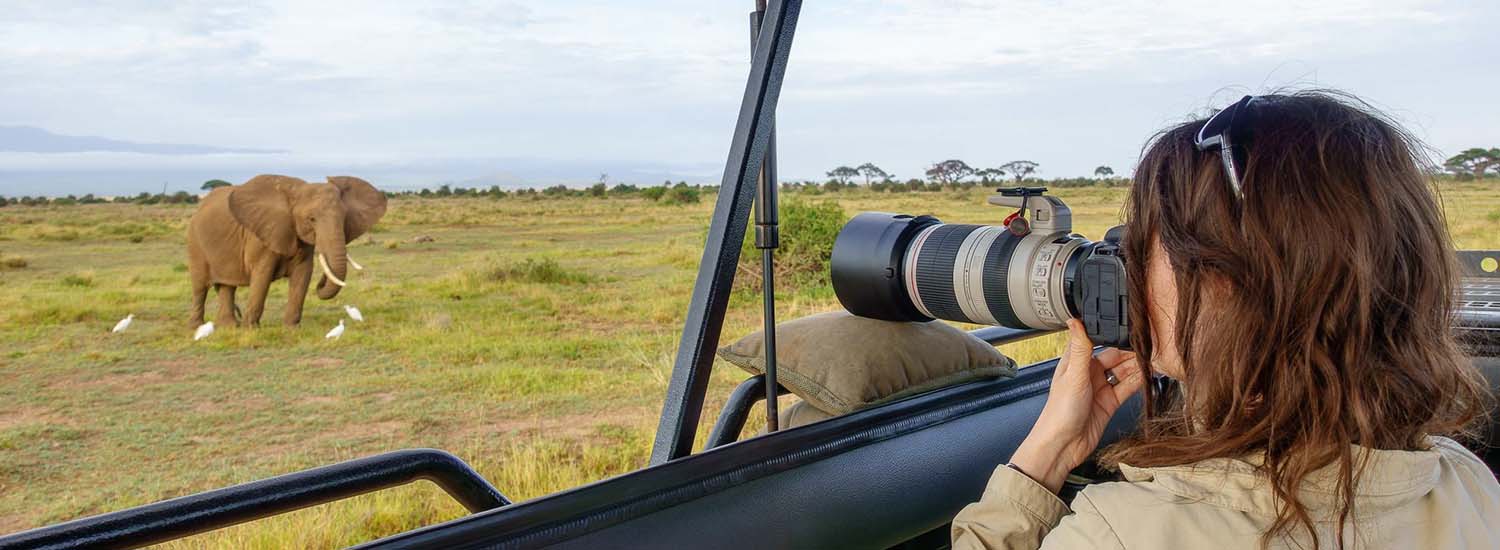
Africa is not just a destination. It is a living canvas. From endless golden savannahs to misty volcanoes, crimson deserts, mirror like lakes, ancient coastal towns, and wildlife rich plains, the continent offers scenes that feel created for photographers.
A well planned African safari gives photographers more than wildlife sightings. It gives light, movement, emotion, silence, scale, and story. One morning can begin with elephant silhouettes beneath Kilimanjaro. The next can place you beside a lion pride in the Masai Mara or watching flamingos turn a lake into a moving field of pink.
This guide is designed for wildlife photographers, nature lovers, travel creators, honeymooners, families, and adventure seekers who want their lens to capture more than images. The goal is to capture memory, mood, and meaning.
Why Africa is Different for Safari Photography
What makes Africa different is the quality of light, the openness of the landscapes, the proximity to wildlife, and the sense that every sunrise and sunset creates a new scene.
In Kenya and Tanzania, photography is not limited to animals. You can frame big cats in golden grass, elephants against volcanic mountains, flamingos across soda lakes, Maasai culture in vivid color, ancient Swahili streets, and turquoise islands of Zanzibar and Mombasa after days in the bush.
For anyone planning a first time safari in Africa, the biggest advantage of Kenya and Tanzania is variety. A single route can include the Masai Mara, Serengeti National Park, Ngorongoro Crater, Amboseli, Tarangire, Lake Nakuru, Lake Natron, and Zanzibar or Diani Beach. This makes the region ideal for a luxury African safari that balances wildlife, landscapes, culture, and coast.
How to Use This Photography Guide
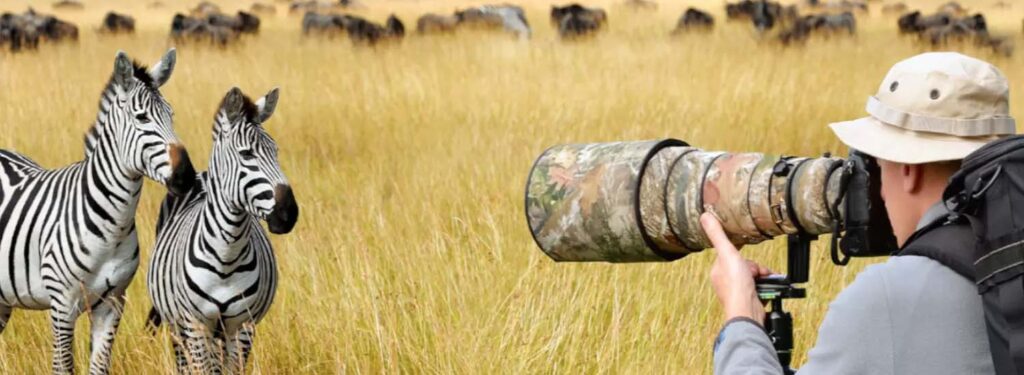
The locations below are grouped into five photography categories:
- Wildlife photography
- Landscape photography
- Lake and birdlife photography
- Cultural and lifestyle photography
- Coastal and marine photography
For the best results, plan your shoots around Golden Hour, which means sunrise and sunset. This is when warm light, long shadows, dust, and movement create cinematic frames. Blue Hour, just before sunrise and after sunset, is useful for moody skies, lodge photography, silhouettes, and low light landscape scenes.
Essential Camera Gear for a Safari Photographer
- Carry a 24 to 70mm lens for people, camps, landscapes, and lifestyle frames.
- Carry a 70 to 200mm lens for portraits, closer wildlife, and compressed landscapes.
- Carry a 100 to 400mm or 150 to 600mm lens for big cats, birds, and distant wildlife.
- Use bean bags instead of tripods inside safari vehicles.
- Carry extra batteries and memory cards because safari drives are long.
- Use dust protection for camera bodies and lenses.
- Respect wildlife distance, park rules, and local communities.
- Check drone regulations before travel because rules vary by country, park, and conservation area.
Best African Safari Photography Hotspots for Wildlife
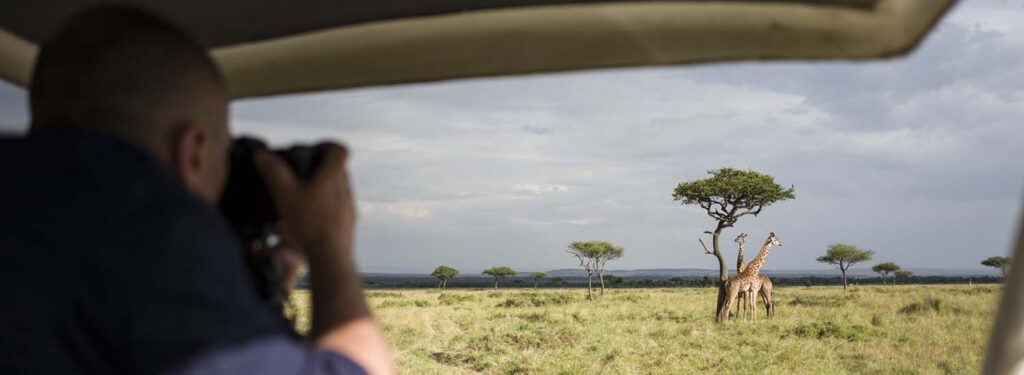
Masai Mara, Kenya
The Masai Mara is one of the most powerful wildlife photography destinations in Africa. It is famous for open savannahs, big cats, dramatic skies, and the Great Migration season. For photographers, the magic of the Mara is visibility. The grasslands allow clean compositions, strong subject isolation, and dramatic predator scenes.
A masai mara safari is especially rewarding for lions, cheetahs, leopards, elephants, buffalo, giraffes, hyenas, and wildebeest. During migration months, river crossings can deliver some of the most emotional wildlife frames in the world. Even outside migration, the Mara remains one of the best year round locations for predator photography.
Best shots to plan:
- Lion pride at sunrise
- Cheetah on termite mound
- Wildebeest crossing
- Hot air balloon over plains
- Golden grass portraits
Serengeti National Park, Tanzania
Serengeti National Park is the visual definition of endless wilderness. The plains, kopjes, acacia silhouettes, and seasonal migration routes make it a dream location for long lens and wide angle photography.
A serengeti safari is ideal for photographers who want scale. You can photograph herds stretching across the horizon, lions resting on granite kopje, leopards in riverine woodland, and cheetahs moving through open plains. The Serengeti also connects beautifully with Ngorongoro and Tarangire, making it central to many Tanzania safari packages.
Best shots to plan:
- Wildebeest herds across open plains
- Lion on kopje
- Cheetah chase sequence
- Zebra patterns
- Sunset silhouettes
Ngorongoro Crater, Tanzania
Ngorongoro Crater offers one of the most concentrated wildlife photography experiences in East Africa. Its natural bowl shape creates a dramatic setting with grasslands, lakes, forests, and crater walls in the background.
For photographers, the crater is useful because wildlife density is high and distances between sightings can be shorter than in larger parks. It is an excellent location for Big Five safari animals, especially lions, buffalo, elephants, and rhinos.
Best shots to plan:
- Rhino in open grassland
- Lion pride with crater wall background
- Flamingos on soda lake
- Elephants near forest edge
- Wide crater landscape from viewpoint
Amboseli, Kenya
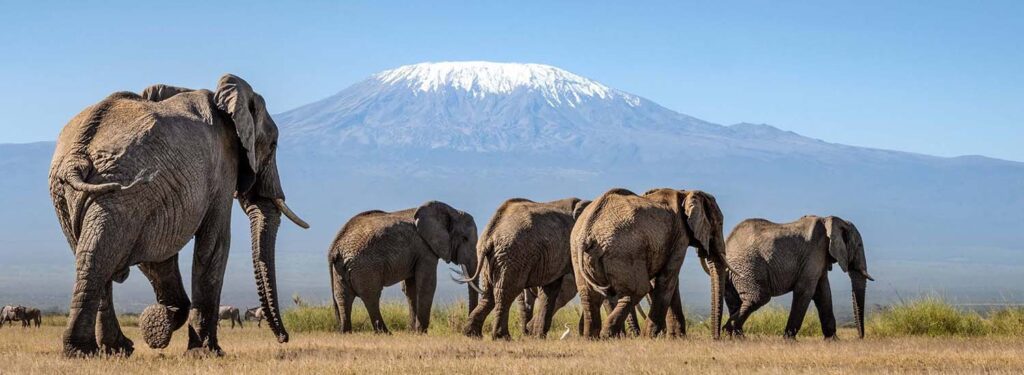
Amboseli is famous for its elephants and views of Mount Kilimanjaro. It is one of the best places in Africa to create iconic elephant images with mountain backdrops.
The best photography happens early in the morning when Kilimanjaro is clearer and wildlife is active. Dust, marshes, open plains, and elephant family groups create emotional and elegant compositions. For a kenya safari focused on elephant photography, Amboseli should be a priority.
Best shots to plan:
- Elephants beneath Kilimanjaro
- Elephant family crossing dusty plains
- Marsh birdlife
- Sunrise silhouettes
- Wide angle safari landscapes
Tarangire National Park, Tanzania
Tarangire National Park is one of Tanzania’s most rewarding safari destinations, celebrated for its impressive elephant herds, ancient baobab trees, and diverse wildlife. The park offers a peaceful atmosphere compared to some of the country’s busier reserves, making it an excellent addition to luxury Tanzania safari packages. During the dry season, animals gather around the Tarangire River, creating exceptional wildlife viewing and unforgettable safari experiences.
Best shots to plan:
- Elephants under baobab trees
- Dusty dry season scenes
- Giraffes against warm light
- Birdlife near water
- Wide baobab landscapes
Lake Naivasha
Lake Naivasha is one of Kenya’s most scenic freshwater lakes and a favorite destination for bird and wildlife photographers. Surrounded by acacia forests, papyrus-lined shores, and dramatic Rift Valley landscapes, the lake offers a peaceful contrast to the traditional safari experience.
Boat safaris provide excellent opportunities to photograph hippos, fish eagles, cormorants, kingfishers, and reflections on calm waters. Nearby attractions such as Crescent Island and Hell’s Gate National Park add diversity to photographic compositions, making Lake Naivasha an ideal stop on many Kenya safari itineraries.
Best shots to plan:
- Hippos in morning mist
- African fish eagle in flight
- Boat safari reflections
- Crescent Island wildlife
- Golden hour lake landscapes
Lake Nakuru, Kenya
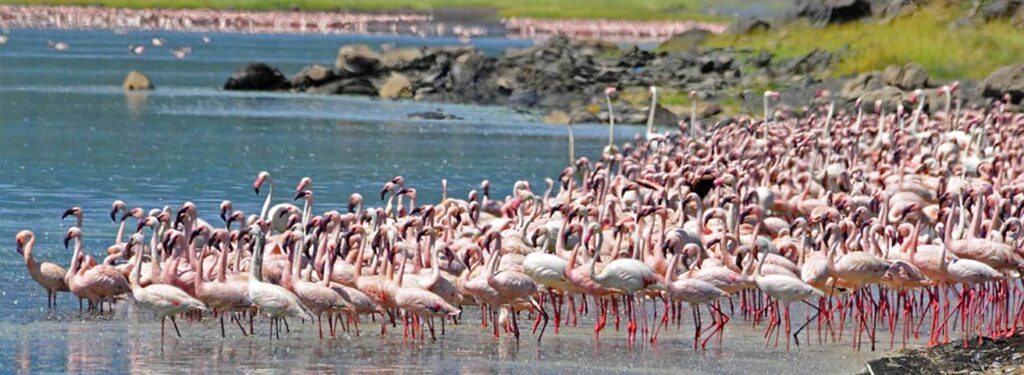
Lake Nakuru is a strong photography location for flamingos, rhinos, lake reflections, and wooded scenery. It adds variety to kenya safari packages because it breaks the rhythm of open plains with water, birdlife, and forest edges.
The lake is especially useful for photographers who want color contrast. Flamingos, pelicans, acacia trees, rhinos, and lake mist create a different mood from the Mara or Amboseli.
Best shots to plan:
- Flamingos in soft light
- White rhino portraits
- Bird reflections
- Forest edge wildlife
- Wide lake scenes
Lake Manyara, Tanzania
Lake Manyara is known for forest, lake views, elephants, birds, and the possibility of tree climbing lions. While wildlife sightings can vary, the park is visually rich because it combines groundwater forest, open lake edges, and escarpment views.
It is a good addition to a tanzania safari route for photographers who want diversity in a short distance.
Best shots to plan:
- Elephants in forest
- Tree climbing lion if sighted
- Birdlife near lake
- Forest road frames
- Escarpment landscapes
Tsavo East, Kenya
Tsavo East is a dramatic location for red dust elephants and wide wilderness scenes. The earth tones are different from the Mara, giving photographers a raw and cinematic palette.
This destination works well for photographers who enjoy minimal compositions, dust trails, and strong color contrast. Red elephants against blue skies or open terrain are signature Tsavo frames.
Best shots to plan:
- Red dust elephant herds
- Minimalist wildlife in open space
- Dusty sunset scenes
- Giraffes in dry country
- Long road safari compositions
Samburu, Kenya
Samburu National Reserve offers a completely different photographic experience from the Masai Mara. The reserve is known for its rugged landscapes, riverine forests, dramatic light, and rare northern species often referred to as the “Samburu Special Five” — Grevy’s zebra, reticulated giraffe, Somali ostrich, Beisa oryx, and gerenuk.
The Ewaso Ng’iro River attracts wildlife throughout the year, creating excellent opportunities for action photography. Samburu’s arid terrain, rocky outcrops, and fewer visitors make it one of Kenya’s most rewarding destinations for photographers seeking unique wildlife and authentic wilderness scenes.
Best shots to plan:
- Reticulated giraffe portraits
- Grevy’s zebra against dry landscapes
- Elephants along the Ewaso Ng’iro River
Gerenuk standing on hind legs - Dramatic sunset silhouettes
Nyerere National Park, Tanzania
Formerly part of the Selous Game Reserve, Nyerere is ideal for photographers who want a river based safari experience. The Rufiji River adds reflection, water action, crocodiles, hippos, birds, and sunset scenes.
Nyerere is also valuable because it feels less crowded than the northern circuit. For private safari Tanzania experiences, this region can deliver a quieter, more immersive photographic rhythm.
Best shots to plan:
- Hippos in river light
- Crocodiles on banks
- Boat safari silhouettes
- African wild dogs if sighted
- Golden river sunsets
Gombe & Mahale, Tanzania
Gombe Stream National Park and Mahale Mountains National Park offer some of Africa’s most extraordinary primate photography experiences. Located along the shores of Lake Tanganyika, these remote destinations are famous for wild chimpanzee tracking in lush tropical forests.
Unlike traditional safari photography, Gombe and Mahale focus on intimate wildlife storytelling. Photographers can capture chimpanzees displaying social behavior, forest interactions, and emotional expressions in their natural habitat. The combination of dense rainforest, mountain scenery, and crystal-clear lake views creates a unique photographic setting rarely found elsewhere in Africa.
Best shots to plan:
- Chimpanzees in natural forest habitat
- Primate interaction and behavior
- Lake Tanganyika landscapes
- Forest trails and rainforest scenes
- Sunset views over the lake
Best African Safari Photography Hotspots for Landscapes
Mount Kilimanjaro Views
Mount Kilimanjaro can be photographed from Amboseli in Kenya and from areas around Moshi in Tanzania. The mountain creates one of Africa’s most recognizable backdrops.
For wildlife photographers, the strongest compositions come when elephants, giraffes, or plains wildlife move across the foreground. Early morning is usually the best time because the mountain is more likely to be visible.
The Great Rift Valley, Kenya
The Great Rift Valley gives photographers scale, geology, lakes, escarpments, and sweeping viewpoints. It works well as a transition between Nairobi, Lake Naivasha, Lake Nakuru, and the Masai Mara.
For travel creators, this region is useful for establishing shots, road trip storytelling, and landscape sequences that connect the safari route.
Ol Doinyo Lengai, Tanzania
Ol Doinyo Lengai, often called the Mountain of God by the Maasai, is one of Tanzania’s most striking volcanic landscapes. It works best for photographers who want dramatic terrain, remote scenery, and a raw geological mood.
This is not a standard wildlife location. It is best included for photographers who want landscape storytelling and a more adventurous tanzania safari extension.
Shompole and Lake Magadi, Kenya
Shompole and Magadi are underrated gems for pink lakes, reflections, salt textures, flamingos, and abstract landscape photography. These locations are ideal for photographers who want something different from classic wildlife frames.
The light here can be intense, so sunrise and sunset are the best times for color control and softer contrast.
Chyulu Hills, Kenya
Chyulu Hills offers misty landscapes, cloud forest, lava tubes, rolling green slopes, and views toward Kilimanjaro. It is ideal for photographers who want atmosphere.
This region adds a softer, more cinematic layer to a kenya safari, especially for luxury travelers who appreciate wilderness, privacy, and landscape beauty.
Best Lake and River Photography Hotspots
Lake Naivasha, Kenya
Lake Naivasha is excellent for misty mornings, hippos, fishermen, birds, and boat based photography. It is also a practical stop between Nairobi and other safari regions.
Early morning is the strongest time to shoot. Mist on the water, backlit birds, and quiet lake movement create peaceful contrast after high action wildlife drives.
Lake Bogoria, Kenya
Lake Bogoria is known for flamingos, steam, hot springs, and dramatic lake color. It is one of the best places for abstract bird photography and landscape patterns.
Photographers should plan around soft light because midday glare can be harsh on water.
Lake Natron, Tanzania
Lake Natron is one of the most surreal photography locations in East Africa. Its red and pink tones, salt patterns, reflections, flamingos, and views of Ol Doinyo Lengai make it visually unique.
This is a strong addition for photographers building a distinctive portfolio beyond standard safari scenes. It pairs well with Serengeti and Ngorongoro routes when travel time is planned properly.
Rufiji River, Tanzania
The Rufiji River is the heart of Nyerere photography. Water changes the entire rhythm of a safari. Instead of only game drives, photographers can shoot from boats, giving lower angles, reflections, and sunset silhouettes.
It is a strong choice for birders, slow travel photographers, and guests who want private safari Tanzania experiences away from busier routes.
Cultural and Lifestyle Photography Hotspots
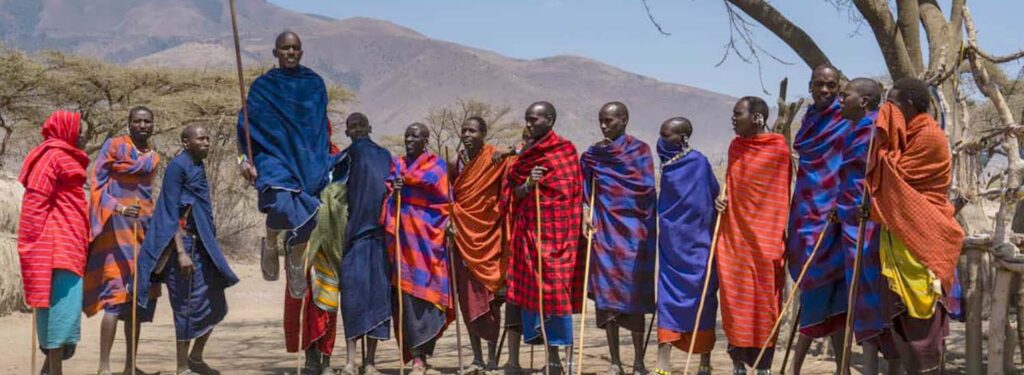
Maasai Villages, Kenya and Tanzania
Maasai cultural photography can be powerful when done respectfully. Colorful attire, beadwork, ceremonies, pastoral life, and village settings offer rich storytelling opportunities.
The key is consent. Scarface Pride recommends planned, ethical cultural visits where communities are respected, permissions are clear, and photography never feels intrusive.
Hadzabe Community, Lake Eyasi, Tanzania
The Hadzabe near Lake Eyasi offer rare cultural storytelling opportunities. Their lifestyle, hunting traditions, and relationship with the land create deeply human frames.
This experience should be approached with sensitivity and guided context. It is best for photographers who value documentary style work, not staged images.
Lamu Old Town, Kenya
Lamu adds heritage, architecture, coastal rhythm, and Swahili culture to a safari photography route. Carved doors, narrow lanes, dhows, donkeys, coral stone walls, and warm coastal light create an entirely different visual world.
For photographers planning a kenya safari and beach holiday, Lamu is a beautiful alternative to a simple beach ending.
Coastal and Marine Photography Hotspots
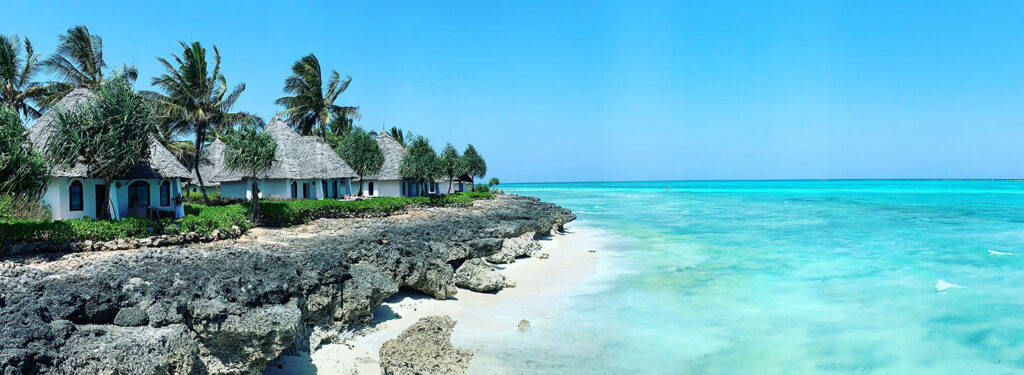
Zanzibar, Tanzania
Zanzibar is perfect after a Tanzania safari. It offers turquoise water, spice farms, Stone Town architecture, dhow sunsets, coral beaches, and cultural details.
A tanzania safari and Zanzibar combination is especially strong for honeymooners, families, and photographers who want both wildlife and coastal storytelling in one journey.
Diani Beach and Wasini Island, Kenya
Diani Beach and Wasini Island bring white sand, marine life, coastal villages, boats, palms, and underwater photography opportunities. This is a strong finish after Masai Mara, Amboseli, or Tsavo.
For guests considering kenya safari and beach holiday options, Diani gives a relaxed and photogenic coastal ending without leaving Kenya.
Suggested 12 Day Kenya and Tanzania Photography Route
Day 1–3: Masai Mara
Shoot big cats, open plains, predator action, migration scenes if in season, and golden hour landscapes.
Day 4: Lake Naivasha and Hell’s Gate
Capture misty lake scenes, hippos, birds, cliffs, gorges, and adventure style frames.
Day 5: Amboseli
Focus on elephants, Kilimanjaro views, dust, marshes, and sunrise silhouettes.
Day 6–8: Serengeti National Park and Ngorongoro Crater
Photograph the Great Migration route, kopjes, lions, cheetahs, crater wildlife, and wide ecosystem scenes.
Day 9: Tarangire and Lake Manyara
Add baobabs, elephants, forest scenery, birdlife, and lake views.
Day 10: Lake Natron or Lake Eyasi
Choose Lake Natron for surreal landscapes and flamingos. Choose Lake Eyasi for respectful cultural storytelling.
Day 11–12: Zanzibar, Diani, or Lamu
End with coastal photography, architecture, marine color, dhow sunsets, and beach relaxation.
This route gives the perfect balance of wildlife, landscapes, culture, and coast. It also works well for travelers comparing Kenya and Tanzania safari packages because it connects the most photogenic regions in one structured journey.
Best Time for an African Safari Photography Trip
The best time depends on the kind of images you want.
July to October
This is one of the strongest periods for the Great Migration, dry season wildlife viewing, clearer skies, and predator photography. It is also a popular period for masai mara great migration safari planning.
January to March
This is excellent for calving season in the southern Serengeti and Ndutu region. It is a powerful time for newborn animals, predator activity, soft light, and dramatic wildlife behavior.
November to December
Short rains can create lush landscapes, dramatic skies, fewer crowds, and rich color. This period is excellent for photographers who do not want only dry season tones.
April to May
This is the green season in many regions. Some roads can be challenging and some camps may close, but the landscapes can be beautiful, with moody skies and fewer vehicles.
If photography is the main goal, the best time to visit Kenya for safari may differ from the best time to visit Tanzania for safari depending on whether you want river crossings, calving season, birdlife, or landscape drama.
Kenya Safari Photography Versus Tanzania Safari Photography
A kenya safari is excellent for open grassland photography, high predator visibility, elephants with Kilimanjaro, Rift Valley lakes, and beach extensions through Diani or Lamu.
A tanzania safari is excellent for vast ecosystem photography, Serengeti migration routes, Ngorongoro wildlife density, Tarangire elephants, Lake Natron landscapes, and Zanzibar extensions.
For many photographers, the strongest solution is not choosing one country over the other. It is designing one intelligent route using kenya safari packages and tanzania safari packages together, based on season, light, wildlife movement, and your preferred visual story.
Why Choose a Curated Photography Safari?
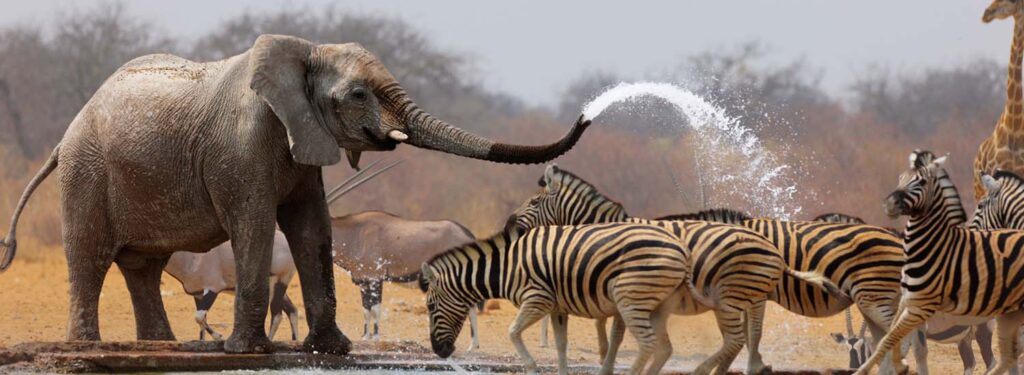
A photography focused African safari goes beyond basic sightseeing. Standard itineraries often chase sightings. A photography itinerary works differently. It considers light direction, vehicle position, subject behavior, patience, lens needs, and timing.
With Scarface Pride, you can plan:
- Custom photography routes
- Sunrise and sunset game drives
- Private vehicles designed for shooting
- Expert trackers and photography aware guides
- Flexible pacing for light and behavior
- Access to exclusive golden hour locations
- Great Migration routes based on herd movement
- Luxury camps selected for location and photographic value
For serious photographers, private vehicles matter. They allow you to wait longer, change position carefully, avoid rushed sightings, and shoot from better angles. This is especially important in the Masai Mara, Serengeti, Amboseli, Ngorongoro, and Tarangire.
Ethical Safari Photography Guidelines
Powerful wildlife photography should never come at the cost of wildlife comfort or community dignity.
- Keep safe distance from animals.
- Do not pressure guides to move too close.
- Avoid flash with wildlife at night unless permitted.
- Never block animal movement.
- Do not shout or bait animals.
- Ask permission before photographing people.
- Support community led cultural visits.
- Follow park rules and guide instructions.
The best safari images come from patience, not pressure.
FAQ
What is the best African safari destination for photography?
The Masai Mara, Serengeti National Park, Ngorongoro Crater, Amboseli, Tarangire, and Lake Nakuru are among the strongest destinations for photography because they combine wildlife density, open landscapes, dramatic light, and strong subject variety.
Is Kenya or Tanzania better for safari photography?
Kenya is excellent for Masai Mara big cats, Amboseli elephants, Rift Valley lakes, and coastal extensions. Tanzania is excellent for Serengeti scale, Ngorongoro wildlife density, Tarangire elephants, Lake Natron landscapes, and Zanzibar. Many photographers get the best results by combining both.
What lens should I carry for an African safari?
A 24 to 70mm, 70 to 200mm, and 100 to 400mm lens combination works well for most safari photographers. Birders and serious wildlife photographers may prefer a longer prime or a 150 to 600mm lens.
What is the best time for a photography safari in Kenya and Tanzania?
July to October is excellent for dry season wildlife and migration scenes. January to March is strong for Serengeti calving season. November and December offer lush landscapes, dramatic skies, and fewer crowds.
Do I need a private vehicle for safari photography?
A private vehicle is highly recommended for photographers. It gives better control over timing, positioning, waiting, and shooting angles. It also avoids rushing from one sighting to another.
Can Scarface Pride plan a photography focused safari?
Yes. Scarface Pride can curate a custom african safari around your photography goals, preferred destinations, travel season, skill level, luxury standards, and dream shots.
Can I combine safari photography with a beach holiday?
Yes. Zanzibar, Diani Beach, Wasini Island, and Lamu are excellent coastal endings after Kenya or Tanzania safari routes.
Ready to Turn Your Lens Toward Africa?
Your next iconic frame may be waiting in the Mara grasslands, beneath Kilimanjaro, across the Serengeti plains, inside Ngorongoro Crater, or along the turquoise coast of Zanzibar.
Let Scarface Pride curate a custom African safari photography journey built around your vision, timing, skill level, and dream shots.
Plan your Kenya and Tanzania photography safari with Scarface Pride today.
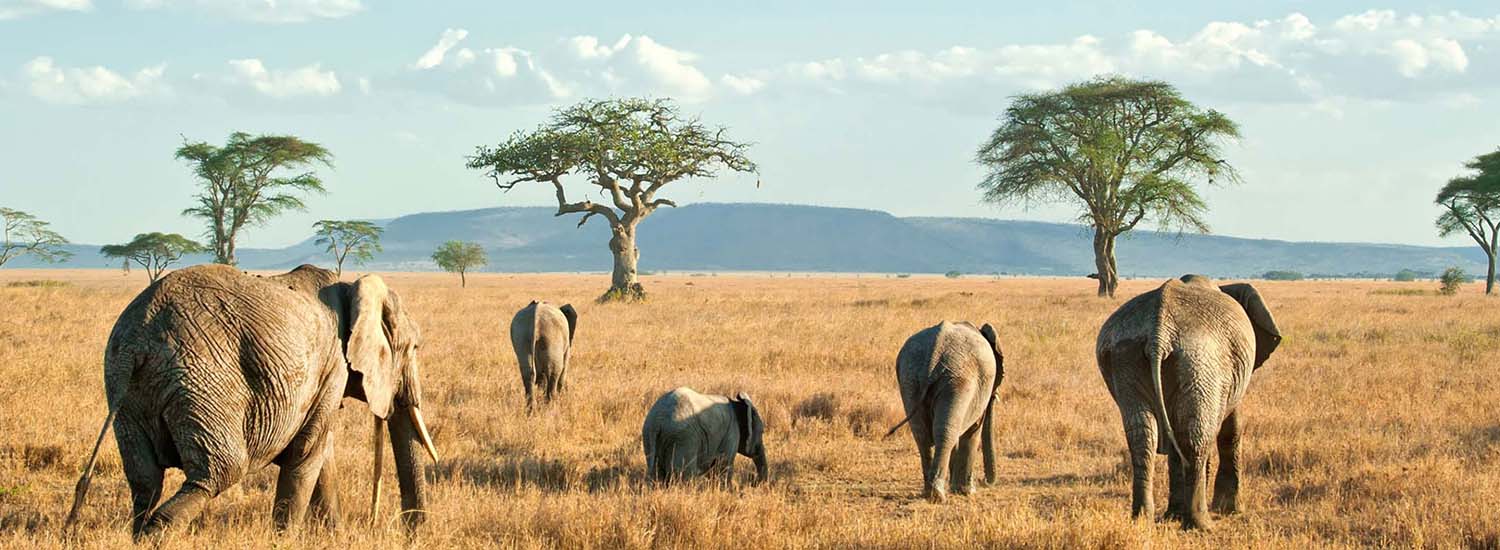
Tanzania stands as the crown jewel of African safaris, not because it tries to be the best, but because it simply is. From the legendary Great Migration to the world’s largest intact volcanic caldera, Tanzania offers a scale and diversity that even Kenya, South Africa, and Botswana struggle to match.
It is home to over 20 national parks and protected reserves, including icons like the Serengeti, Ngorongoro Crater, and Mount Kilimanjaro, combined with remote, untouched wilderness areas that many travelers never see.
A Quick Look at Tanzania’s Top Parks
• Serengeti – The Great Migration, Big Five, endless plains
• Ngorongoro Conservation Area – The world’s largest intact caldera
• Tarangire – Vast elephant herds & ancient baobabs
• Lake Manyara – Tree-climbing lions & flamingos
• Ruaha – Raw, untamed and remote
• Nyerere (Selous) – Africa’s largest protected reserve
• Mahale & Gombe – Chimpanzees on Lake Tanganyika
• Katavi – Wild, unfiltered Africa
• Mikumi & Arusha – Easily accessible gems near cities
The Signature National Parks
Serengeti National Park
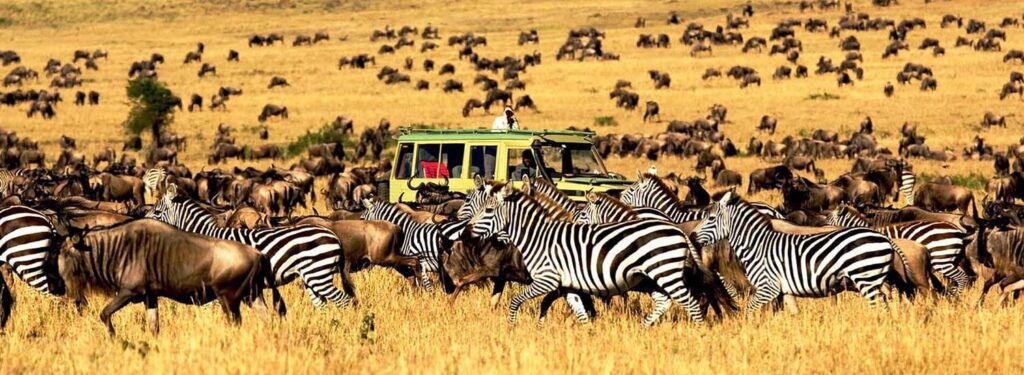
Location: Northern Tanzania – grassland savannah
Why special: The Great Migration of 1.5+ million wildebeests
Wildlife: Big Five, cheetahs, hyenas, crocs
Best time: June–October for crossings
Ideal for: First-time safarigoers, photographers, luxury travelers
Fees may change annually – verified at time of booking.
Ngorongoro Conservation Area
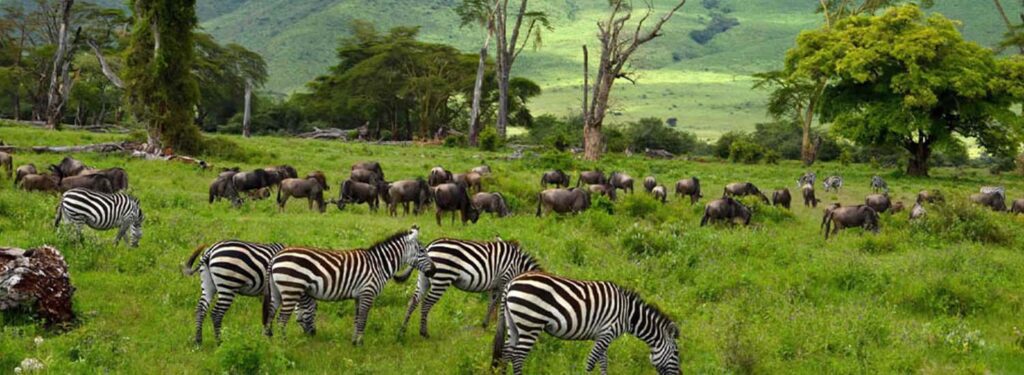
Terrain: Massive volcanic caldera, lakes & forested rim
Why special: World’s densest wildlife concentration per sq km
Wildlife: Big Five incl. endangered black rhino
Best time: Year-round
Ideal for: Families, photographers, short immersive safaris
Tarangire National Park
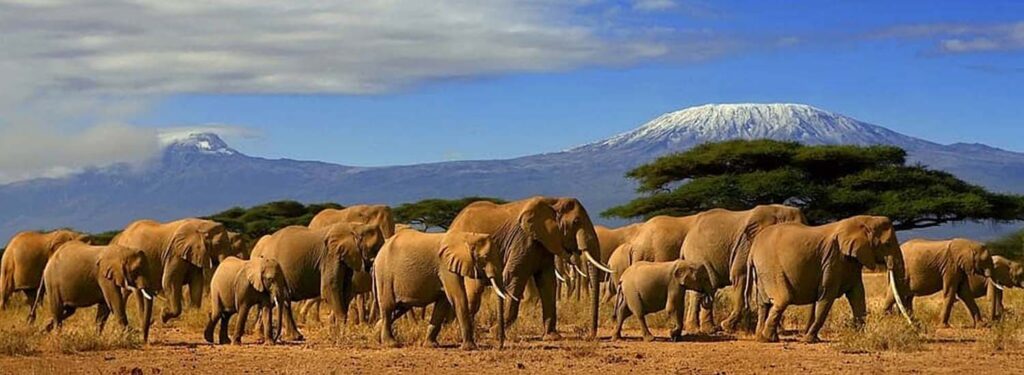
Signature feature: Elephants + thousand-year-old baobabs
Best time: June–October
Ideal for: Offbeat but rich safaris & birdwatching
Lake Manyara National Park
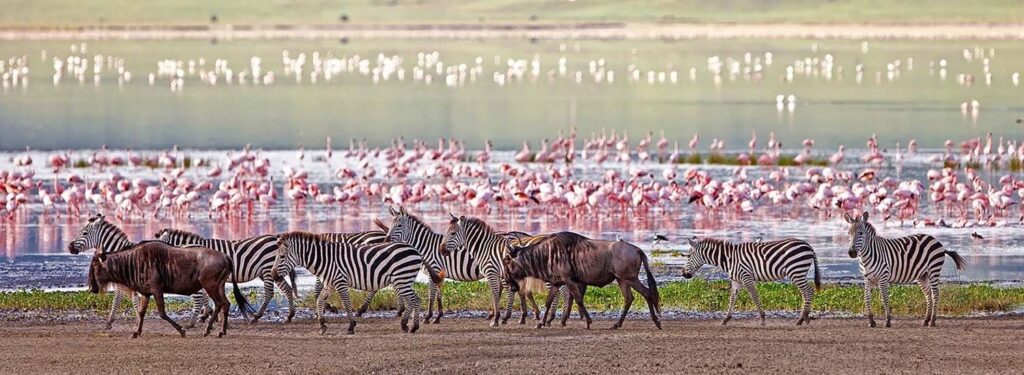
Famous for: Tree-climbing lions, flamingos
Terrain: Forests, lakes, and rift valley backdrop
Ideal for: Short scenic safari drives
Ruaha, Nyerere & Katavi
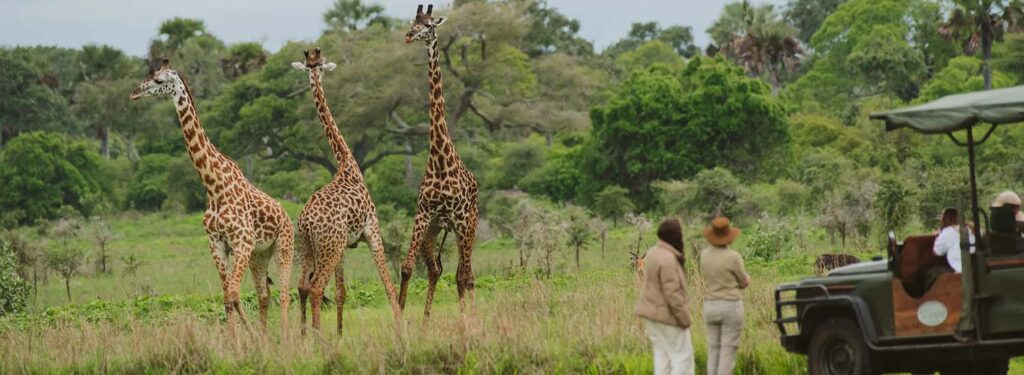
These are Tanzania’s true wilderness strongholds, rugged, remote, and teeming with predators.
Ideal for: Adventure seekers and off-grid luxury travelers
Mahale & Gombe
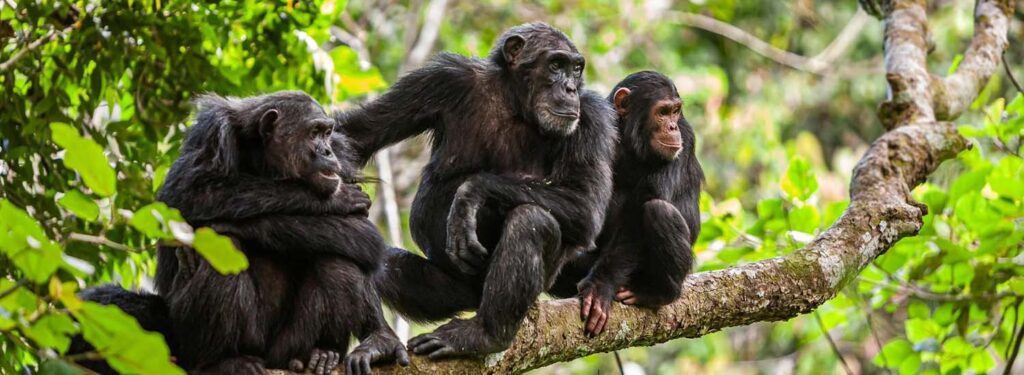
A rare opportunity to track chimpanzees on the shores of Lake Tanganyika, a once-in-a-lifetime experience for primate lovers.
Hidden Reserves Most Tourists Miss (But You Shouldn’t)
Saadani – Where safari meets the Indian Ocean
Rubondo Island – Forest safaris + birds + privacy
Ibanda-Kyerwa & Burigi-Chato – Underrated and unexplored
Grumeti & Ikorongo – Exclusive migration corridors
Loliondo – Raw, crowd-free wildlife lands
Best for: Private, low-tourism, ultra-luxury and conservation-based safaris
Best Safari Routes in Tanzania
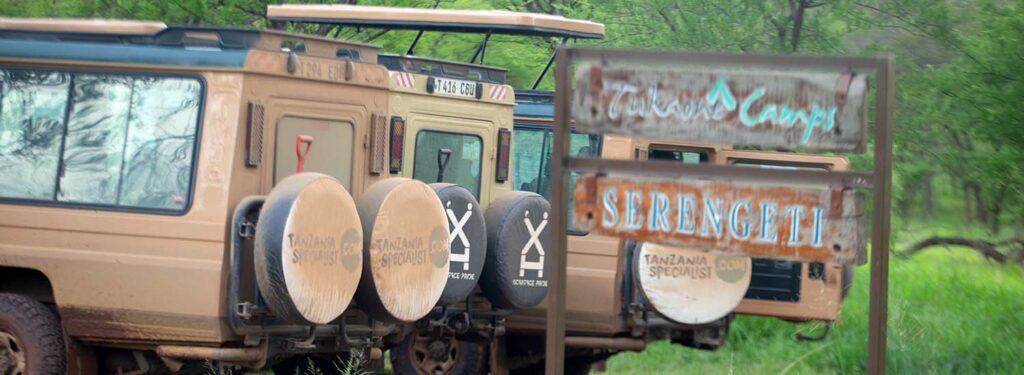
Classic + Iconic Route:
Serengeti → Ngorongoro → Tarangire
Luxury & Romantic Route:
Private Serengeti conservancy → Ngorongoro crater → Lake Manyara
Explorer Route:
Ruaha → Katavi → Mahale Mountains
Best Time To Visit:
• Jan–March: Calving season
• April–May: Green season + fewer crowds
• June–August: Migration + river crossings
• Sept–Oct: Predator action
• Nov–Dec: Lush landscapes + light rains
Practical Travel Tips:

• Visa: Easy e-visa for most travelers
• Vaccines: Consult your doctor
• Currency: USD widely accepted; cards in lodges
• Pack: Neutral clothing, sunscreen, binoculars
• Photography: Zoom lens (200–400mm recommended)
• Respect local tribes & traditions
• Overall: Tanzania is stable and safe for tourists
Why Explore Tanzania With Scarface Pride
Scarface Pride curates tailor-made luxury safaris across Tanzania with:
-Private & Customised Itineraries
– Luxury Safari Stays & Seamless Transfers
– Trusted by 1000+ Happy Travellers
– Safe, Secure & 100% Authentic Experiences
Let Scarface Pride curate your private Tanzania safari.

Dreaming of a holiday that blends adventure, comfort, and meaningful family time? This December, trade Dubai’s skyline for Kenya’s endless savannahs. A Luxury Kenya Family Safari with Scarface Pride promises a stress-free, all-inclusive experience, from private transfers and child-friendly lodges to breathtaking wildlife moments that will have your family reminiscing for years to come.
Why December is Great for Family Safaris
December marks Kenya’s lush green season, the perfect time for families seeking nature and serenity.
- Milder weather: Cool mornings and comfortable afternoons.
- Newborn wildlife: Spot baby elephants, cubs, and gazelles.
- Fewer crowds: Enjoy privacy at lodges and parks.
- Vibrant scenery: Lush greenery enhances your safari photos and sunsets.
Top Family-Friendly Safari Regions
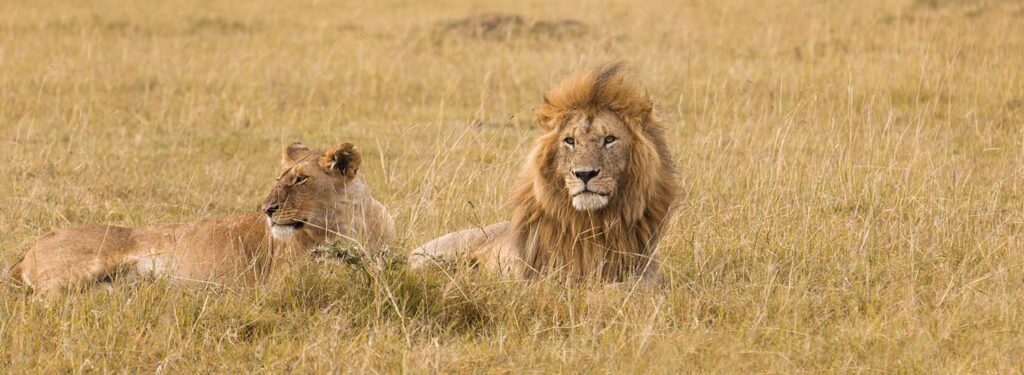
- Masai Mara:
- The Big Five in one place- lions, elephants, leopards, buffaloes, and rhinos.
- Hot air balloon rides (8+ years) over the plains at sunrise.
- Maasai village visits where kids can learn dances, crafts, and bush skills.
- Exciting family game drives and picnic breakfasts in the wild.
- The Big Five in one place- lions, elephants, leopards, buffaloes, and rhinos.
- Amboseli National Park:
- Iconic Mount Kilimanjaro views for stunning family photos.
- Elephant herds in close view, ideal for wildlife-loving kids.
- Short, smooth game drives perfect for younger children.
- Birdwatching and nature walks near safe lodge areas.
- Iconic Mount Kilimanjaro views for stunning family photos.
- Laikipia (Ol Pejeta Conservancy):
- Rhino and Chimpanzee sanctuaries– a fun and educational experience.
- Junior ranger programs teaching kids about wildlife protection.
- Opportunities to see the last two Northern White Rhinos in the world.
- Camel rides and cycling safaris within the conservancy.
- Rhino and Chimpanzee sanctuaries– a fun and educational experience.
What a Family Luxury Safari Includes
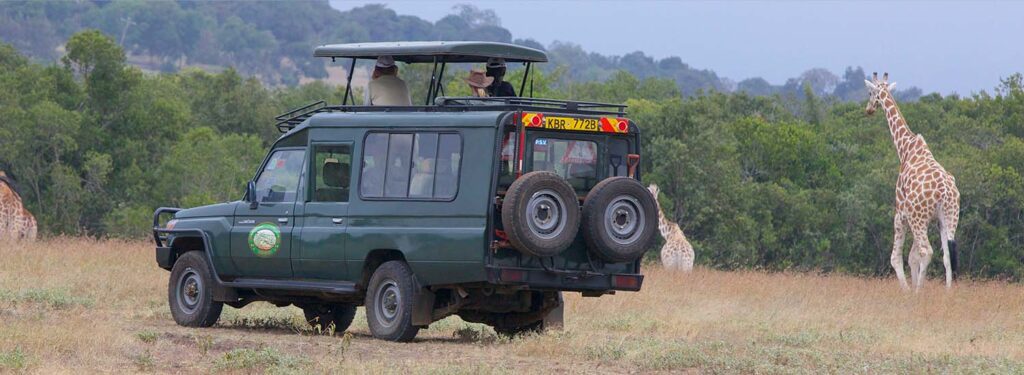
Every Scarface Pride itinerary is curated to blend comfort, education, and adventure.
- Private 4×4 safari vehicle & professional guide
- Family suites and interconnecting rooms
- Child menus, flexible dining, and festive dinners
- Complimentary Wi-Fi and laundry services
Five Park Safari in Kenya for 8-Days – Luxury Family Safari Itinerary
Day 1- Adventure Awaits in Aberdare National Park
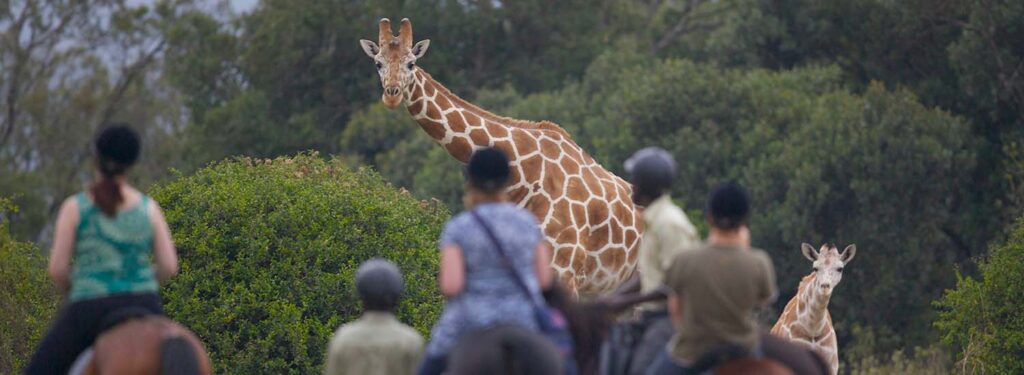
Arrive in Nairobi, meet your friendly guide, and enjoy breakfast before heading to Aberdare National Park. Lunch at Aberdare Country Club and stay overnight at The Ark Lodge, overlooking a wildlife-rich watering hole.
Day 2–3- Explore Samburu National Reserve
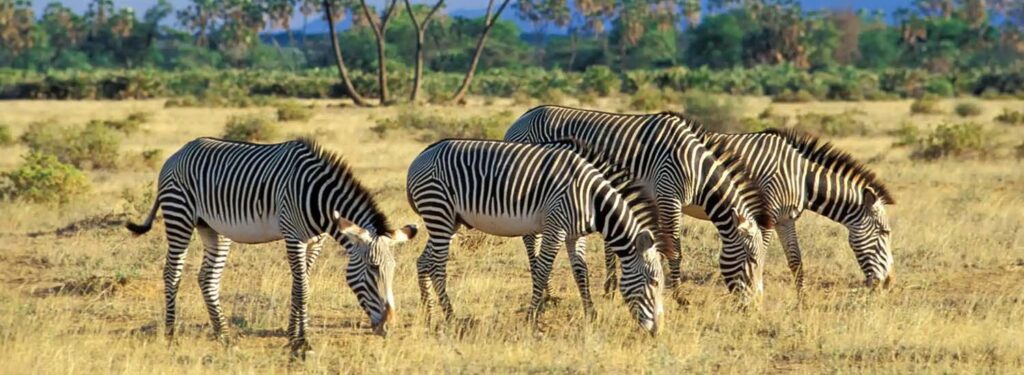
Journey to Samburu, home to rare species like reticulated giraffes, gerenuks, and Grevy’s zebras. Stay two nights at Samburu Sopa Lodge, where kids will love spotting elephants and leopards along the Ewaso Ng’iro River.
Day 4- Conservation Encounters at Ol Pejeta
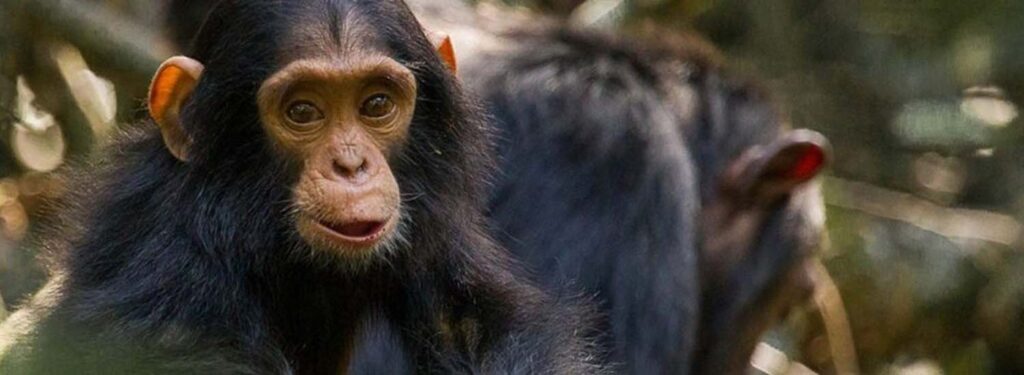
Visit the Chimpanzee Sanctuary and Rhino Conservancy, home to the last Northern White Rhinos. Overnight at Sweetwaters Serena Camp, supporting conservation with every stay.
Day 5- Lake Naivasha Serenity

Drive to Lake Naivasha, visit the equator en route, and stay at Naivasha Sopa Resort. Spot giraffes, monkeys, and waterbucks around the estate.
Day 6–8- The Magic of Masai Mara
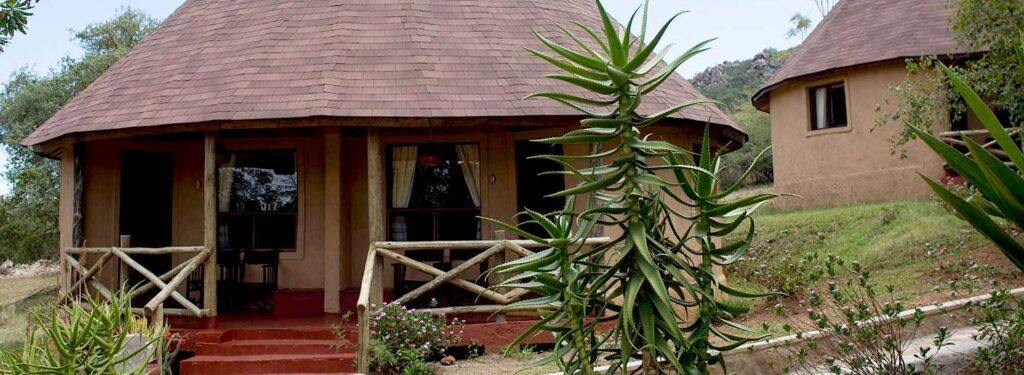
Arrive at Mara Sopa Lodge for three nights of pure wilderness. Enjoy daily game drives, spot Big Cats, and witness the legendary wildebeest migration (July–October). End with a hot air balloon safari (optional) and a sunrise breakfast in the wild.
Starting Price: AED 7500 per person (including accommodation, transfers, and guided safaris). Please note that these prices may vary depending on the customizations.
Safety & Travel Tips for Parents
- Carry up-to-date vaccinations and insurance.
- Balloon rides: Ages 6+ | Bush walks: Ages 12+.
- Pack hats, light jackets, and insect repellent.
- Always keep kids hydrated and guided during drives.
How to Book with Scarface Pride
1. Select your preferred travel dates.
2. Our experts customize your itinerary.
3. Confirm your booking and receive your safari kit.
Request a Quote for your safari and begin your unforgettable December adventure with Scarface Pride!
FAQs:
1. Is Kenya safe for kids? Yes, private safaris and family lodges ensure safety.
2. What’s the ideal safari age? 6 years and above.
3. Can we add a beach extension? Yes, Diani or Watamu are ideal.
4. Are meals included? Yes, all meals and game drives are covered.
Explore more: Masai Mara Safaris

When it comes to planning the perfect honeymoon, most couples think of beaches, luxury resorts, or bustling cities. But for those seeking something truly extraordinary, an African safari honeymoon offers romance, adventure, and memories that last a lifetime. Imagine waking up in a luxury tented camp with panoramic views of endless savannahs, sharing a champagne toast as the sun sets behind acacia trees, and spotting lions, elephants, and giraffes together, it’s no wonder a romantic African safari is quickly becoming one of the world’s most desired honeymoon experiences.
A romantic safari combines the thrill of wildlife with the intimacy of private, luxury experiences. Whether it’s a sunrise game drive across the Serengeti plains or stargazing by a campfire in the Masai Mara, every moment feels magical. Unlike crowded resorts, safaris offer privacy and exclusivity, letting you and your partner connect deeply while surrounded by nature’s beauty.
Romantic Destinations in Kenya
Kenya is home to some of the most romantic destinations in Africa for honeymooners:
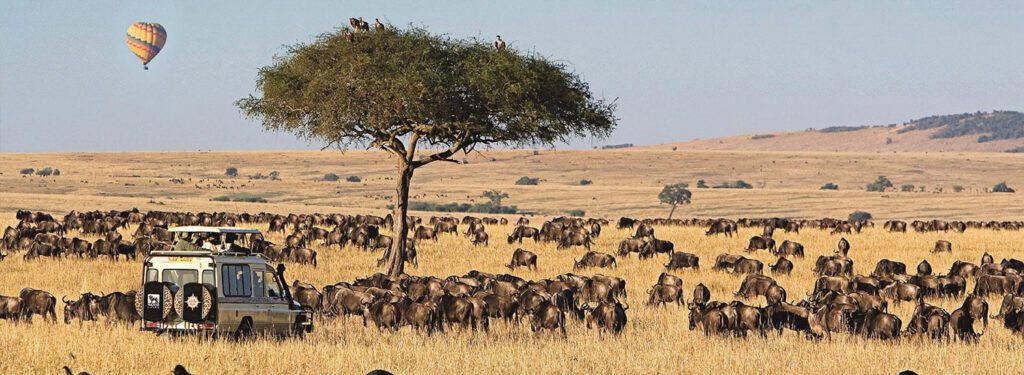
- Masai Mara – Famous for its golden grasslands and abundant wildlife, the Mara offers private conservancies where couples can enjoy game drives without the crowds. Picture a candlelit dinner in the wild, or a hot air balloon ride at dawn, floating over herds of wildebeest and zebras.
- Amboseli National Park – Known for its breathtaking views of Mount Kilimanjaro, Amboseli creates a dramatic and unforgettable backdrop for romance. It’s a photographer’s dream and one of the most intimate safari experiences in East Africa.
- Lake Naivasha & Lake Nakuru – Beautiful Rift Valley lakes where couples can enjoy boat rides, spot flamingos, and see rhinos in their natural habitat. Both offer a serene, lesser-crowded escape.
Romantic Destinations in Tanzania
Tanzania takes the romantic African safari to another level:
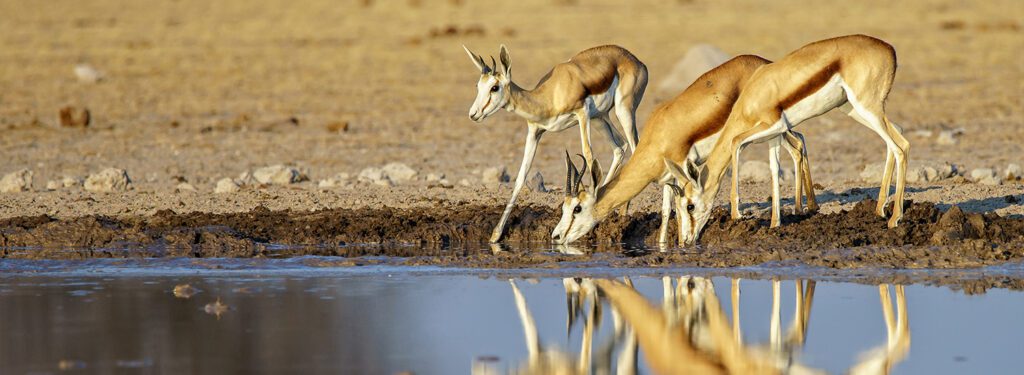
- Serengeti National Park – Renowned for its vast landscapes and the Great Migration, where couples can witness the circle of life unfold in front of their eyes.
- Ngorongoro Crater (UNESCO World Heritage Site) – A natural wonder with dramatic volcanic landscapes and dense wildlife, offering an otherworldly honeymoon experience.
- Nyerere National Park, (UNESCO World Heritage Site) – One of the largest protected wildlife reserves in the world, offering boat safaris and rare sightings of wild dogs, perfect for adventurous couples.
- Zanzibar – After the thrill of a safari, unwind on pristine beaches, explore Stone Town (a UNESCO Heritage Site), and indulge in the island’s rich history and spice tours.
Why Choose a Safari Honeymoon?
Here’s why a safari honeymoon is unlike any other:
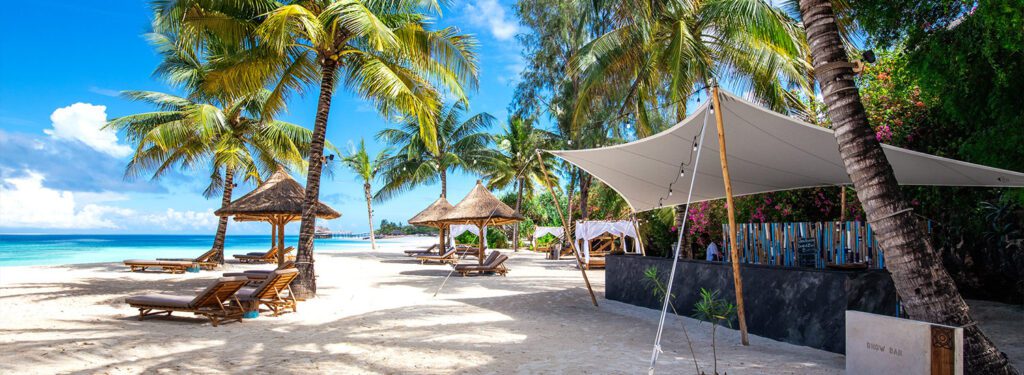
- Adventure Meets Romance – From thrilling game drives to serene sundowners, every day brings new surprises.
- Luxury & Privacy – Private plunge pools, open-air bathtubs overlooking the savannah, and secluded honeymoon suites.
- Unique Landscapes – From snow-capped Kilimanjaro to volcanic craters, Rift Valley lakes, and endless plains.
- Cultural Immersion – Visit local Maasai villages or explore historic Stone Town for meaningful shared experiences.
- UNESCO Treasures – Combine wildlife with visits to UNESCO-listed wonders like Ngorongoro Crater, Selous, and Stone Town.
Luxury and Privacy
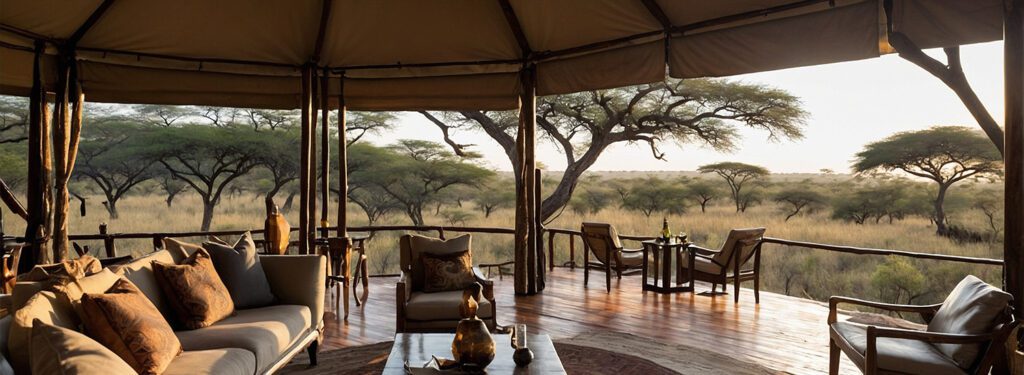
Modern safari lodges and camps are designed with honeymooners in mind. Personalized butler service, intimate bush dinners under the stars, and tailor-made safari itineraries ensure couples feel like the entire wilderness is theirs to explore.
An African safari honeymoon is more than a holiday; it’s an intimate journey where every day brings something unexpected and awe-inspiring. Sharing these once-in-a-lifetime moments in the wild creates a bond that few other experiences can match.
For couples seeking adventure, luxury, cultural discovery, and deep connection, a romantic African safari in Kenya or Tanzania is truly the ultimate romantic escape. If you’re looking for an amazing honeymoon safari package, then Scarface Pride has got your back! Contact us today to know more about our safaris!

When you think of the Masai Mara, images of lions on golden plains and wildebeest thundering across rivers probably come to mind. But there’s another perspective that takes this beauty to an entirely new level, a hot air balloon safari over the Mara at sunrise.
How It Compares to Other Balloon Rides
Hot air balloon rides are famous in destinations like Cappadocia, Turkey, and Dubai. In Cappadocia, balloons rise high above fairy chimneys and surreal rock formations, offering panoramic views from great altitudes. Dubai’s balloon safaris float above desert dunes with sweeping views of endless sandscapes. Both are breathtaking, but they focus on altitude and expansive scenery.
The Masai Mara (Kenya), Serengeti (Tanzania) and Amboseli offer something different. Here, balloons fly at low altitude, just above the treetops and plains. This allows passengers to witness elephants grazing, giraffes stretching for leaves, or a pride of lions beginning their morning hunt. Instead of distant landscapes, you’re immersed in the living heartbeat of Africa’s wilderness, close enough to spot wildlife, yet high enough to appreciate the scale of the savannah.
The Experience: From Takeoff to Bush Breakfast
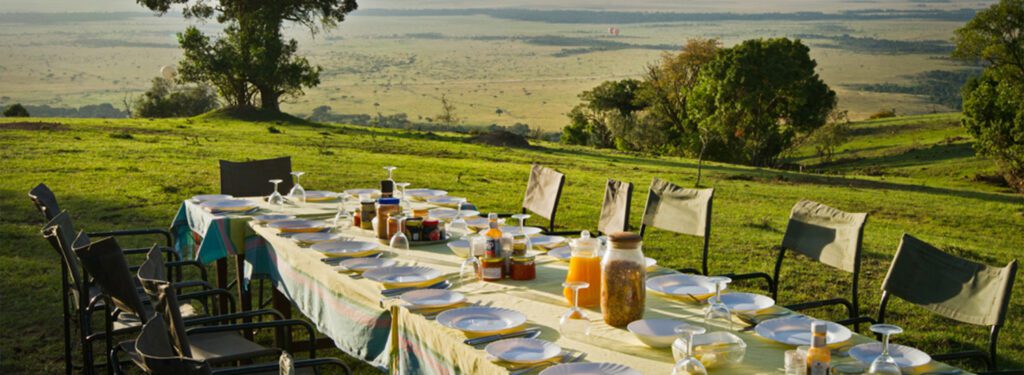
Your day begins before dawn with a transfer to the launch site. As the balloon inflates against a vast sky, anticipation builds. The flight itself lasts about one hour, timed perfectly with the sunrise. Watching the first golden rays spill over the Mara River while wildebeest and zebras stir below is nothing short of magical.
But the experience doesn’t end with the landing. After touching down, guests are treated to a bush breakfast on the open plains, complete with fresh fruit, pastries, and champagne. Few experiences rival sipping coffee in the wild while hot air balloons dot the horizon behind you.
Costs of a Masai Mara Balloon Safari
A hot air balloon safari in the Masai Mara typically costs between $450 and $550 per person, which includes the whole experience. In the Serengeti, prices are slightly higher, ranging from $500 to $600 per person. While this is a premium add-on to a safari, most travelers describe it as the highlight of their trip.
Best Time to Go
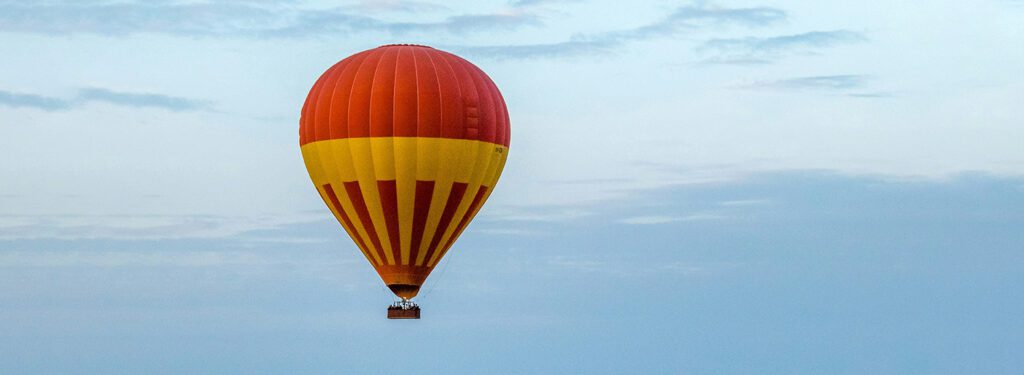
Balloon safaris operate year-round, but the Great Migration (July–October) is the most dramatic time to experience it. Imagine floating above thousands of wildebeest crossing the Mara River; it’s a view you’ll never forget. However, the green season (November–March) also offers stunning skies and fewer crowds.
If Cappadocia and Dubai balloon rides are about soaring high over landscapes, then the Masai Mara hot air balloon safari is about intimacy, seeing Africa’s wildlife from an entirely new angle. Add the champagne bush breakfast, and it’s clear: this is not just worth it, it’s an unmissable chapter in your African adventure.
If you’re looking to experience the magic of the hot air balloon in the Masai Mara or the Serengeti, then we’ve got you covered! Contact us to know more!
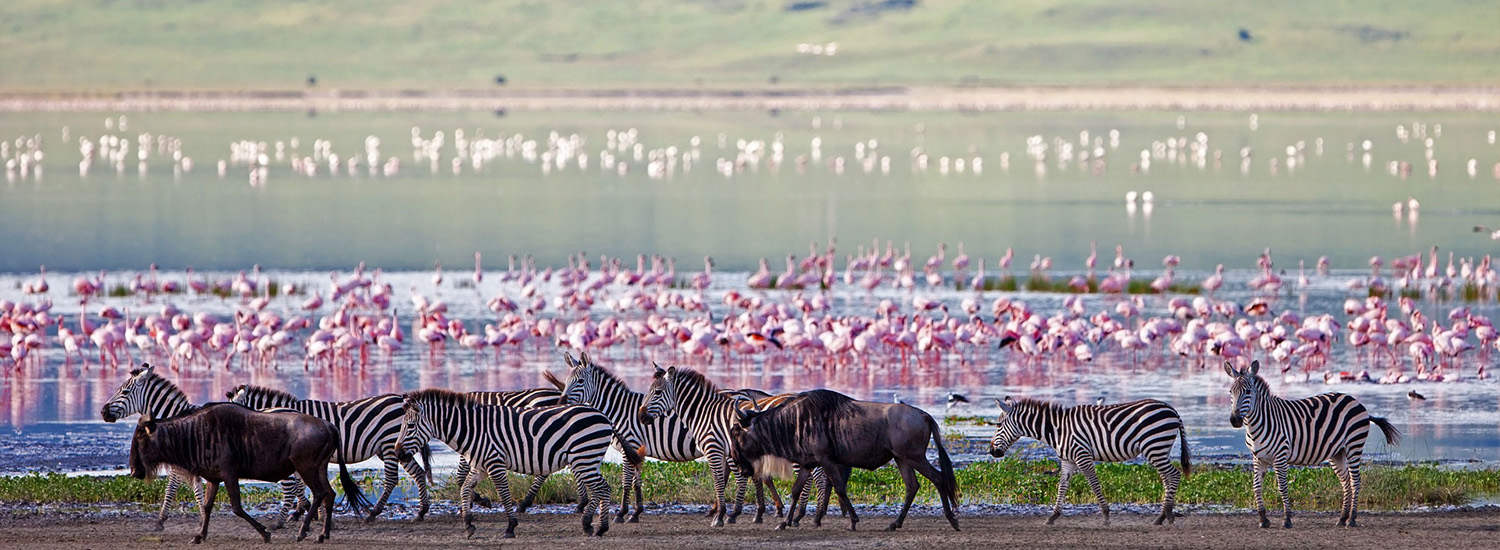
The Ngorongoro Conservation Area is one of Tanzania’s crown jewels, blending breathtaking scenery, rich wildlife, and cultural heritage. At its heart lies the Ngorongoro Crater, a vast volcanic caldera often described as “Africa’s Garden of Eden.” Situated between the Serengeti and the Crater, this protected area is a key link in Tanzania’s safari circuit and a UNESCO World Heritage Site.
1. Explore the Ngorongoro Crater’s Wildlife
The Ngorongoro Crater hosts around 25,000 large animals, making it one of the densest concentrations of wildlife in Africa. Lions, elephants, black rhinos, wildebeest, and zebras thrive here, while flamingos and hippos fill the lakes. For safari-goers, the crater offers a chance to see the Big Five in one place, making it a must for unforgettable Ngorongoro wildlife experiences.
2. Witness the Great Migration in the Conservation Area
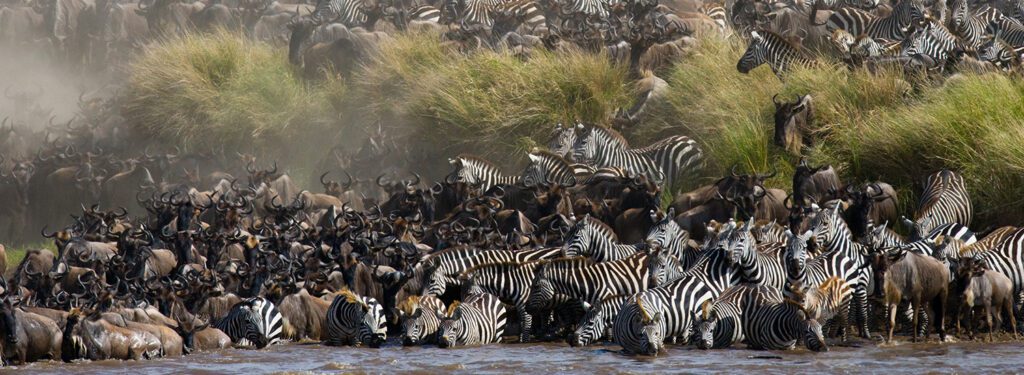
From November to March, the Ngorongoro Conservation Area becomes the stage for one of nature’s most dramatic spectacles, the calving season of the Great Migration. This region, stretching between the middle of the crater and the Serengeti, hosts hundreds of thousands of wildebeest, zebras, and gazelles as they give birth on the nutrient-rich plains. Predators, including lions and cheetahs, follow in large numbers, creating thrilling encounters. For photographers and wildlife lovers, this is among the most incredible Ngorongoro wildlife events to witness.
3. Take in the Dramatic Landscapes
The Ngorongoro landscapes are nothing short of awe-inspiring. From the misty crater rim to open grasslands, dense forests, and shimmering soda lakes, the diversity is unmatched. A sunrise drive around the rim offers sweeping views, while golden sunsets make for magical end-of-day moments. This interplay of terrain makes the crater one of the top attractions in Ngorongoro.
4. Visit a Maasai Village
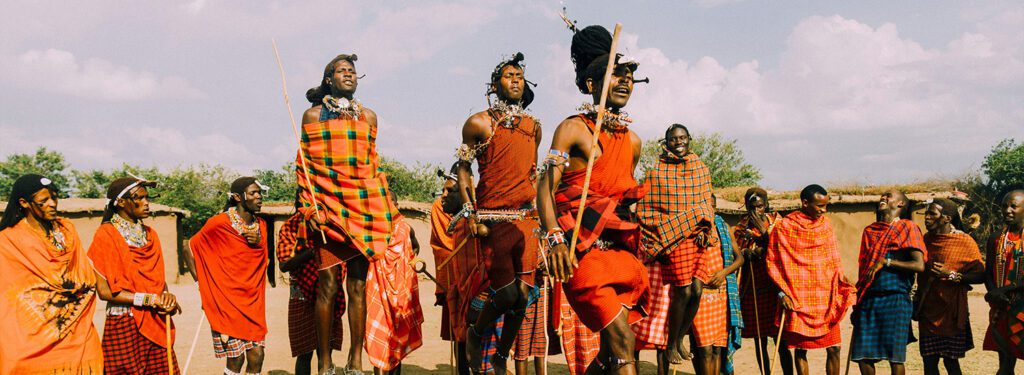
The Ngorongoro Conservation Area is also home to the semi-nomadic Maasai people. Here, cattle graze alongside wildebeest, showcasing a rare coexistence of culture and nature. Visiting a Maasai boma (village) allows travelers to experience their beadwork, dances, and traditional way of life, an enriching highlight beyond the safari.
5. Walking Safaris and Birdwatching
Guided walking safaris in the crater highlands reveal smaller details of this ecosystem, unique plants, small mammals, and over 500 bird species. From flamingos to ostriches and raptors, the crater is a paradise for birdwatchers.
6. Discover the Neighbouring Wonders: Olduvai Gorge and Shifting Sands
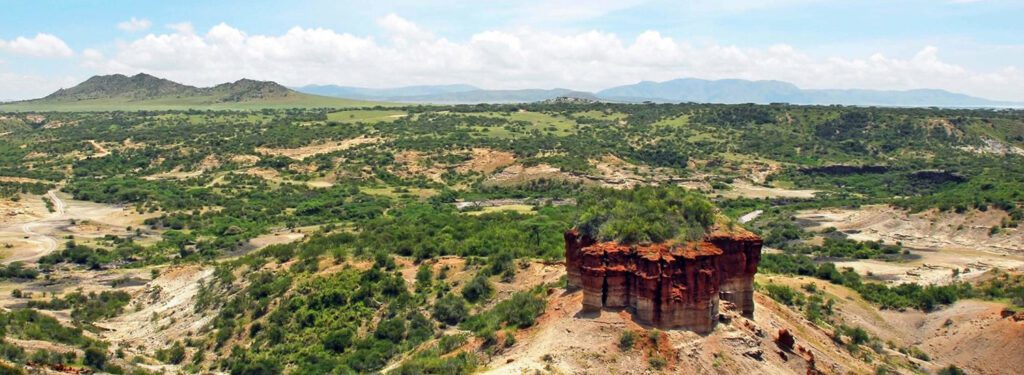
Just outside the Ngorongoro Crater lies Olduvai Gorge, one of the most important paleoanthropological sites in the world. It is here that the earliest remains of humankind were discovered, offering a fascinating window into human history. Another nearby marvel is the Shifting Sands, a rare volcanic ash dune that mysteriously moves across the plains with the wind, a true scientific phenomenon that continues to intrigue visitors.
Whether it’s the migration season between November and March, the dramatic landscapes, or connecting with Maasai culture, the Ngorongoro Crater and Conservation Area deliver an extraordinary mix of wildlife, landscapes, and cultural experiences that make it one of Africa’s most treasured destinations.
Book your safari today with Scarface Pride and experience the magic of the Ngorongoro Crater!
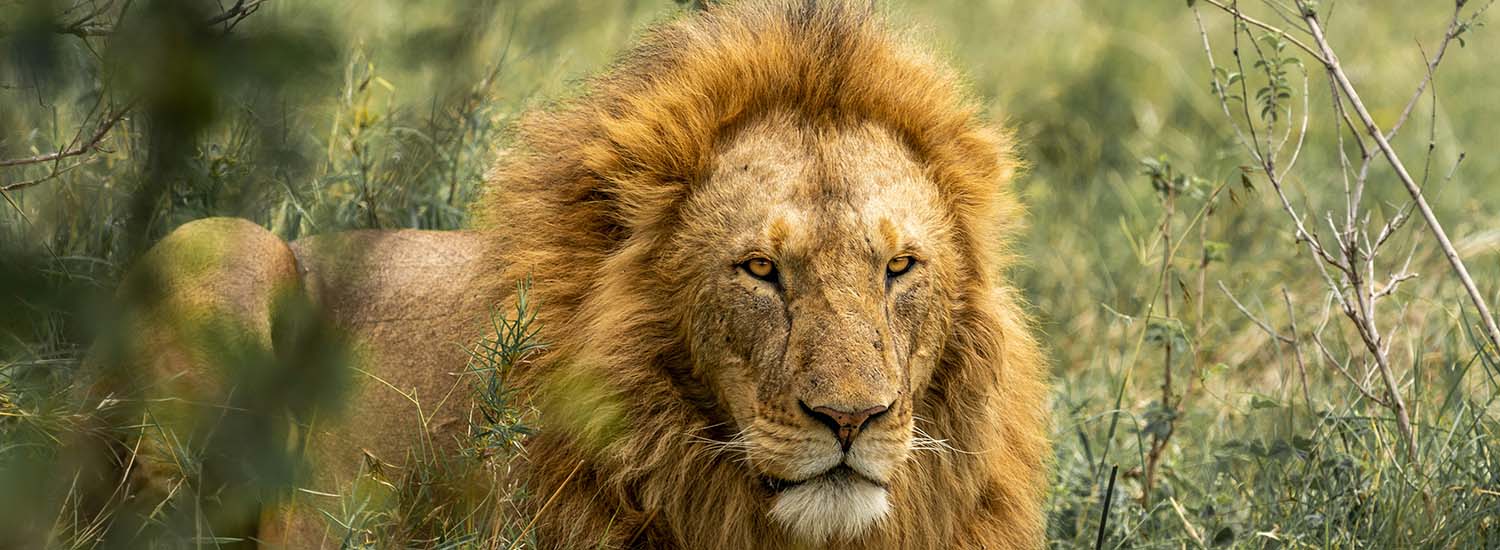
Every once in a while, the wild gifts us a legend, one that goes beyond roars and reigns to become a story etched in the savannah’s golden grass. For Kenya’s Masai Mara, that legend was Scarface the Lion.
Born in 2007 alongside his brothers Sikio, Hunter, and Morani, Scarface formed the formidable coalition known as The Musketeers. Together, they reshaped the balance of power in the Mara. But it was Scarface who stood out, with a fiery spirit, striking presence, and a distinctive mark above his right eye, the scar that would make him unforgettable.
The scar itself has its own tales. Some say it was from a brutal battle for dominance; others whisper it came from a spear strike by locals. Whatever its origin, the scar was not his weakness; it was his crown. It made him the easiest lion to recognize, and eventually, the most photographed lion in the world. With his majestic ginger-blonde mane flowing in the wind, Scarface became a symbol of strength, resilience, and raw beauty.
Scarface’s reign was nothing short of extraordinary. In the wild, male lions typically dominate for two to four years. Scarface, however, defied the rules of the jungle, leading his pride for nearly a decade. He and The Musketeers conquered territories like the Marsh Pride and the fierce Paradise Pride, cementing their names in the annals of Mara’s history. Documentaries by the BBC and Nat Geo, including Big Cat Diary, carried his story to millions, turning him into a global icon of Africa’s wilderness.
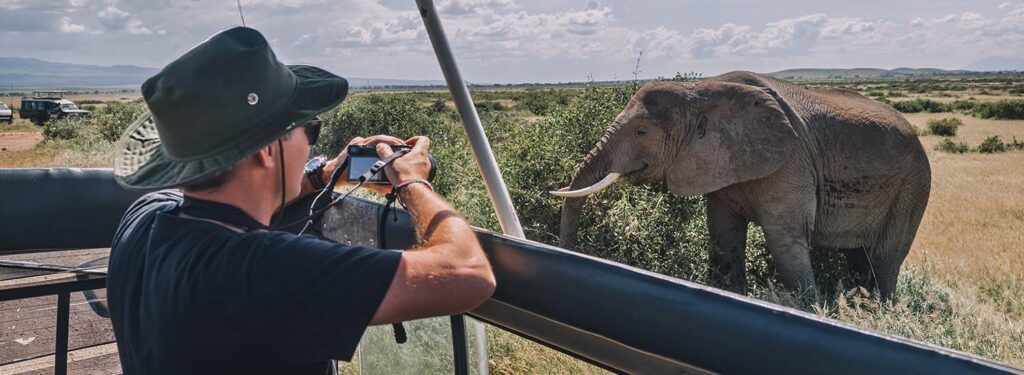
Travelers, photographers, and wildlife enthusiasts from around the world journeyed to the Masai Mara hoping to catch a glimpse of him, often rising at dawn, waiting for the sun to spill over the plains, to witness his regal stride or his mane glowing under the African light. He was more than a lion; he was a living embodiment of the Mara’s spirit.
In June 2021, Scarface took his final breath at the age of 14, an impressive age for a wild lion. His passing marked the end of an era, yet his legend continues to roam the grasslands in every story told and every photograph shared.
It is this legacy that gave birth to Scarface Pride, a brand dedicated to honoring his memory. Our vision is simple: to let travelers see the wild through Scarface’s eyes, untamed, breathtaking, and timeless. Beyond safaris, we stand for protecting the natural habitat and supporting the communities that have safeguarded these lands for generations.
Scarface the Lion may be gone, but his spirit remains eternal in the Mara, and in every journey we curate. His story is not just history; it is an invitation to witness Africa in its truest form.
When Scarface took his last breath in June 2021, he left behind more than a pride, he left a legacy that continues to inspire.
And this is how Scarface Pride was born: our safaris and experiences we offer are dedicated to celebrating the wilderness he ruled, promoting conservation of Africa’s natural habitats, and curating unforgettable safaris that let travelers see the wild through the same lens of awe and respect that Scarface commanded.
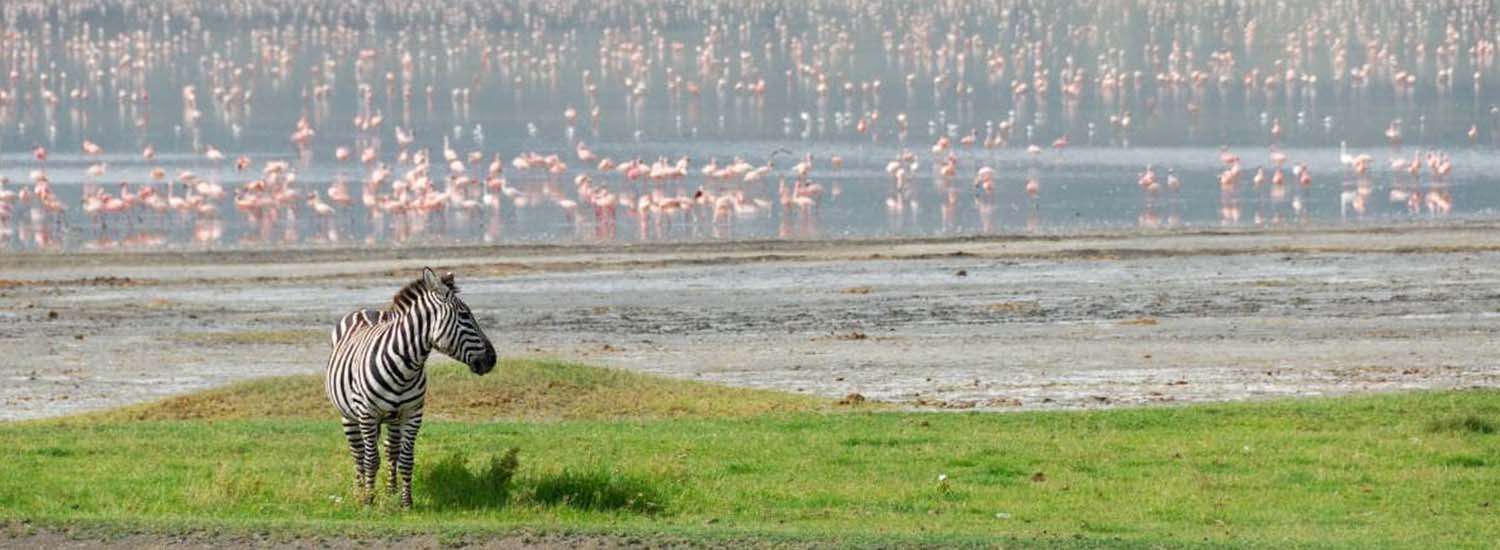
Tanzania isn’t just a safari paradise; it’s a land rich in history, culture, and natural wonders. In fact, the country proudly holds seven UNESCO World Heritage Sites: three cultural, three natural, and one mixed. Each of these destinations reflects the diversity of Tanzania’s landscapes and traditions, making them a must-visit for any traveler.
Here’s your guide to exploring Tanzania’s most remarkable UNESCO treasures:
1. Ngorongoro Conservation Area

Known as the “Garden of Eden of Africa,” this is one of Tanzania’s most amazing UNESCO World Heritage Sites. The Ngorongoro Crater is one of the world’s largest unbroken calderas, teeming with wildlife, including endangered black rhinos. Beyond its natural beauty, Ngorongoro also houses the Olduvai Gorge, one of the most significant paleoanthropological sites, where evidence of early human evolution was discovered.
2. Serengeti National Park

World-famous for the Great Migration, Serengeti National Park is an iconic UNESCO World Heritage Site. Millions of wildebeest, zebras, and gazelles move across the plains each year, followed closely by predators like lions and cheetahs. It’s a spectacle of nature that defines Tanzania as a premier safari destination.
3. Mount Kilimanjaro National Park

Home to Africa’s highest peak, Mount Kilimanjaro rises 5,895 meters above sea level. This UNESCO site attracts trekkers from around the globe. Its snow-capped summit and diverse ecosystems, ranging from tropical rainforest to alpine desert, make it both a natural wonder and a challenge for adventurers.
4. Nyerere National Park

One of the largest faunal reserves in the world, the Selous is a UNESCO site that remains relatively untouched by human activity. It is home to a wide variety of species, including elephants, hippos, and crocodiles. The reserve’s vast landscapes of rivers, swamps, and open woodlands make it an unparalleled wilderness escape.
5. Stone Town of Zanzibar

A maze of narrow streets, coral stone buildings, and spice-scented markets, Stone Town is a vibrant cultural UNESCO World Heritage Site. It tells the story of Zanzibar’s centuries-old role as a trading hub, influenced by Arab, Persian, Indian, and European cultures. Historical landmarks like the House of Wonders and Old Fort highlight its unique heritage.
6. Kondoa Rock-Art Sites

This site features ancient cave paintings created by hunter-gatherer communities thousands of years ago. The Kondoa Rock-Art Sites are not just archaeological wonders but also hold cultural and spiritual significance for local communities. They provide a fascinating glimpse into Tanzania’s prehistoric life.
7. Kilwa Kisiwani & Songo Mnara Ruins

These two medieval coastal towns once thrived as centers of trade between Africa, Arab, and Asia. As UNESCO World Heritage Sites, they showcase the remains of mosques, palaces, and forts that reflect the rich history of the Swahili civilization. Walking through these ruins is like stepping into a forgotten chapter of global trade history.
Why These Sites Matter
From the snow-capped peaks of Kilimanjaro to the ancient artistry of Kondoa, Tanzania’s UNESCO World Heritage Sites reveal the nation’s soul, where culture, history, and nature come together. Whether you’re an adventurer, historian, or wildlife enthusiast, visiting these sites guarantees an experience as rich as it is unforgettable.
Ready to explore? Add these UNESCO wonders to your travel bucket list and discover Tanzania’s timeless beauty.


